
Hiroshima Orizuru Tower
1-chōme-2-1 Ōtemachi, Naka Ward, Hiroshima, 730-0051, JapanWhat Is the Hiroshima Orizuru Tower?
The Hiroshima Orizuru Tower stands in the Ōtemachi district of Naka Ward, roughly a five-minute walk from the Atomic Bomb Dome and Peace Memorial Park. It opened in 2016 and has since become one of the more thoughtful additions to Hiroshima's skyline. The name translates to "paper crane tower," a direct reference to the origami crane that became the city's most recognized symbol of peace, largely through the story of Sadako Sasaki.
The building is 13 stories tall and combines a commercial complex with observation spaces, a glass-walled atrium that draws natural light deep into the structure, and a rooftop terrace that frames the Peace Memorial Park and the rivers of the Ōta River delta below. It isn't just a viewpoint. The crane theme runs through the whole experience, from the towering interior wall where visitors can drop their own folded cranes, to the materials and design choices throughout.
If you're spending a day around Peace Memorial Park, the tower makes a natural companion stop rather than a detour.
Quick Facts
- Location: 1-chōme-2-1 Ōtemachi, Naka Ward, Hiroshima, directly across from Peace Memorial Park
- Opened: 2016
- Height: 13 floors, with rooftop access
- Named after: the orizuru, or folded paper crane, symbol of peace and healing in Hiroshima
- Nearest tram stop: Chūdenmae or Genbaku Dome-mae on the Hiroshima Electric Railway
- Ticket type: General admission for observation floors; some areas open without charge
- Facilities: Café, restaurant, shops, observation deck, rooftop terrace
Getting There
The easiest approach is by Hiroshima's street tram network. The Genbaku Dome-mae stop on Route 2 or Route 6 puts you within about a three-minute walk. If you're coming from Hiroshima Station, the tram ride takes roughly 15 minutes depending on traffic. The tower sits right at the edge of the Peace Memorial Park area, so if you've already been to the Atomic Bomb Dome, you've essentially passed the front door.
On foot from the city center, Hondōri shopping arcade is about a ten-minute walk east. The surrounding Ōtemachi area is flat and easy to navigate.
The Layout and Experience
The ground floor opens into a light-filled atrium with shops selling Hiroshima-themed goods, local crafts, and plenty of origami crane souvenirs. The design here leans into the crane concept without feeling overdone. A dedicated wall installation in the building's interior is one of the more memorable details: visitors are invited to fold a paper crane and drop it into a transparent collection chamber, adding to a growing visual mass of cranes accumulated from visitors around the world.
The observation floors sit toward the top of the building. Floor 12 is an enclosed indoor observation space with wide windows oriented toward Peace Memorial Park and the rivers below. Floor 13 is the rooftop terrace, open to the sky. On a clear day the view stretches over the delta's waterways, the green of the park, the Chūgoku Mountains in the distance, and the city spreading out in all directions. On a rainy day the enclosed floor still gives you a solid panorama without the weather problem.
There's also a café and a restaurant in the building, so you can extend the visit without going far.
Why This Place Matters
Hiroshima draws visitors primarily because of August 6, 1945. The Peace Memorial Park, the Atomic Bomb Dome, and the Peace Memorial Museum carry the weight of that history directly. The Orizuru Tower doesn't try to compete with those sites. Instead it offers something adjacent: a vantage point that lets you see the city as it exists today, rebuilt over the decades into a functioning, living place, while the crane theme keeps the connection to memory and recovery present throughout.
Sadako Sasaki, who died in 1955 after folding cranes during her illness, became a figure known far beyond Japan. The crane as a symbol of hope and perseverance now shows up across the city, and the tower's design takes that seriously rather than using it as simple decoration. Dropping your own crane into the collection wall is a small act, but it tends to land differently here than it might elsewhere.
Tickets and Entry
General admission covers access to the observation floors and rooftop terrace. Ticket pricing falls in the budget-to-mid-range tier for a Japanese observation attraction. Children's rates are available. The lower commercial floors, including the shops and parts of the atrium, are accessible without a ticket.
It's worth checking current hours before you visit, as the rooftop terrace may have restricted access during bad weather or maintenance periods. Timed entry is not typically required, and the tower rarely feels crowded in the same way the Peace Memorial Museum does, though weekend afternoons in peak season can bring steady visitor numbers.
Best Time to Visit
Late afternoon is consistently the best slot for the rooftop. The light over the river delta in the hour before sunset is striking, and the Peace Memorial Park below takes on a different quality as the day cools. Mornings tend to be quieter overall, which suits the more contemplative parts of the visit.
Spring brings cherry blossoms to the park visible from the upper floors, making late March through early April one of the more popular windows. August sees the highest visitor volume across all of Hiroshima, particularly around the August 6 Peace Memorial Ceremony. If you're visiting then, expect the entire area around the park to be busy from early morning.
Photography Tips
The rooftop terrace on floor 13 is the obvious spot for wide shots of the city and the Peace Memorial Park. Position yourself on the western side of the terrace for the clearest view toward the Atomic Bomb Dome. The glass barriers are relatively unobtrusive for photography but can catch glare depending on the time of day.
Inside the building, the crane collection wall photographs well with a wide-angle lens if you want to capture the scale of accumulated cranes. Lighting in the atrium is generally good during daylight hours. For the city views from the enclosed floor 12, shooting through glass will require you to get close to the surface and eliminate reflections where possible.
Combining With Nearby Attractions
The Orizuru Tower sits at the edge of one of the most walkable clusters of significant sites in Japan. The Atomic Bomb Dome is about a five-minute walk north. The Peace Memorial Museum is a few minutes beyond that. Shukkeien Garden, a reconstructed strolling garden with its own wartime history, is about 15 minutes on foot to the northeast.
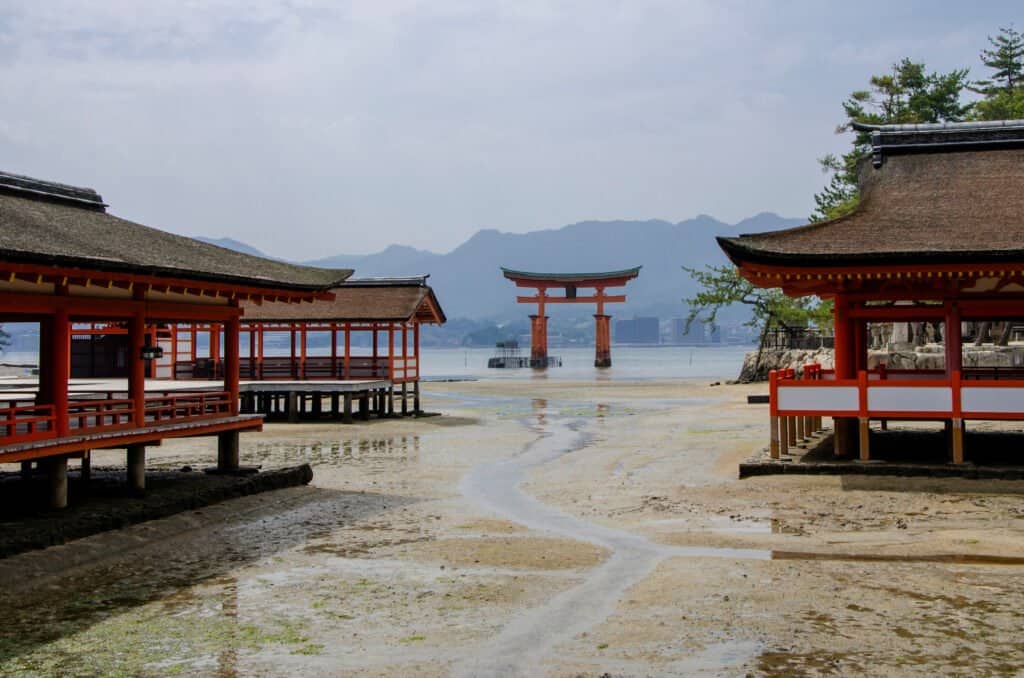
Hondōri, Hiroshima's covered shopping arcade, runs parallel a few blocks east and is a good place to find local food and everyday city life after an afternoon spent in the memorial district. Miyajima Island, home to the famous floating torii gate, is accessible by train and ferry and takes about 30 minutes from central Hiroshima, making it a natural full-day pairing.
Practical Tips
- Paper and folding instructions for origami cranes are often available near the crane wall inside the building. You don't need to bring your own.
- The rooftop terrace is open-air, so bring a layer in cooler months. Wind can pick up at height.
- If you plan to visit the Peace Memorial Museum the same day, go there first. It's emotionally heavy, and many visitors find a quieter, elevated perspective afterward a natural way to decompress.
- The Hiroshima Electric Railway IC card (ICOCA, Suica, or equivalent) works on the trams and saves time buying individual tickets.
- English signage is present throughout the building, though staff language ability varies. A translation app covers any gaps easily.
- There is no dedicated parking facility attached to the tower. If you're driving, paid lots are available in the broader Ōtemachi area.
FAQ
How long does a visit to the Orizuru Tower typically take?
Most visitors spend between 45 minutes and an hour and a half, depending on how long they linger on the rooftop and whether they stop at the café or shops. It's not a half-day commitment on its own.
Is the tower suitable for children?
Yes. The origami crane activity appeals strongly to children, and the observation floors are accessible. The rooftop terrace has barriers, though you should use normal supervision with young kids near the edges.
Do I need to book tickets in advance?
Advance booking is not generally required. Tickets are available at the entrance. The exception might be a very busy period like early August or a national holiday weekend, when arriving earlier in the day is a sensible precaution.
Is the Orizuru Tower the same as the Peace Memorial Museum?
No. They are separate institutions. The Peace Memorial Museum is managed by the City of Hiroshima and focuses directly on the atomic bombing. The Orizuru Tower is a privately developed building with commercial and observation facilities. They are close neighbors, not the same site.
Can you see the Atomic Bomb Dome from the tower?
Yes. On clear days the Atomic Bomb Dome is visible from the upper floors and rooftop, sitting in the bend of the Motoyasu River just north of the tower's position.
Reviews
Sign in and mark this place visited to leave a review.
No reviews yet.
Free Trip Planner
Plan your Hiroshima trip with our free planner
Build a day-by-day itinerary with AI suggestions, hand-picked places, and friends. Free forever — no credit card.
Things to see near Hiroshima Orizuru Tower

Miyajima Public Aquarium
Itsukushima Jinja

Hiroshima Peace Memorial Museum


