
Shukkei-en Garden
2-11 Kaminoborichō, Naka Ward, Hiroshima, 730-0014, JapanShukkei-en Garden: Hiroshima's Oldest Surviving Landscape
Shukkei-en Garden sits quietly in Naka Ward, about a ten-minute walk northeast of Hiroshima Peace Memorial Park, and it tends to catch visitors off guard. Most people come to Hiroshima for the Memorial Museum and the Genbaku Dome. Shukkei-en draws a different kind of attention. It is a classical Japanese strolling garden, roughly 40,000 square meters in size, designed so that each step around the central pond reveals a new composition of stone, water, and borrowed sky.
The garden's name translates loosely as "contracted scenery," a concept borrowed from Chinese landscape design in which a large natural panorama is miniaturized and recreated within a small space. Shukkei-en does this through a network of islands, bridges, teahouses, and carefully arranged rocks, all organized around a tidal pond called Sogen-chi.
Why Shukkei-en Matters
The garden was originally laid out in 1620 by Ueda Soko, a tea master and military commander who served under the Asano clan, the feudal lords of the Hiroshima domain. It remained a private retreat for the Asano family for most of its history, which is part of why it survived intact for so long. Unlike many gardens of similar age, it was not opened to the public until after World War II.
Then came August 6, 1945. The atomic bomb detonated roughly 1.4 kilometers from the garden. The blast destroyed most of the structures inside, killed many people who had taken shelter on the grounds, and left the landscape heavily damaged. The fact that it was rebuilt at all, and restored to something close to its Edo-period form, makes it one of the more quietly significant places in the city. Walking through it now, you are walking through a landscape that was deliberately reclaimed from total destruction.
Quick Facts
- Address: 2-11 Kaminoborichō, Naka Ward, Hiroshima
- Garden age: Originally established in 1620
- Size: Approximately 40,000 square meters
- Distance from Peace Memorial Park: About 10 minutes on foot
- Distance from Hiroshima Castle: About 5 minutes on foot
- Entry: Paid general admission, with discounts for seniors and students
- Teahouse: On-site, serving matcha and seasonal wagashi
Getting There
The most straightforward approach is on foot from central Hiroshima. If you are coming from Hiroshima Station, the walk takes around 20 minutes heading west along the Kyobashi River. From the Peace Memorial Park area, head northeast and cross the Motoyasu River. The entrance on Kaminoborichi-dori is easy to miss if you are not looking for it, so watch for the traditional gate set back slightly from the street.
Hiroshima's streetcar network also gets you close. Alight at the Hakushima stop on the No. 9 line and the garden entrance is a short walk from there. Taxis are an option from anywhere in central Hiroshima and the fare stays reasonable given the distances involved.
The Layout and Experience
Shukkei-en is organized as a circuit walk. You move around the perimeter of Sogen-chi pond, crossing over small bridges, pausing at viewpoints, and looping through the islands at the water's center. There is no single correct direction, but most visitors follow the path counterclockwise from the main gate.
The islands are connected by a series of stone and wooden bridges, ten in total, each positioned to frame a different view. Some are low and flat, barely above the waterline. Others arch gently, designed as much for aesthetics as function. The koi in Sogen-chi are large and old-looking, and they tend to gather near the bridges where visitors stop.
The Seifuso teahouse, positioned at the northern edge of the garden, is worth building into your route. You can sit on the veranda with a bowl of matcha and look back across the water toward the southern islands. On a still morning, the reflection on the pond makes it difficult to tell where the garden ends and the sky begins.
The Hiroshima Prefectural Art Museum is directly adjacent to the garden, connected by a covered walkway. Many visitors combine the two in a single half-day, which works well practically.
Seasonal Highlights
Spring is the obvious draw. Cherry blossoms along the garden's inner paths and around the pond edge typically peak in late March or early April, and the garden gets noticeably busier during that window. Autumn runs it close. The Japanese maples around the northern section turn from late October through November, and the colors reflected in Sogen-chi on a clear afternoon are worth timing your visit for.
Summer is humid and green, quieter than spring. The lotus in the pond blooms during July and August, which gives the garden a different character entirely. Winter is the least visited season, but the bare structure of the landscape becomes more visible, and you are more likely to have a teahouse bench to yourself.
Photography Tips
The first hour after opening tends to offer the calmest light and the fewest people on the bridges. The low stone bridge near the central island is the most photographed spot in the garden, and for good reason, but try it from the eastern bank rather than the bridge itself for a less common angle.
During autumn color season, position yourself on the north side of the pond in the late afternoon when the maples catch the low western sun. The Seifuso teahouse makes a useful background element rather than a subject in itself. If you shoot from the veranda looking south, you get the whole garden compressed into a single frame, which is essentially what "contracted scenery" means made literal.
Tickets and Entry
Shukkei-en charges general admission at the gate. Discounts apply for elderly visitors and students, and there are combination tickets available with the adjacent Hiroshima Prefectural Art Museum. If you plan to visit both in the same day, ask about the combined option at the gate because it saves money. Matcha service at the Seifuso teahouse is priced separately and ordered inside.
Combining with Nearby Attractions
Hiroshima Castle is about a five-minute walk northwest from the garden. The castle's main tower was also destroyed in 1945 and later reconstructed, so there is a loose historical thread connecting the two sites. The Peace Memorial Museum and Genbaku Dome are about 20 minutes on foot heading southwest, or a short streetcar ride. Most itineraries that include Shukkei-en put it either first thing in the morning or as a late-afternoon wind-down after the heavier emotional weight of the memorial sites.
The Hiroshima Prefectural Art Museum shares a wall with the garden and focuses on Japanese modern and contemporary art alongside a strong collection of Hiroshima-connected works. The covered connection between the two means you can move between them without going back out to the street.
Practical Tips
- Wear comfortable shoes. The paths include gravel, stepping stones, and some uneven surfaces near the water's edge.
- The garden is fully walkable in 45 to 60 minutes at a relaxed pace, longer if you stop for tea.
- Morning visits on weekdays are noticeably quieter than weekend afternoons, especially in spring.
- There is a small rest area near the entrance with seating and basic facilities.
- Umbrella rental or purchase is sometimes available near the entrance for rainy days, and the garden is worth visiting in light rain.
- English signage is limited inside the garden. A printed map from the entrance gate helps considerably.
- Photography is generally permitted throughout. Tripods may require separate permission.
FAQ
How long should I plan for Shukkei-en?
Most visitors spend between 45 minutes and an hour and a half. Add another hour if you plan to sit for matcha at the teahouse or visit during peak cherry blossom or autumn foliage season when you will want to slow down.
Is the garden accessible for visitors with mobility limitations?
Parts of the main path are accessible, but the stepping stones, gravel sections, and narrow bridges over the islands are difficult for wheelchairs or visitors with limited mobility. The areas near the main gate and along the southern edge of the pond are more manageable.
Is it worth visiting if I've already been to other famous Japanese gardens?
Shukkei-en is smaller than Kenroku-en in Kanazawa or Korakuen in Okayama, the other two gardens often grouped as Japan's finest. What it offers that they don't is its specific history in Hiroshima. The context of the garden's destruction and rebuilding changes the experience in a way that is hard to fully separate from the aesthetics.
Can I visit Shukkei-en and the Peace Memorial sites in the same day?
Yes, and many visitors do. The Peace Memorial Museum is emotionally demanding, so some people find it easier to visit Shukkei-en first and use the walk back as a kind of decompression. Others prefer to end the day in the garden for the same reason.
Reviews
Sign in and mark this place visited to leave a review.
No reviews yet.
Free Trip Planner
Plan your Hiroshima trip with our free planner
Build a day-by-day itinerary with AI suggestions, hand-picked places, and friends. Free forever — no credit card.
Things to see near Shukkei-en Garden

Miyajima Public Aquarium
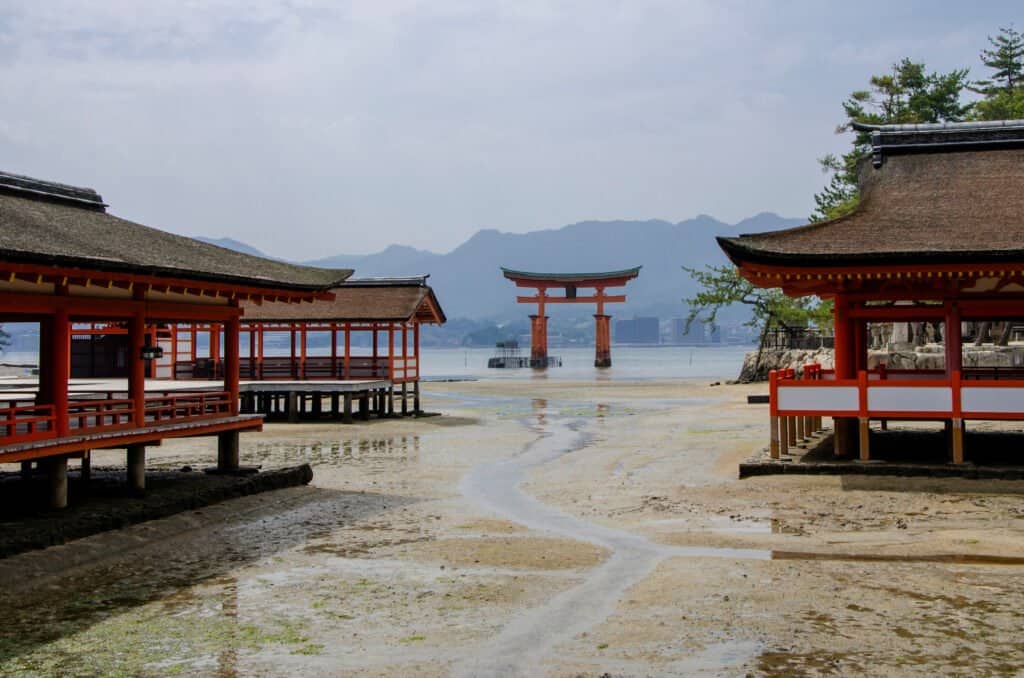
Itsukushima Jinja

Hiroshima Peace Memorial Museum

Peace Memorial Park – Hiroshima
More places in Hiroshima

Children’s Peace Monument

Hiroshima Orizuru Tower

Atomic Bomb Dome
