Hongqiao Market
Dongcheng, China, 100062Hongqiao Market in Beijing
Hongqiao Market sits in the Dongcheng district of Beijing, a sprawling bazaar that draws locals and visitors hunting for pearls, jade, silk, and everyday goods. The market occupies a four-story building near the Temple of Heaven, one of the city's most important historical sites. If you want to experience how Beijingers actually shop and barter, Hongqiao Market feels more authentic than the sanitized tourist corridors elsewhere in the city.
Why This Place Matters
Hongqiao Market represents a particular kind of Beijing commerce that's been fading as the city modernizes. It's where you'll find vendors who have worked the same stall for decades, where haggling is expected rather than awkward, and where the crowd is overwhelmingly Chinese. The market survived the Olympics and the relentless gentrification of central Beijing because it serves a real function for residents buying pearls for jewelry, jade for collections, and souvenirs at prices that reflect actual negotiation rather than printed tags.
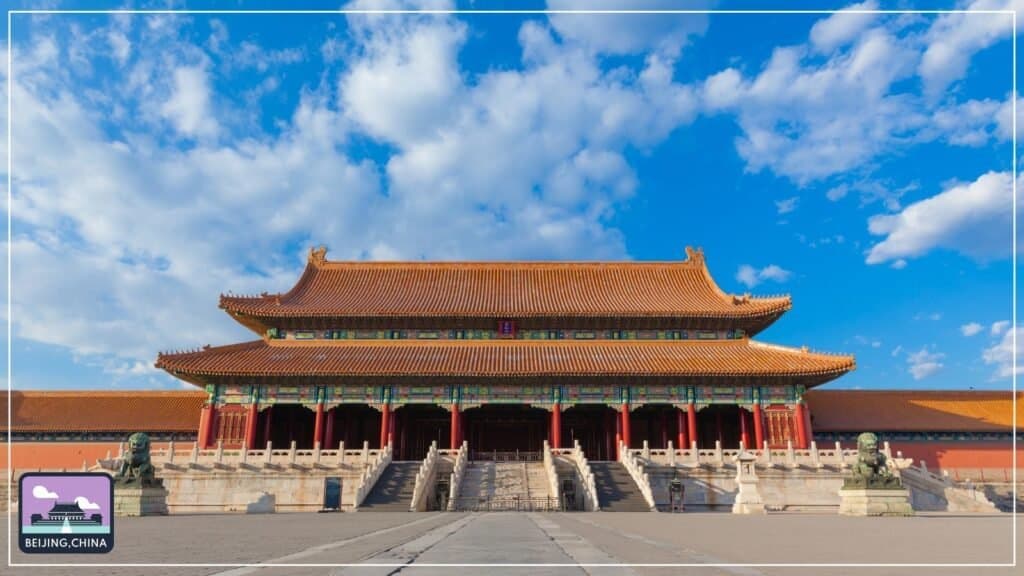
The market also sits close to the Temple of Heaven, making it easy to combine with a morning or afternoon at that World Heritage site.
Quick Facts
- Location: Dongcheng district, near Temple of Heaven
- Four floors of stalls selling pearls, jade, silk, clothing, and souvenirs
- Operating since the 1990s as an organized market
- Most vendors accept cash and mobile payment apps
- Busiest on weekends and Chinese holidays
- No fixed admission fee, though individual vendors set their own prices
Getting There
The easiest route is Line 5 of the Beijing Metro. Exit at Tiantan Dongmen station and walk north about ten minutes. The market building is large and difficult to miss once you're in the neighborhood. Street signage in English is minimal, so having the address saved in your phone maps app helps.
If you're coming from the Temple of Heaven itself, the market is a short walk north. Many visitors explore the temple in the morning, then drift toward Hongqiao for lunch and afternoon shopping.
Taxis and ride-hailing apps work, but the metro is faster during rush hours and avoids the unpredictable Beijing traffic.
The Layout and Experience
The building is organized by floor, though the divisions aren't always strict. The ground floor tends to have mixed goods and tourist items. The second floor is the pearl and jade epicenter, where vendors operate small stalls densely packed together. Upper floors have more clothing, accessories, and export-quality goods.
The real experience is the negotiation. Prices are rarely final. Vendors expect you to counter, especially if you're buying multiple items or spending a meaningful amount. This isn't aggressive haggling; it's how the market functions. Start at perhaps 50 to 60 percent of the asking price, then work upward. Vendors will often accept middle ground if you show genuine interest.
The atmosphere is loud and crowded. Vendors call out to potential customers. Conversations happen in Mandarin, English, and a mix of languages from tour groups. If you prefer calm shopping environments, this isn't your place. If you enjoy the sensory chaos of a working market, you'll find it energizing.
Main Highlights
The pearl section on the second floor is the market's strongest draw. Freshwater pearls dominate, sold as loose stones, strings, and finished pieces. Vendors can often help you select pearls if you're commissioning a necklace or bracelet elsewhere. The variety means you can find genuine pearls at prices substantially lower than in retail stores.
Jade stalls occupy adjacent areas. The range spans from carved figurines costing a few yuan to serious collector pieces. Quality varies widely, and unless you know jade, it's worth asking vendors about material and authenticity. Many will explain the differences between nephrite and jadeite if you ask.
Silk is sold throughout the upper floors, both as bolts of fabric and finished scarves and clothing. Prices are competitive, and you can negotiate especially if buying multiple items.
Souvenirs cluster on the ground floor and certain sections of the second floor. These include calligraphy supplies, tea, decorative boxes, and the usual tourist goods. Prices here are more flexible than in official tourist shops.
History and Background
Hongqiao Market formalized in the 1990s as Beijing's pearl and jade trade consolidated around this location. Before that, similar trading happened informally across the city. The market became especially popular after the Temple of Heaven reopened to tourists following decades of restricted access. The building itself is functional rather than architecturally distinguished, but that's part of its authenticity.
The market reflects Beijing's traditional role as a center for luxury goods trade. Pearls, jade, and silk have been traded in this region for centuries, though the specific building and vendors are modern.
Tickets and Entry
There is no entry fee to the market building. You pay only for items you purchase. Individual vendors set their own prices, and negotiation is standard practice. Some vendors may quote higher prices to tourists initially, expecting a counter-offer.
Best Time to Visit
Weekday mornings tend to be less crowded than afternoons and weekends. If you prefer a calmer browsing experience, arrive after 9 am on a Tuesday or Wednesday. Avoid Chinese New Year and major national holidays, when the market becomes extremely crowded and some vendors close.
The market operates year-round. Weather doesn't significantly affect the experience since you're indoors, though Beijing summers are hot and humid, making the air-conditioned building a refuge.
Photography Tips
Always ask before photographing vendors or their stalls. Most are fine with it, but it's respectful to check. The indoor lighting is often dim and fluorescent, which makes jewelry photography challenging. If you're documenting pieces you're considering purchasing, bring a phone with a good camera or ask the vendor to step outside for natural light.
The building's interior is visually busy in a way that photographs don't always capture well. Wide shots often look chaotic rather than atmospheric.
Facilities and Preparation
The building has basic restrooms on each floor. There are informal food stalls and small restaurants, mostly serving noodles and dumplings. These are inexpensive and frequented by vendors during breaks. Water and drinks are available at small counters throughout the market.
Bring comfortable shoes. You'll be walking and standing while examining stalls, and the floors are hard concrete. A small bag or backpack works well for carrying purchases. Large luggage is impractical in the crowded aisles.
Carry small bills and have your mobile payment apps ready. While many vendors accept Alipay and WeChat Pay, some smaller stalls may prefer cash. ATMs are available in the building, though withdrawal fees apply.
Combining with Nearby Attractions
The Temple of Heaven is the obvious pairing, a ten-minute walk north. You can easily spend three to four hours there exploring the grounds and the museum. Combine a morning at the temple with an afternoon at Hongqiao Market.
The Natural History Museum is about fifteen minutes walk south and makes a good secondary stop if you have a full day in the area.
The neighborhood also has several small restaurants and tea houses worth exploring if you want to eat near the market rather than inside the building.
Sample Visit Plan
A typical visit lasts two to three hours. Arrive at the market around 10 am. Spend the first hour on the second floor examining pearls and jade, asking questions, and getting a sense of prices. If you're interested in purchasing, negotiate with vendors and make selections. Around 11:30 am, move to other floors to browse silk, clothing, and souvenirs. By 1 pm, you're ready for lunch either inside the market or nearby, then head to other attractions or continue shopping in different neighborhoods.
Practical Tips
- Haggling is expected and normal. Don't be shy about making counter-offers.
- Examine items closely under good light before committing. Dim lighting can hide flaws.
- Ask vendors about materials and authenticity if you're making a significant purchase.
- Bring a power bank if your phone battery is low, as you may be navigating with maps.
- Go with a friend if you're uncomfortable negotiating alone. Vendors sometimes treat couples or groups differently than solo travelers.
- If you don't find what you want on your first visit, return another day. Inventory changes, and different vendors may have what you're seeking.
FAQ
Is Hongqiao Market safe? Yes, the market is generally safe. It's a legitimate, organized space with security presence. Standard urban precautions apply: keep valuables close and be aware of your surroundings in crowds.
Can I return items if I'm unsatisfied? Return policies are at the vendor's discretion. Establish terms before buying, especially for higher-value items. Most vendors won't accept returns on small purchases.
How do I know if pearls or jade are authentic? This requires expertise. If you're making a significant purchase, consider having an item assessed by an independent appraiser before leaving Beijing. Many hotels can recommend trustworthy services.
Is English spoken in the market? Some vendors speak basic English, especially those dealing with international customers. Many do not. A translation app helps, but expect communication to be sometimes difficult.
What's the best way to carry purchases home? Soft items like silk and scarves pack easily. For jade and pearls, ask vendors for wrapping or bring small boxes. Pearls especially should be protected from shifting during transport.
Reviews
Sign in and mark this place visited to leave a review.
No reviews yet.
Free Trip Planner
Plan your Beijing trip with our free planner
Build a day-by-day itinerary with AI suggestions, hand-picked places, and friends. Free forever — no credit card.
Related reading

Things to see near Hongqiao Market


Places to eat or drink near Hongqiao Market

Bianyifang Roast Duck

Li Qun Roast Duck Restaurant
Jingji