King William Historic District
122 Madison St, San Antonio, TX 78204, USAKing William Historic District sits just south of downtown San Antonio, a few blocks of oak-lined streets where German merchants built their houses along a bend in the San Antonio River in the second half of the 1800s. It was the first neighborhood in Texas to be designated a historic district, and it still reads as one of the more intact examples of a 19th-century American merchant quarter anywhere in the state. You come here to walk, mostly. The houses are the attraction, and two of them are open for a proper visit: Villa Finale and the Steves Homestead.
There's no gate, no single entrance, no ticket booth for the district itself. You just arrive, usually from the River Walk or from Southtown, and start walking King William Street or one of its side streets like Madison or Guenther. The scale is small enough to cover on foot in an afternoon, and that's really the only way to see it properly.
Why King William Historic District matters
San Antonio had a substantial German immigrant population by the 1850s and 1860s, merchants and craftsmen who settled along the river south of the original Spanish town and built houses that looked more like Hamburg or the Rhineland than anything else in Texas at the time. King William Street itself was named for King Wilhelm I of Prussia, a detail that tells you how directly these early residents imported their sense of identity into the new city. The neighborhood's preservation, starting in the 1960s when much of urban Texas was tearing down rather than protecting its older buildings, set a precedent that later shaped how San Antonio approached the rest of its historic core, including the Mission Reach of the river to the south. Without King William as a working example, it's fair to wonder whether the city's later preservation efforts, around the Pearl or the missions, would have had the same institutional backing.
Quick facts
- Location: immediately south of downtown San Antonio, bordered roughly by the San Antonio River, Alamo Street, and Probandt Street
- Status: the first area in Texas to be designated a historic district
- Built mainly by: German merchant and professional families, mid-to-late 1800s
- What's open to the public: Villa Finale and the Steves Homestead, both house museums; the rest of the district is private residences viewed from the street
- Adjacent neighborhood: Southtown, with the Blue Star Arts Complex at its southern edge
Getting there
The district address of record, 122 Madison Street, puts you roughly in the middle of the neighborhood, a short walk from the river. If you're coming from downtown or the main River Walk loop, the easiest approach is on foot or by bike along the river itself, following it south past the King William footbridge area until the water-facing backyards of the old houses come into view. Driving in is possible and there's residential street parking, though spaces thin out quickly on weekends when Southtown gets busy. Several San Antonio bike-share docks sit near the district's edges, and a bike is arguably the best way to link King William with the longer stretch of the Mission Reach trail if you want to extend the afternoon.
The layout and experience
King William Street is the spine, running roughly parallel to the river, with large houses set back behind iron fences, deep porches, and mature live oaks that shade most of the sidewalk. Side streets like Madison, Guenther, and Washington fill in the grid with smaller, though still substantial, homes. The architecture shifts house to house: Greek Revival columns next to Victorian gingerbread trim next to the plainer limestone German vernacular style that shows up less often elsewhere in Texas. None of it is roped off. You're walking a residential neighborhood where people still live, so the etiquette is the same as anywhere else, stay on the public sidewalk, keep noise down, and don't assume a pretty gate means you can wander into a yard.
Because it's a lived-in district rather than a museum compound, the experience depends a lot on timing. Early morning or late afternoon light does the houses more favors than midday glare, and a weekday visit means you're mostly sharing the street with dog walkers and the occasional gardener rather than tour groups.
Main highlights
Villa Finale is the best-known interior to visit. It was the home of Walter Nold Mathis, a San Antonio preservationist whose personal collecting habit, filling an 1876 house with art, antiques, and architectural salvage, eventually became the basis for a house museum now operated under the National Trust for Historic Preservation. Visits run as guided tours rather than open wandering, since the rooms are furnished much as Mathis left them.
The Steves Homestead, built for lumber merchant Edward Steves in the 1870s, is the other anchor. It's maintained by the San Antonio Conservation Society and gives you a more conventional look at how one of the wealthier German families actually lived day to day, with period furnishings and a riverside garden that's worth lingering in even if you skip the interior tour.
Beyond those two, the highlights are really just the street facades themselves: the pink limestone of some houses, the cast iron porch work that German ironworkers brought with them, and the occasional carriage house or servant's quarters still standing at the back of a lot.
Tickets and entry
The district itself has no entry requirement, it's open streets and sidewalks at any hour. Villa Finale and the Steves Homestead both operate as paid house museums with their own schedules and tour formats, generally timed guided visits rather than free roaming. Hours and tour times shift seasonally, so it's worth checking directly before planning your afternoon around a specific visit time, especially for Villa Finale, which has historically kept more limited hours than the Steves Homestead.
Best time to visit
Fall through early spring is the more comfortable season for walking, given how heavy a San Antonio summer afternoon gets by midday. Weekday mornings are quietest if you want the street mostly to yourself for photography. If you're planning to combine the walk with Southtown's bars and galleries, a Saturday afternoon moving into evening works well, since that's when Blue Star's galleries tend to hold open hours and the restaurant patios fill in.
Combining with nearby attractions
King William runs directly into Southtown, and Southtown runs into the Blue Star Arts Complex, so there's no real seam between the three. A former warehouse district turned gallery and studio space, Blue Star anchors the southern end with contemporary art spaces, a few working artist studios, and Blue Star Brewing Co. From there it's a short walk or bike ride further south to pick up the Mission Reach section of the San Antonio River, which eventually leads to the four Spanish colonial missions outside the city center. In the other direction, the River Walk and downtown sit close enough that you can start a day at the Alamo or Pearl and end it in King William without ever getting in a car.
Sample visit plan
Start late morning at the north end of King William Street near the river, and walk south slowly, taking in the house facades on King William itself before cutting over to Madison and Guenther. Book a late-morning or early-afternoon slot for the Steves Homestead or Villa Finale, whichever fits your schedule, since both take roughly 45 minutes to an hour with a guide. Have lunch in Southtown, where there's a decent spread of casual Tex-Mex and café options, then spend the rest of the afternoon in Blue Star's galleries before finishing with a drink at the brewery as the light goes golden over the river.
Practical tips
- Wear shoes you don't mind walking a couple of miles in, since the appeal here is covering ground, not standing still
- Bring water and sun protection in warmer months, there's little shade once you drift off the main oak-lined blocks
- Respect that this is a residential neighborhood, not an open-air museum, when it comes to noise and private property
- Check current hours for Villa Finale and the Steves Homestead before you go, since both run as guided tours with limited time slots rather than walk-in access
- Pair the walk with Southtown and Blue Star in the same outing to avoid driving between stops
FAQ
Do I need a ticket to walk through King William Historic District?
No. The streets are public and free to walk at any time. Tickets are only needed for the interior tours of Villa Finale and the Steves Homestead.
How long does it take to see the district?
Walking the main streets takes about an hour at an easy pace. Add 45 minutes to an hour for each house museum tour if you're visiting one, and allow extra time if you're continuing into Southtown and Blue Star afterward.
Is King William Historic District walkable from downtown San Antonio?
Yes. It's a short walk or bike ride south along the river from the main River Walk area, and many visitors combine the two in a single day.
What makes King William different from other historic neighborhoods in Texas?
It was the first area in the state formally designated a historic district, and its houses reflect a specifically German merchant aesthetic rather than the Spanish colonial or Anglo-American styles more typical elsewhere in San Antonio.
Reviews
Sign in and mark this place visited to leave a review.
No reviews yet.
Free Trip Planner
Plan your United States trip with our free planner
Build a day-by-day itinerary with AI suggestions, hand-picked places, and friends. Free forever — no credit card.
Related reading


Things to see near King William Historic District
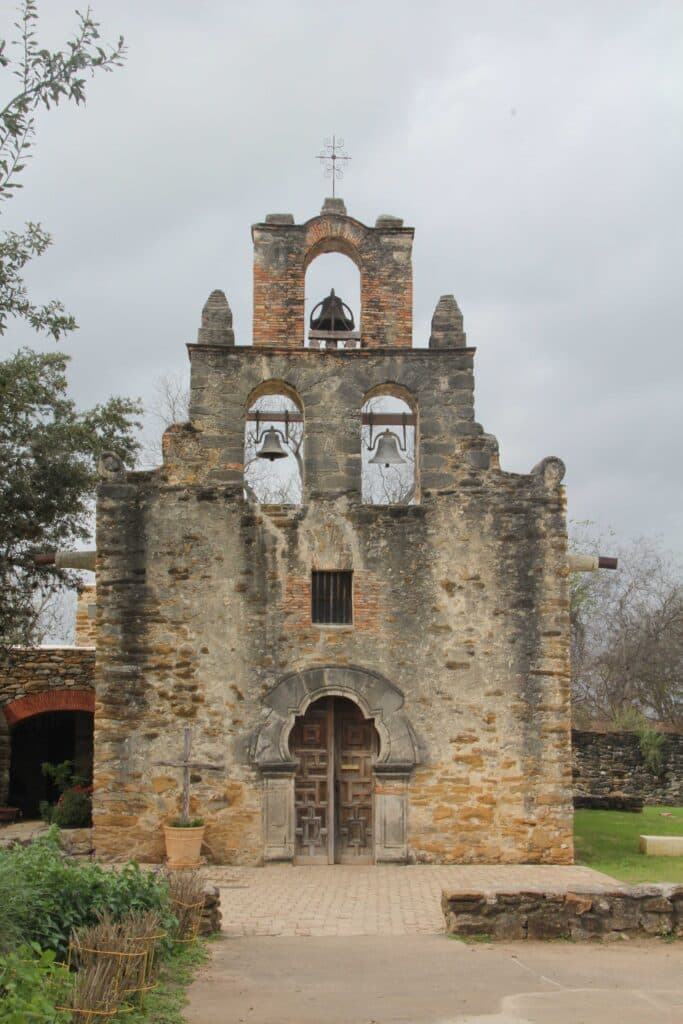
Mission Espada
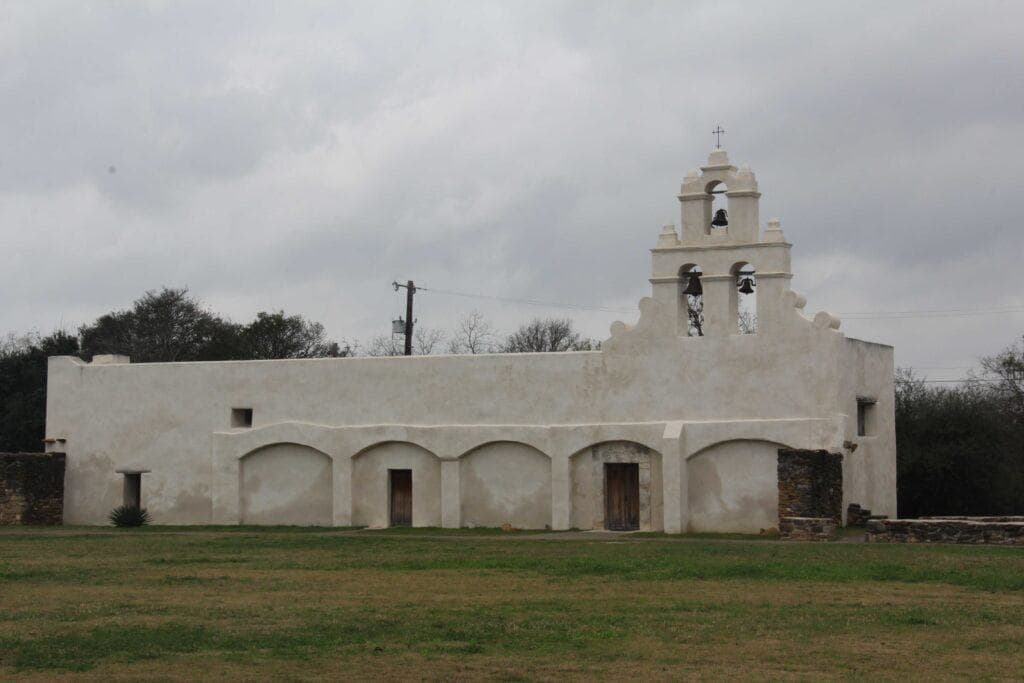
Mission San Juan
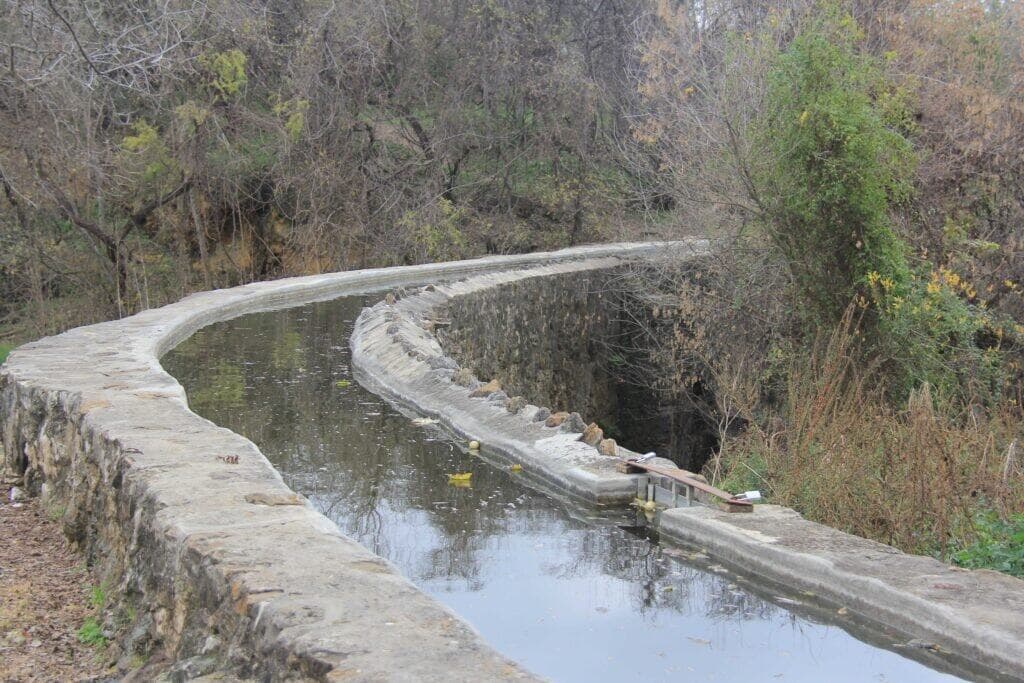
Espada Aqueduct

San Antonio Missions National Historical Park
Places to eat or drink near King William Historic District

Freetail Brewing Co.

Beethoven Maennerchor

Little Em's Oyster Bar