
San Antonio on the map
27 places from this guide. Tap a pin to open the listing.
Overview
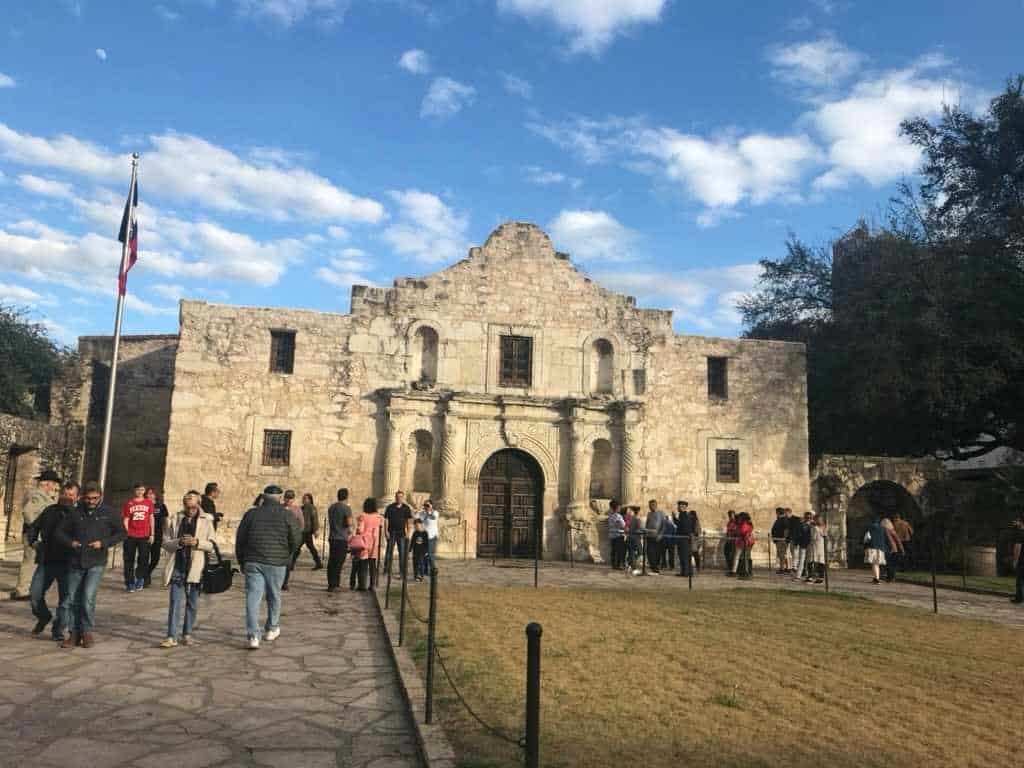
This San Antonio travel guide pulls together 27 places across the city that are worth your time, from the obvious to the overlooked. San Antonio is Texas's most historically layered city, built around a bend in the San Antonio River where Spanish missionaries, Mexican settlers, German immigrants, and Tejano families all left a mark that's still visible today. The Alamo sits at the center of the popular imagination, but the city's deeper story runs through the San Antonio Missions National Historical Park, four working Spanish colonial missions strung along the river south of downtown.
Most visitors spend their time between the River Walk, the Alamo, and a handful of museums, then wonder why three days felt rushed. San Antonio rewards slower travel. It's a car-friendly, sun-heavy city where the best experiences are often spread ten or fifteen minutes apart rather than stacked in one walkable core, which changes how you should plan a visit compared to, say, Austin or New Orleans.
When to Visit
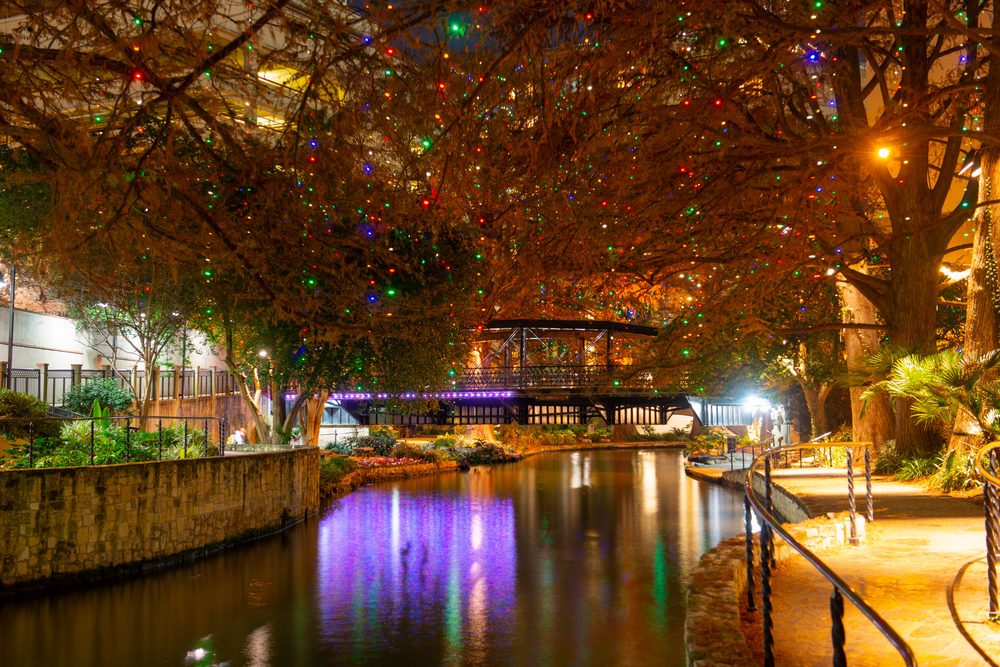
Spring, roughly March through May, is the best stretch weather-wise, with daytime highs in the 70s and 80s Fahrenheit and the Botanical Garden and Japanese Tea Garden in full bloom. This also overlaps with Fiesta San Antonio, an 11-day citywide celebration held every April that dates back to 1891, with parades, street festivals, and events that spill into nearly every neighborhood. Book hotels early if your trip lands during Fiesta, since rates climb and rooms near downtown sell out.
Summer runs hot, often well past 95°F from June through September, with humidity that makes the River Walk feel like the only comfortable outdoor option after mid-morning. Fall cools things down again by October and is arguably the most pleasant and least crowded season. Winter is mild by most standards, rarely freezing, and makes for decent museum-and-barbecue weather if you don't mind shorter days.
Where to stay
Downtown, right along the River Walk, puts you within walking distance of the Alamo, San Fernando Cathedral, and the Tower of the Americas. It's the obvious base for first-time visitors and the most convenient if you don't plan to rent a car, though it can feel touristy at night, especially near the bar-heavy stretch close to Commerce Street.
The King William Historic District, just south of downtown, is a quieter residential pocket of Victorian-era mansions built largely by German merchant families in the late 1800s. It's walkable to Southtown's restaurants and galleries and a reasonable starting point for biking or driving toward the southern missions.
The Pearl, a former brewery complex redeveloped into a dining and retail district along the river north of downtown, has become one of the city's most popular areas to stay and eat. It's anchored by a Culinary Institute of America campus, a Saturday farmers market, and a cluster of restaurants that tend to outclass what you'll find downtown.
- Downtown/River Walk: best for first-timers, walkable to the Alamo and Tower of the Americas
- King William Historic District: quieter, historic homes, close to Southtown
- The Pearl: food-focused, riverside, a short rideshare from downtown
- Southtown: arts-district energy, good base for First Friday gallery walks
How to reach the destination
San Antonio International Airport (SAT) sits about 8 miles north of downtown and handles most domestic flights along with a smaller number of international routes. The drive downtown typically takes 15 to 20 minutes outside of rush hour. Many travelers also fly into Austin-Bergstrom International Airport and drive the roughly 80 miles south on I-35, which can be worthwhile if you find a better fare or plan to split time between the two cities.
Amtrak's Texas Eagle line stops in San Antonio on its route between Chicago and Los Angeles/San Antonio, and Greyhound also serves the city if you're coming by bus from Houston, Austin, or the Rio Grande Valley. If you're driving in, I-10, I-35, and I-37 all converge near downtown, so expect some traffic funneling through the center regardless of which direction you arrive from.
Getting around the destination
Downtown San Antonio is genuinely walkable, especially the loop around the River Walk, which drops below street level and connects hotels, restaurants, and attractions like the Alamo and Market Square (El Mercado) without you ever crossing traffic. VIA Metropolitan Transit runs the city's bus network, including a downtown streetcar-style route, and it covers most major sights if you're patient with schedules.
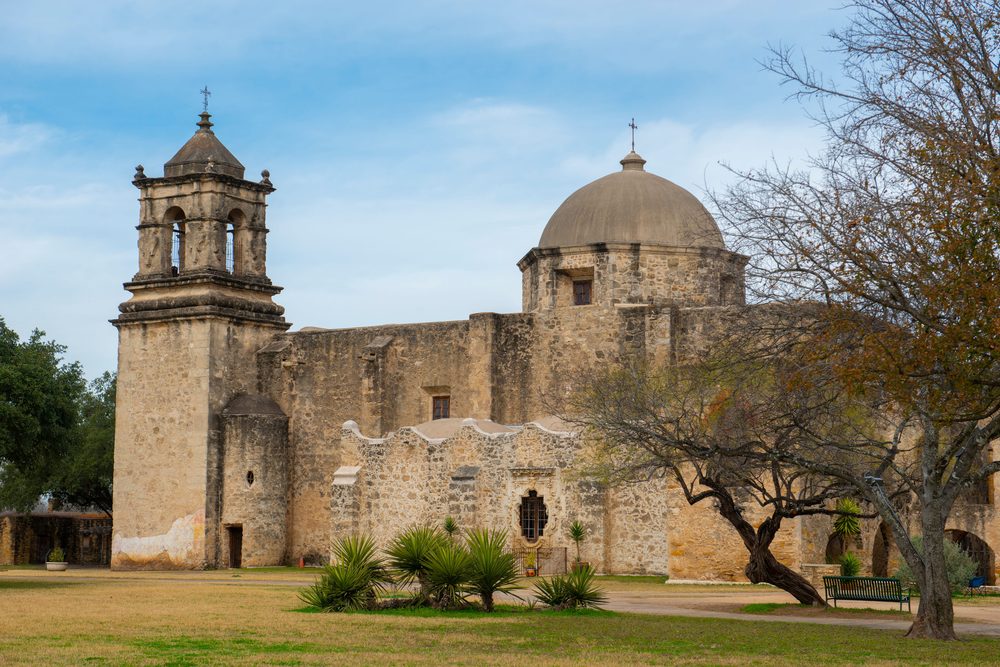
That said, a car or regular rideshare use makes a real difference once you want to see the missions, the Pearl, the McNay Art Museum, or anything outside the immediate downtown core. The four southern missions, Mission San Jose, Mission Concepción, Mission Espada, and Mission San Juan, are connected by a paved hike-and-bike trail along the river, so renting a bike for a half-day is a good way to cover all of them, including the Espada Aqueduct, a still-functioning 18th-century irrigation structure near the southernmost mission. For anything further out, like Natural Bridge Caverns northeast of the city, a car is close to essential.
Top destination travel tips
- Summer heat is no joke. Carry water, wear sun protection, and plan outdoor time at the missions or Botanical Garden for morning hours.
- Parking downtown is metered and can fill up fast during Fiesta and Spurs game days. Garages near the River Walk are more reliable than street spots.
- The River Walk floods occasionally during heavy rain, so check conditions if a storm is forecast during your visit.
- Tipping follows standard US norms: around 18 to 20 percent at sit-down restaurants and a dollar or two per drink at bars.
- Spanish is spoken widely and casually mixed into everyday conversation here, a reflection of the city's Tejano heritage, but English covers you everywhere.
- Mission grounds are still active Catholic parishes, not just historic sites, so dress and behave accordingly, especially at Mission San Jose and Mission Concepción.
- Rideshare is usually cheaper and faster than taxis for getting between the Pearl, Southtown, and downtown at night.
Typical costs in the destination
Prices in San Antonio are in US dollars and generally run lower than in Austin or Dallas. A casual meal, like breakfast tacos or a barbecue plate, falls in the budget range, while a sit-down dinner at a place like Little Em's Oyster Bar or a tasting-menu experience at Mixtli pushes into upscale or fine-dining territory.
- Budget meal (tacos, barbecue plate, food truck): inexpensive, a few dollars to around $10 to $15
- Mid-range restaurant dinner: moderate, roughly $20 to $40 per person
- Upscale or tasting-menu dining: higher, worth checking current pricing directly
- Museum admission (SAMA, Witte, McNay, Briscoe): generally budget to mid-range per ticket
- Hotel rooms downtown or at the Pearl: mid-range to upscale, with Fiesta week commanding a premium
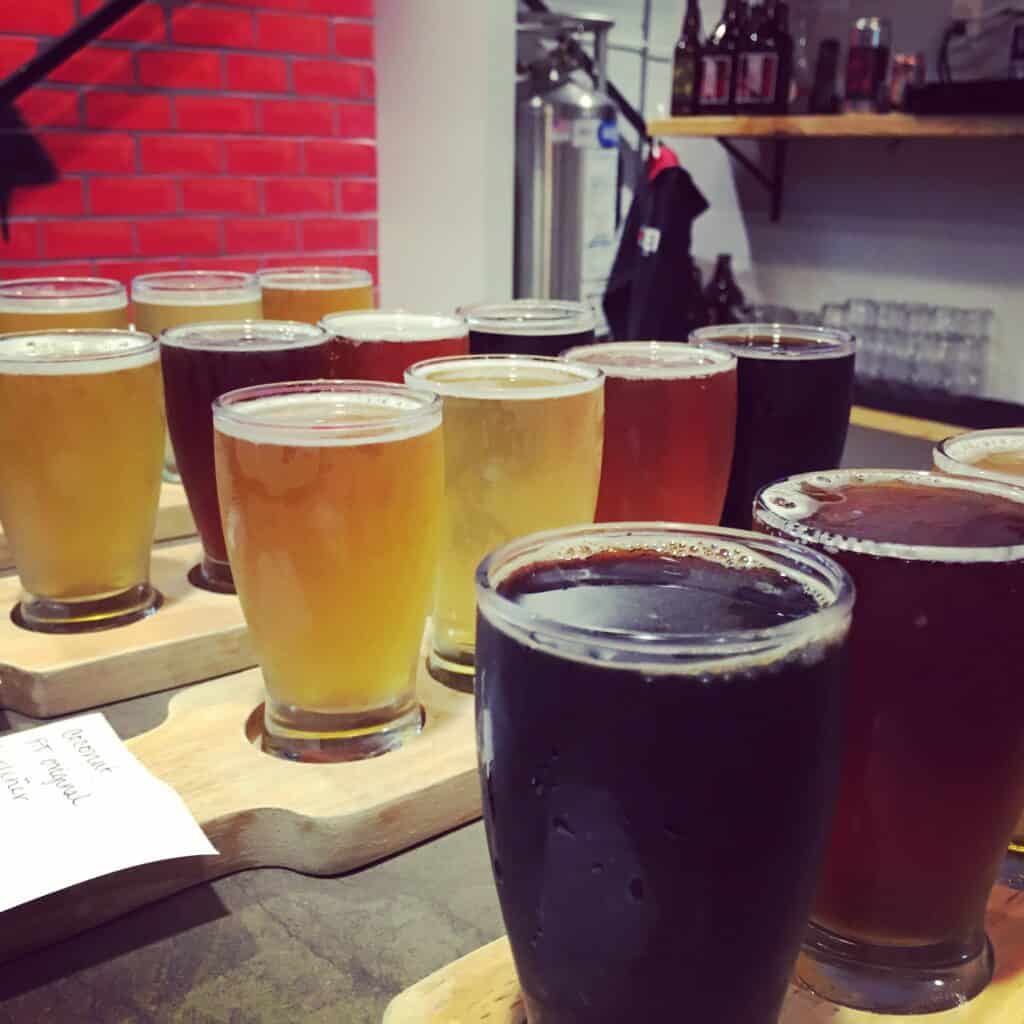
- Craft beer or cocktail at spots like Freetail Brewing Co. or the Menger Bar: mid-range
Must try food and drinks
San Antonio's food identity runs through Tex-Mex and South Texas barbecue, with a strong German undercurrent from 19th-century immigrant communities that still shows up in places like Beethoven Maennerchor, a German social club and beer hall founded in 1867.
- Puffy tacos: a San Antonio invention, a deep-fried corn tortilla shell filled with beef picadillo or chicken
- Breakfast tacos: flour or corn tortillas filled with egg, potato, bacon, or barbacoa, a morning staple across the city
- Barbacoa: slow-cooked beef cheek, traditionally a weekend-only dish, best on a tortilla with onion and cilantro
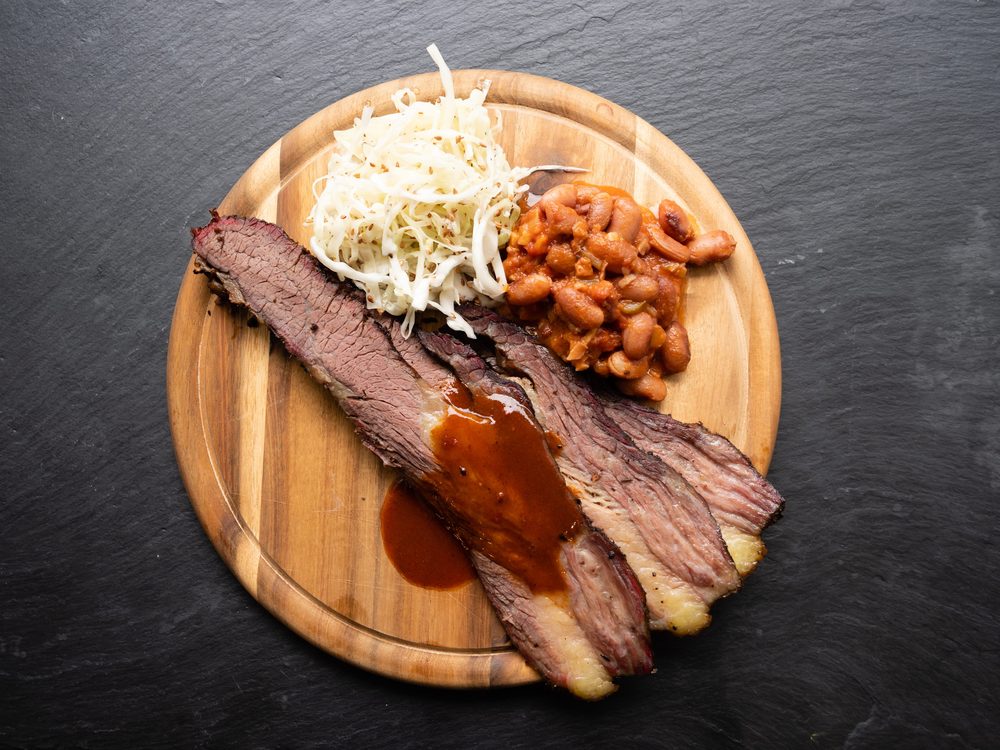
- Texas barbecue: smoked brisket and sausage, done well at local spots like Curry Boys BBQ
- Chicken fried steak: a Texas comfort-food staple, breaded and fried, smothered in cream gravy
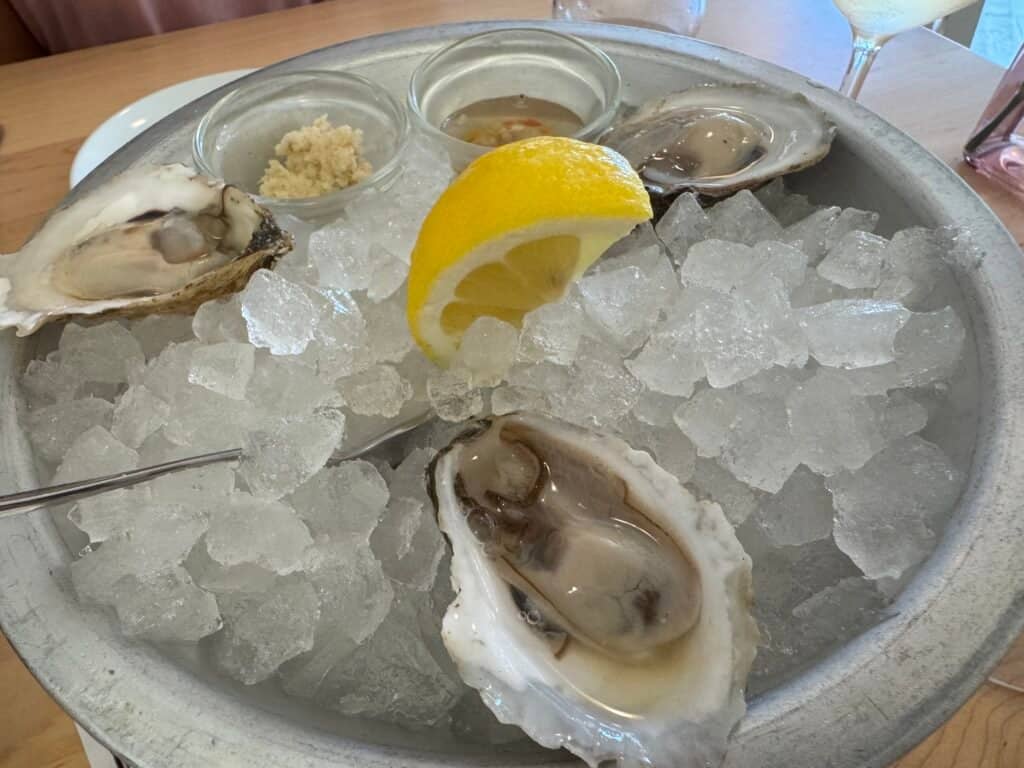
- Oysters and Gulf seafood: fresh and approachable at Little Em's Oyster Bar
- Modern Mexican tasting menus: Mixtli reworks regional Mexican dishes into a multi-course format that changes seasonally
- Craft beer: Freetail Brewing Co. is one of the city's longer-running breweries and a good stop for a casual pint
- German beer and polka: Beethoven Maennerchor keeps the city's German heritage alive with live music nights
FAQ
How many days do you need in San Antonio?
Three full days covers the essentials, including the Alamo, the River Walk, and at least two of the missions. Four or five days lets you add museums like the McNay or Witte, a day trip to Natural Bridge Caverns, and a slower pace through the Pearl and Southtown.
Is San Antonio walkable?
Downtown and the River Walk loop are walkable, and the Pearl and Southtown each work well on foot once you're there. Getting between those areas, or out to the missions and museums, generally requires a car, rideshare, or bike rather than walking.
Is San Antonio safe for tourists?
Yes, the main tourist areas, including downtown, the River Walk, and the Pearl, are well-trafficked and generally safe. Use normal city caution at night, keep valuables out of sight in parked cars, and confirm current safety guidance for any neighborhood you're less familiar with before wandering off the main routes.
What's the best time to visit San Antonio?
Spring (March to May) and fall (October to early November) offer the most comfortable weather and avoid the worst of the summer heat. If you want to catch Fiesta San Antonio, plan for April and book accommodations well ahead.
Do you need a car in San Antonio?
Not if you're staying downtown and sticking to the River Walk and nearby sights, but a car or regular rideshare budget makes the missions, the Pearl, and day trips like Natural Bridge Caverns far easier. VIA Metropolitan Transit buses reach most areas but run on a slower schedule.
Is the San Antonio Missions National Historical Park worth visiting?
Yes, it's one of the city's most distinctive experiences and a genuine UNESCO World Heritage Site. Mission San Jose has the most restored complex and visitor center, while Mission Concepción, Mission Espada, and Mission San Juan feel quieter and more intact as working neighborhood parishes.
Is English widely spoken in San Antonio?
Yes, English is the dominant language throughout the city and all tourist services operate in English. Spanish is also widely spoken, particularly in older neighborhoods and at family-run restaurants, and a little goes a long way if you want to use it, though it's never required. This San Antonio travel guide assumes English will cover you everywhere you plan to go.
Top Places to Visit in San Antonio
View allSee & DoModerate · $$ See & Do
Mission San Jose
 See & DoFree
Mission Concepción
 See & DoBudget · $
Japanese Tea Garden (San Antonio)
 See & DoFree
Mission Espada
 See & Do
Mission San Juan
 See & DoModerate · $$
Natural Bridge Caverns
 See & DoFree
Espada Aqueduct
Top Places to Eat in San Antonio
View all Eat & DrinkUltra Luxury · $$$$$
 Eat & DrinkModerate · $$
Curry Boys BBQ
 Eat & DrinkModerate · $$
Freetail Brewing Co.
 Eat & DrinkModerate · $$
Beethoven Maennerchor
 Eat & DrinkExpensive · $$$
Little Em's Oyster Bar
 Eat & DrinkBudget · $
 Eat & Drink