
Lagoa Rodrigo de Freitas
Rodrigo de Freitas Lagoon - Lagoa, Rio de Janeiro, BrazilLagoa Rodrigo de Freitas is the saltwater lagoon that sits behind Ipanema and Leblon, a flat sheet of water ringed by a seven-and-a-half kilometre path that might be the single most used piece of public space in Rio de Janeiro. It is not a beach and it is not a park in the usual sense. It is closer to a daily ritual: cariocas circle it on foot and on bikes before work, again after work, and the kiosks along the shore fill up with people eating and drinking as Corcovado lights up on the hill behind the water. For a first evening in the city, it is about as easy and as local as Rio gets.
Why Lagoa Rodrigo de Freitas matters
Rio's postcard image runs toward beaches and mountains, but a lot of actual daily life in the city's southern zone happens here, on this loop. The lagoon connects four neighborhoods — Ipanema, Leblon, Jardim Botânico, and Gávea — and functions as their shared backyard. Office workers run it in the early evening light before dinner. Families rent pedal boats on weekend afternoons. Rowing clubs tied to Rio's biggest football institutions still train on its surface most mornings, a detail that surprises visitors who associate those club names only with soccer.
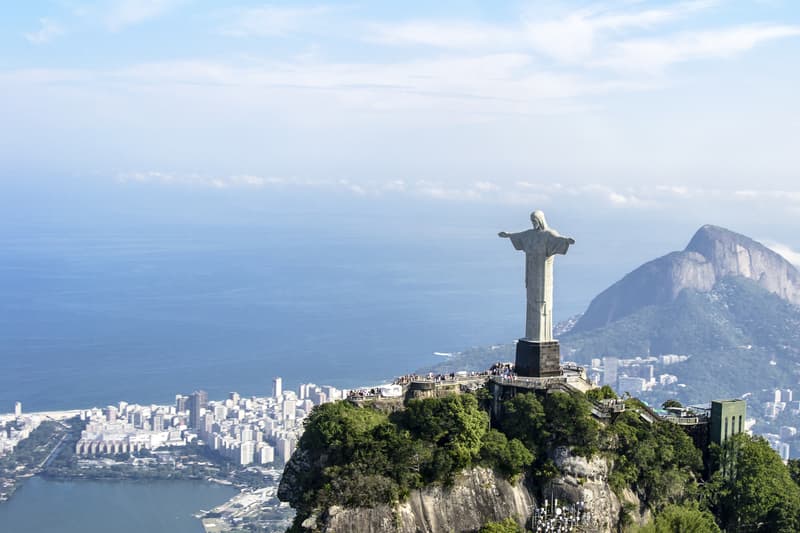
It's also one of the few places in the city where you get a long, open view of Corcovado and the Christ statue without paying for a funicular ticket or fighting a crowd. The water itself does the work of the postcard.
Quick facts
- Type: saltwater lagoon, connected to the Atlantic by a narrow canal (the Jardim de Alah canal) near Ipanema
- Path length: roughly 7.5 kilometres around the full perimeter
- Surrounding neighborhoods: Ipanema, Leblon, Jardim Botânico, Gávea, Lagoa
- Main activities: running, cycling, pedal boating, kiosk dining
- Backdrop: Corcovado mountain and the Christ the Redeemer statue, visible from much of the eastern shore
History and background
The lagoon takes its name from Rodrigo de Freitas, a Portuguese colonial treasury official who acquired the land and a sugar mill near its shores in the 18th century. The water body itself is a natural lagoon, originally larger and more marshy than what exists today, shaped over the centuries by the growth of Rio around it and by engineering work that stabilized its connection to the sea through the canal near Ipanema's southern end. That canal keeps the lagoon's water saline and tidal, which is part of why it has avoided the stagnation problems of some urban lagoons, though water quality has been an on-and-off concern for the city over the decades.
What makes the lagoon's history more than a footnote is what grew up around it in the 20th century. Rio's early rowing clubs, several tied to clubs that later became football powerhouses — Flamengo, Botafogo, Vasco da Gama, Fluminense — built boathouses along the shore, and those clubs still train crews on the water. It's an odd, quiet counterpoint to the loud stadium identity most visitors know these clubs for.
Getting there
The lagoon sits a short walk inland from both Ipanema and Leblon beaches, close enough that most visitors staying in those neighborhoods can reach it on foot in ten to fifteen minutes. The Jardim Botânico and Gávea sides are a bit further from the beach strip but easy by taxi or rideshare from anywhere in the southern zone. There's no single "entrance" since the path runs the full loop and feeds in from streets on all sides, so arrive wherever is closest to where you're staying and pick up the circuit from there.
The layout and experience
The path circling the lagoon is shared by runners, cyclists, skaters, and walkers, and it gets genuinely busy at the two daily peaks: early morning, roughly sunrise to 8am, and again from late afternoon into early evening. Outside those windows it thins out considerably. The surface is flat the entire way around, which is part of why it draws such heavy foot and bike traffic compared to Rio's hillier running routes.
Kiosks are spaced along the shore, most of them open-air with plastic chairs and a view of the water, serving coconut water and juices through the day and shifting toward full meals and beer as the sun goes down. Some have live music on weekend evenings. Pedal boats operate from a few points on the lagoon, generally in the afternoon and early evening, and are a reliable way to get kids or a date out onto the water without any planning required.
Main highlights
The view of Corcovado from the eastern and southern stretches of the path is the lagoon's signature image, especially once the statue is lit at night and the water carries a reflection of the city lights. In December, the lagoon hosts a large illuminated floating Christmas tree, a structure assembled on a barge each year that has become one of Rio's recognizable holiday landmarks and draws evening crowds to the shore for weeks.
The rowing clubhouses along the western shore are worth a glance even if you have no interest in the sport. Seeing a crew of eight pull out onto flat lagoon water at 6am, boathouse flags overhead, is a very different side of Rio's big football clubs than the stadiums suggest.
Best time to visit
Late afternoon into early evening is the move, particularly in the hour before sunset when the light flattens out over the water and the kiosks start filling with people coming off work or off the beach. This is also when the Corcovado backdrop photographs best, lit against a darkening sky. Early morning, before 8am, gives you the lagoon at its most local and least touristed, with the running and cycling crowd at full strength and the air still cool. Midday sun with little shade on most of the path makes that stretch of the day less appealing for walking the full loop.
Facilities and preparation
Bike rental points sit at several spots along the path, including stations tied to Rio's city bike-share system, so you don't need your own gear to join the cycling traffic. Kiosks handle food, drink, and bathroom access along most of the loop, though facilities thin out on the quieter western stretch near Jardim Botânico. Lighting covers the busier sections after dark, particularly near Ipanema and Leblon, and that's generally considered the safer part of the loop to be on once the sun is down. Like most open public spaces in Rio, the usual common sense applies: stick to populated, lit areas at night and keep an eye on belongings, especially around the kiosks.
Combining with nearby attractions
The Jardim Botânico, Rio's botanical garden with its avenue of imperial palms dating to the early 1800s, sits right off the lagoon's western edge and pairs naturally with a visit here, especially earlier in the day before the garden closes. Ipanema and Leblon beaches are a short walk from the eastern shore, making it easy to build a day that moves from sand to lagoon without much transit time. For anyone heading up to Corcovado itself, the lagoon is a good spot to get oriented first, since it's one of the few places in the city where you see the statue from a genuine distance rather than standing directly beneath it.
Sample visit plan
- Late afternoon: walk or rent a bike near the Ipanema side of the lagoon and do a slow loop, stopping wherever the light looks good
- Sunset: settle at one of the kiosks facing west for a drink as Corcovado lights up
- Early evening: take a pedal boat out if one of the rental points is still running, or just keep walking the loop as it empties out and cools down
- Dinner: pick a kiosk with a kitchen for a full meal, or walk the ten minutes into Ipanema or Leblon for more restaurant options
Practical tips
- The full loop is close to 7.5 kilometres, so budget around 90 minutes to walk it at an easy pace, less on a bike
- Stick to the Ipanema and Leblon sides after dark, since lighting and foot traffic are heaviest there
- Bring cash in small bills for the kiosks, since not all of them handle cards smoothly
- Weekday mornings are quieter than weekends if you want the path mostly to runners and cyclists rather than crowds
- Combine the visit with the Jardim Botânico if you're there earlier in the day, since the entrance sits right off the lagoon
FAQ
Is it safe to run or walk around the lagoon?
The lit, busy sections near Ipanema and Leblon are considered safe during the day and in the evening when they're well populated. The quieter western stretch near Jardim Botânico sees less foot traffic after dark, so most locals stick to the brighter side of the loop once the sun goes down.
Can you swim in Lagoa Rodrigo de Freitas?
Swimming isn't part of the culture here and isn't advisable. The lagoon is used for rowing, pedal boats, and the occasional sailing dinghy, not for swimming.
How long does it take to walk the full loop?
Around 90 minutes at a relaxed walking pace, closer to 30 to 40 minutes by bike, depending on how often you stop at the kiosks.
Is the lagoon worth visiting if you're only in Rio for a few days?
Yes, particularly as a first evening. It gives you beach-adjacent neighborhoods, a Corcovado view, and a slice of everyday carioca life without needing a car or a planned excursion.
Reviews
Sign in and mark this place visited to leave a review.
No reviews yet.
Free Trip Planner
Plan your Brazil trip with our free planner
Build a day-by-day itinerary with AI suggestions, hand-picked places, and friends. Free forever — no credit card.
Related reading
Things to see near Lagoa Rodrigo de Freitas

Ipanema Beach
Rocinha Favela

Square Nossa Senhora da Paz
Copacabana Beach
Places to eat or drink near Lagoa Rodrigo de Freitas

Paris 6

Tapí Tapioca e Açaí

Uruguay Tent

Adega do Cesare
More places in Rio de Janeiro

Station of Santa Teresa trams

Diamante Gastrobar

Casa Nossa Lounge
