Marfa Visitor Center
302 S Highland Ave, Marfa, TX 79843, USAMarfa Visitor Center: Your Gateway to a Desert Art Town
The Marfa Visitor Center sits at 302 S Highland Avenue in the heart of Marfa, Texas, a remote town in the Chihuahuan Desert that has become synonymous with large-scale contemporary art. This small but essential stop gives you orientation, maps, and current information about what's open and what's worth your time in this unusual destination. Marfa draws artists, architecture enthusiasts, and curious travelers from across the world, and the visitor center is where most people begin to understand why.
Why This Place Matters
Marfa is not a typical tourist town. It has no major hotels, few chain restaurants, and no obvious attractions in the conventional sense. What it does have is art, space, and a particular kind of creative energy that emerged over the past four decades. The Marfa Visitor Center exists to help you navigate this landscape without wasting time or missteps.
The center serves as a real-time information hub. Staff can tell you which galleries are open today, which artist studios accept visitors by appointment, and whether the Marfa Lights are visible tonight. They also handle questions about nearby natural attractions like Big Bend National Park, which sits roughly 40 miles south.
Quick Facts
- Address: 302 S Highland Avenue, Marfa, Texas 79843
- Located in downtown Marfa, one block from the main plaza
- Staff can provide maps, event schedules, and real-time venue information
- Free to enter and browse
- Marfa's population is under 2,000 people
- The town sits at 4,688 feet elevation in West Texas
Getting There
Marfa lies on Highway 90, roughly 190 miles southeast of El Paso and 85 miles north of the Mexican border. If you're flying in, El Paso International Airport is the nearest commercial hub, about a three-hour drive away. The drive itself is part of the experience: straight desert roads with minimal traffic and big sky views.
Once in Marfa, the visitor center is easy to find. Highland Avenue runs north-south through downtown. The building sits a short walk from the town's central plaza, where you'll find several galleries and the Marfa Brewing Company. Parking is street-side and usually available.
The Layout and Experience
The visitor center is modest in scale. You'll find racks of brochures, a small desk staffed by locals who know the town intimately, and printed materials about current exhibitions and events. The walls often display information about nearby attractions, including Big Bend and the Davis Mountains.
This is not a glossy tourist facility with videos and interactive displays. It's a straightforward information desk run by people who actually live in Marfa and can answer questions in real conversation. That directness is part of its value.
Main Highlights
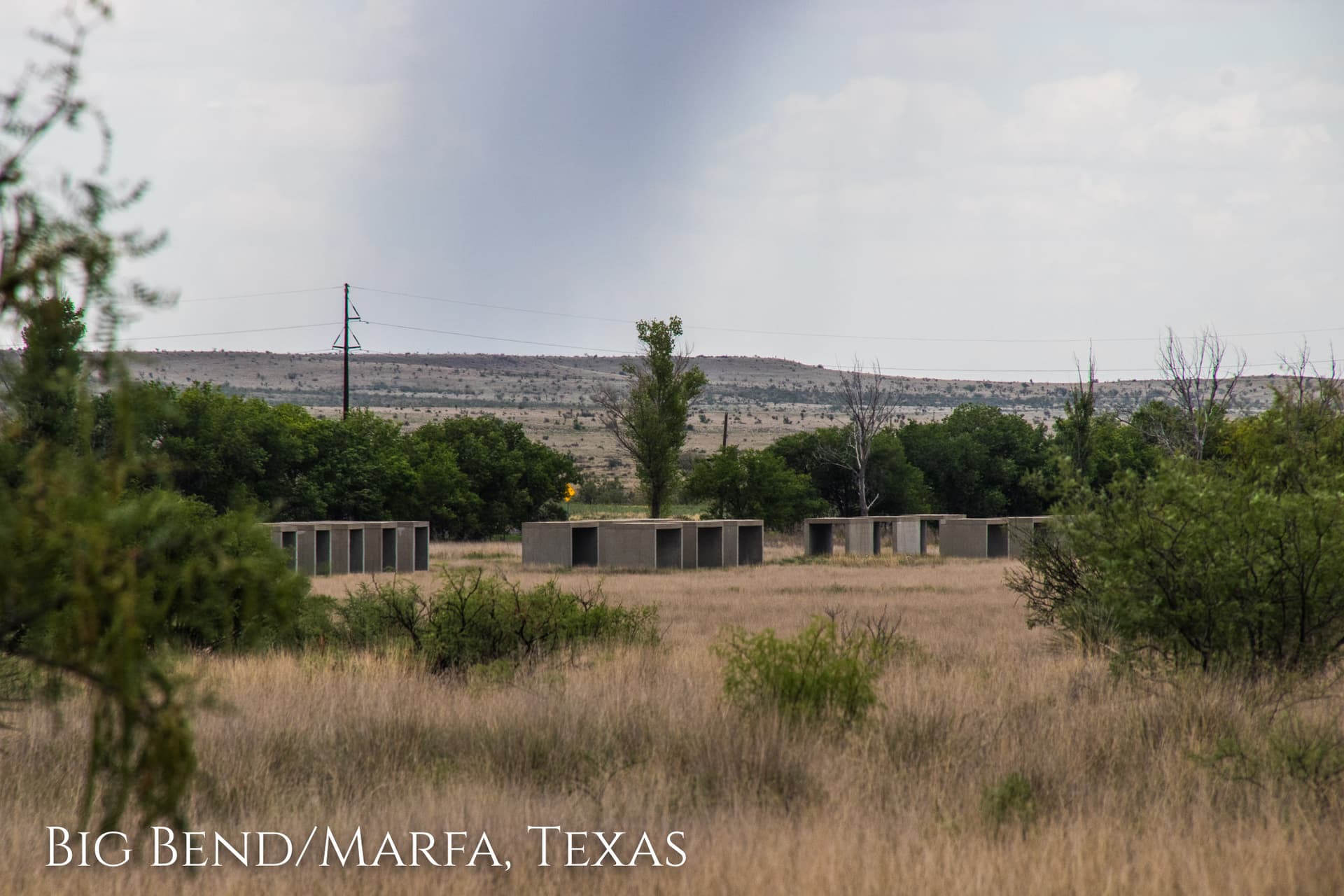
The visitor center's primary function is connecting you to Marfa's art scene. Staff can point you toward the Chinati Foundation, which occupies a former military installation on the edge of town and houses large-scale installations by Donald Judd and other contemporary artists. Visits are by guided tour only, and tours operate on a set schedule.
They can also direct you to the Marfa Contemporary, which shows rotating exhibitions in a downtown location, and to artist studios that occasionally open to visitors. Many of these studios operate by appointment, and the staff at the visitor center can help you understand which artists welcome drop-ins and which require advance notice.
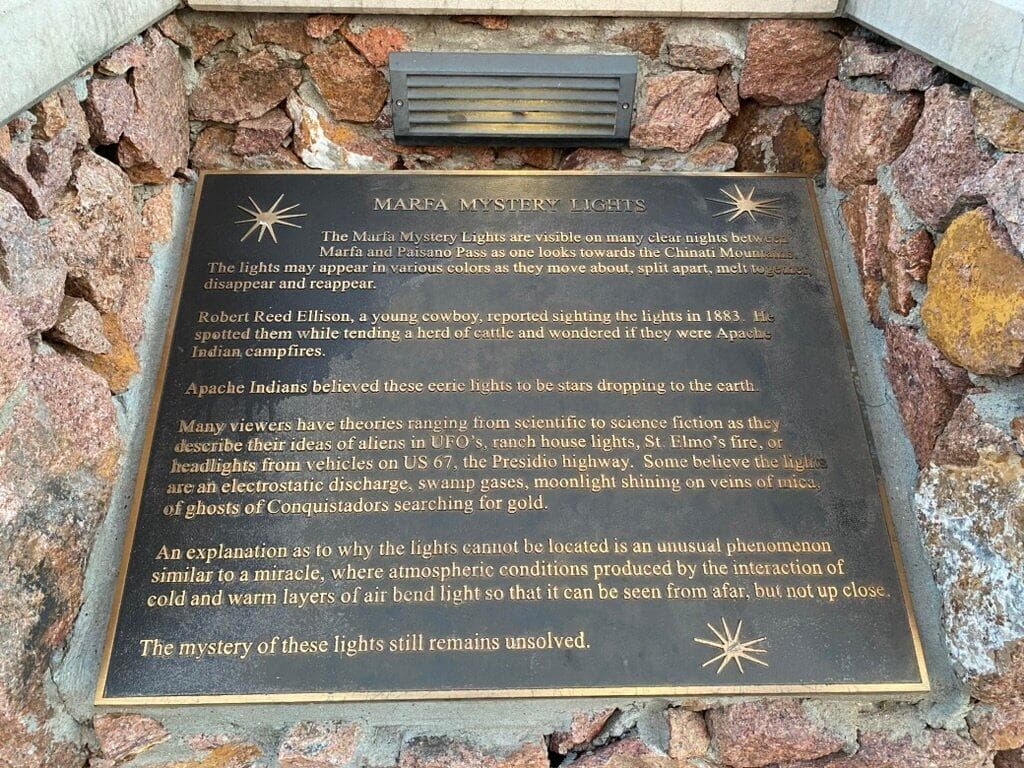
Information about the Marfa Lights is also available here. This unexplained phenomenon appears in the desert east of town, and the visitor center can tell you about the observation point and the best times to look for unusual activity.
History and Background
Marfa was founded in 1882 as a railroad town and water stop along the Southern Pacific line. It remained a small ranching and agricultural community for most of its history. The transformation began in the 1970s when artist Donald Judd moved to Marfa and began creating large-scale installations in the surrounding landscape. His work attracted other artists and eventually established Marfa as a destination for contemporary art.
The Chinati Foundation was formally established in 1986 to preserve Judd's vision and expand the town's role as an art center. The Marfa Contemporary opened more recently, in 2005. Today the town is known worldwide among art collectors and enthusiasts, though it remains physically isolated and deliberately low-key about its international reputation.
Tickets and Entry
The visitor center itself is free to enter. Information and maps are available without charge. The venues and exhibitions that the center directs you toward each have their own ticketing. The Chinati Foundation charges a general admission fee for guided tours, which are the only way to visit most of the property. The Marfa Contemporary operates on a suggested donation basis. Many galleries in downtown Marfa are free to browse during open hours.
Best Time to Visit
Marfa is most comfortable from October through April, when desert temperatures are mild. Summer temperatures regularly exceed 95 degrees, and the town offers limited air-conditioned shelter. Winter nights can drop below freezing, but daytime temperatures remain pleasant.
Spring and fall are ideal. The town is busier during these seasons, but Marfa never feels crowded by typical tourist standards. If you prefer solitude, winter weekdays tend to be quieter.
The visitor center can tell you about any special events or exhibitions opening during your visit. These sometimes drive increased foot traffic, but they also give you a reason to return to town.
Facilities and Preparation
Marfa has no chain hotels. Accommodations consist of small inns, bed-and-breakfasts, and rental homes. The visitor center staff can recommend options appropriate to your budget. Restaurants are limited in number and tend to keep irregular hours, so asking for current recommendations is worthwhile.
Cell service in Marfa is spotty but usually adequate in downtown. Internet connectivity is reliable. The town has a grocery store, a pharmacy, and a gas station, but don't assume everything will be open at the time you need it.
If you're planning to visit Big Bend National Park, bring plenty of water and fill your gas tank before leaving Marfa. Services in the park are minimal.
How It Compares to Similar Places
Unlike visitor centers in major cities, the Marfa Visitor Center doesn't offer exhibits or entertainment of its own. It's purely informational. If you're accustomed to elaborate visitor centers with theaters and gift shops, this will feel refreshingly spare. That simplicity reflects Marfa's actual character.
The center is more useful than typical highway information booths because the staff has deep local knowledge and genuine expertise about the art venues. They can answer questions that a generic tourism database couldn't address.
Combining with Nearby Attractions
Big Bend National Park is the major natural attraction in the region. It's roughly 40 miles south and worth dedicating a full day or more. The visitor center can provide information about the park and suggest approaches based on your interests and available time.
The Davis Mountains lie to the north, about an hour's drive away, and offer hiking, scenic drives, and the McDonald Observatory. The visitor center staff can point you toward current information about these areas as well.
Within Marfa itself, you might spend an afternoon browsing galleries, visiting the Chinati Foundation, and eating at local restaurants. A visit can be as brief as a few hours or as long as several days, depending on your interest in contemporary art and desert landscapes.
Sample Visit Plan
Start your visit at the Marfa Visitor Center when you arrive in town. Spend 15 to 20 minutes getting oriented, picking up maps, and asking staff which galleries are open today. Ask about any guided tours at the Chinati Foundation and whether advance registration is still needed.
From there, walk the downtown galleries and artist spaces. Most are within a few blocks. Stop for lunch at a local restaurant. In the afternoon, if you have time and interest, take a guided tour at the Chinati Foundation. If you're staying overnight, consider heading to the Marfa Lights observation point at sunset to see if the phenomenon appears.
Practical Tips
- Visit the center first thing after you arrive in Marfa. Staff can save you hours of wandering by answering specific questions.
- Ask about current gallery hours before making the walk. Some galleries keep limited schedules or close unexpectedly.
- Bring sunscreen and a hat. The desert sun is intense, and shade is sparse in downtown Marfa.
- If you're interested in artist studios, ask the visitor center staff which ones are open to walk-ins and which require appointments.
- Download a map or take photos of the map provided. Cell service is unreliable in some parts of town.
- Ask about the best current viewing time for the Marfa Lights. The observation point is several miles from downtown and requires a car.
FAQ
What should I budget for a day trip to Marfa? The visitor center is free. Gallery visits are free or donation-based. A meal costs mid-range. The Chinati Foundation guided tour requires a general admission ticket. Budget accordingly based on whether you visit the foundation and how many meals you eat in town.
Can I visit the Chinati Foundation without a guided tour? No. Visits to most of the Chinati Foundation property are by guided tour only. Tours operate on a set schedule, and advance registration may be required during busy periods. The visitor center can provide current information.
Is Marfa worth visiting if I'm not interested in contemporary art? Marfa's primary draw is art and the creative community. If art doesn't appeal to you, the town's appeal diminishes significantly. However, the desert landscape and proximity to Big Bend National Park offer reasons to visit regardless.
How much time should I spend in Marfa? A few hours is enough to walk galleries and get a sense of the town. A full day allows for a Chinati Foundation tour and lunch. Many visitors stay overnight to fully experience the place and visit Big Bend.
Reviews
Sign in and mark this place visited to leave a review.
No reviews yet.
Free Trip Planner
Plan your Marfa trip with our free planner
Build a day-by-day itinerary with AI suggestions, hand-picked places, and friends. Free forever — no credit card.