Posted by Brandon B.Admin
Masa: New York's Most Ambitious Sushi Counter
Masa sits on the fourth floor of the Time Warner Center at 10 Columbus Circle, tucked inside a building that also houses a shopping mall and several other high-profile restaurants. That contrast is part of the experience. You ride an elevator, step into a hushed corridor, and suddenly the city disappears. Whatever you expected from a sushi restaurant, Masa will probably recalibrate it.
Chef Masa Takayama opened this New York outpost in 2004, bringing with him a philosophy rooted in the Japanese omakase tradition, where the chef decides everything and the diner simply arrives. Since then, it has held a reputation as one of the most serious Japanese restaurants in the Western Hemisphere.
Why Masa Stands Out
The restaurant currently holds three Michelin stars, a distinction it has maintained for years. That alone would make it notable. But what separates Masa from other starred restaurants is the degree of control Takayama exercises over the entire supply chain. Fish is sourced with uncommon specificity. Some ingredients are flown in from Japan. The hinoki cypress wood counter, which seats only a small number of guests at a time, is the physical center of the experience, and proximity to it matters.
This is not a place you visit for a dish. You visit for a point of view.
What the Kitchen Is Known For
Masa operates on an omakase format, meaning there is no menu to order from. The kitchen decides what you eat based on what is best that day. The progression typically moves through raw preparations before arriving at cooked courses, though the structure can shift depending on the season and the chef's intent.
The restaurant has built a reputation around its toro, the fatty tuna that appears in multiple preparations across a meal. Truffle shavings over rice is another element the kitchen has long been associated with, often surfacing in reviews and guest accounts as a defining moment. The rice itself, seasoned with aged red vinegar rather than the more common white, is something regulars tend to mention specifically. Uni, the sea urchin served at its most pristine, often features prominently depending on what is available.
Because everything is omakase, what arrives at the counter on any given night reflects the market and Takayama's discretion. Repeat visitors frequently note that no two meals are quite the same.
Atmosphere and Setting
The room is deliberately spare. Warm wood, low light, very little decoration. The hinoki counter is the focal point, and the sushi chef works directly in front of seated guests, which creates a kind of theater that never feels theatrical. Conversations at the counter tend to stay quiet. The dining room beyond the counter exists, but the counter seats are where the experience is most direct.
Capacity is intentionally limited. This is not a restaurant designed to turn tables quickly or seat large parties.
Service and Experience
Service at Masa tends toward attentive and formal without being stiff. The staff knows the sourcing behind most ingredients and can speak to it if you ask. Sake and wine pairings are available and handled thoughtfully. The overall pace of a meal here runs long, often several hours, so arriving with somewhere to be afterward is not advised.
The experience is designed to be immersive. Phones are best left in a pocket.
Reservations and Waits
Reservations are essential and should be made well in advance. The restaurant books out weeks ahead, sometimes longer during peak periods. Walk-ins are not a realistic option. The simplest approach is to book directly through the restaurant's official reservations channel as soon as your travel dates are confirmed.
Counter seats and dining room seats offer slightly different experiences. If you have a preference, it is worth specifying when you book, though availability at the counter is naturally more limited given the smaller number of spots.
Price Tier
Masa is fine dining at the most serious end of that category. The omakase price is among the highest of any restaurant in New York, and that is before beverages, tax, or gratuity. This is a special-occasion restaurant by almost any standard, and it is worth going in with clear expectations about what the total will look like. There are no surprises in the food, but the bill can feel like one if you have not done the math.
Good to Know Before You Go
- The restaurant is on the fourth floor of the Time Warner Center at Columbus Circle, accessible by elevator from the main lobby.
- A dress code is in effect. Smart, refined attire is expected. Casual clothing is not appropriate here.
- The full omakase is the only format. There is no à la carte option.
- Dietary restrictions can sometimes be accommodated, but this is an omakase kitchen built around seafood, particularly fish. Significant restrictions may limit the experience substantially. Contact the restaurant in advance to discuss.
- Meals run long. Plan for a minimum of two to three hours.
- The Time Warner Center has a parking garage below, and Columbus Circle is accessible by the A, C, B, D, and 1 subway lines, about a two-minute walk from the station exit.
Neighborhood and Location Context
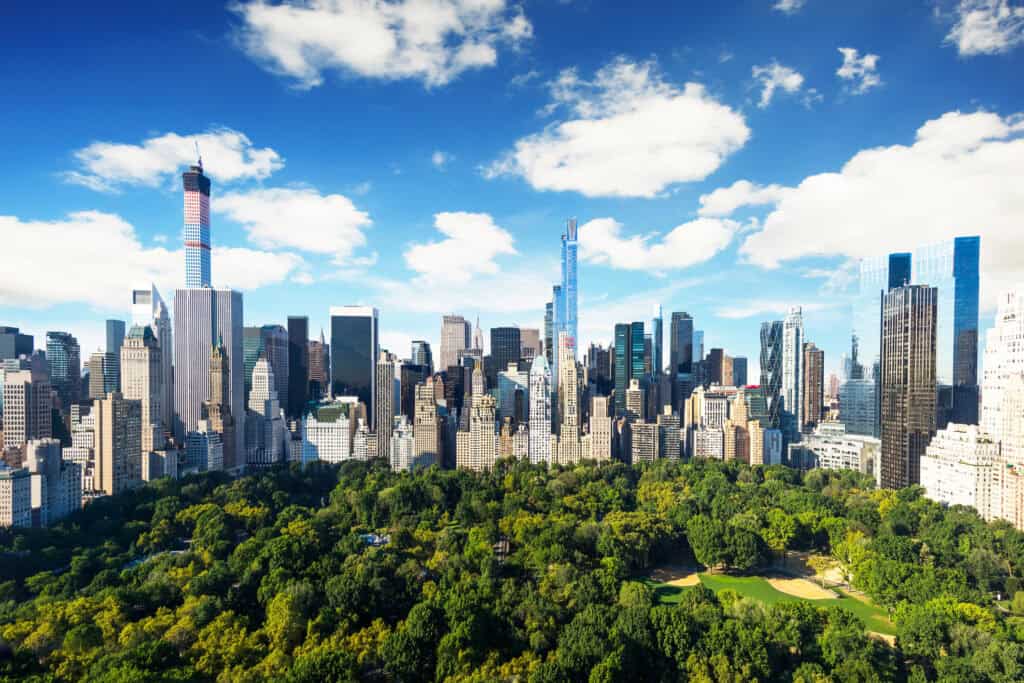
Columbus Circle puts you at the southwest corner of Central Park, about a ten-minute walk from Lincoln Center and a short cab or subway ride from Midtown hotels. The Time Warner Center itself contains other well-regarded restaurants if you are planning a longer evening in the area, though most visitors treat a night at Masa as a standalone event.
Who This Is For
Masa is for the diner who wants to understand what Japanese omakase can be at its most considered and uncompromising. It rewards people who are genuinely curious about ingredients and technique, and it asks you to surrender the menu entirely and trust the kitchen. If you want choices, this is not your restaurant. If you want a meal that people in New York have been talking about since 2004, this is exactly it.
FAQ
Do I need to speak Japanese?
No. The staff communicates fluently in English and will guide you through the meal without any language barrier.
Can I visit Masa for lunch?
Masa has historically offered both lunch and dinner service, though service hours can change. Check directly with the restaurant when booking to confirm current availability.
Is there a bar or lounge area?
There is a lounge area associated with the restaurant where you can wait before being seated, and where drinks are available. It is a reasonable place to arrive a few minutes early and settle in.
What is the cancellation policy?
Given the price point and limited seating, Masa enforces a strict cancellation policy. Review the terms carefully when you make your reservation.
Reviews
Sign in and mark this place visited to leave a review.
No reviews yet.
Free Trip Planner
Plan your New York trip with our free planner
Build a day-by-day itinerary with AI suggestions, hand-picked places, and friends. Free forever — no credit card.
Things to see near Masa

Places to eat or drink near Masa

Nathan’s Famous Hotdogs

Totonno's

Randazzo’s Clam Bar