
Mezcal Tobalá
Open now
Mezcal Tobalá in Oaxaca de Juárez
Mezcal Tobalá sits on 20 de Noviembre in the heart of Oaxaca's Centro district, a neighborhood where mezcal culture isn't a tourist attraction but a daily practice. This is a working liquor store where locals buy bottles for celebrations, family gatherings, and quiet afternoons. You'll find it among narrow colonial streets, a ten-minute walk from the Zócalo, where the air smells of roasted agave and street food. What makes it matter is that it gives you access to the thing Oaxaca is known for: real mezcal, not the bottles marketed to travelers.
Why this place matters
Mezcal isn't just a drink in Oaxaca. It's tied to indigenous production methods that have survived for centuries, to specific families and villages, to ritual and economy. A shop like Mezcal Tobalá doesn't exist to explain this to you. It exists because people here drink mezcal regularly, and they need somewhere to buy it. That directness is valuable. You're not paying for atmosphere or a story written on a chalkboard. You're buying from a source that serves the local market first.
The range you'll see tells you something about regional production. Oaxaca produces around 90 percent of Mexico's mezcal, and much of it never reaches export channels. Small-batch bottlings, single-palenque expressions, and agave varieties like tobalá (the namesake of this shop) stay local or move through word-of-mouth networks. A bottle you find here might not exist in other states.
Quick facts
- Address: 20 de Noviembre 606, Centro, Oaxaca de Juárez
- Location: Ten-minute walk from the Zócalo in the historic Centro
- Type: Independent liquor shop specializing in mezcal
- Best for: Sourcing bottles to take home or for immediate consumption
- Neighborhood: Centro, Oaxaca's oldest district with colonial architecture
Getting there
If you're staying near the Zócalo, walk south and east through the narrow streets of Centro. The street grid is irregular, but 20 de Noviembre runs clearly through the neighborhood. You'll pass small restaurants, hardware shops, and other family-run businesses. There's no meter parking nearby, but you can usually find street parking within a block or two if you're driving.
Oaxaca's Centro is walkable and flat. Most visitors find it easier to navigate on foot than to drive. The shop is not in a major tourist corridor, which is exactly the point.
The layout and experience
Mezcal Tobalá is a modest storefront. You enter to find bottles lining shelves, organized without fanfare. The selection focuses on mezcal and other traditional spirits. The staff speaks Spanish; English is less common here than in tourist-focused shops, but that's not a barrier if you're pointing or asking simple questions.
This isn't a tasting bar. You're buying bottles, not samples. If you want to taste mezcal before committing to a purchase, this isn't the place. If you want to understand what's available locally and take something home, it works perfectly.
The experience is transactional in the best sense. You come with a purpose, browse, ask questions if you want, and leave with something real. No upselling, no ambiance design, no Instagram backdrop.
Main highlights
The range of agave varieties is the main draw. Tobalá is one of the wild or semi-cultivated agaves used in mezcal production, known for producing smaller, more delicate spirits. You might also find bottles made from espadin (the most common agave for mezcal), cuishe, and other regional varieties. Each has different flavor profiles and production histories.
Single-palenque bottlings are common in shops like this. A palenque is a small distillery, often family-run. A bottle from a specific palenque carries information about production methods, location, and the people who made it. You're not buying a brand; you're buying from a source.
Prices tend to be lower than tourist-oriented mezcal bars because there's no markup for atmosphere or service. A quality mezcal here might cost half what you'd pay for the same bottle in a tourist district.
History and background
Mezcal production in Oaxaca traces back to the 16th century, when Spanish colonizers introduced distillation to indigenous communities already fermenting agave. The practice merged indigenous and European techniques. By the colonial period, mezcal was established as a regional product, though it remained largely local for centuries.
The denomination of origin for mezcal wasn't established until 1994, which formalized production standards and protected the name. Before that, mezcal was made and consumed without regulatory framework, following family traditions and regional customs. Much of the production in Oaxaca still follows those older patterns, especially in small palenques.
Tobalá specifically is a wild agave that grows at higher elevations in Oaxaca's mountains. It takes longer to mature than espadin and produces smaller yields, which is why mezcal made from it commands higher prices. The agave was traditionally used in ritual contexts before becoming a commercial product.
Tickets and entry
There's no entry fee. It's a shop. You walk in and browse. Purchasing is optional.
Best time to visit
Weekday mornings tend to be quieter. You'll have more space to look around and potentially more time to chat with staff if you have questions. Afternoons and evenings see more foot traffic. The shop is closed on Sundays, like many local businesses in Oaxaca's Centro.
There's no seasonal variation in what's available. Mezcal is produced year-round, and shops maintain inventory throughout the year. If you're looking for a specific bottling, calling ahead (if you speak Spanish) is more reliable than hoping it's in stock.
Photography tips
The shop interior is lit by natural light from the street and interior fixtures. If you're photographing bottles, midday or early afternoon tends to work well. The colonial storefront and street context are more photogenic than the interior shelves.
Ask before photographing. It's a working shop, not a tourist destination, and staff may prefer you didn't document the space for social media.
Facilities and preparation
There are no restrooms or seating. It's a liquor shop, not a bar or lounge. If you need to use a facility, nearby restaurants and cafés on 20 de Noviembre can accommodate you.
Bring cash or a card. Most shops in Oaxaca's Centro accept both, but cash is safer if you're unfamiliar with payment systems.
How it compares to similar places
Oaxaca has many mezcal shops. Some cater to tourists with tastings and curated selections. Others, like Mezcal Tobalá, serve the local market. The difference is in pricing, selection philosophy, and atmosphere. Tourist shops often carry well-known brands and limited-edition bottles marketed internationally. Local shops carry what regional producers make, often without export ambitions.
If you want education and samples, visit a mezcal bar or tasting room in the tourist zones. If you want to buy what locals drink, a shop like this is your source.
Combining with nearby attractions
The Zócalo is a ten-minute walk north. The Cathedral of Oaxaca faces the Zócalo and is worth visiting for its baroque facade and interior. The Museo Textil de Oaxaca is a few blocks away and showcases traditional weaving. The Central de Abastos market is a twenty-minute walk south and is the largest food and craft market in the region.
If you're exploring Centro on foot, you'll naturally pass the shop while moving between other neighborhoods. It fits easily into a morning or afternoon of walking and browsing.
Sample visit plan
Start at the Zócalo early in the morning to avoid crowds. Walk south and east into Centro, stopping at small restaurants or cafés for breakfast or coffee. Continue to Mezcal Tobalá around mid-morning. Spend 20 to 30 minutes browsing and talking to staff. If you purchase, you have a bottle to take back to your accommodation or to a restaurant for an evening meal. Continue your walk to the Central de Abastos if you're interested in food and crafts, or return to the Zócalo area for lunch.
Practical tips
- Bring small bills or use a card. Mezcal bottles are expensive, and staff may not have change for large notes.
- Ask about the palenque or producer if you're curious. A brief conversation often reveals useful information about production methods and flavor profiles.
- Don't expect English. Learning a few Spanish phrases helps, especially "¿De dónde es este mezcal?" (Where is this mezcal from?).
- If you're buying to take home internationally, check customs regulations for your destination. Mezcal is legal to transport but quantity limits vary by country.
- Visit on a weekday if you prefer a quieter browsing experience.
- The shop is closed Sundays, so plan accordingly if that's part of your itinerary.
FAQ
Is Mezcal Tobalá a bar where I can drink? No, it's a liquor shop. You buy bottles to take away. If you want to drink mezcal on the premises, visit a mezcal bar or cantina in the tourist areas of Oaxaca.
Do I need to speak Spanish to shop here? It helps, but not required. Pointing at bottles and using numbers for prices works fine. Staff are accustomed to locals from Oaxaca and may not speak English, but they're patient with visitors.
What's the difference between mezcal and tequila? Both are agave spirits made in Mexico, but mezcal can be made from dozens of agave varieties across multiple states, while tequila is made specifically from blue agave in a designated region. Mezcal production methods are often more traditional and small-scale.
Can I visit just to look, without buying? Yes. It's a shop, and browsing is normal. No pressure to purchase.
How much should I expect to spend? Mezcal prices vary widely depending on agave type, producer, and age. Budget-friendly bottles start at a lower price point, while single-palenque or aged expressions cost significantly more. Prices here tend to be lower than in tourist areas.
Opening hours
Reviews
Sign in and mark this place visited to leave a review.
No reviews yet.
Free Trip Planner
Plan your Oaxaca City trip with our free planner
Build a day-by-day itinerary with AI suggestions, hand-picked places, and friends. Free forever — no credit card.
Things to see near Mezcal Tobalá

Zona Arqueológica de Mitla

Teotitlán del Valle
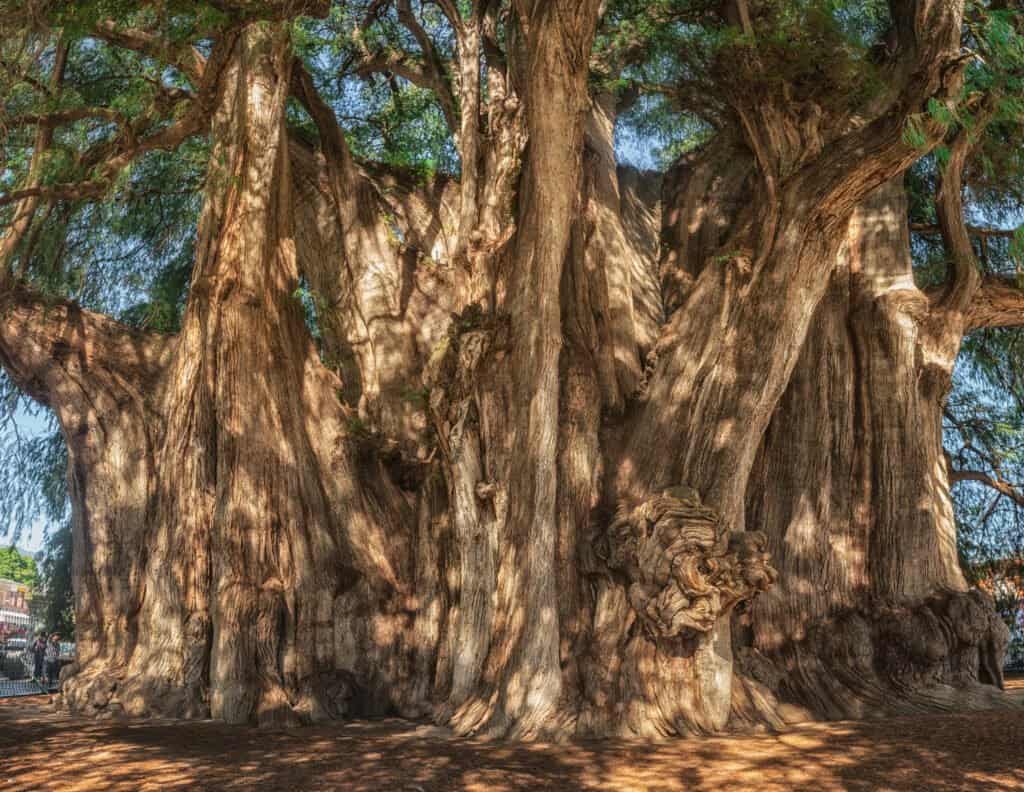
Tree of Tule
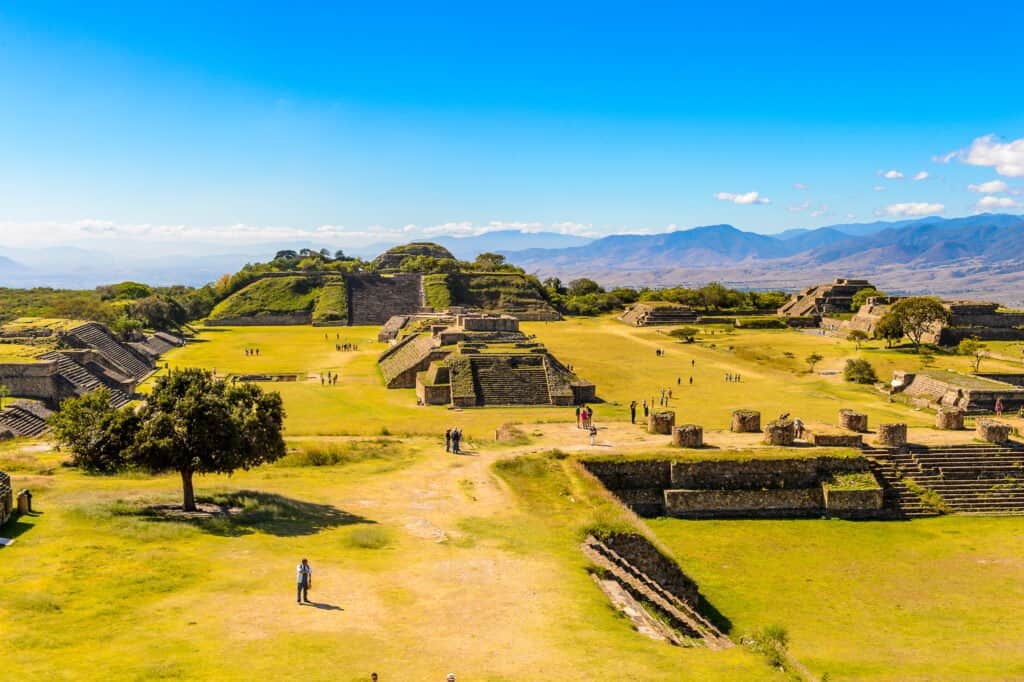
Zona Arqueologica de Monte Alban
Places to eat or drink near Mezcal Tobalá

Palenque Gracias a Dios Mezcal

Alfonsina

Mezcal El Rey de Matatlán

El Milenario
More places in Oaxaca City

Andador de Macedonia de Alacala

CRUDO

Lechoncito de Oro
