
Museo Larco
Museo Larco
169 (frente al Parque Larco PE, Ingreso por la, Av. Simón Bolívar 1515, Pueblo Libre 21, PeruMuseo Larco sits in Pueblo Libre, a quiet residential district about 15 minutes by taxi from Miraflores, and it has a strong claim to being the finest pre-Columbian museum in South America. The building itself is reason enough to go: an 18th-century Spanish colonial mansion built directly over a 7th-century pre-Columbian pyramid. That layering, one civilization resting on top of another, sets the tone for everything you see inside. The collection spans roughly 5,000 years of Peruvian civilizations, from early coastal cultures through the Moche, Chimú, and Inca periods. What separates Museo Larco from a standard national museum is density. You are not looking at a representative sample of pre-Columbian Peru. You are looking at objects the Larco family spent decades pulling from private collections and excavation sites around the country.
Why Museo Larco Matters
Lima has several museums devoted to ancient Peru, but Museo Larco operates on a different model. It is privately funded, and that shows in ways both subtle and obvious. The galleries are well-lit and labeled in Spanish and English without feeling over-explained. There is no sense of an underfunded state institution stretching a small budget across too many rooms. The experience feels closer to visiting a serious European private collection than a government museum, and that comparison is deliberate on the part of the people who run it.
The museum's real distinction, though, is the open reserve collection. Most museums keep the bulk of their holdings in storage, visible only to researchers. Museo Larco put its storage rooms on public display, which changes the entire character of a visit. You are not just seeing curated highlights. You are seeing the raw scale of what Peru's ancient cultures produced.
History and Background
Rafael Larco Hoyle founded the museum in 1926, after inheriting a large ceramics collection assembled by his father, Rafael Larco Herrera. The younger Larco turned what began as a family collection into a serious scholarly project, publishing research on Moche iconography that archaeologists still cite today. In 1958 he bought the colonial mansion on Avenida Bolívar and moved the entire collection there, where it has stayed ever since. The Larco family eventually donated the museum to a private foundation, which continues to operate it. That continuity, from a single collector's obsession to an institution with a clear scholarly identity, is part of why the place feels so coherent compared to museums assembled from disparate donations over time.
Quick Facts
- Location: Avenida Simón Bolívar 1515, Pueblo Libre, facing Parque Larco
- Collection scope: roughly 5,000 years of Peruvian pre-Columbian cultures
- Building: an 18th-century colonial mansion constructed over a 7th-century pyramid
- Founded: 1926, by Rafael Larco Hoyle
- Operator: a private foundation, following the Larco family's donation of the collection
- Open seven days a week, with evening hours that make it workable on a tight schedule
The Layout and Experience
You enter through a garden courtyard planted with cacti and desert flowers native to Peru's coast, a planting choice that makes sense once you remember how arid Lima actually is despite its grey skies. The café and restaurant face this garden, and if you arrive mid-morning you'll often find tables already filling with people who meant to stop for a quick coffee and decided to stay.
The main galleries occupy several interconnected rooms across the ground floor and upper level of the mansion. The path is roughly chronological, moving through Peru's major pre-Columbian cultures in sequence, but the layout is forgiving enough that you can backtrack without losing your place. Labeling strikes a good balance: thorough, but not exhausting. Many object cards explain not just what something is, but how archaeologists and art historians figured that out, which is a nice touch for anyone curious about the research side of the field.
The basement is where the museum does something genuinely unusual. Instead of locking the reserve collection away, Museo Larco opened it to visitors. Thousands of ceramic vessels sit on open shelves, arranged by culture and type, no cases, no velvet ropes. Walking through feels less like a museum exhibit and more like browsing an archive. It is one of the more memorable things you can do inside any museum in Lima, and it is worth building extra time into your visit specifically for this room.
A separate gallery houses the museum's well-known erotic ceramics, produced by Moche artisans. The museum doesn't sensationalize the collection or tuck it away apologetically. The room is small, the interpretive text is serious, and it treats the objects as the ritual and cosmological artifacts they were, which makes the gallery more illuminating than shocking.
Main Highlights
- The open-access reserve collection in the basement, with tens of thousands of ceramics on open shelves
- Moche portrait vessels, among the most sophisticated ceramic portraiture produced anywhere in the ancient world
- A dedicated gold and silver gallery with strong contextual notes on metalworking techniques
- The erotic ceramics gallery, small but carefully curated, with context on Moche cosmology
- The colonial mansion itself, including its well-maintained original courtyard garden
- The on-site restaurant, serving elevated Peruvian food in one of Lima's better garden settings
Tickets and Entry
Museo Larco charges a general admission fee, tiered with reduced rates for students and Peruvian residents. It is one of the few major Lima attractions open every day of the week, and its evening hours make it a realistic stop even if you've packed the rest of your day. Buying tickets online in advance saves time at the door, particularly on weekends. Guided tours in English and Spanish are available, and they're worth considering if you want real depth on the Moche galleries. The iconography gets dense quickly, and a knowledgeable guide makes the pottery and portrait vessels click in a way that reading wall text alone sometimes doesn't.
Best Time to Visit
Weekend afternoons and the June to August peak season bring the heaviest crowds. A weekday morning visit is noticeably calmer and gives you more room to linger over the reserve collection without waiting for other visitors to clear a shelf. The garden restaurant tends to fill up at lunch regardless of the day, so either eat early or plan to stay on after the midday rush passes. Lima's grey coastal winter, roughly May through November, has no effect on the indoor galleries. The garden looks less lush during those months, but the museum experience itself holds up year-round.
Getting There
The museum sits on Avenida Simón Bolívar in Pueblo Libre, a residential district most visitors never pass through on a standard Lima itinerary. A taxi from Miraflores takes around 15 minutes depending on traffic, and rideshare apps work reliably in the area. There's no metro stop nearby, so most international visitors arrive by taxi or private transfer rather than public transit. If you're pairing the visit with Pueblo Libre's other major site, the Museo Nacional de Arqueología, Antropología e Historia del Perú is a short walk away on Plaza Bolívar. The two complement each other reasonably well, though Museo Larco is the stronger experience for most visitors.
Photography Tips
Photography is allowed throughout the museum, no flash. The open reserve collection in the basement photographs particularly well, since the repeating shelf arrangements create strong geometric patterns. A wide lens helps if you have one. The garden courtyard is best shot in the morning, before the sun climbs high enough to flatten the light. The gold gallery runs darker and demands steadier hands, but the metalwork is worth the extra effort.
Combining with Nearby Attractions
Pueblo Libre sits between San Isidro and Lima's historic center, which makes it a workable half-day detour on a route between those two areas. After Museo Larco, the Museo Nacional de Arqueología a few blocks away rounds out an afternoon centered on pre-Columbian Peru. If you want to close the day with food and a more local feel, the bars and cevicherías along Avenida Brasil are about 10 minutes away by taxi and draw a crowd that skews more local than touristic.
Practical Tips
- Budget at least two hours for the main galleries plus the reserve collection, three if you plan to eat at the restaurant
- The museum shop carries serious academic titles on Moche and Andean archaeology, not just postcards
- Wear comfortable shoes. The colonial tile floors look beautiful but get hard underfoot after an hour
- The garden restaurant is a legitimate meal destination on its own, and reservations are recommended for lunch
- Lockers are available near the entrance. Large backpacks generally aren't permitted in the galleries
- The erotic ceramics gallery is clearly signed and easy to skip if you're visiting with young children, though most kids handle it with less fuss than parents expect
- If combining with the Museo Nacional de Arqueología, note the two museums keep different hours and charge separate admission
FAQ
Is Museo Larco worth the trip out to Pueblo Libre?
Yes, for most travelers interested in ancient Peru it's one of the best uses of a half day in Lima, even though the district itself isn't on the standard tourist circuit.
How much time should I set aside?
Two hours covers the main galleries and reserve collection at a reasonable pace. Add an hour if you want to eat at the restaurant.
Is it appropriate for kids?
Generally yes. The erotic ceramics gallery is a separate, clearly marked room, so you can skip it entirely if you're traveling with young children.
Do I need to book tickets in advance?
It's not strictly necessary, but booking online ahead of time saves time at the door, especially on weekends and during the June to August high season.
Museo Larco Is Worth More Than an Afternoon
Most visitors put Museo Larco on the list and squeeze it into two hours between lunch and dinner. That works, but it undersells the place. The reserve collection rewards a slower pace, and the restaurant gives you an easy reason to stay through the afternoon rather than rushing back into traffic. If you care about ancient Peru, about ceramics, or simply about what a well-run private museum can look like compared to a state-run one, Museo Larco is one of the more satisfying cultural stops Lima has to offer. Give it the time it deserves.
Reviews
Sign in and mark this place visited to leave a review.
No reviews yet.
Free Trip Planner
Plan your Lima trip with our free planner
Build a day-by-day itinerary with AI suggestions, hand-picked places, and friends. Free forever — no credit card.
Related reading
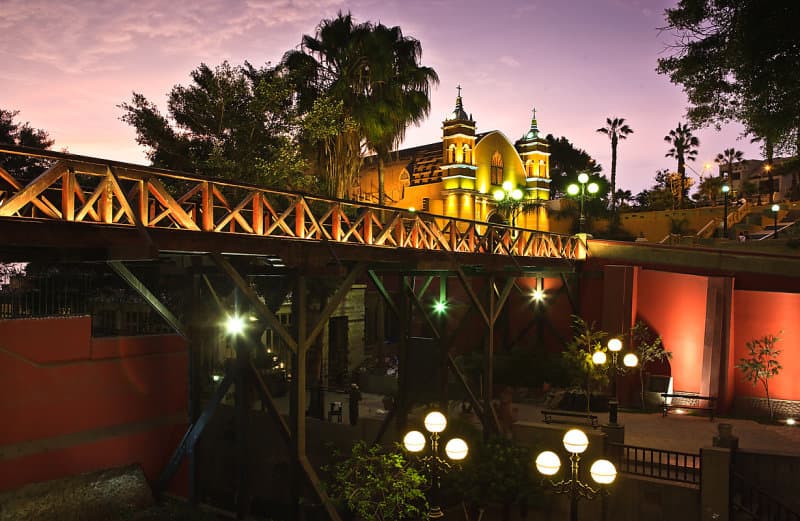
Things to see near Museo Larco



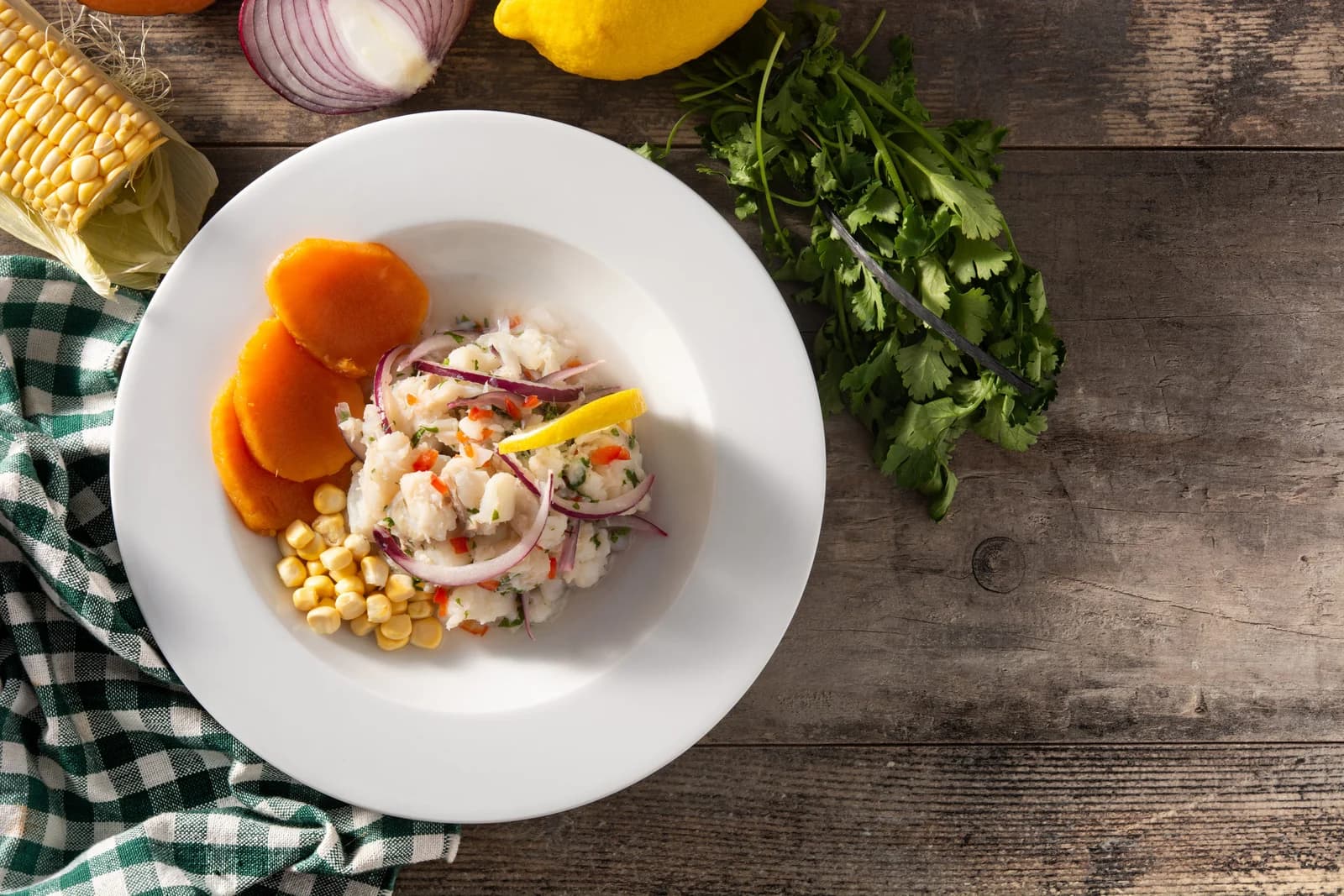
Places to eat or drink near Museo Larco

Central Restaurante

Maido Lima – The World’s Best Restaurant 2026 — Traveler’s Guide

Māketto Lima


