
Museo Nazionale Romano – Palazzo Massimo alle Terme
Open now
Museo Nazionale Romano – Palazzo Massimo alle Terme
Largo di Villa Peretti 2 Museo Nazionale Romano, 00185 Rome Italy Posted by Brandon B.Admin
One of Rome's Most Rewarding Museums, and Often Overlooked
Palazzo Massimo alle Terme sits just a few minutes' walk from Termini station, which might explain why so many visitors walk straight past it toward the Colosseum or the Vatican. That's a genuine mistake. This branch of the Museo Nazionale Romano holds one of the finest collections of ancient Roman art anywhere in the world, packed across four floors of a late 19th-century palazzo that feels calm and navigable compared to Rome's more famous institutions.
The building opened as a museum in 1998, though the structure itself dates to 1887. What's inside spans roughly a thousand years of ancient history, from the Republican period through the late Imperial era. Sculpture, coins, frescoes, mosaics, jewelry. There's a lot here, and most of it is genuinely extraordinary.
Why Palazzo Massimo alle Terme Matters
Rome has no shortage of museums, but this one earns a category of its own for two reasons. First, the sculpture collection on the ground and first floors includes pieces that would be headline attractions anywhere else. The Boxer at Rest, a Hellenistic bronze from around 100 BCE, is one of the most emotionally direct works of ancient art you're likely to encounter. The figure sits exhausted after a fight, wounds rendered in copper inlay. You can walk around it completely. The effect is unsettling in the best way.
Second, the frescoes on the second floor are almost impossible to believe. Entire rooms from a Roman villa, the Villa di Livia at Prima Porta, were dismantled and reconstructed here. The garden room is painted floor to ceiling with a continuous garden scene: birds, fruit trees, flowers, sky. It was buried underground as a summer dining room, meant to create an illusion of being outside. Standing inside it now, that illusion still more or less works.
These aren't reproductions. They're the original walls, from the first century BCE, and they're in remarkable condition.
Quick Facts
- Location: Largo di Villa Peretti 2, just outside Termini station's western exit, in the Esquilino neighborhood
- Part of the Museo Nazionale Romano network, which includes three other branches: Palazzo Altemps, Crypta Balbi, and the Terme di Diocleziano
- The building itself dates to 1887, originally constructed as a Jesuit college
- Four floors, covering Republican-era through late Imperial Roman art
- Closed on Mondays
- Timed entry is not typically required, though this can vary during peak season
- A combined ticket covers all four Museo Nazionale Romano branches and is valid for several days
Getting There
You're essentially next door to Termini if you use the right exit. Walk out toward Piazza dei Cinquecento and the museum entrance is visible on Largo di Villa Peretti, facing the square. From the Colosseum, it's around 20 minutes on foot or a short metro ride on Line B to Termini. From the Spanish Steps, allow about 25 minutes on foot or take Line A to Repubblica, which leaves you about 5 minutes away on foot along Via Nazionale.
There's no dedicated parking nearby worth planning around given Rome's traffic, so public transit is the practical choice for most visitors.
The Layout and Experience
The museum is organized chronologically and thematically across its floors, which makes it easier to follow than many comparable institutions. The basement holds the coin and jewelry collections, which tend to get less foot traffic and are genuinely worth the detour. The numismatic collection traces Roman monetary history across centuries and is one of the most complete of its kind.
Ground and first floors are where the major sculpture lives. Portrait busts, funerary monuments, idealized athletic figures, and the bronzes. The lighting is good. Crowds are manageable most days, especially on weekday mornings.
The second floor is where most visitors slow down entirely. The frescoes and mosaics here, removed from their original sites and painstakingly restored, take up full rooms. The Villa di Livia garden room requires timed access within the museum and has a limited capacity, so if you arrive in the afternoon during peak season, you may need to wait. Arriving before noon on a weekday tends to give you the smoothest experience.
Main Highlights
The Boxer at Rest
Cast around 100 to 50 BCE, this Hellenistic bronze is one of only a handful of large-scale ancient bronzes to survive antiquity. Most ancient bronzes were melted down. This one was buried, possibly deliberately preserved. The fighter's face shows real damage: a broken nose, cuts, swollen ears. The copper inlay blood is still visible. It rewards slow looking.
The Discus Thrower (Lancellotti Discobolus)
A Roman marble copy of the famous Greek original by Myron, this version came to the museum after a complicated history that included being briefly removed to Germany during World War II. It's one of several copies of the Discobolus in existence, but the condition here is exceptional.
The Villa di Livia Frescoes
The garden room from Livia's villa at Prima Porta is the single most spectacular thing in the building. The continuous painted garden wraps every wall in a cycle of trees, birds, and flowering plants under a pale sky. It was designed for an underground room, which kept the temperature cool in Roman summers. The room it now occupies in the museum attempts to recreate those proportions. The effect is meditative and slightly surreal.
The Nile Mosaic Room
Several large floor mosaics have been lifted and installed here, including detailed scenes of Egyptian landscape and Nile wildlife. The level of craftsmanship in the tesserae work is remarkable up close, and the museum gives you the unusual ability to view them from above at eye level rather than looking down from a distance.
Best Time to Visit
Weekday mornings are the clear answer. The museum opens at 9am on days it's open, and the first couple of hours tend to be noticeably quieter than the afternoon, especially in summer. Saturday afternoons during July and August can get crowded, particularly in the fresco rooms where capacity is limited.
Spring and autumn offer the most comfortable conditions overall. If you're visiting Rome in winter, the museum is a genuinely good option for a full morning, partly because many outdoor sites feel less rewarding in the cold and rain.
Tickets and Entry
General admission covers the full four floors. The combined ticket for all four Museo Nazionale Romano branches offers good value if you're planning to spend more than one day exploring Roman antiquities, and it stays valid across multiple days rather than requiring you to visit everything at once. EU citizens under 18 typically enter free, and reduced rates apply to various categories including EU citizens between 18 and 25, though these policies can change and are worth confirming before you visit.
Booking in advance is possible through the museum's official channels and tends to be worth doing in peak summer months, though walk-in entry is usually available outside those periods.
Combining with Nearby Attractions
The Terme di Diocleziano, another branch of the Museo Nazionale Romano, is a 10-minute walk away and shares the combined ticket. It occupies part of the actual ruins of Diocletian's baths, the largest thermal complex ever built in ancient Rome, and offers a very different kind of experience from Palazzo Massimo's polished galleries.
Santa Maria degli Angeli e dei Martiri, the church Michelangelo designed inside the ruins of those same baths, is right next door to the Terme and free to enter. It takes about 20 minutes to see and provides a useful reference point for understanding the scale of the original bathing complex.
If you're spending a full day in this part of Rome, the Basilica di Santa Maria Maggiore is about a 10-minute walk southwest and one of the four major basilicas of Rome. The Esquilino neighborhood around it has changed considerably in recent decades and has a genuinely lively street food and market scene around Via Principe Amedeo.
Practical Tips
- The museum is closed on Mondays. Plan accordingly.
- The Villa di Livia fresco room has limited capacity inside the museum itself. Ask staff when you arrive about the next available entry slot.
- Audio guides are available for rent at the entrance and add real context, especially for the sculpture floors.
- Photography without flash is generally permitted throughout the museum, but confirm on arrival as policies can vary by room.
- The basement coin and jewelry collection is often uncrowded and genuinely worth an hour, even if you're not a specialist.
- Bag storage is available near the entrance. Large bags and backpacks typically need to be checked.
- Allow at least two to three hours for a thorough visit. Four hours is not excessive if you want to spend real time with the frescoes and the bronzes.
Frequently Asked Questions
Is Palazzo Massimo alle Terme suitable for children?
It depends on the age and interest level. The Boxer at Rest and the garden frescoes tend to hold children's attention well. The coin collection and portrait busts less so. Younger children may find two hours about the right limit before fatigue sets in.
How does it compare to the Vatican Museums?
They're doing very different things. The Vatican Museums are enormous, crowded, and cover a vast span of art history. Palazzo Massimo is focused, quieter, and specifically excellent for Roman and Hellenistic antiquity. If ancient Rome is your primary interest, this museum often delivers a more satisfying experience than the Vatican's antiquity rooms simply because you can actually see the pieces without a crowd three deep.
Can you visit all four Museo Nazionale Romano branches in one day?
Technically yes, but it would be exhausting and most of the sites would get short-changed. Two branches in a day is a more realistic and rewarding approach. Palazzo Massimo and the Terme di Diocleziano pair naturally given their proximity.
Is the museum accessible for visitors with mobility limitations?
The building has elevator access to the upper floors. It's worth contacting the museum directly before your visit to confirm current accessibility arrangements, as older Italian buildings sometimes have limitations that aren't immediately obvious from the entrance.
Opening hours
Reviews
Sign in and mark this place visited to leave a review.
No reviews yet.
Free Trip Planner
Plan your Italy trip with our free planner
Build a day-by-day itinerary with AI suggestions, hand-picked places, and friends. Free forever — no credit card.
Things to see near Museo Nazionale Romano – Palazzo Massimo alle Terme



Places to eat or drink near Museo Nazionale Romano – Palazzo Massimo alle Terme
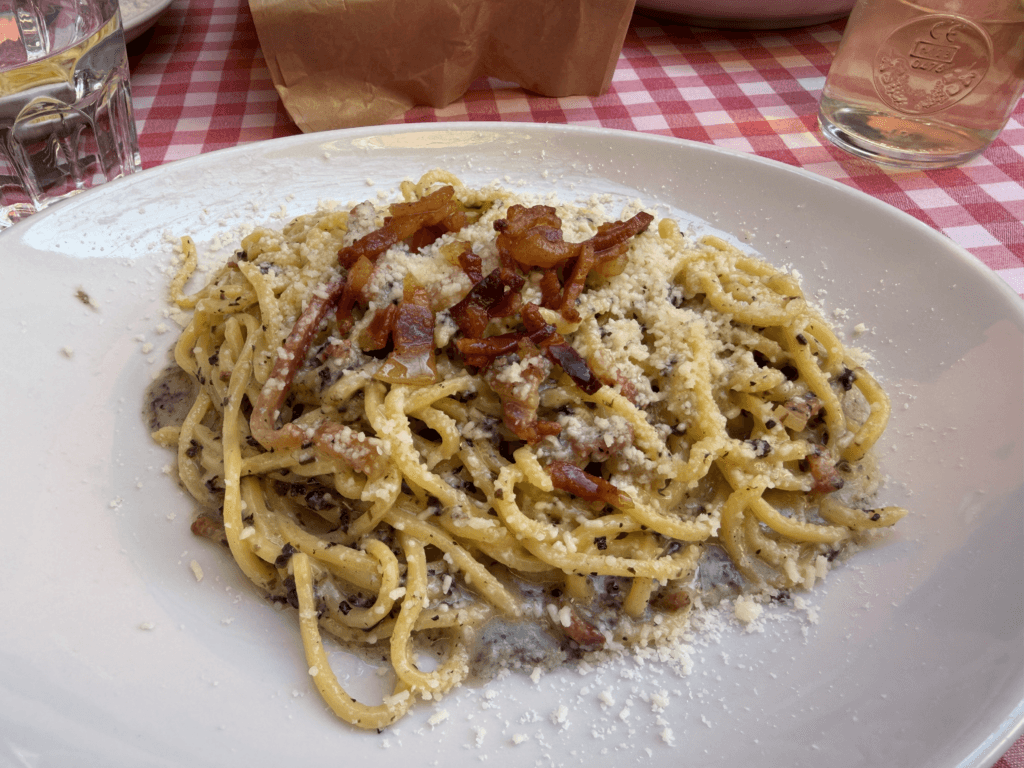
Arianna al Borghetto

La Pietra Scheggiata – Osteria/Pizzeria

Pasticceria Barberini


