
The Museu do Amanhã sits at the tip of Praça Mauá, a long white structure that seems to float over the water on its own pier. Designed by the Spanish architect Santiago Calatrava and opened in 2015, it is the most photographed building to come out of Rio de Janeiro's port redevelopment, and probably the most argued about. Inside, it is a science museum, though that undersells what it actually does: it is less a place for looking at objects than a place for walking through installations about climate, biodiversity, and the decades ahead.
If you are staying anywhere in Centro or came down for the Boulevard Olímpico waterfront, it is an easy add to a day that also takes in the Museu de Arte do Rio and the Valongo Wharf site a few blocks away.
Why the Museu do Amanhã matters
The building itself is the argument. Calatrava has said the form was loosely inspired by plants found in Rio's botanical garden, and you can see it in the skeletal ribs and the mobile, wing-like solar panels along the roofline that open and close depending on the sun. Some people find it a genuinely moving piece of engineering. Others think it looks like an airport terminal that wandered off and parked itself by the bay, and the running joke in Rio is that it photographs better than it feels to visit. Either way, it changed what this stretch of the harbor looks like, and for a city not known for new public architecture, that alone makes it worth seeing.
It also marks a turning point for this part of Rio. Praça Mauá and the docks behind it were, for decades, cut off from the rest of downtown by an elevated expressway, the Perimetral, which ran almost directly over where the museum now stands. Tearing that road down and opening the waterfront back up was the signature move of the Porto Maravilha regeneration project, and the Museu do Amanhã was built as its anchor attraction, timed to open ahead of the 2016 Olympics.
Quick facts
- Location: Praça Mauá, 1, Centro, Rio de Janeiro
- Architect: Santiago Calatrava
- Opened: 2015
- Type: science museum focused on sustainability, climate, and the next fifty years
- Format: immersive, screen-based and installation-driven, with very few physical artifacts on display
- Neighbors: Museu de Arte do Rio (MAR) directly across the square, the Olho da Rua street art murals a short walk away
Getting there
The museum sits right on Praça Mauá, at the edge of the renovated port district, close enough to downtown Rio that you can walk from most of Centro in fifteen to twenty minutes. The VLT light rail, Rio's tram system that threads through the old port and Centro, stops close by and is the easiest way in if you are coming from Santos Dumont airport or the cruise terminal, which sits almost next door. Taxis and ride-hailing apps are straightforward here too, and the area is well lit and busy enough during the day that walking from nearby Centro doesn't feel like a stretch.
The layout and experience
You move through the museum roughly chronologically, from questions about where humanity came from, to where it stands now, to where it might be headed, organized loosely around themes like climate, matter, life, and the future of civilization. The content leans on video projections, data visualizations, and large-scale sensory rooms rather than cases of objects, so it plays more like a sequence of short films and interactive spaces than a traditional museum walk. There is a room, often one of the most talked-about stops, built around a kind of planetarium-style dome showing biodiversity and the scale of species loss. Expect a fair amount of queuing between sections at busier times, since some installations only admit visitors in timed groups.
The building's exterior deck, which runs out along the pier toward the bay, is open to the public and worth lingering on even if you don't go inside. It gives you one of the better unobstructed views of Guanabara Bay and Sugarloaf from this side of the city, especially toward late afternoon.
History and background
The ground the museum sits on carries more history than the architecture suggests. This stretch of the port, just behind Praça Mauá, was once the arrival point for enslaved Africans brought to Brazil, and remnants of the old Valongo Wharf, uncovered during the Porto Maravilha excavations, are still visible a short walk from the museum. It's a jarring contrast worth knowing about before you go: a building themed around humanity's next fifty years standing a few minutes from a site tied to one of the most painful chapters of its past. The museum itself doesn't shy away from addressing inequality and historical injustice within its exhibits, but the physical proximity to Valongo adds a weight that's easy to miss if you don't already know it's there.
Before the regeneration project, this entire waterfront was shut off behind the elevated Perimetral highway, and the docks had fallen out of everyday use for decades. Demolishing that road and opening up the bayfront as a public promenade was the central move of Porto Maravilha, and the museum, along with MAR across the square, was built to give people a reason to come back down here.
Tickets and entry
Entry is ticketed, with general admission tickets typically sold for timed slots to manage the flow through the more popular installations. It's worth checking current entry arrangements before you go, since timed-entry systems and closure days for maintenance do shift. Budget more time than you'd expect for a science museum, since the pacing through some rooms is set by the installations themselves rather than by how fast you want to walk.
Best time to visit
Weekday mornings tend to be the calmest, before school groups and weekend crowds build up. Afternoons can get busy, particularly on weekends and during school holidays, since this is as much a spot for Rio families as for visitors. If you want the deck and the exterior views without a crowd of people taking photos of the building, aim for the first hour or two after opening.
Combining with nearby attractions
The Museu de Arte do Rio sits directly across Praça Mauá, housed in a converted colonial-era palace joined to a modern wing, and pairs naturally with a visit here since you can do both in a single afternoon without much walking between them. The Olho da Rua murals, a cluster of large-scale street art pieces scattered through the surrounding port streets, are a short walk away and worth a detour if you like public art. The Valongo Wharf archaeological site and the AfroBrazil Museum, when open, are also within easy reach and give useful historical context to the neighborhood's transformation.
Practical tips
- Wear comfortable shoes. There is more walking between installation rooms than the building's size suggests.
- If crowds matter to you, go on a weekday and arrive close to opening.
- Check ahead for timed-entry details, since some of the larger installations only let visitors in at set intervals.
- Don't skip the outdoor pier deck even if you're short on time. The bay view is one of the best reasons to come.
- Pair the visit with the MAR across the square to make the most of the trip to Praça Mauá.
FAQ
Is the Museu do Amanhã suitable for kids?
Yes, the format leans heavily on video and sensory installations rather than text-heavy displays, which tends to work well for children, though some rooms deal with heavier themes like extinction and climate change that are more suited to older kids.
How long should I plan for a visit?
Most visitors spend somewhere between two and three hours inside, plus extra time on the exterior deck.
Is the building really controversial?
It's a genuine local talking point. Reactions to Calatrava's design split fairly evenly between admiration for the engineering and skepticism about the cost and style of the project relative to the neighborhood around it.
What's nearby if I only have one afternoon?
The Museu de Arte do Rio across the square and the Valongo Wharf site a few minutes' walk away are the two most worthwhile additions if you're limited on time.
Whatever you make of the architecture, the Museu do Amanhã has become a fixed point on Rio's waterfront, and a useful marker of how much this part of Centro has changed since the old highway came down. Love it or not, it's hard to stand on that pier at Praça Mauá and not notice it.
Reviews
Sign in and mark this place visited to leave a review.
No reviews yet.
Free Trip Planner
Plan your Brazil trip with our free planner
Build a day-by-day itinerary with AI suggestions, hand-picked places, and friends. Free forever — no credit card.
Related reading
Things to see near Museu do Amanhã

Ipanema Beach
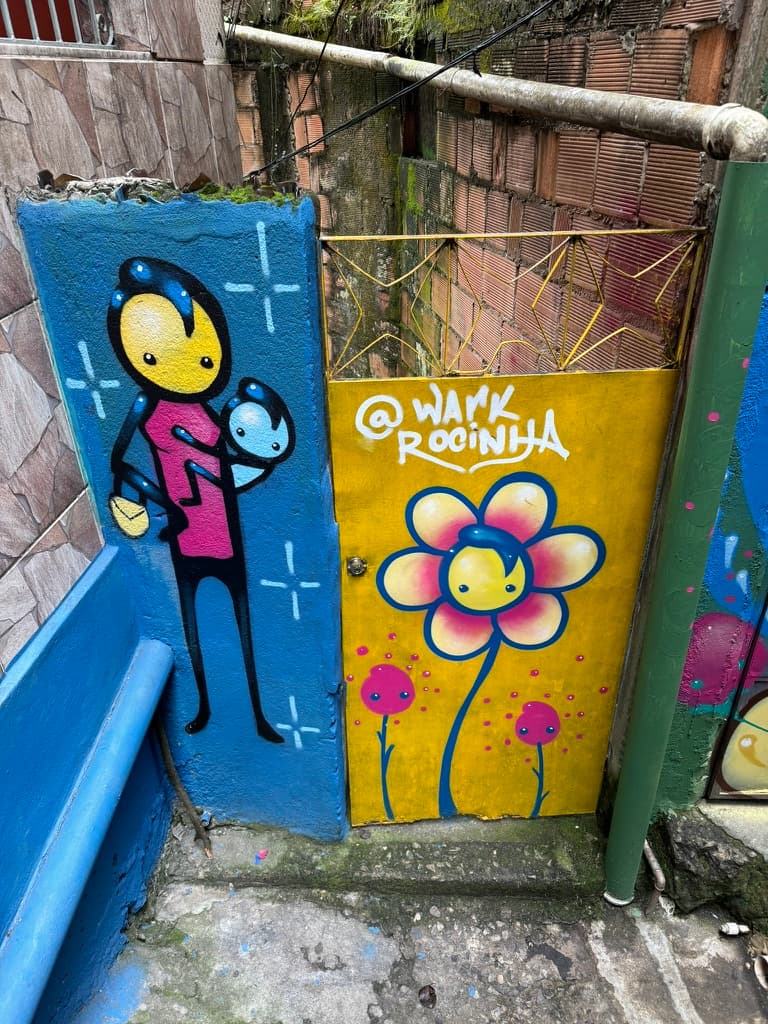
Rocinha Favela

Square Nossa Senhora da Paz
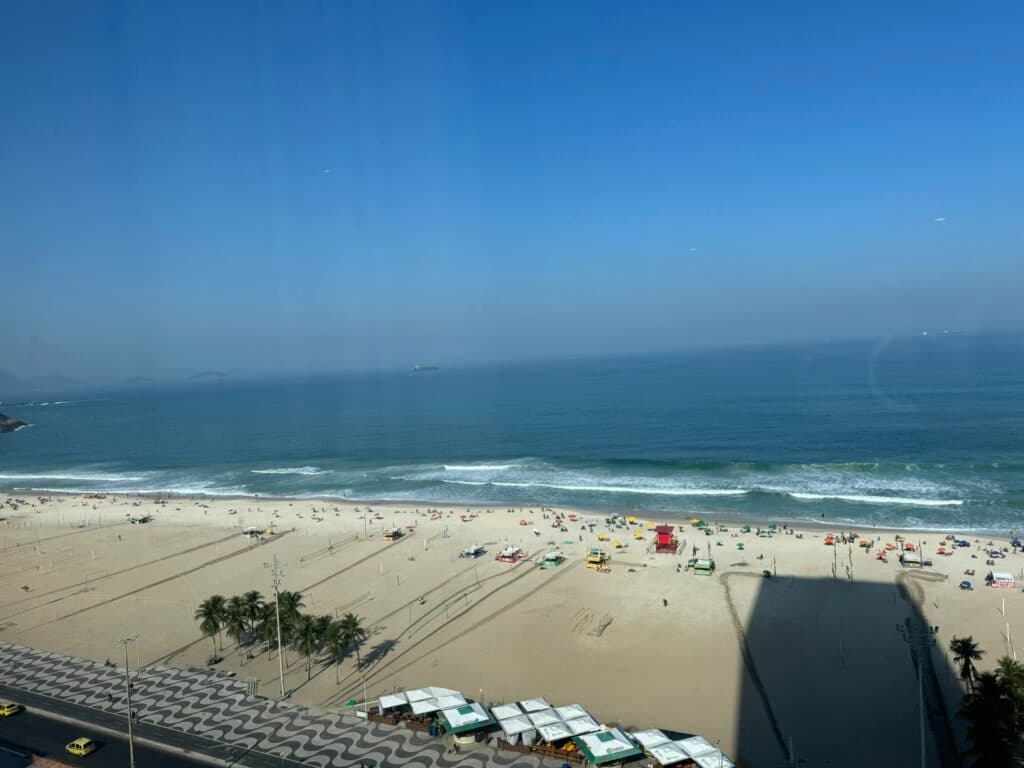
Copacabana Beach
Places to eat or drink near Museu do Amanhã

Paris 6

Tapí Tapioca e Açaí

Uruguay Tent

Adega do Cesare
More places in Rio de Janeiro

Cabo Frio

Diamante Gastrobar

Bar do Mineiro
