
Museum Fotoatelier Seidel
Closed now
Museum Fotoatelier Seidel
Linecká 272, Plešivec, 381 01 Český Krumlov-Český Krumlov 1, CzechiaOverview
Walk into the cramped second-floor studio of Museum Fotoatelier Seidel and you step into a photograph yourself. The walls are lined with glass-plate negatives stacked in wooden cases. The enlarger sits where it was left. Bottles of chemicals stand dusty on shelves. Josef Seidel, a photographer, worked here from 1925 until his death in 1974, and the Czech state preserved the space almost exactly as he left it. The museum is not a polished exhibition. It is an atelier, a working studio turned into a time capsule.
Seidel photographed Český Krumlov and its people for nearly fifty years. His archive contains thousands of images, from formal portraits to candid street scenes to documentation of the town during World War II. The museum displays prints, equipment, and the physical space where he shot and developed them. For anyone interested in twentieth-century photography, the history of the town, or simply the texture of how things were done before digital cameras, Fotoatelier Seidel is singular.
Why this place matters
Josef Seidel was not a famous photographer. He did not exhibit internationally or publish in major magazines. He was a local studio photographer who served his town. That is precisely why the museum matters. His archive is a record of ordinary life in a Central European town across a turbulent period: the interwar years, Nazi occupation, communism, and the gradual opening of the late twentieth century. The photographs are evidence.
The atelier itself is a document. Seeing the actual tools, the layout of the darkroom, the filing system, the light sources, teaches you something about the craft and the era that no reproduction can match. Museums often interpret and curate. Fotoatelier Seidel mostly preserves.
Quick facts
- Located on Linecká street in central Český Krumlov, a short walk from the Old Town Square
- Housed in a Renaissance building from the 16th century
- Josef Seidel operated the studio from 1925 to 1974
- The archive contains over 10,000 glass-plate negatives and prints
- Visits are by guided tour only, typically in Czech or German depending on visitor language
- Open seasonally, with reduced hours in winter months
- Small capacity means tours fill quickly during peak season
Getting there
The atelier sits on Linecká street, the main thoroughfare that runs through Český Krumlov's Old Town. If you arrive by car, park in one of the central lots near the main square and walk. The building is four or five minutes on foot from the castle bridge. Look for the street-level entrance marked with a small placard. The studio itself is up a narrow staircase on the second floor.
If you are coming from Prague by train, the journey takes about three hours. From the station in Český Krumlov, walk downhill into the Old Town or take a taxi. The town center is compact and flat enough that once you are in the main square, you can reach Linecká on foot in moments.
The layout and experience
The staircase is tight and steep. The second floor opens into a single large room divided into functional zones. The front area served as the studio proper, where Seidel posed his subjects in front of a painted backdrop, with light controlled by reflectors and the windows. You can see where the camera would have stood. Behind that is the darkroom, smaller and more enclosed, where he developed plates and printed images. Shelves line the walls. Wooden filing cases hold thousands of negatives, each labeled by hand in tiny script.
A guide (usually in Czech, German, or occasionally English) walks you through the space and explains the process. Seidel used large-format cameras and worked with glass plates, a technique that required precision, time, and chemical knowledge. The guide will show you his enlarger, his chemical baths, the prints he made from his negatives. You see the actual objects. You are not looking at a display case with objects inside it. You are in the room where the work happened.
The photographs themselves cover the walls in modest frames. Portraits of townspeople. Street scenes. A child holding a toy. Families in their Sunday clothes. A butcher shop. The images are not famous, but they are human. They show Český Krumlov as a living place, not a postcard.
Main highlights
The archive of glass-plate negatives is the most significant collection. Each plate is a unique object. Unlike digital files or even modern color negatives, glass plates are fragile and irreplaceable. Seeing them stacked in their wooden cases gives you a physical sense of Seidel's output over fifty years.
The darkroom itself is a highlight. It is a functional space, not a museum recreation. The chemicals, the enlarger, the red light, the basins for developing and fixing. If you have ever used a darkroom or studied photography history, you will recognize every element. If you haven't, the guide will explain it.
The portrait prints offer the most direct access to Seidel's eye. He was skilled at capturing likeness and personality in a single frame. Many of his subjects were townspeople he knew or saw regularly. The photographs are neither sentimental nor harsh. They are straightforward records of faces, lit evenly and composed with care.
History and background
Josef Seidel was born in Český Krumlov in 1901. He trained as a photographer and opened his studio in 1925, during the period when the Czechoslovak Republic was still young and photography was becoming an accessible profession. Portrait photography was the bread and butter of a town studio. Seidel also photographed events, took architectural shots, and documented the town for local publications.
During World War II, Český Krumlov was part of the Protectorate of Bohemia and Moravia, a Nazi-controlled territory. Seidel continued to work and photograph. Some of his images from this period show the town under occupation, though the everyday subjects dominate his output. After the war, he continued operating until his death in 1974.
The studio might have been demolished or converted into apartments. Instead, Seidel's family and later the Czech state recognized its value as a historical document. The atelier was preserved with its contents largely intact. It is now a protected monument and a museum operated by the Český Krumlov Museum.
Tickets and entry
Entry is by guided tour only. You cannot wander the space on your own. This is partly practical (the space is small and fragile) and partly intentional. The guide provides context and explains the technical aspects of the darkroom and the printing process. A tour typically lasts between 45 minutes and an hour.
Tours are usually offered in Czech and German. English tours may be available if you arrange in advance or if other English speakers are visiting at the same time. Check with the Český Krumlov Museum or the tourism office for current schedules and booking information.
Admission is inexpensive, falling into the budget category. Children often receive reduced rates.
Best time to visit
The museum is open from May through September with the most frequent tour times. Winter hours are limited, typically weekends only or by appointment. If you are visiting Český Krumlov in summer, you can usually find a tour on most days. In winter, it is worth calling ahead.
Avoid midday if you prefer smaller groups. Tours fill up during peak tourist season, roughly July and August. Early morning or late afternoon tours tend to have fewer people, which makes for a more intimate experience in such a small space.
Weather does not affect the experience since you are indoors, but the light in the studio itself changes throughout the day. If you are interested in photography, visiting when the sun is lower in the sky (morning or late afternoon) will show you how natural light played across the studio.
Photography tips
The studio is dimly lit to preserve the negatives and prints. Bring a camera that performs well in low light if you want to document your visit. Flash photography is typically prohibited. Check with the guide before shooting.
The most interesting photographs are often the small details: the glass plates in their cases, the labels on bottles, the enlarger mechanism, the hand-written notes. Wide shots of the whole room will feel cramped because the space is cramped. Focus on texture and specific objects.
If you are a photographer or photography student, ask the guide if you can photograph the darkroom setup and the enlarger in detail. Most guides are happy to allow this for educational purposes.
Facilities and preparation
The staircase is narrow and steep. If you have mobility issues, access to the studio itself will be difficult. There are no elevators or alternative routes. The space is not climate-controlled in the modern sense. It is naturally ventilated, so it can be cool even in summer.
There is no cafe or shop within the museum. Český Krumlov has many restaurants and cafes nearby on the main square and surrounding streets. Plan to eat before or after your visit.
The tour is conducted standing and walking slowly through the studio. Wear comfortable shoes and allow about an hour.
How it compares to similar places
Fotoatelier Seidel is different from most photography museums. Many museums display photographs as art objects in gallery settings. Some, like the Musée de Montmartre in Paris, preserve historic studio spaces but often with some restoration and interpretation. Fotoatelier Seidel is more austere and less polished. It feels less like a museum and more like you have walked into someone's workspace.
If you are familiar with preserved artisan workshops or craft studios, Fotoatelier Seidel has that quality. It resembles a preserved printing workshop or a historic apothecary more than a contemporary photography exhibition. The value is in the authenticity of the space and the archive, not in curatorial interpretation.
Combining with nearby attractions
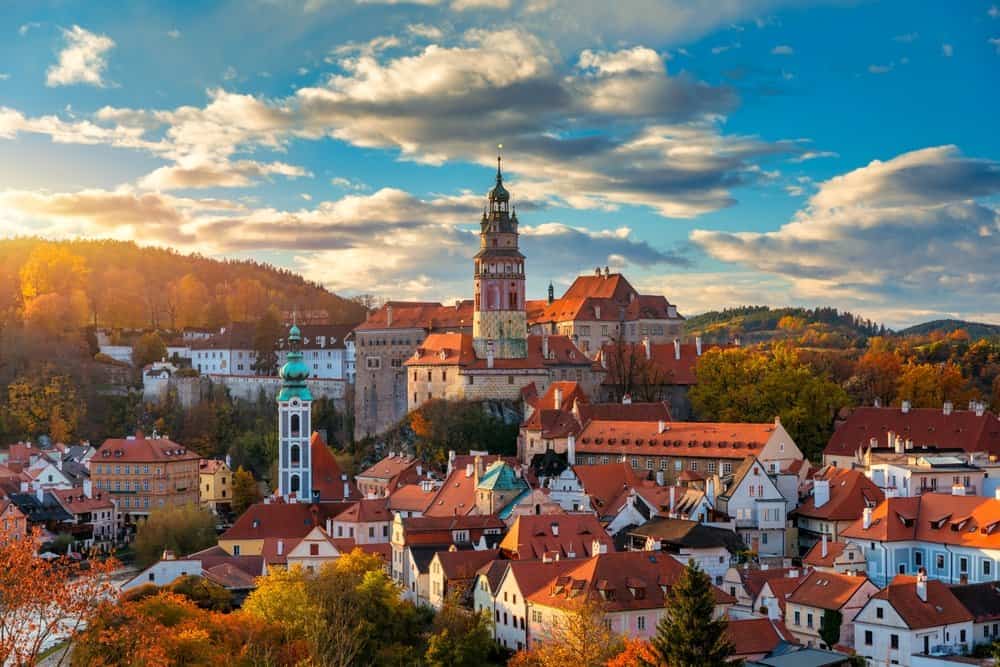
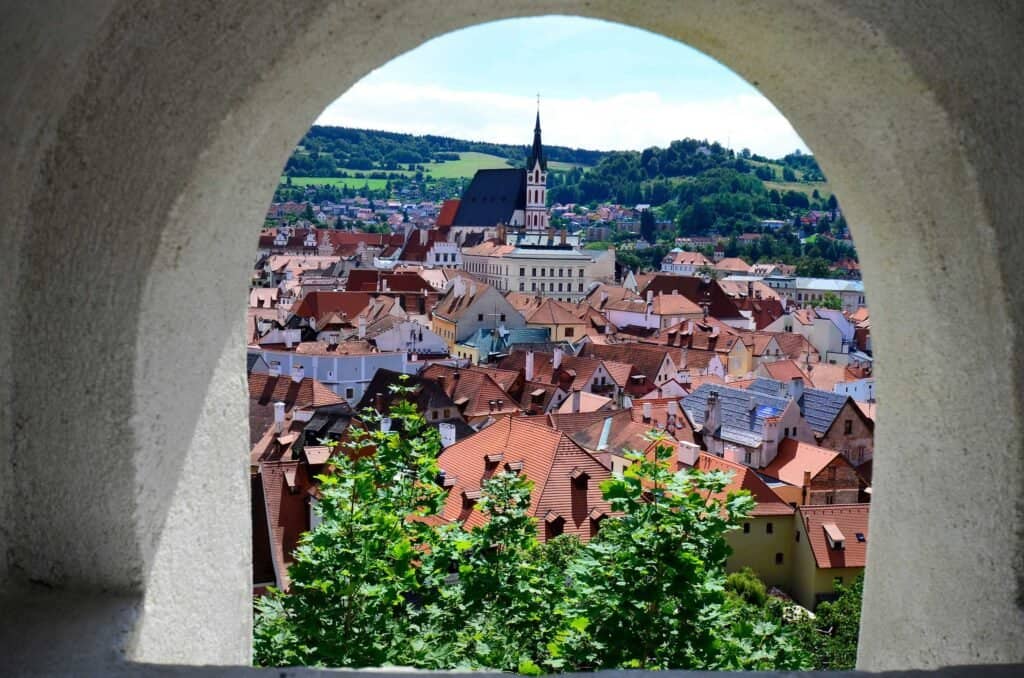
Český Krumlov is a compact medieval town, and most major attractions are within walking distance of Fotoatelier Seidel. The Castle is ten to fifteen minutes uphill from Linecká street. The Church of St. Vitus stands in the main square, also within five minutes. The Old Town itself is the main attraction. Walking the narrow streets, crossing the bridges, sitting by the river are the primary reasons most travelers visit.
A typical day might include a morning tour of the atelier, lunch in the square, an afternoon walk through the castle grounds, and an evening stroll along the Vltava River. The museum is best combined with time spent simply being in the town rather than with other structured attractions.
Sample visit plan
Arrive in Český Krumlov by late morning. Park or walk to the Old Town and check the museum's current tour schedule. If a tour is available in the early afternoon, book it. Spend an hour at Fotoatelier Seidel. Afterward, walk to the main square for lunch at one of the restaurants there. In the afternoon, explore the castle or wander the side streets. Return to the river before sunset. Have dinner near the square.
If you are spending two days, the first afternoon can be the museum and the Old Town. The second day can be devoted to the castle, the surrounding gardens, and the viewpoints above the town that overlook the loops in the river.
Practical tips
- Book your tour in advance during summer season. Call the Český Krumlov Museum or ask your accommodation to help arrange it.
- Bring a light jacket. The studio is cool, and the staircase can feel drafty.
- If you speak Czech or German, you will get more out of the guide's explanation. English tours are less frequent.
- The town is crowded with tourists in summer. The atelier, because it is small and requires a guided tour, stays quieter. Use this to your advantage by visiting in the early morning or late afternoon.
- Do not expect the museum to be open on Mondays or outside the May to September season without checking first.
- The photographs and negatives in the archive are extremely valuable and fragile. Respect the guide's instructions about what you can and cannot touch.
FAQ
Can I visit without a guide? No, entry is by guided tour only.
How long does a tour take? Typically 45 minutes to one hour, depending on the group size and the guide's pace.
Is the tour available in English? English tours are available but less frequent than Czech or German tours. Arrange in advance if possible.
Can I buy prints or reproductions of Seidel's photographs? The museum may sell postcards or small prints, but selection is limited. Ask at the end of your tour.
Is the museum accessible for people with mobility issues? The narrow, steep staircase makes full access difficult. The guide may be able to accommodate some visitors to a limited degree, but call ahead to discuss your specific needs.
Opening hours
Reviews
Sign in and mark this place visited to leave a review.
No reviews yet.
Free Trip Planner
Plan your Český Krumlov 1 trip with our free planner
Build a day-by-day itinerary with AI suggestions, hand-picked places, and friends. Free forever — no credit card.
Things to see near Museum Fotoatelier Seidel


Places to eat or drink near Museum Fotoatelier Seidel
Penzion a restaurace Maštal

Masná 130 House﹠Café

Drunken Coffee

Kolektiv cafe & wine bar
More places in Český Krumlov 1

Egon Schiele Art Centrum

Český Krumlov Castle Tower

náměstí Svornosti
