
Kláštery Český Krumlov
Open now
Kláštery Český Krumlov
Klášterní Dvůr 97, 381 01 Český Krumlov-Český Krumlov 1, CzechiaOverview
Walk through the archway into the cloister courtyard at Kláštery Český Krumlov and the sound of traffic from the medieval streets outside drops away entirely. This former monastery complex sits in the heart of Český Krumlov's old town, its quiet stone corridors and arcaded courtyard offering a rare moment of calm in one of the Czech Republic's most crowded tourist destinations. The site itself is not enormous, but what it lacks in scale it makes up for in atmosphere and historical weight.
The monastery has operated as a museum for visitors since the 1990s, preserving the spaces where monks lived and worked for centuries. You can walk the cloisters, climb the narrow stone stairs, and step into cells that remain largely as they were abandoned. It's the kind of place where you notice the light falling through arched windows and the grain of centuries-old wood before you read any explanatory placard.
Why this place matters
Kláštery Český Krumlov represents a distinct phase in the region's religious and social history. The monastery was founded in the 14th century and operated continuously through major upheavals, including the Hussite Wars and the Reformation. It survived, adapted, and continued its work until the 19th century, when monastic orders were dissolved across the territory.
The cloister itself is architecturally significant as a Gothic structure, and its survival intact is less common than you might expect. Many European monasteries were demolished, converted into prisons or factories, or reduced to ruins. This one remains recognizable in its original function, which makes it valuable both as a historical document and as a place where you can physically understand how monastic communities organized their daily lives.
For visitors to Český Krumlov, the monastery offers something the castle and the old town squares cannot: proximity to silence. The crowds that pack the narrow streets thin considerably once you cross the monastery threshold.
Quick facts
- Founded in the 14th century
- Located in the historic center of Český Krumlov, a UNESCO World Heritage site
- Operates as a museum and cultural space open to visitors
- Features a Gothic cloister courtyard with surrounding arcaded corridors
- Walking time through the main spaces is typically 30 to 45 minutes
- The site remains active for cultural events, concerts, and exhibitions
Getting there
Český Krumlov sits about 160 kilometers south of Prague. If you're traveling by train, the journey takes roughly 3 hours; the train station is on the outskirts of town, and from there it's a 15-minute walk downhill to the old town center. Buses are faster (2.5 to 3 hours) and drop you closer to the town itself.
Once in Český Krumlov's old town, the monastery is located at Klášterní Dvůr 97, a street that runs parallel to the main square. If you're coming from the castle area (which overlooks the town from the north), head downhill toward the river and turn onto the smaller streets that lead into the residential quarters. The entrance is marked, though it's easy to miss if you're moving quickly through the labyrinth of lanes.
There is no dedicated parking lot at the monastery itself, but the town has public parking areas at the edges of the old town. Driving a car into the medieval center is possible but not recommended; the streets are narrow, cobbled, and crowded with pedestrians.
The layout and experience
The monastery complex centers on a Gothic cloister courtyard surrounded by covered arcaded walkways. The ground level contains the main circulation spaces, while upper floors house smaller rooms and chambers. The layout is designed for contemplation and movement in sequence; you don't experience all the spaces at once but rather move through corridors, up and down stairs, discovering rooms as you progress.
The arcades that ring the courtyard are the heart of the complex. Slender stone columns support a ribbed vault overhead, and the proportions are elegant without being grandiose. The courtyard itself is planted with greenery, which softens the stone and creates a living center to the architectural frame. On overcast days, the light through the arches becomes almost sculptural.
What you see depends partly on what exhibitions or installations are currently on display. The monastery functions as both a historical site and a cultural venue, so the interior use shifts seasonally. The core architecture and the cloisters are always accessible, but the contents of the individual rooms may change.
The staircases are narrow and steep, built for sandaled monks rather than modern tourists. If you have mobility concerns, you should ask at the entrance about what areas are accessible; not all floors and rooms are equally easy to reach.
Main highlights
The cloister courtyard itself is the primary draw. It's the kind of space photographers return to multiple times, because the light and shadows shift throughout the day. The arcaded corridors are quiet enough that you can hear your own footsteps, which creates an almost meditative quality.
The stone work throughout the complex shows considerable craftsmanship. Look closely at the capitals of the columns, the ribbing of the vaults, and the carved details on doorways. These were made by hand over weeks or months, and they reveal the care invested in spaces that were meant to last centuries.
If the monastery is hosting an exhibition or cultural event during your visit, that becomes the secondary attraction. Concerts, art installations, and temporary shows are held here regularly, particularly in the warmer months. These events are worth checking for before you visit, as they can add another layer of experience to the site.
History and background
The monastery was established in the 14th century as part of the wave of religious institutional building that swept across Central Europe in the late medieval period. Český Krumlov itself was growing in economic importance due to its position on trade routes, and a monastery brought religious prestige and intellectual activity to a prosperous town.
The complex survived the Hussite Wars of the 15th century, a period of religious and social upheaval that saw many religious buildings destroyed or repurposed. It continued to operate through the Reformation and into the 18th century, when the Counter-Reformation actually strengthened Catholic institutions in Bohemia.
The dissolution of the monasteries came gradually rather than as a single event. By the 19th century, monastic communities were shrinking across the region, and the buildings were eventually abandoned for their original purpose. The structure was preserved, however, and in the decades after World War II it was converted into a museum and cultural space.
Today the site operates under local cultural administration, functioning as both a heritage site and a venue for contemporary use. This dual function means it remains alive rather than frozen in amber, which is part of what gives it character.
Tickets and entry
The monastery charges a modest general admission fee to enter the cloister and main spaces. The ticket is typically purchased at a small desk near the entrance. Guided tours are available, usually by advance arrangement; these are conducted in Czech primarily, though English-language tours can sometimes be arranged if you contact the site ahead of time.
There is no separate fee for the courtyard itself if you're simply passing through or photographing the exterior arcades, though the honor system suggests that visitors who spend time inside should purchase a ticket.
Best time to visit
Spring and early autumn offer the most pleasant conditions. The courtyard is sheltered from wind, but the stone retains cold well into spring, so even April mornings can feel chilly in the arcades.
Summer brings the largest crowds to Český Krumlov overall, but the monastery remains quieter than the castle and main streets. If you arrive after 5 p.m. on a summer day, you'll often find the courtyard nearly empty, with long shadows stretching across the stone.
Winter visits are atmospheric but challenging. The site is not heated, and the stone corridors become quite cold. If you do visit in winter, allow yourself only 20 to 30 minutes unless you're particularly committed to the experience.
Check ahead if there's an event scheduled during your visit. Concerts and exhibitions can either enhance your experience or make the space crowded and less contemplative, depending on your preference.
Photography tips
The arched corridors of the cloister are excellent for architectural photography. The repeating columns create strong compositional lines, and the interplay of shadow and light changes throughout the day. Morning light from the east and late afternoon light from the west both work well, depending on which side of the courtyard you're on.
Wide-angle lenses are useful for capturing the full span of the arcades, but don't neglect close-up details. The carved capitals, the texture of centuries-old stone, and the wear patterns on the floor tiles all tell stories.
The courtyard itself is a strong subject. If there's greenery in bloom, it contrasts beautifully with the gray stone. Even in winter, when the courtyard is bare, the geometry of the arches and the clean lines of the architecture are compelling.
Tripods are permitted but can be awkward in the narrow corridors. Most of the light is soft and diffuse, so you won't always need one.
Facilities and preparation
The monastery has a small gift shop and information desk at the entrance. There is no café or restaurant on site, though Český Krumlov's old town is dense with cafés, pubs, and restaurants within a few minutes' walk in any direction.
Restrooms are available but limited. Use the facilities in town before you visit if you're concerned.
The site is not wheelchair accessible throughout; the cloisters and ground floor are manageable, but many upper rooms and the stairs are narrow and steep. If accessibility is important for your visit, speak with staff at the entrance about what areas you can reach.
The stone floors are uneven in places and can be slippery when wet. Comfortable walking shoes with good grip are essential.
Combining with nearby attractions
Český Krumlov Castle dominates the town from above and is the primary draw for most visitors. It's a short walk uphill from the monastery, and you can easily combine the two in a single day. The castle is larger and more crowded, but the two complement each other well: the castle shows you the power structure of the region, while the monastery reveals the spiritual and community life of the same period.
The old town square, Náměstí Svornosti, is just a few minutes away and contains the Church of Saint Vitus, a Gothic parish church. Together with the monastery, the castle, and the town layout itself, these sites give you a fairly complete picture of late medieval Central European urban organization.
The Vltava River runs through town and offers pleasant walking paths. You can combine a monastery visit with a walk along the riverside or even a boat tour if you're interested in seeing the town from the water.
Sample visit plan
A typical visit to Český Krumlov might look like this: arrive mid-morning, park at the edge of town, walk through the old town to get your bearings and perhaps grab coffee, then visit the monastery for 30 to 45 minutes. This gives you quiet time before the afternoon crowds peak. Afterward, walk uphill to the castle if you have a ticket, or continue exploring the town's narrow streets and galleries.
If you're staying overnight, visit the monastery in late afternoon when it's nearly empty. The light will be different, and the experience more introspective. Pair this with a dinner at one of the restaurants along the river or in the old town.
If you have only a few hours in Český Krumlov, prioritize the castle and old town over the monastery. The monastery is worth seeing, but it's not the primary reason most people travel to the town. However, if you value quiet and architectural detail over crowds and grand views, reverse that priority.
Practical tips
- Bring a jacket or sweater even in summer. The stone corridors stay cool, and there's no heating.
- Arrive early in the day or after 5 p.m. to avoid the main tourist crowds that flood Český Krumlov in summer.
- Allow at least 30 minutes, but 45 minutes to an hour gives you time to sit in the courtyard and absorb the atmosphere.
- Check the monastery's website or contact the information center before visiting to confirm current opening hours and any special events.
- The site is less crowded on weekdays than weekends.
- If you're interested in the history, consider asking at the entrance whether a guide is available; even a brief explanation of the layout and timeline adds context.
- Respect any ongoing events or exhibitions. If a concert or private function is scheduled, visitor access may be limited.
FAQ
How long does it take to visit the monastery? Most visitors spend 30 to 45 minutes. You can move through quickly in 20 minutes if you're just seeing the main cloister, or spend over an hour if you explore all accessible rooms and sit in the courtyard.
Is the monastery suitable for children? It depends on the child's age and temperament. The narrow stairs and quiet atmosphere can be challenging for very young children or those who prefer active play. Older children interested in history or architecture often find it engaging.
Can I take photographs? Yes. Personal photography for non-commercial use is generally permitted. If you're planning commercial or professional photography, ask staff about permissions.
Do I need to book a ticket in advance? No. You can purchase a ticket on arrival. Guided tours may require advance notice if you want English-language interpretation.
Is the monastery on the way to the castle? Not exactly. The castle is uphill from the monastery, but you'd pass through other parts of the old town first. They're close enough to visit both in a few hours, but they're not on a single direct route.
Opening hours
Reviews
Sign in and mark this place visited to leave a review.
No reviews yet.
Free Trip Planner
Plan your Český Krumlov 1 trip with our free planner
Build a day-by-day itinerary with AI suggestions, hand-picked places, and friends. Free forever — no credit card.
Things to see near Kláštery Český Krumlov


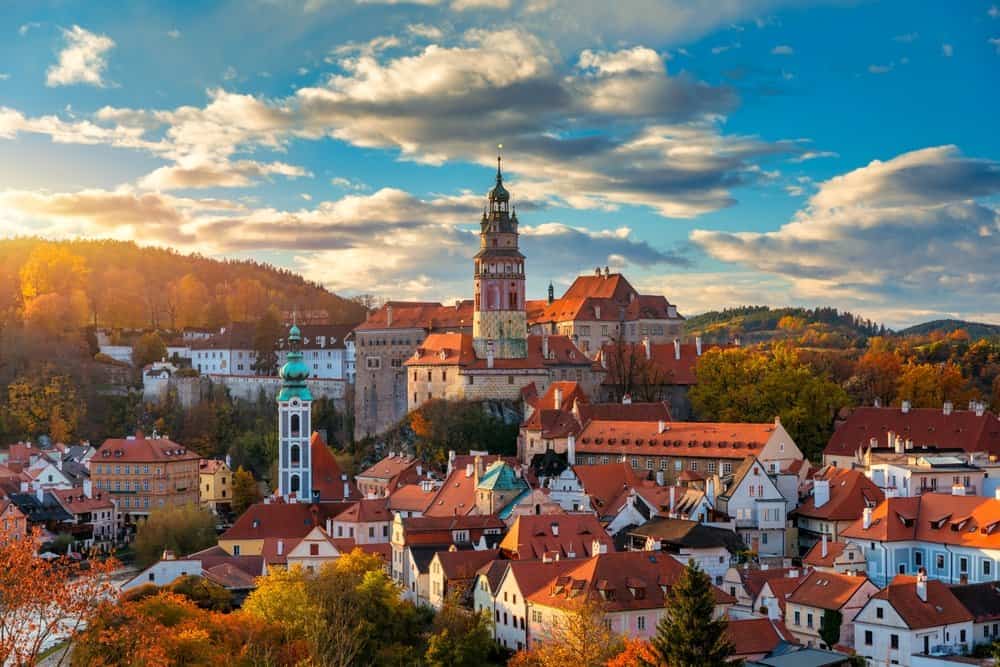

Places to eat or drink near Kláštery Český Krumlov
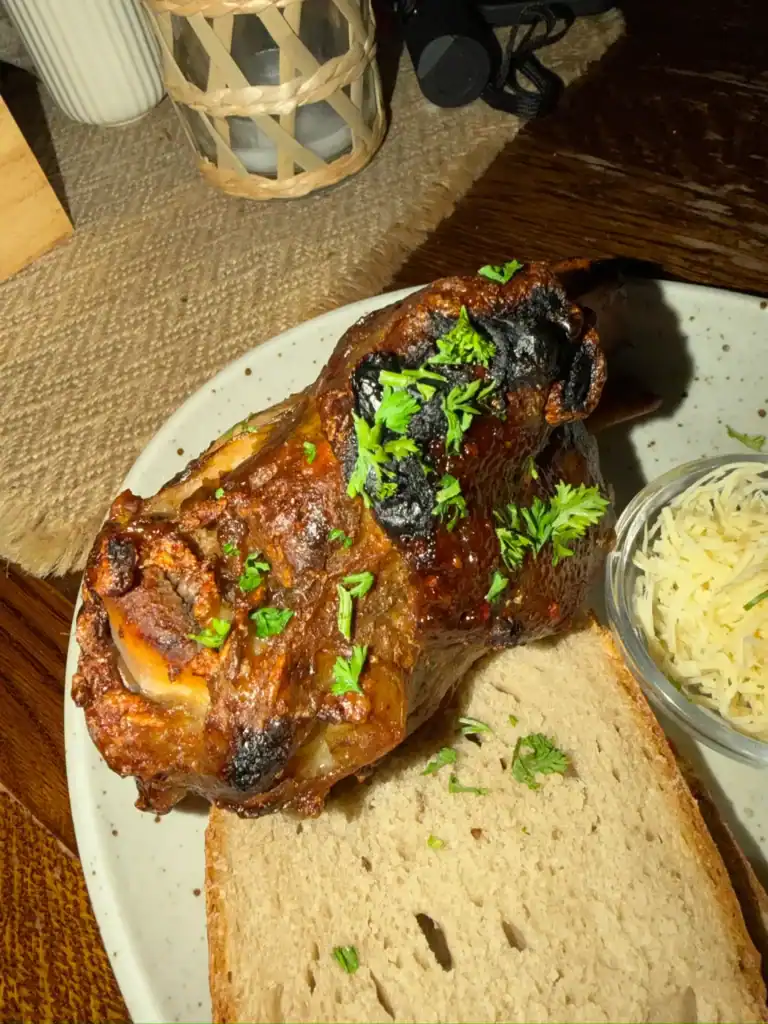
Penzion a restaurace Maštal

Masná 130 House﹠Café

Drunken Coffee

Kolektiv cafe & wine bar
More places in Český Krumlov 1

Egon Schiele Art Centrum

Český Krumlov Castle Tower

náměstí Svornosti
