
náměstí Svornosti
nám. Svornosti, 381 01 Český Krumlov-Český Krumlov 1, CzechiaOverview
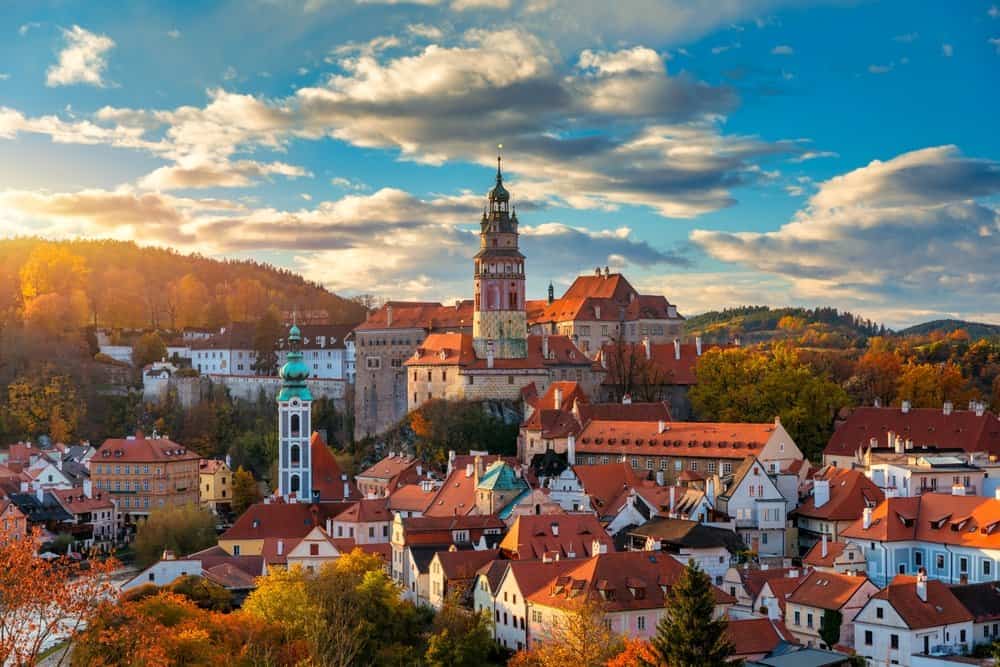
Náměstí Svornosti is the main square of Český Krumlov, a medieval town in South Bohemia that curves around a dramatic bend in the Vltava River. The square sits at the heart of the Old Town, ringed by pastel-colored Renaissance and Baroque facades that lean slightly inward as if drawn together by centuries of proximity. This is where locals buy vegetables on market days, where tourists photograph each other in front of the Plague Column, and where the real rhythm of the town becomes visible once the day-trippers thin out.
The square measures roughly 40 meters on its longest side and feels intimate rather than grand. Street musicians sometimes set up near the column. On summer evenings, the light turns golden and catches the details of the buildings in a way that explains why Český Krumlov has drawn painters and photographers for decades.
Why this place matters
Náměstí Svornosti is not a monument or a museum. It is the functioning center of a town that has survived as a coherent medieval settlement, which is rare in Central Europe. Most old town squares have been heavily rebuilt or commercialized beyond recognition. This one retains the scale and proportions that medieval townspeople would have known, even as shops and cafes now occupy the ground floors.
The square also anchors the visual and practical geography of Český Krumlov. If you arrive by train or bus, you will walk through the Old Town to reach it. If you stay in a pension or hotel nearby, you will likely cross it several times daily. It is the natural gathering point and the easiest place to orient yourself.
Quick facts
- Located in the Old Town of Český Krumlov, a UNESCO World Heritage site since 1992
- The Plague Column at the center was erected in the 17th century
- Surrounded by buildings dating from the 15th to 19th centuries
- Always open and free to access
- Approximately 10 to 15 minutes on foot from the train station
- Market stalls often occupy the square on weekday mornings
Getting there
The walk from Český Krumlov train station takes about 10 to 15 minutes depending on your pace and where you start within the station complex. Exit toward the town center, cross the main road, and follow signs or the general flow of pedestrians into the Old Town. The narrow streets slope downward toward the square and the river.
If you arrive by bus, the station is closer to the Old Town. Again, follow pedestrian signs toward the historic center. The square is impossible to miss once you enter the network of medieval streets.
There is no vehicle access to náměstí Svornosti itself. Parking is available in several paid lots on the outskirts of the Old Town, a short walk away. If you are staying in the town center, you will likely reach the square on foot from your accommodation.
The layout and experience
The square is rectangular and slightly sloped. The Plague Column dominates the center, a tall stone monument topped with a figure of the Virgin Mary. Four main streets feed into the square from different directions. Town Hall occupies the north side, a building with a distinctive tower and Renaissance arcading.
The eastern and southern sides are lined with residential buildings, many with painted facades or decorative details. Ground-floor storefronts now house cafes, restaurants, souvenir shops, and a small brewery. The western side opens toward streets that lead toward the castle and the river.
In the mornings, especially Tuesday through Saturday, local vendors set up stalls selling vegetables, flowers, and baked goods. By mid-morning on peak season days, the square fills with tourists. If you prefer a quieter experience, visit early (before 9 am) or in the evening after 6 pm. Winter months are noticeably less crowded.
Main highlights
The Plague Column is the visual centerpiece. These columns were erected across Central Europe as thanksgiving for deliverance from plague outbreaks, typically in the 17th century. This one is carved limestone and shows the wear of centuries, which is part of its appeal. The statue at the top has been weathered smooth by rain and wind. You can walk around the base and examine the inscriptions and reliefs, though some detail has been lost to time.
Town Hall warrants a closer look. The building dates from the 14th century but was substantially rebuilt in the Renaissance period. The tower is visible from many points in the Old Town and is the most reliable landmark for navigation. If you enter the building (access is sometimes available during business hours), you can see the Renaissance arcading up close and occasionally find small exhibitions or tourist information.
The surrounding facades are worth studying at ground level. Many buildings retain original Gothic or Renaissance details: arched doorways, carved lintels, painted decorative bands, coats of arms. Windows vary in size and placement, reflecting the different periods and purposes of each building. Photographers find endless detail in the texture and color of the walls, especially in soft morning or evening light.
Cafes and restaurants with outdoor seating allow you to sit at the square for an hour or more. The experience of watching the square change throughout the day, from quiet morning to crowded afternoon to nearly empty evening, is itself the point.
History and background
Český Krumlov developed around the 13th century as a settlement serving the castle that overlooks it. The town was granted market rights, which meant the central square became the commercial and administrative heart. The current layout of streets and the square itself date largely from the medieval period, though buildings have been rebuilt and modified many times.
The Plague Column was likely erected in the 1680s, following one of the recurring plague outbreaks that swept through Central Europe. Such columns were both religious monuments and public health memorials, visible reminders of collective survival and faith.
During the 19th and early 20th centuries, Český Krumlov was part of the Austro-Hungarian Empire and later Czechoslovakia. The town declined in relative importance as larger cities industrialized, which paradoxically preserved its medieval character. Major development and tourism came only after 1989, following the fall of communism and the opening of the Czech Republic to international visitors.
In 1992, Český Krumlov's Old Town was inscribed as a UNESCO World Heritage site. The square and its surrounding buildings are part of this protected zone, which means any alterations or renovations must meet strict historical standards.
Best time to visit
Summer (June through August) brings the most visitors and the liveliest atmosphere. The square is crowded from mid-morning through early evening. Outdoor cafes are fully open, and evening light is long. Hotels and pensions tend to be fully booked, and prices are highest.
Spring (April and May) and fall (September and October) offer a middle ground. Weather is mild, crowds are notably smaller, and the light can be exceptional. Many businesses remain open, and you can still find accommodation without booking months in advance.
Winter (November through March) is quiet. Snow occasionally falls and clings to the facades and roofs, creating postcard views. Many seasonal cafes and souvenir shops close. If you want to experience the square as locals do, winter is the time. On clear winter mornings, the light is sharp and the air is crisp.
Market days are typically Tuesday through Saturday mornings. If you want to see the square in its working capacity rather than as a tourist attraction, plan to arrive early on one of these days.
Photography tips
The square photographs well from multiple angles. The Town Hall tower provides a strong vertical element and is best captured from the southern side of the square, where you can include some of the surrounding buildings in context.
Early morning light, roughly between 7 and 9 am, is warm and rakes across the facades at a low angle, emphasizing texture and color. The square is nearly empty at this hour. Late afternoon light (4 to 6 pm) works similarly, though crowds are usually heavier.
The Plague Column is a strong subject when photographed close-up to capture the carved details, or from a distance to show it in relation to the surrounding buildings. Overcast days flatten the light but reduce harsh shadows. Rainy conditions darken the colors and add reflections on wet stone.
If you want to photograph without crowds, avoid the square between 10 am and 4 pm during peak season. Early morning or evening, or a visit in shoulder season or winter, will yield cleaner compositions.
Facilities and preparation
The square itself has no formal facilities. There are public restrooms in or near the Town Hall, though you may need to ask or look for signs. Cafes and restaurants around the perimeter have restroom access for customers.
Water fountains are not prominent on the square itself, but you can buy bottled water at nearby shops or ask at a cafe. Shade is limited unless you sit at a cafe with an umbrella or awning. In summer, the afternoon sun is intense, so sun protection is advisable.
The square is paved with stone and can be slippery when wet. Comfortable walking shoes are essential, as the surrounding Old Town involves climbing stairs and uneven cobblestones. The square itself is level and accessible, but reaching it from outlying areas may require navigation through narrow, sloped streets.
Combining with nearby attractions
Český Krumlov Castle overlooks the town from a hilltop and is reachable by a series of streets and staircases from the square in about 15 to 20 minutes on foot. The castle includes a tower that offers views over the Old Town and the surrounding landscape. Admission to the castle grounds is free; interior tours require a ticket.
The Vltava River curves dramatically around the Old Town just beyond the western edge of the square. A riverside walk or a rented canoe provides a different perspective on the town's setting. Several outfitters near the square can arrange canoe rentals or guided boat tours.
The Old Town itself is small enough to explore thoroughly in a few hours. Streets radiating from the square lead to smaller squares, churches, museums, and galleries. The Church of St. Vitus is about 5 minutes walk from náměstí Svornosti and contains Gothic and Renaissance interior elements.
Several smaller museums and galleries occupy buildings near the square, including a toy museum and a marionette museum. These are modest in scale but offer insight into local crafts and cultural traditions. Most are open daily in peak season and have restricted hours in winter.
Sample visit plan
A minimal visit to náměstí Svornosti might be 30 minutes: arrive, examine the Plague Column, walk around the square noting the buildings and details, sit at a cafe for 10 minutes. This is realistic if you are passing through town for a few hours.
A half-day visit (3 to 4 hours) would include arrival at the square, a leisurely exploration of the surrounding streets and smaller squares, lunch or a cafe break, a walk toward the castle or the river, and a return to the square at a different time of day to see how light and crowds change.
A full-day visit or longer allows you to spend time at the castle, explore multiple museums or galleries, take a canoe trip on the river, return to the square for an evening meal, and experience the town at different times and in different moods. Overnight accommodation in the Old Town or nearby is worthwhile if you want to see the square early in the morning and again in the evening.
Practical tips
- Bring cash. Many smaller cafes and vendors accept only Czech crowns, though this is changing. ATMs are available near the square.
- If visiting in summer, arrive at the square before 9 am or after 5 pm to avoid peak crowds and heat.
- The light changes dramatically depending on time of day and season. If photography is a priority, plan multiple visits or spend several hours observing light conditions.
- Street musicians and informal performers occupy the square at various times. Tips are expected if you stop to listen.
- Restaurants and cafes facing the square charge more than those a few streets away. The quality varies. Ask locals or check recent reviews.
- The square is best experienced on foot and at a slow pace. Rushing through defeats the purpose.
- Winter visits are quieter and offer different aesthetic rewards, but some businesses close and weather can be unpredictable.
FAQ
Is there an admission fee to visit náměstí Svornosti? No. The square is public and free to access at any time. You pay only if you eat at a cafe, shop, or enter a building with a ticketed attraction.
Can I drive to the square? No. The Old Town is pedestrianized, and vehicle access is restricted. Parking is available in several paid lots outside the Old Town, about a 5 to 10 minute walk away.
What is the best time of day to visit? Early morning (before 9 am) or evening (after 5 or 6 pm) offer the fewest crowds and the best light for photography. Midday in summer is crowded and hot.
How long should I spend at the square? A minimum of 20 to 30 minutes if you are passing through. An hour or more is better if you want to sit, observe, and absorb the atmosphere. A full half-day allows exploration of the surrounding Old Town.
Are there restrooms nearby? Yes, in or near the Town Hall and in most cafes and restaurants. Ask staff if you are not a paying customer, and they will usually direct you.
Reviews
Sign in and mark this place visited to leave a review.
No reviews yet.
Free Trip Planner
Plan your Český Krumlov 1 trip with our free planner
Build a day-by-day itinerary with AI suggestions, hand-picked places, and friends. Free forever — no credit card.
Things to see near náměstí Svornosti



Places to eat or drink near náměstí Svornosti
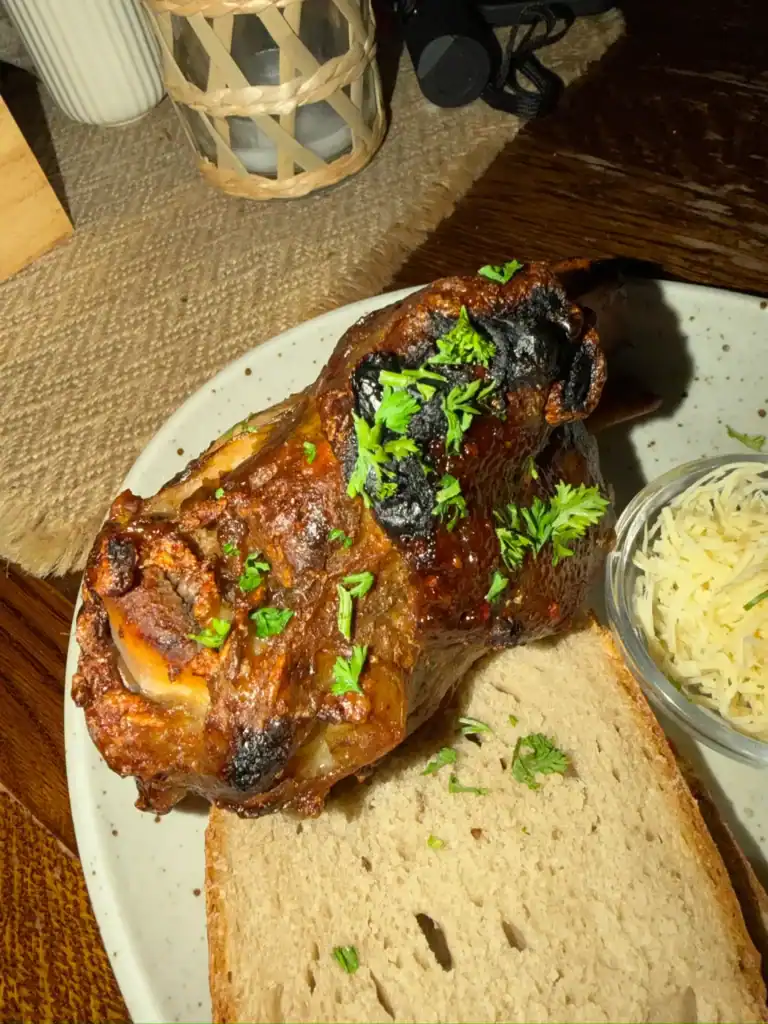
Penzion a restaurace Maštal

Masná 130 House﹠Café

Drunken Coffee


