
 Posted by Brandon B.Admin
What noma actually is — and why it matters
noma, the restaurant on Refshalevej 96 in the Refshaleøen industrial district of Copenhagen, has spent the better part of two decades reshaping how the world thinks about food. Founded by René Redzepi, it opened in 2003 in a converted warehouse on a former naval island, and since then it has been awarded multiple Michelin stars and ranked first on the World's 50 Best Restaurants list four times. That is not a casual achievement. It is, by most serious measures, the most influential restaurant of the 21st century so far.
But noma is also a restaurant that has announced it will transition away from its traditional service model. In early 2023, Redzepi publicly shared plans to close noma as a full-time restaurant by the end of 2024, with the intention of transforming the operation into a food laboratory. What that means practically for future visitors is still evolving, so it is worth checking directly with the restaurant before making any plans.
What follows is a guide to what noma has been and, where confirmed, what it continues to offer.
What the kitchen is known for
noma built its reputation on hyper-seasonal Nordic cuisine. The kitchen has long worked in distinct seasonal menus rather than a single year-round offering. For years, the structure rotated around three defining concepts: a seafood season, a vegetable season, and a game and forest season. Each one arrived with its own visual language, sourcing logic, and set of techniques developed in the restaurant's research kitchen.
Fermentation is central to how noma cooks. The team developed its own miso-style pastes from Scandinavian grains, aged vinegars, and lacto-fermented preparations that show up across dishes in ways that are hard to anticipate until you are eating them. Wild ingredients gathered from Danish coastlines and forests have appeared alongside cultured dairy, live ants (sourced from the Nordic region), and preparations that look more like art installations than plates of food.
The kitchen has also built a reputation for foraging at a professional scale. Ingredients like wood sorrel, sea buckthorn, ramson, and reindeer moss are not garnishes here. They are structural components of dishes that often have no obvious parallel elsewhere.
A meal at noma has historically run across many courses, with the kitchen sending out snacks, larger preparations, and desserts over the course of several hours. It is not a quick dinner.
Atmosphere and setting
The space itself is worth understanding before you arrive. Refshalevej is not a central Copenhagen address. It sits on Refshaleøen, a former shipbuilding island roughly 20 to 25 minutes from the city center depending on how you travel. The building is low and industrial from the outside, with no flashy signage. Inside, the aesthetic has always leaned toward natural materials: wood, stone, dried botanicals, handmade ceramics. The dining room feels considered rather than decorated.
The kitchen is visible. Staff move between the pass and the tables in a way that blurs the usual front-of-house and back-of-house divide. Meals here tend to feel more like a coordinated performance than a transaction, which is either thrilling or slightly intense depending on your temperament.
Service and experience
Service at noma has often been cited as one of its defining qualities, separate from the food itself. The team tends to explain each dish in detail, including where ingredients were sourced and how preparations were made. This is not perfunctory tableside narration. For many guests, the explanations are genuinely part of the meal.
Expect a long evening. Historically, a full dinner service runs well beyond two hours, often closer to four or five. If you are travelling specifically for this meal, plan your evening around it rather than after it.
Reservations and waits
noma has historically been one of the hardest restaurant reservations on earth to secure. During its regular service years, tables were released in advance through the restaurant's own reservation system and often sold out within minutes. Demand consistently outpaced availability by a significant margin.
Given the announced transition away from full-time restaurant service, the reservation situation as of late 2024 and beyond is genuinely different from what it was. The restaurant has hosted pop-up format dinners and special events in place of regular service. If you want to eat at noma in any form, the only reliable approach is to monitor the official website at noma.dk directly and sign up for any notification systems they offer. Third-party booking platforms are unlikely to reflect what is actually available.
Best time to visit
When noma operated its seasonal menus, the transition between seasons was often the most interesting time to visit, when the kitchen was pushing one concept to its limit before pivoting to the next. That rhythm may not apply in the same way going forward.
Copenhagen itself is most accessible and most pleasant between May and September. Refshaleøen in particular has a summer character, with outdoor spaces and neighboring food venues on the island that make the area worth a longer afternoon if you are making the trip out.
Neighborhood and location context
Refshaleøen is not a neighborhood in the traditional sense. It is a former industrial island that has gradually attracted creative businesses, including Copenhagen Street Food (now closed and replaced by other food ventures), art studios, and a handful of bars and casual spots. Getting there typically means a bus from the city center or a bicycle ride, and the journey across the bridge feels intentional, like arriving somewhere specific.
If you are building a Copenhagen trip around a meal at noma, the neighborhoods of Christianshavn and the Inner City are the closest bases, both roughly 20 minutes away on foot or bike from the restaurant.
Who this is for
A meal at noma has never been for everyone, and that is not a criticism. It suits people who want to eat something they will not encounter anywhere else and who are comfortable with food that challenges expectations rather than confirms them. If your ideal dinner involves familiar textures and recognizable flavors, this is probably not the right room.
For serious food travelers, noma remains a pilgrimage destination even in its transitional form. The question is less whether it is worth the effort and more whether you can actually get a seat.
Good to know before you go
- Verify the current service format directly at noma.dk before making any travel plans around a reservation.
- Refshaleøen is not walkable from the city center. Budget time for the journey and consider combining it with a visit to the island's other spots.
- Dietary accommodations have historically been handled with care, but the kitchen's menus are highly structured. Contact the restaurant well in advance if you have restrictions.
- Dress code is smart casual. The space is relaxed in atmosphere but guests tend to dress for the occasion.
- The wine pairing and non-alcoholic pairing options have historically been substantial additions to the meal, both in experience and in cost.
Frequently asked questions
Is noma still open?
noma announced plans to end regular restaurant service by the end of 2024 and transition into a food laboratory model. It has continued to host special dinners and events. Check noma.dk for the current status before making plans.
How do you get a reservation?
Reservations are made through the official website. During regular service, availability went fast. For any upcoming special events, the same applies. There is no reliable shortcut.
How far is noma from central Copenhagen?
Refshalevej 96 is roughly 20 to 25 minutes from the city center by bus or bicycle, depending on your starting point.
What should I expect to pay?
noma sits firmly at the fine dining tier, with a full tasting menu and optional beverage pairings representing a significant investment. It is one of the most expensive dining experiences in Scandinavia.
Is there parking on Refshaleøen?
Parking is available on the island, but most visitors arriving from central Copenhagen find public transit or cycling more practical given the distances involved.
Reviews
Sign in and mark this place visited to leave a review.
No reviews yet.
Free Trip Planner
Plan your Copenhagen trip with our free planner
Build a day-by-day itinerary with AI suggestions, hand-picked places, and friends. Free forever — no credit card.
Things to see near noma
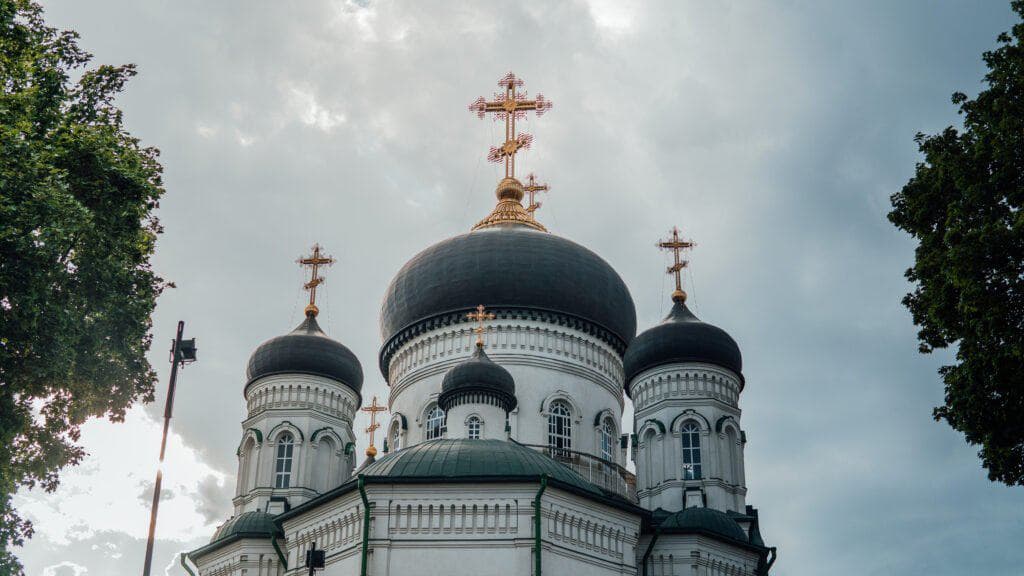
Church of Our Saviour

Freetown Christiania
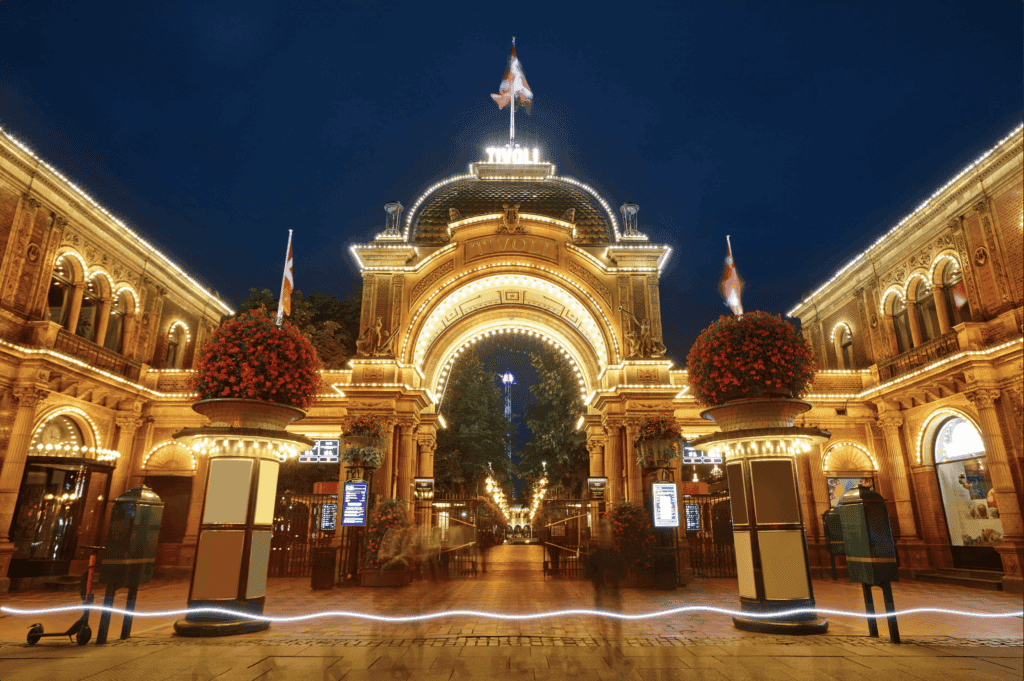
Tivoli Gardens

Nyhavn
Places to eat or drink near noma


More places in Copenhagen

Balderdash

Aamanns Deli & Takeaway | Østerbro

Amass Restaurant
