
 Posted by Brandon B.Admin
Nyhavn: Copenhagen's Most Iconic Waterfront
Nyhavn is Copenhagen's most recognizable waterfront district, a 17th-century harbor lined with colorful 18th-century townhouses, seafood restaurants, and bars that spill onto the cobblestones. Located in central Copenhagen just steps from Kongens Nytorv square, this 390-meter-long canal transformed from a working dock into a thriving cultural and leisure destination. Whether you arrive by foot from the city center or by boat from the harbor, Nyhavn's painted facades and bustling energy make it impossible to miss. The district pulses with life year-round, though it reaches peak energy during summer months when locals and tourists pack the outdoor seating areas.
Why This Place Matters
Nyhavn sits at the heart of Copenhagen's post-industrial renaissance. When the harbor fell into decline in the mid-20th century, the district became a blank canvas for urban revitalization. By the 1980s, artists and young professionals moved into the derelict buildings, gradually transforming it into the cultural hotspot it is today. The district now anchors Copenhagen's identity as a city that honors its maritime past while embracing contemporary culture.
The neighborhood also represents a turning point in Danish urban planning, where preservation met development. Rather than demolish the historic structures, Copenhagen chose restoration, creating a model that influenced harbor regeneration projects across Northern Europe.
Quick Facts
- Length: 390 meters along the canal
- Built: Canal constructed in 1671; most townhouses date from the 1680s to 1780s
- Location: Directly connected to Kongens Nytorv in Copenhagen's city center
- Free to visit: No admission charge for walking the district
- Best viewed: From the waterside promenade or from small boats in the canal
- Accessibility: Flat, paved cobblestone walkways throughout
Getting There
Nyhavn sits in central Copenhagen, making it accessible from nearly anywhere in the city within 15 to 20 minutes. If you're coming from the train station (Københavns Hovedbanegård), the walk takes roughly 15 minutes heading northeast through Tivoli Gardens and into the historic quarter. The most direct route follows Strøget, Copenhagen's main pedestrian shopping street, which connects directly to Kongens Nytorv at the top of Nyhavn.
By metro, the closest station is Kongens Nytorv (Red Line), which emerges directly at the square overlooking the harbor. Several bus routes also stop nearby, though walking from the city center is often faster and more pleasant. If you arrive by water, harbor tours and water taxis drop visitors directly at the Nyhavn quay.
Parking near Nyhavn is limited and expensive. Most visitors arrive on foot, by public transport, or via the extensive cycling infrastructure that connects the neighborhood to the rest of Copenhagen.
The Layout and Experience
Nyhavn's geography is straightforward but rewarding to explore. The canal runs north-south, with Kongens Nytorv at its southern entrance and a small harbor basin opening to the north. The east side (left bank when facing north) hosts most of the restaurants and bars, while the west side (right bank) features a mix of shops, cafes, and smaller eateries. The waterfront itself is public space, lined with benches and low walls where you can sit and watch the boats.
The townhouses themselves are the real attraction. Each building carries its own color and character, ranging from deep reds and ochres to pale yellows and greens. Most date from the late 1600s and early 1700s, though some have been rebuilt after fires. The ground floors house restaurants, galleries, and small shops, while the upper floors remain residential or serve as offices and studios.
Walking the full length takes 10 to 15 minutes without stopping. Most visitors spend 1 to 3 hours here, lingering over a meal, browsing galleries, or simply sitting by the water. The experience changes dramatically depending on the season and time of day. On a summer evening, Nyhavn is packed shoulder-to-shoulder; on a winter morning, it feels almost intimate.
Main Highlights
The townhouses themselves are Nyhavn's primary draw. Look up as you walk: the facades reveal details like original window frames, roof dormers, and painted details that hint at centuries of maritime life. The oldest buildings cluster near Kongens Nytorv, while newer reconstructions extend toward the harbor basin.
Several buildings carry historical weight. Number 18 was home to Hans Christian Andersen during different periods of his life, though the building has been heavily reconstructed. Number 67 operated as a sailors' tavern and retains some of its original interior character. Plaques and small signs mark notable addresses, though they're easy to overlook in the crowd.
The boat traffic itself provides constant activity. Harbor tours depart regularly from the northern basin, and water taxis navigate the canal. In summer, you'll see everything from historic wooden vessels to modern tour boats. The vessels are working reminders of Nyhavn's maritime identity.
Small galleries and design shops line the ground floors, particularly on the west side. These tend to showcase Danish craftsmanship, contemporary art, and design. Hours vary, but most are open during daylight hours year-round.
History and Background
Nyhavn was built as a working harbor in 1671, when Copenhagen's original medieval harbor had become too cramped for the city's growing maritime trade. The name means "new harbor" in Danish, a practical designation that stuck. Danish engineers dug the canal and built the surrounding quays to accommodate merchant ships, naval vessels, and fishing boats that supplied the city with goods and protein.
The townhouses that line the canal were built over the following century by merchants, captains, and dock workers. These buildings reflected the prosperity of Danish maritime trade, which reached its peak in the 1700s. Many served as combined residences and warehouses, with goods stored below and families living above.
By the late 1800s, as ships grew larger and deeper-drafted, the shallow Nyhavn canal became less practical for commercial shipping. The harbor fell into decline. By the mid-20th century, Nyhavn had deteriorated into a run-down district associated with bars, sailors, and petty crime.
The renaissance began in the 1960s and accelerated through the 1980s. Young artists and bohemians moved into the cheap, abandoned buildings, attracted by the atmosphere and low rent. Gradually, restaurants and cafes opened. By the 1990s, gentrification was complete. Nyhavn had become fashionable, expensive, and central to Copenhagen's image. Today, most buildings are carefully preserved, and rents are among the highest in the city.
Best Time to Visit
Summer (June through August) brings sunshine, outdoor seating, and crowds. If you enjoy energy and people-watching, this is ideal. Expect to share the waterfront with thousands of others, and reserve restaurants well in advance if you want a guaranteed table.
Spring (April and May) and autumn (September and October) offer milder alternatives. The weather is unpredictable but often pleasant, and the crowds thin considerably. These shoulder seasons suit visitors who want to photograph and explore without fighting through throngs.
Winter (November through March) transforms Nyhavn into a quieter, moodier version of itself. The light is gray and low, the water reflects the colorful facades like a mirror, and the district feels more authentic. Restaurants still operate, but outdoor seating disappears. Winter visits suit photographers and those seeking a more contemplative experience.
Nyhavn is worth visiting regardless of season, but your experience will differ dramatically. First-time visitors often prefer summer for energy and guaranteed good weather. Returning visitors and photographers often prefer the shoulder seasons or winter.
Photography Tips
Nyhavn is one of the most photographed spots in Scandinavia, which means competition for unique angles is fierce. The classic shot is taken from the center of the canal looking toward the colorful facades, usually in the late afternoon when the sun catches the building fronts. Every visitor takes this photo.
For something less clichéd, arrive early in the morning (before 9 AM) when the light is soft and the crowds haven't arrived. The water is often perfectly still, creating mirror reflections. Photograph the facades close-up, focusing on architectural details like painted shutters, flower boxes, and rooflines.
The east and west sides offer different perspectives. Shooting from the water toward the buildings captures the full height and color of the facades. Shooting from street level emphasizes the crowds and restaurant activity. Overhead shots from nearby bridges (like the one at Kongens Nytorv) show the geometric pattern of the rooflines and the organization of the waterfront.
Winter light is exceptional. The low, weak sun creates long shadows and subtle color contrasts. Rainy days, when the cobblestones are wet and reflective, often produce the most atmospheric images.
Facilities and Preparation
Nyhavn is a fully developed tourist destination, so facilities are readily available. Restrooms are found in most restaurants and cafes, though they typically expect customers to order something. Public restrooms are located at nearby Kongens Nytorv.
The cobblestone surface is uneven in places, making comfortable walking shoes essential. The walkway is flat but worn, and in winter it can be slippery. Pushing a stroller is possible but challenging due to the crowds and uneven stones.
Weather preparedness matters. Bring a jacket or layers, as the harbor creates wind and the open waterfront offers no shelter. In summer, sunscreen and a hat are wise. In winter, waterproof outer layers are recommended, as the area is fully exposed.
Cash and cards are both widely accepted. ATMs are plentiful throughout the neighborhood and at nearby Kongens Nytorv.
Combining with Nearby Attractions
Nyhavn is ideally positioned to anchor a walking tour of central Copenhagen. Kongens Nytorv, the grand square directly above the harbor, hosts the Royal Danish Theatre and provides views toward Strøget. The walk to Amalienborg Palace (where the Danish royal family resides) takes about 15 minutes northeast along the waterfront.
Christiansborg Palace, home of the Danish Parliament, lies about 20 minutes south across the harbor. The Rosenborg Castle and its gardens occupy another 15 minutes west. All of these major sites are connected by flat, walkable routes or short metro rides.
For a water-based approach, harbor tours depart directly from Nyhavn and navigate the city's canals, providing a completely different perspective on Copenhagen's geography and architecture. These tours range from 30 minutes to several hours.
Sample Visit Plan
If you have two hours, arrive at Kongens Nytorv in late morning. Walk down into Nyhavn, turn left, and walk the full length of the east side slowly, observing the building details and peering into galleries. Stop for lunch at a restaurant on the east side, ideally with waterfront seating. Spend 30 to 45 minutes eating and people-watching. After lunch, walk back down the west side at a slower pace, popping into any shops that catch your eye. Exit back through Kongens Nytorv and continue exploring the city center.
If you have four hours, add a harbor tour (45 minutes to one hour) departing from the northern basin. Alternatively, spend more time in the galleries and cafes, or walk to nearby Amalienborg Palace. Consider a second meal or coffee break at a different restaurant.
If you have a full day, use Nyhavn as your anchor point but don't spend more than three hours there. Instead, use it as a starting point for exploring Amalienborg, the waterfront walks toward Christianshavn, or the museums and gardens nearby. Return to Nyhavn in the late afternoon or evening to experience the changing light and the shift in atmosphere as day becomes night.
Practical Tips
- Arrive early (before 10 AM) or late (after 5 PM) to avoid peak crowds
- Restaurant prices are significantly higher than elsewhere in Copenhagen; budget accordingly
- Book dinner reservations in advance during summer months
- The waterfront is public; you don't need to eat or shop to enjoy it
- Many cafes and bars offer outdoor seating year-round with heaters in winter
- Water taxi services offer an alternative way to experience the harbor
- The district has limited shade; bring sun protection in summer
- Winter visits often reward you with fewer crowds and better light for photography
FAQ
Is Nyhavn free to visit? Yes. Walking the waterfront and exploring the exteriors of the buildings costs nothing. You only pay if you eat, drink, or take a tour.
How long should I spend at Nyhavn? Most visitors spend 1 to 3 hours. You can walk the full length in 15 minutes, but the real experience comes from sitting, eating, and absorbing the atmosphere.
Can I swim or boat in the canal? Swimming is not permitted in Nyhavn itself, though the harbor is monitored for water quality. Organized boat tours and water taxis operate regularly from the basin.
What should I eat at Nyhavn? Seafood is traditional and excellent, though prices reflect the location. Smørrebrød (open-faced sandwiches) and Danish pastries are also popular. Dozens of restaurants and cafes cater to all budgets and tastes.
Is Nyhavn accessible for people with mobility issues? The waterfront promenade is flat and paved, but the cobblestones are uneven. Restaurants and shops at ground level are accessible, though some interiors have steps. The area is generally manageable for those with mild mobility challenges but may be difficult for wheelchair users.
Reviews
Sign in and mark this place visited to leave a review.
No reviews yet.
Free Trip Planner
Plan your Copenhagen trip with our free planner
Build a day-by-day itinerary with AI suggestions, hand-picked places, and friends. Free forever — no credit card.
Things to see near Nyhavn

Church of Our Saviour

Freetown Christiania
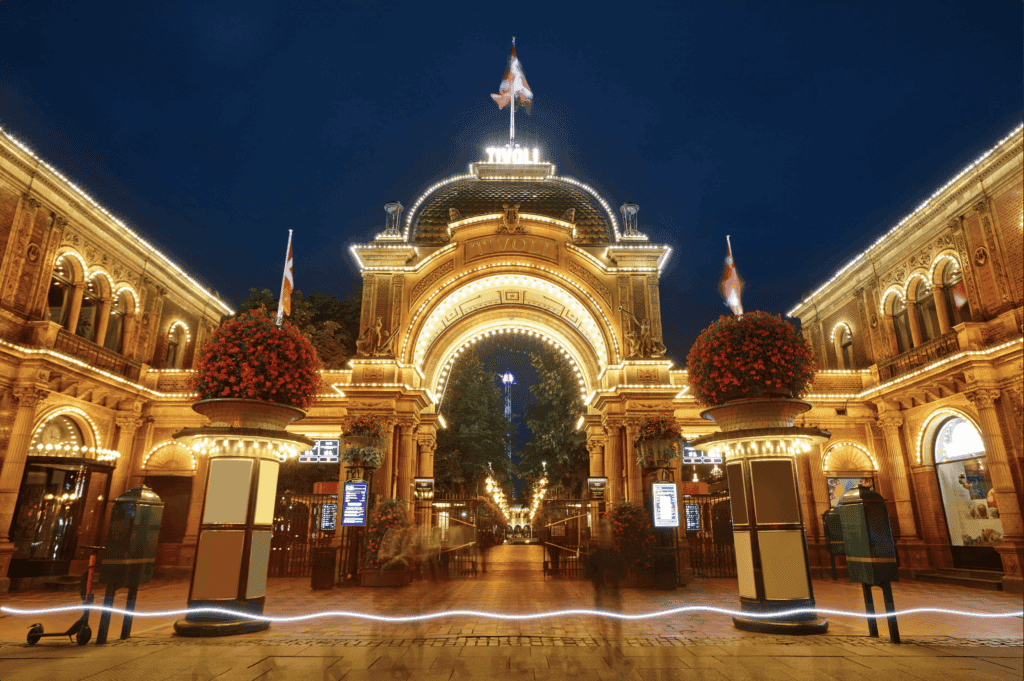
Tivoli Gardens
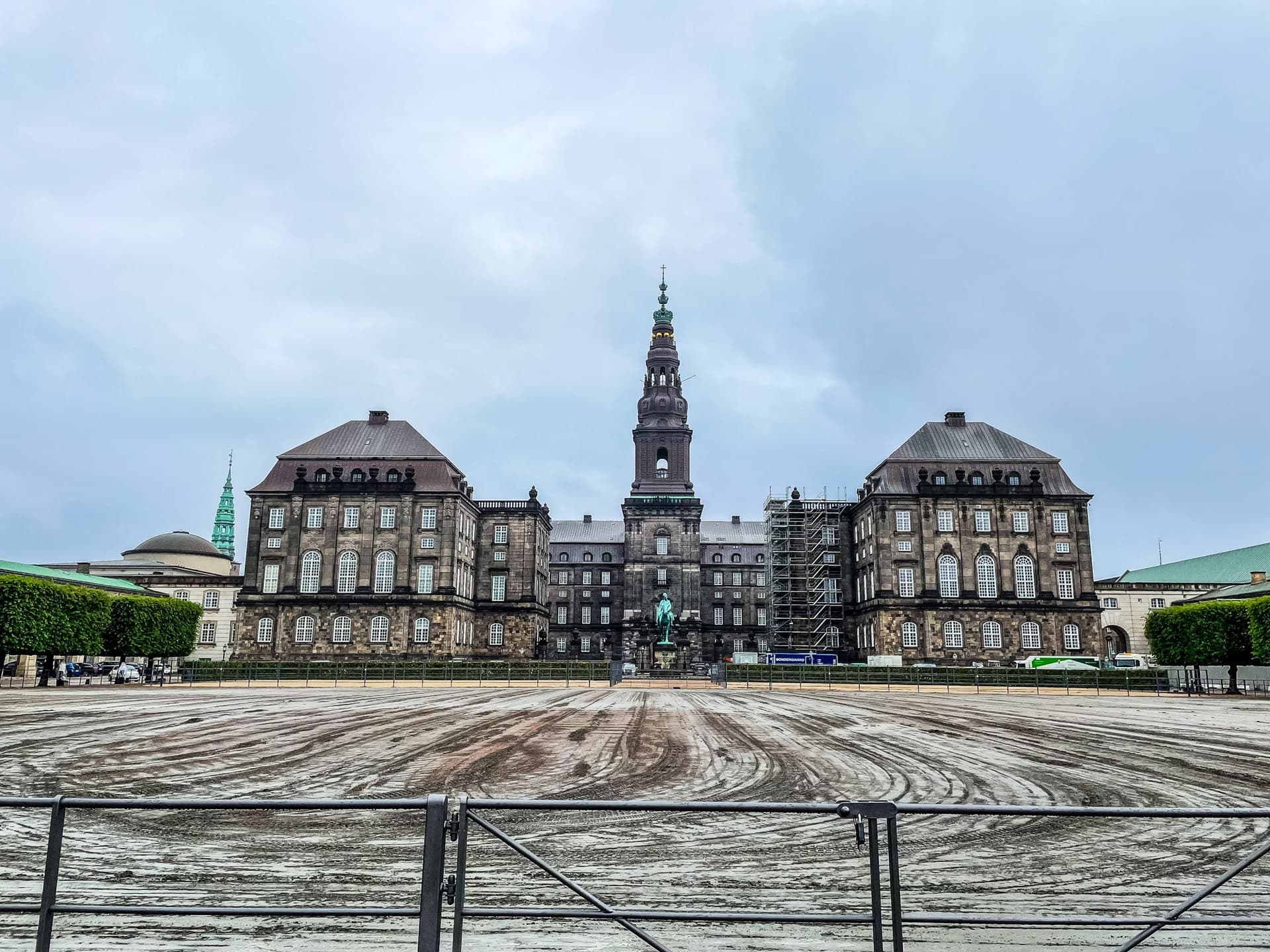
Christiansborg Palace
Places to eat or drink near Nyhavn




More places in Copenhagen

Balderdash

Aamanns Deli & Takeaway | Østerbro

Amass Restaurant
