
Pere-Lachaise Cemetery
8 Boulevard de Menilmontant, 75020 Paris France Posted by Brandon B.Admin
Pere-Lachaise Cemetery: Paris's most visited burial ground
Pere-Lachaise Cemetery sits in the 20th arrondissement of Paris, sprawling across 44 hectares of tree-lined pathways and stone monuments. Established in 1804, it has become one of the world's most visited cemeteries, drawing nearly two million visitors annually. The ground itself feels more like a sculpture park than a traditional graveyard. You'll walk past elaborate tombs, chapel-like structures, and monuments dedicated to figures from music, art, literature, and politics. The cemetery's reputation rests partly on its famous residents, but also on the architectural and artistic treasures scattered throughout.
Why this place matters
Pere-Lachaise represents something unusual: a burial ground that functions as both a historical record and a pilgrimage site. The cemetery documents two centuries of Parisian life and international cultural achievement. Its graves span everyone from Honoré de Balzac to Jim Morrison, from Oscar Wilde to Frédéric Chopin. Beyond the names, the cemetery itself is a work of 19th-century landscape design, with winding paths, formal sections, and natural groves that reveal something about how Paris has thought about death, remembrance, and public space.
For visitors, Pere-Lachaise functions as an outdoor museum of sculpture and monument design. The tombs themselves tell stories through their materials, inscriptions, and artistic choices. You can spend hours simply observing the evolution of funerary art across different eras and cultures.
Quick facts
- Opened in 1804 on the former grounds of a Jesuit retreat
- Covers 44 hectares with around 70,000 graves
- Two million visitors per year, making it the most visited cemetery in the world
- Main entrances at Boulevard de Menilmontant (north) and Rue des Rondeaux (south)
- Entry is free
- Open daily from 8 AM to 6 PM in summer, with shorter hours in winter
- Approximately 1 to 2 hours minimum to see the main monuments
Getting there
The easiest entrance is from Boulevard de Menilmontant at the northern edge. Metro line 2 stops at Philippe Auguste station, which puts you about 10 minutes' walk away. Alternatively, the Pere-Lachaise Metro station on line 2 is closer to the southeastern corner of the cemetery, near Rue des Rondeaux. If you arrive by bus, lines 61, 69, and 102 serve the area. The Menilmontant entrance tends to be less crowded than the Pere-Lachaise station entrance.
Parking exists in the surrounding neighborhood, though spots fill quickly during peak hours. A taxi or ride-share from central Paris typically takes 15 to 25 minutes depending on traffic.
The layout and experience
Walking through Pere-Lachaise means navigating an intricate network of paths without clear directional signage. This can be frustrating or meditative depending on your mood. The cemetery is divided into numbered sections, and free maps are available at the main entrances. Most visitors pick up a map and then lose themselves somewhat intentionally, discovering monuments and graves at random.
The terrain slopes considerably. You'll climb steadily from the northern entrance toward the highest points in the cemetery. Wear comfortable walking shoes. The paths are paved but uneven in places, especially in older sections where tree roots have shifted the ground. In wet weather, certain areas become slippery.
The cemetery feels different depending on where you are. The older sections near the Menilmontant entrance contain the densest concentration of monumental tombs, with some standing 10 to 15 feet tall. Moving south and east, you'll find more modest graves, contemporary sections with simpler markers, and areas that feel quieter and more removed. The eastern edge borders residential neighborhoods and feels less manicured than the central areas.
Main highlights
Most visitors prioritize a handful of famous graves. Jim Morrison's tomb, located in section 6, draws crowds year-round. The grave itself is relatively modest compared to many surrounding monuments, but flowers and notes left by visitors accumulate constantly. Finding it can take time even with a map.
Oscar Wilde's monument stands in section 61, marked by a large limestone angel sculpture. The grave has historically attracted lipstick kiss marks from admirers, though the cemetery now protects it behind glass.
Chopin's grave lies in section 11. His monument features a muse figure and remains one of the cemetery's more visited spots. Balzac, Molière, and La Fontaine have prominent monuments in earlier sections, though their graves are less crowded than Morrison's or Wilde's.
Beyond individual graves, certain architectural works stand out. The Lutetia tomb in section 30 is an Art Deco masterpiece. The Carotenuto family tomb in section 27 showcases 19th-century sculptural excess. The chapel of Saint-Louis de Gonzague near the center offers a moment of quiet and shelter if you need it. The Columbarium, built in the 1880s, features a neoclassical design with thousands of individual niches.
The Communards' Wall, located near the eastern edge in section 85, marks the spot where 147 members of the Paris Commune were executed in 1871. A memorial plaque and sculpture now honor them.
History and background
Pere-Lachaise was created in response to overcrowding in Paris's inner cemeteries. The land itself had belonged to the Jesuits, specifically to their retreat house. Napoleon's prefect Frochot oversaw the cemetery's establishment and initial development. The first burial took place in 1804, though the cemetery remained relatively unpopular for its first two decades. Its reputation grew dramatically in the mid-1800s as prominent Parisians and notable figures began requesting burial there, and once the wealthy and famous started choosing it, demand accelerated.
The cemetery's design reflects Romantic-era attitudes toward landscape and death. Winding paths encourage contemplation. Trees provide shade and seasonal variation. Monuments range from simple crosses to elaborate family chapels, reflecting the wealth and status of those buried there. The cemetery became not just a burial place but a statement about cultural values and artistic ambition.
The cemetery survived two world wars relatively intact, though it has undergone periodic renovations and maintenance. Recent decades have brought efforts to conserve aging monuments and manage the massive visitor flow.
Tickets and entry
Entry to Pere-Lachaise is free. No advance reservation is required. You can arrive any day during operating hours and walk through immediately. Maps are provided free at the main entrances. Some visitors hire guides for group tours, which typically run 1.5 to 2 hours and focus on famous graves and cemetery history. These are optional and cost money, but many people navigate the cemetery successfully on their own with a map and a bit of patience.
Best time to visit
Early morning visits, ideally before 10 AM, mean fewer crowds and better light for photography. Weekdays tend to be quieter than weekends. If you visit on a weekend, expect to share paths and popular graves with many others.
Spring brings blooming trees and fresh growth, making the cemetery feel alive and beautiful. Summer is warmest but also most crowded. Fall offers golden light and fewer visitors as tourist season winds down. Winter brings bare branches and shorter days, but the cemetery feels peaceful and contemplative in this season. Rain or overcast days, counterintuitively, can be ideal. The light is soft, the paths feel less crowded, and the mood suits the place.
Photography tips
The cemetery offers endless photography subjects. Early morning light from the east creates dramatic shadows on monuments. The tree-lined paths photograph well in all seasons. Respect the fact that this is an active burial ground. Avoid photographing graves of people you don't know without good reason. Many visitors focus on the architecture, inscriptions, and artistic details rather than the graves themselves.
Bring a polarizing filter if you shoot digitally. Stone monuments photograph better with reduced glare. Overcast light is actually ideal for cemetery photography because it eliminates harsh shadows and reveals detail in stone textures. Zoom lenses help you capture monument details without trespassing on individual grave sites.
Facilities and preparation
The cemetery has limited facilities. One or two cafes operate near the main entrances, offering basic drinks and snacks. There are restroom facilities near the entrances, though they are basic. No water fountains are distributed throughout the interior. Bring water, especially on warm days. The walk can easily consume 2 to 4 hours depending on how thoroughly you explore.
Wear comfortable, sturdy walking shoes. The terrain is uneven and hilly. In wet conditions, paths become slippery. A light rain jacket is wise. Sunscreen and a hat help on sunny days. Some visitors bring a small notebook to record grave locations or interesting inscriptions.
If you have mobility issues, the cemetery's hilly terrain and uneven paths present challenges. The northern entrance is the most accessible, but even that requires climbing and walking on uneven surfaces. Wheelchairs are possible but difficult.
How it compares to similar places
Pere-Lachaise is notably different from other famous cemeteries. Montmartre Cemetery, also in Paris, is smaller and less visited but equally atmospheric. Père Lachaise's scale and fame create a different experience. The sheer number of visitors and the celebrity graves make it feel more like a historical attraction than a contemplative burial ground, especially on busy days.
Cemeteries like Highgate in London or Glasnevin in Dublin offer similar architectural and historical interest, but Pere-Lachaise's density of world-famous graves and its role in Parisian cultural memory set it apart. It functions simultaneously as a working cemetery, a historical archive, and a tourist destination in ways that other cemeteries do not.
Combining with nearby attractions
The cemetery sits in the Menilmontant neighborhood, which has its own character and appeal. The area around Rue de Menilmontant and Rue Oberkampf contains independent shops, vintage stores, and cafes. The nearby Belleville neighborhood, accessible by a short walk or metro ride, is known for street art, affordable restaurants, and local character.
Montmartre is a 15-minute Metro ride away. The Marais district and its museums are about 20 minutes by Metro. The Pere-Lachaise visit pairs naturally with a walk through the surrounding neighborhoods rather than with major museum visits.
Sample visit plan
Arrive by 9 AM at the Menilmontant entrance. Pick up a map. Spend your first 30 minutes exploring the impressive monuments in sections 1 to 11, including Chopin's grave and some of the cemetery's most elaborate tombs. Then head toward section 6 to find Jim Morrison's grave, which typically takes 20 to 30 minutes depending on how lost you get. Continue to section 61 for Oscar Wilde's monument. By now it's mid-morning. Walk back through the central sections, taking your time to observe architectural details and read inscriptions. If you have energy and time, explore the eastern sections toward the Communards' Wall. Plan to exit by early afternoon. This gives you 3 to 4 hours on the ground, which is enough to see the main sights without rushing but not so long that the experience becomes exhausting.
Practical tips
- Arrive early to avoid crowds and benefit from better light for photography
- Pick up a map at the entrance and use your phone's map app as backup
- Bring water and wear comfortable shoes with good grip
- Allow 3 to 4 hours for a thorough visit, or 1.5 to 2 hours if you focus only on the most famous graves
- Don't rely solely on GPS inside the cemetery, as phone signals can be weak in some sections
- Respect the fact that people are buried here. Speak quietly and avoid loud behavior
- Visit on a weekday if possible to experience fewer crowds
- The Menilmontant entrance is generally less crowded than the Pere-Lachaise station entrance
FAQ
How long does a visit typically take? Most visitors spend 2 to 4 hours. If you focus on the most famous graves only, you can complete a visit in 1.5 to 2 hours. A thorough exploration of multiple sections takes 4 to 5 hours.
Is it respectful to visit a cemetery as a tourist? Yes, as long as you behave respectfully. Speak quietly, stay on paths, and avoid trespassing on individual graves. The cemetery actively welcomes visitors and manages the flow accordingly.
Can I visit any grave, or are some off-limits? All graves are technically accessible if you stick to the paths. Some sections are more remote than others. Use common sense and don't venture into areas that feel private or heavily restricted.
Is there food available inside the cemetery? Limited options exist near the entrances. Plan to eat before entering or bring snacks and water.
What's the easiest entrance to use? The Menilmontant entrance at Boulevard de Menilmontant is generally less crowded and offers good access to the main monuments. The Pere-Lachaise Metro station entrance is also convenient but busier.
Opening hours
Reviews
Sign in and mark this place visited to leave a review.
No reviews yet.
Free Trip Planner
Plan your France trip with our free planner
Build a day-by-day itinerary with AI suggestions, hand-picked places, and friends. Free forever — no credit card.
Related reading
Things to see near Pere-Lachaise Cemetery

The Trianons & The Hamlet

Galerie des Carrosses

The Royal Chapel – Versailles

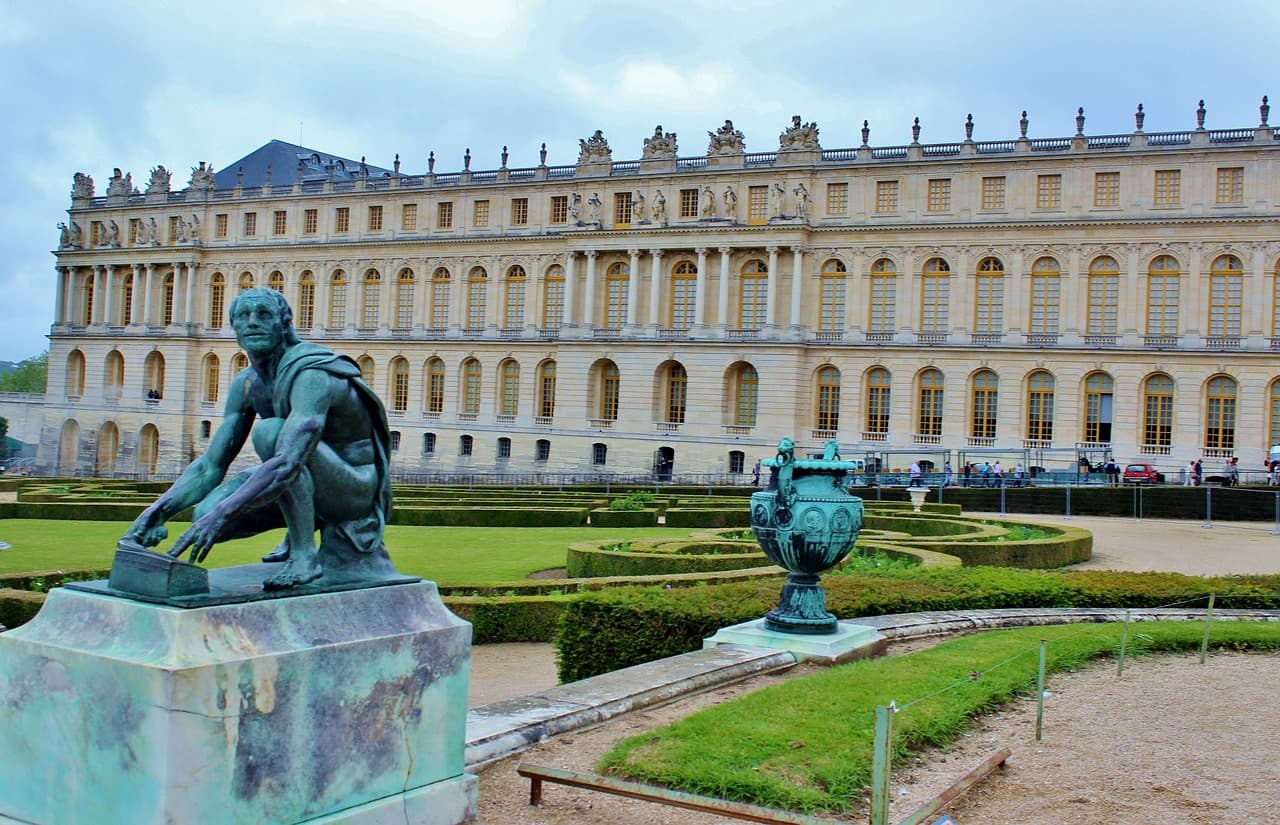
Palace of Versailles
Places to eat or drink near Pere-Lachaise Cemetery



More places in Paris

Alléno Paris au Pavillon Ledoyen

Girafe Restaurant
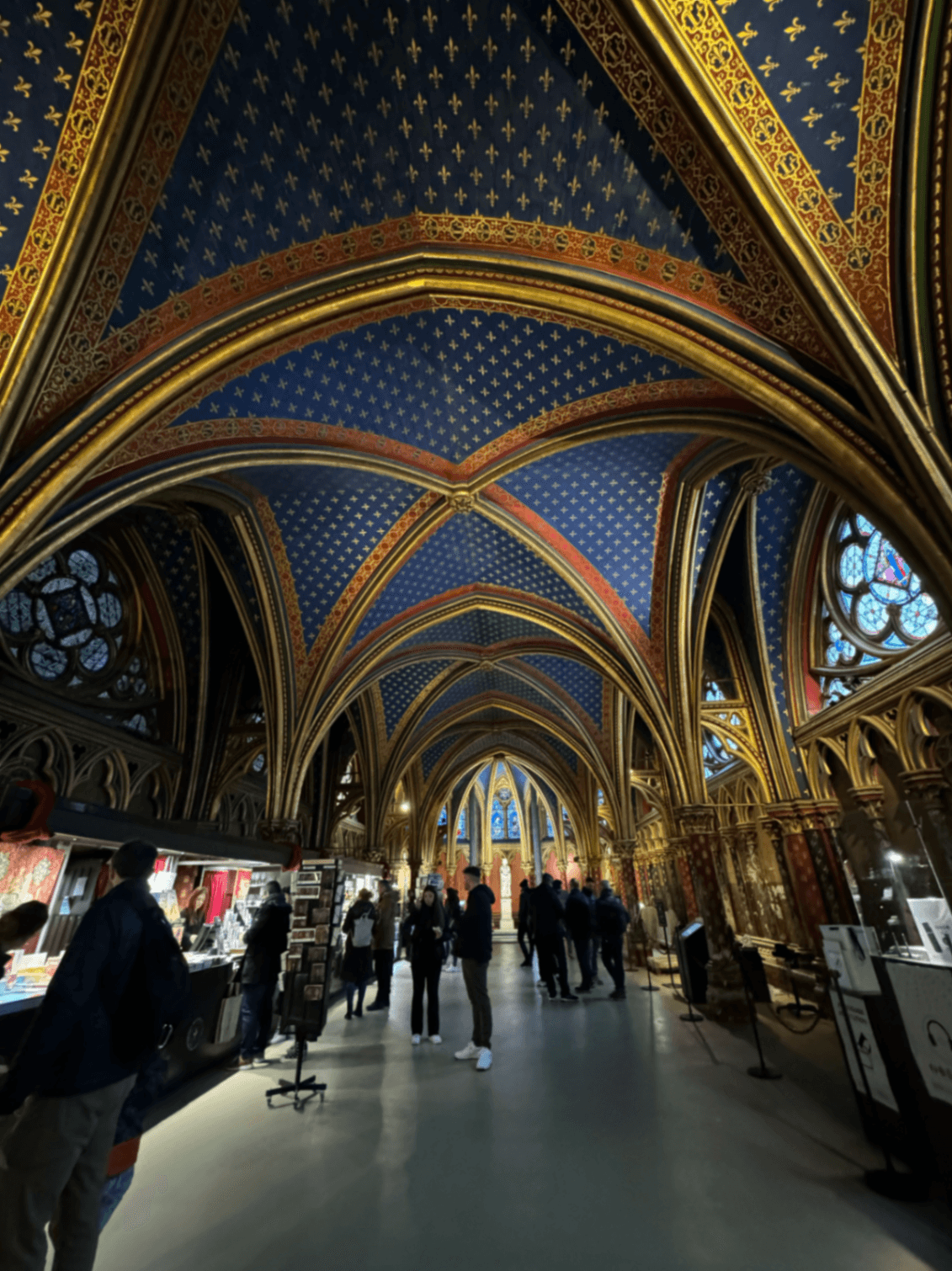
Sainte-Chapelle
