
Real Gabinete Português de Leitura
Real Gabinete Português de Leitura
R. Luís de Camões, 30 - Centro, Rio de Janeiro - RJ, 20051-020, BrazilThe Real Gabinete Português de Leitura sits on a narrow street in Rio de Janeiro's Centro district, a few minutes on foot from Praça Tiradentes. From outside it looks like a government building or an old bank, nothing unusual for this part of downtown Rio. Walk through the door and that impression disintegrates. The reading room inside rises three full galleries of dark carved wood, lit from above by a stained glass skylight, and it is one of the most striking interiors in the city, arguably in the country.
This is not a museum and it was never built to be a tourist attraction. It is a working library, founded by Portuguese immigrants and still serving readers today. That working status shapes everything about a visit: the room is small, the atmosphere is hushed, and you are expected to look, admire, and leave without lingering too long or talking above a murmur.
Why the Real Gabinete Português de Leitura matters
Opened in 1887, the building was constructed by and for Rio's Portuguese community at a time when Portuguese immigration to Brazil was substantial and the two countries' cultural ties ran deep, even decades after Brazilian independence. The facade's limestone was shipped across the Atlantic from Lisbon, which is part of what gives the exterior its pale, almost institutional look against the brick and concrete of surrounding Centro streets.
The architectural style is neo-Manueline, a 19th-century revival of the ornate maritime-themed stonework associated with Portugal's Age of Discovery under King Manuel I in the early 1500s. Twisted rope motifs, armillary spheres, and florid stone tracery, the vocabulary of Belém's Jerónimos Monastery and similar Lisbon landmarks, reappear here on a building raised nearly four centuries later, on the other side of the ocean. It is a deliberate gesture of cultural continuity, built by a diaspora community that wanted to plant a recognizably Portuguese monument in its adopted city.
Inside, the collection is the real substance behind the spectacle. The library holds something in the region of three hundred and fifty thousand volumes, making it the largest collection of Portuguese-language works located outside Portugal itself. For scholars of Lusophone literature and history, it is a serious research resource, not just a photogenic backdrop.
Quick facts
- Opened in 1887, built by Rio de Janeiro's Portuguese immigrant community
- Architectural style: neo-Manueline, modeled on 16th-century Portuguese maritime motifs
- Facade limestone shipped from Lisbon
- Reading room rises three galleries of carved dark wood beneath a central skylight
- Holds roughly 350,000 volumes, the largest Portuguese-language collection outside Portugal
- Located at Rua Luís de Camões, 30, Centro, Rio de Janeiro
- Entry is free
- Still a functioning library, not a museum
Getting there
The library sits in the old core of downtown Rio, close to Praça Tiradentes and within walking distance of the Carioca metro station. Centro is Rio's historic business district, dense with colonial and 19th-century buildings, and this stretch of it is best covered on foot rather than by car, since parking is scarce and traffic is slow-moving during business hours. If you are coming from the South Zone beach neighborhoods, the metro is generally the easiest route in, with a short walk from the station through streets lined with other 19th and early 20th-century facades.
The layout and experience
There is no real layout to navigate because there is essentially one room to see. You enter, the reading room opens up in front of you, and that is the entire visit. The three tiers of wooden galleries are lined with shelving that climbs toward the skylight, and the light that falls through the stained glass changes through the day, which is part of what makes the space feel alive rather than static or museum-like.
Because it functions as an active library, with readers working at tables and librarians moving between stacks, you are a guest in someone else's workplace. Photographs are generally tolerated if taken quickly and quietly, without flash, but this is not a place to set up a tripod or linger for an hour. Most visitors need about ten minutes to take in the room properly, and that is genuinely enough. It rewards a quick, attentive look rather than a long stay.
Tickets and entry
Admission is free. There is no ticket booth and no formal admission process to plan around. The tradeoff for that openness is the expectation of good behavior: keep your voice down, move carefully, and remember that people around you are trying to read or work.
Best time to visit
Weekday mornings tend to be quieter, before Centro's offices and shops fill the surrounding streets with foot traffic. Arriving earlier in the day also tends to mean softer, more even light coming through the skylight, which changes the mood of the room noticeably compared to the flatter light of midday. Since this is a working library and not a tourist site built around visitor flow, there isn't a published visitor calendar to work around, just the general rhythm of Centro, which quiets down considerably on weekends when the business district empties out.
Photography tips
The skylight is the single best reason to bring a camera. Pointing it straight up from near the center of the room captures the full stack of three galleries converging toward the glass, which is the shot most visitors come away with. Because flash is inappropriate and a tripod is impractical in a working reading room, a camera or phone that handles low light reasonably well will serve you better than one that doesn't. Keep the visit brief regardless of how good the light looks.
Combining with nearby attractions
The library sits well within a walking tour of old Centro. Praça Tiradentes is close by, as is the Theatro Municipal and the surrounding cluster of early 20th-century civic buildings further toward Cinelândia. Confeitaria Colombo, Rio's famous Belle Époque café on Rua Gonçalves Dias, is also a short walk away and makes a natural stop either before or after, since both buildings share that same era's taste for imported materials and ornate interiors. Because a visit to the Real Gabinete itself takes only minutes, it fits easily as one stop among several rather than as a destination requiring half a day on its own.
Practical tips
- Plan for a short visit, around ten minutes, rather than building a long itinerary stop around it
- Keep conversation quiet, this is an active reading room with real patrons working
- Photograph quickly and without flash, and skip the tripod
- Pair it with a walk through Centro, since it sits close to Praça Tiradentes and other historic buildings
- Go on a weekday morning if you want calmer streets outside and softer light inside
- Wear comfortable shoes, Centro's sidewalks and street layout favor walking over driving
FAQ
Is the Real Gabinete Português de Leitura a museum?
No. It is an active, functioning library built in 1887 by Rio de Janeiro's Portuguese community, and it still operates as one today. The historic reading room is open to visitors, but reading rooms elsewhere in the building are in daily use.
How much does it cost to visit?
Entry is free.
How long should I plan to stay?
Most visitors find ten minutes sufficient to see the reading room properly. It is a small space, and the point of the visit is the architecture rather than an extended browse.
What makes the architecture significant?
The building is done in neo-Manueline style, reviving the ornate stonework Portugal used during its 16th-century maritime golden age. The facade stone was imported from Lisbon, linking the building directly to Portugal rather than just echoing its style secondhand.
Is it worth visiting if I'm not interested in books?
Yes. The main draw is the room itself, the three stacked wooden galleries and the skylight above them, which stands as one of the more striking interiors in Rio de Janeiro regardless of your interest in the library's holdings.
Reviews
Sign in and mark this place visited to leave a review.
No reviews yet.
Free Trip Planner
Plan your Brazil trip with our free planner
Build a day-by-day itinerary with AI suggestions, hand-picked places, and friends. Free forever — no credit card.
Related reading

Things to see near Real Gabinete Português de Leitura

Ipanema Beach
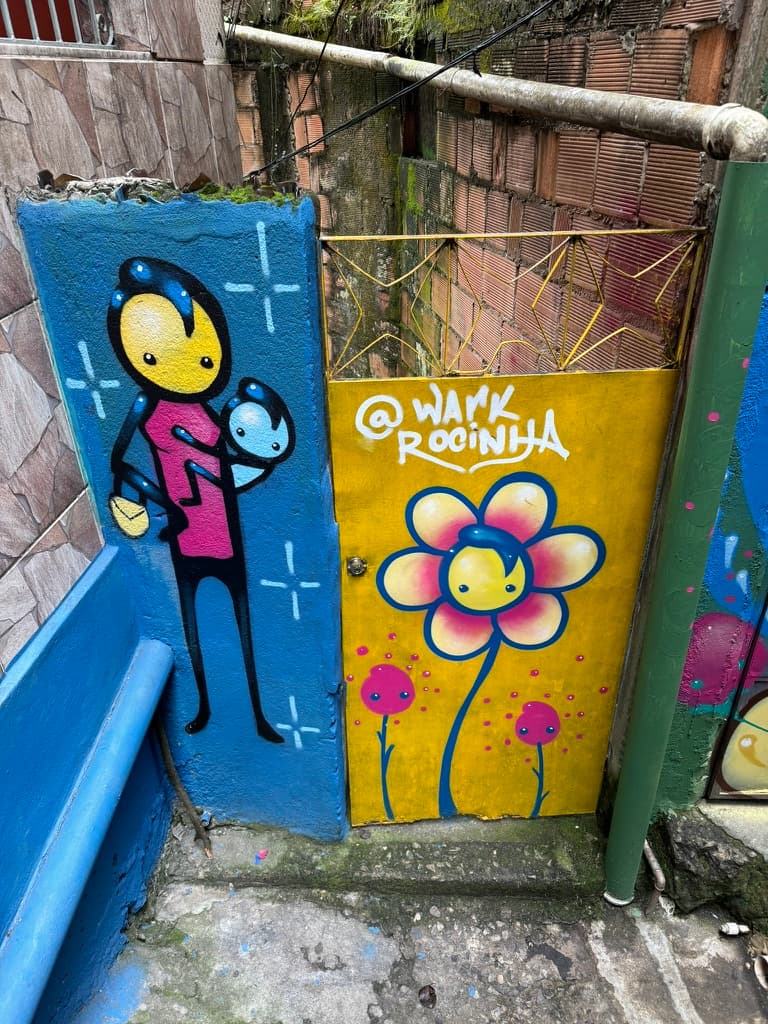
Rocinha Favela

Square Nossa Senhora da Paz
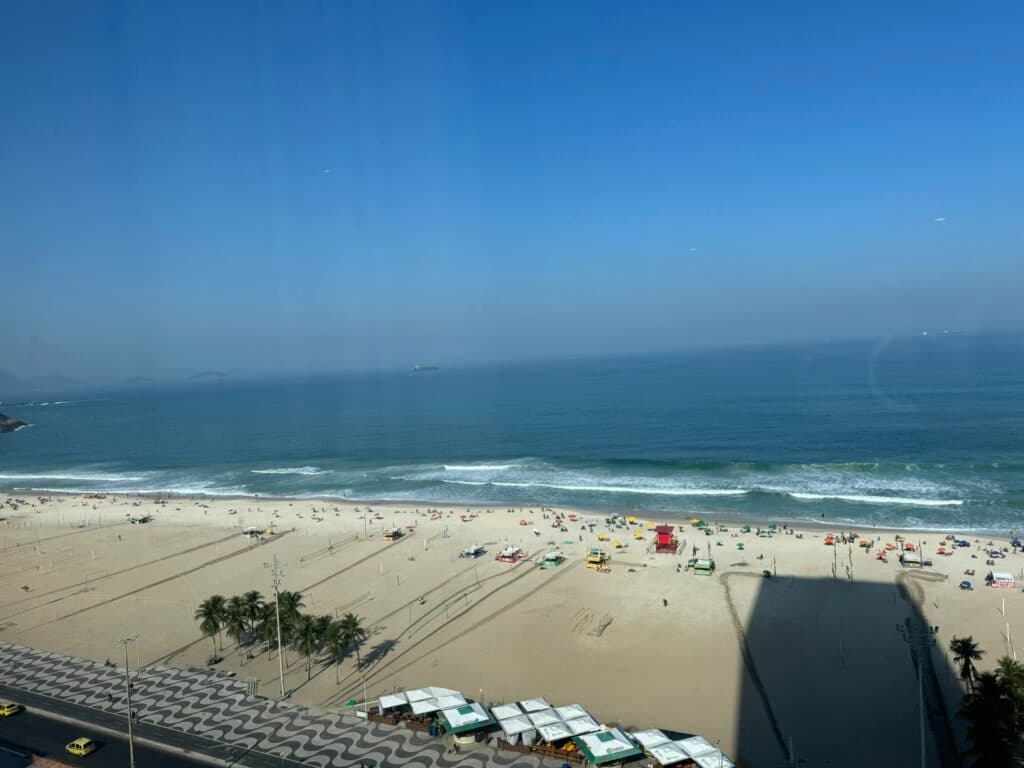
Copacabana Beach
Places to eat or drink near Real Gabinete Português de Leitura

Paris 6

Tapí Tapioca e Açaí
Uruguay Tent

Adega do Cesare
More places in Rio de Janeiro

Station of Santa Teresa trams

Diamante Gastrobar

Casa Nossa Lounge
