
Royal Palace of Godollo
Grassalkovich-kastely Lot Number 5852., Godollo 2100 Hungary Posted by Brandon B.Admin
Royal Palace of Godollo
The Royal Palace of Godollo stands as one of Hungary's most significant architectural monuments, located in the small town of Godollo about 30 kilometers northeast of Budapest. Built in the 1740s as a Baroque masterpiece, this sprawling palace served as the summer residence of the Austro-Hungarian royal family and holds a central place in the region's cultural heritage. If you're traveling from Budapest, Godollo makes for an accessible day trip that combines grand palace interiors with the quieter pace of a provincial Hungarian town.
Why this place matters
Godollo isn't a minor aristocratic retreat. Empress Elisabeth, known as Sisi, chose this palace as her favorite Hungarian residence in the 19th century. She spent significant portions of her year here, away from the formality of Vienna, and her presence shaped how the palace developed. The building itself represents Baroque architecture at a substantial scale, and its restoration after World War II demonstrates Hungary's commitment to preserving its royal heritage.
Quick facts
- Built in 1740 by Count Antal Grassalkovich
- Served as summer residence for the Austro-Hungarian royal family
- Contains over 100 rooms across the main palace
- Located 30 kilometers northeast of Budapest
- Open to visitors year-round with guided and self-guided tours available
- Heavily damaged during World War II and underwent major restoration
Getting there
The most straightforward route from Budapest is by train. From Budapest's Keleti station, regional trains depart regularly for Godollo, taking roughly 30 to 40 minutes depending on the service. The train station in Godollo is within walking distance of the palace, though the walk takes about 15 minutes uphill through the town center. If you prefer not to walk, taxis are available at the station.
Driving from Budapest is also viable. Take Route 2 heading northeast, and follow signs toward Godollo. Parking is available near the palace entrance. Traffic from Budapest tends to be manageable outside peak tourist season, though summer weekends can see congestion on the main approach roads.
The layout and experience
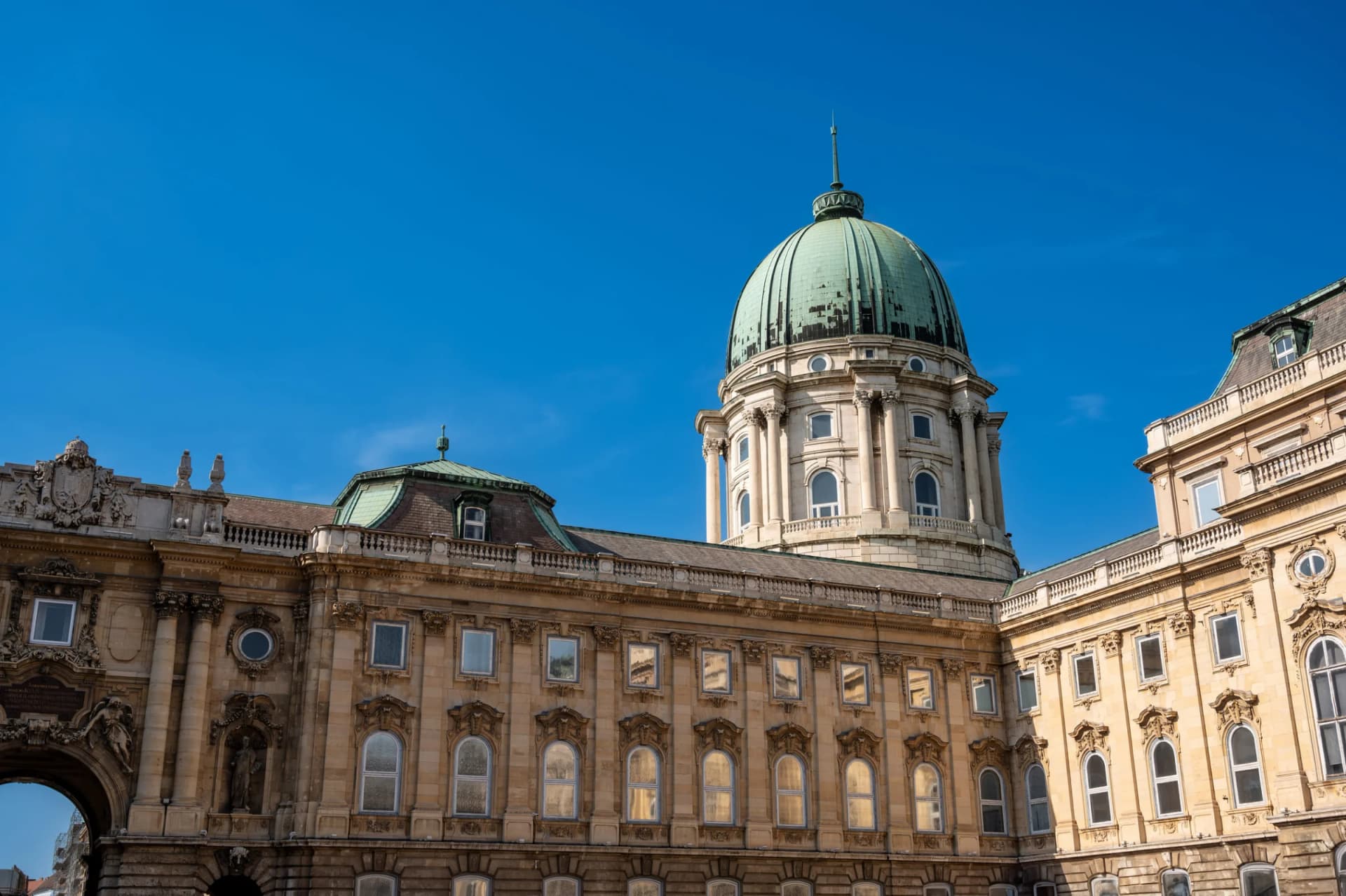
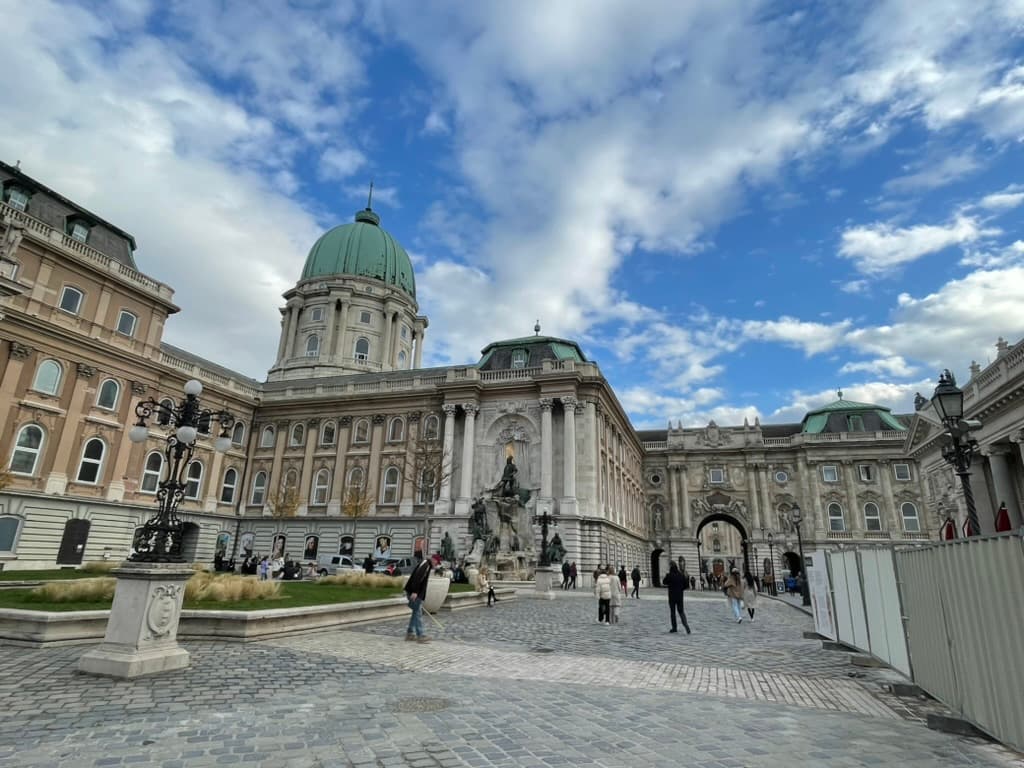
The palace presents itself as an enormous cream-colored Baroque structure with symmetrical wings extending from a central section. The formal gardens stretch out in front, though they're less ornate than some European palace gardens. Most of your time will be spent indoors moving through the decorated rooms.
A guided tour remains the most informative way to experience the interior. Your guide will walk you through the main state rooms, private apartments, and ceremonial spaces. The route covers the grand staircase, reception halls with period furnishings, and the rooms associated with Empress Elisabeth's stays. Self-guided tours are also available, allowing you to set your own pace, though you'll miss the historical context that a knowledgeable guide provides.
The ground floor contains the main reception and state rooms. Upper floors hold private apartments and smaller salons. Not every room is open to visitors, but the palace reveals enough of its original layout to understand how the royal family and their retinue moved through these spaces. Audio guides in multiple languages are available if you prefer narration without a live guide.
Main highlights
The grand staircase commands attention immediately upon entry. Its scale and decoration set the tone for the rest of the palace. The ceiling frescoes in the main reception halls showcase Baroque artistry, though some were damaged during wartime and have been carefully restored.
Empress Elisabeth's rooms draw particular interest. Her personal chambers reflect her tastes and the modifications made for her comfort. The palace also displays furnishings, portraits, and objects from the royal period, giving tangible form to the family's life here. The library contains period volumes, and the chapel shows the religious space maintained for the royal household.
The Chinese Room represents a characteristic 18th-century European fascination with Asian aesthetics. The decorative scheme and furnishings reflect how wealthy European courts incorporated Chinoiserie elements into their palaces. It's a room that captures a specific moment in taste and artistic influence.
History and background
Count Antal Grassalkovich commissioned the palace in 1740, intending it as a grand country seat reflecting his wealth and status. The Baroque style was at its height, and the palace's design incorporated current fashions in symmetry, proportion, and ornamental detail. For the first several decades, it served as Grassalkovich family property and hosted the Hungarian nobility.
The Austro-Hungarian court acquired the palace in the 19th century. Empress Elisabeth's affection for Godollo elevated its status significantly. She renovated parts of it to suit her preferences and spent extended periods in residence, often escaping the rigid protocol of Vienna. Her presence made Godollo a center of cultural interest within Hungary.
The palace suffered severely during World War II. Military occupation, combat, and subsequent neglect left the structure damaged and its interiors depleted. The restoration process beginning after the war was lengthy and ongoing for decades. The Hungarian government prioritized bringing the palace back to a visitable state, though complete restoration of all original details remains an ongoing effort. Today, the palace functions as a museum and cultural institution rather than a royal residence.
Tickets and entry
General admission tickets provide access to the guided or self-guided tour of the main palace rooms. Guided tours typically last around 90 minutes and depart at set times throughout the day. Advance booking is recommended during peak season, though walk-in availability often exists outside summer months. Children's discounts are typically available, and some visitors qualify for reduced rates.
Combination tickets that include access to the palace and grounds or additional exhibits may be offered seasonally. Check current offerings when you arrive, as these packages vary. The ticket office is located in the main entrance building.
Best time to visit
Spring and early autumn tend to offer the most pleasant conditions for visiting. The weather is mild, and the grounds are more enjoyable if you want to spend time outside. Summer brings larger crowds, particularly on weekends and holidays, which can make guided tours feel rushed. Winter visits are quieter, though shorter daylight hours limit how much of the grounds you can explore.
Weekday visits are generally less crowded than weekends. If you're flexible with timing, a Tuesday or Wednesday visit will give you a more relaxed experience than a Saturday.
Photography tips
The palace's cream-colored Baroque facade photographs well from the formal gardens, particularly in morning light when the front elevation is evenly lit. The symmetrical wings and central section create strong compositional lines. Afternoon light tends to create harsh shadows on the main facade.
Interior photography policies vary depending on whether you're on a guided tour. Check with staff before photographing inside the rooms. The grand staircase and some of the major reception halls offer interesting architectural photography opportunities if permitted. The grounds provide good opportunities for wider landscape shots showing the palace in its setting.
Facilities and preparation
A cafe operates within or near the palace, offering refreshments. Restroom facilities are available for visitors. The palace is not fully wheelchair accessible, particularly on upper floors, though ground-floor rooms can be reached. If mobility is a concern, confirm what areas you can access when booking your tour.
Wear comfortable shoes. The tour involves considerable walking across multiple rooms and up and down stairs. The palace can be cool even in summer, so a light layer is practical. Allow at least two to three hours for a complete visit including a guided tour.
Combining with nearby attractions
Godollo itself has a town center with small shops and restaurants, though these are modest compared to Budapest establishments. The town's main square is walkable from the palace and offers a sense of local Hungarian provincial life.
A visit to Godollo can be combined with other attractions in the area. Szilvasvarad, about 40 kilometers further northeast, is known for its Lipizzaner horse stud farm and natural scenery. Visegrad, roughly 40 kilometers northwest, features a hilltop castle and riverside setting on the Danube. These destinations work as separate day trips from Budapest or as part of a multi-day regional itinerary.
Sample visit plan
Depart Budapest by mid-morning train to reach Godollo by late morning. Walk from the station to the palace, arriving by early afternoon. Take a guided tour of the main palace rooms, which will occupy roughly two hours. Spend another hour exploring the grounds or revisiting favorite rooms. Have an early dinner in the town center before catching an evening train back to Budapest.
Alternatively, arrive earlier and spend more time in Godollo town, visiting any local museums or shops. A full day allows for a more leisurely pace and the option to return to Budapest for dinner rather than eating in the town.
Practical tips
- Book guided tours in advance during peak season to secure your preferred time slot
- Bring comfortable walking shoes and expect significant time on your feet
- Check the palace website or call ahead to confirm current opening hours and tour availability
- Public restrooms are available but can be limited, so plan accordingly
- The train journey from Budapest is straightforward and often more pleasant than driving
- Plan for at least three hours total for the palace visit including travel from the station
- Bring a light jacket even in warm months, as palace interiors stay cool
FAQ
How long does a typical visit take? A guided tour lasts approximately 90 minutes, and with travel time from Budapest and exploring the grounds, plan for a full four to five hour outing.
Is Godollo Palace accessible from Budapest as a day trip? Yes, the train journey is quick and straightforward, making it a feasible day excursion. You can depart and return to Budapest in a single day without difficulty.
Can you walk through the palace on your own? Self-guided tours are available, though a guided tour provides significantly more historical context and detail about the rooms and their significance.
Is there much to do in Godollo town itself? The town center has basic amenities and shops, but it's primarily a residential town. The palace is the main attraction. Most visitors spend their time at the palace rather than exploring the town extensively.
What's the best way to get to Godollo from Budapest? The train is the most convenient option. Regional trains depart frequently from Budapest's Keleti station and take 30 to 40 minutes. The station is close enough to walk to the palace, though taxis are available if you prefer not to walk uphill.
Reviews
Sign in and mark this place visited to leave a review.
No reviews yet.
Free Trip Planner
Plan your Godollo trip with our free planner
Build a day-by-day itinerary with AI suggestions, hand-picked places, and friends. Free forever — no credit card.
Things to see near Royal Palace of Godollo


Places to eat or drink near Royal Palace of Godollo

Rutin

Zazie Bistro

VIRTU Restaurant
