Sagardi BCN Centre
Carrer de Muntaner, 70, 8011 Barcelona Spain Posted by Brandon B.Admin
Sagardi BCN Centre sits on Carrer de Muntaner, a long residential artery that cuts through the lower Eixample on its way up toward Sant Gervasi. The Sagardi group has spent decades building a name for Basque wood-fire cooking across Spain, and this location carries that same approach without any of the tourist-trap staging you find closer to Las Ramblas. It's a restaurant built around a grill, a pintxos counter, and a wine list that rarely strays far from the Basque Country.
If you've already worked through the tapas bars near Plaça Catalunya and want something that feels like it belongs to the city rather than to visitors passing through it, this address does the job.
What the Kitchen Is Known For
The signature here is txuletón, the thick bone-in ribeye that anchors Basque grill cooking. It's cooked over charcoal or wood at high heat and served rare to medium-rare as a matter of principle. You don't order it well-done, and asking will likely get you a gentle redirect from the staff.
Beyond the main cut, the kitchen often features bacalà preparations and grilled fish pulled from Atlantic traditions, plus sides that know their place, good pimientos de Gernika rather than anything trying to upstage the protein. The pintxos counter lines the bar with small bites on bread: anchovies, tortilla, jamón, and rotating seasonal additions depending on the day you show up.
The wine list leans heavily Basque, with txakoli as the obvious pour for pintxos. It's a slightly sparkling, bone-dry white served with a theatrical high pour meant to aerate it. For a full sit-down meal, ask about the Rioja Alavesa selections, which tend to be well-chosen at Sagardi locations generally.
For travelers managing gluten restrictions, the grilled-meat-and-fish core of the menu is naturally forgiving, though pintxos on bread are the obvious exception. Worth flagging to staff when you sit down rather than piecing it together from the menu yourself.
Atmosphere and Setting
Stone, dark wood, hanging txistorra sausages near the counter, the usual Sagardi visual language is intact here. It reads warm rather than performative, though weekend evenings pick up energy once the tables fill in. The bar near the pintxos counter runs a different rhythm than the dining room. If you want a glass of txakoli and a few bites before moving on, the bar is where you post up. The dining room is built for the slower version of the meal, with the txuletón as the obvious centerpiece.
Service and Experience
Service follows the familiar Basque split: counter service at the bar, more attentive table service in the dining room. Staff generally know the menu well enough to steer you toward the right cut and size for your group, which matters more than usual when you're ordering a piece of meat meant to be shared. Ask for guidance on portions rather than guessing.
The whole experience has a practical quality to it. Nobody is narrating the dish in three languages. The kitchen's job is to get good food to the table correctly and quickly, and that's mostly what happens.
Reservations and Waits
Booking ahead matters most for the dining room, particularly Thursday through Saturday evenings. The bar and pintxos counter run more on a walk-in basis, and earlier in the evening you'll find more room and a fuller spread of pintxos before the bar works through them. Show up after 9pm on a weekend without a reservation and you're looking at a wait, or a seat at the bar only.
Weekday lunch is the easier entry point. No booking usually required, and the midday crowd skews local, which tells you something honest about the cooking and the pricing.
Price Tier
This sits in the upscale range rather than budget tapas territory, largely because the txuletón is priced by weight and meant to anchor the meal. Pintxos at the bar are priced individually and add up fast if you're not tracking what you take, but a glass of txakoli and a couple of bites stays reasonable. The weekday lunch service often includes a more accessible set menu alongside the full à la carte, which is the better move if you want the Sagardi experience without committing to the full grill meal.
Best Time to Visit
Weekday lunch is the most relaxed way into the full dining room. The pintxos counter is at its best starting around 7pm, when the selection is freshest and the bar hasn't yet hit its peak crowd. If the txuletón with a proper sit-down is the goal, aim for an early weekday dinner reservation and skip the weekend rush altogether.
Neighborhood and Location Context
Carrer de Muntaner runs the length of the Eixample into Sant Gervasi, and number 70 sits in the lower-middle stretch, about a 10-minute walk from Passeig de Gràcia. The nearest metro stops are Universitat and Urgell, both on the L1 line. The immediate area is residential and commercial rather than tourist-dense, part of what makes the whole address feel grounded instead of staged for visitors.
Fundació Antoni Tàpies is roughly a 5-minute walk east if you're building out an afternoon, and the Eixample's grid layout makes the rest of the neighborhood easy to navigate on foot. Worth noting this is a different location entirely from Sagardi's restaurants in the Born, which run a different clientele and a louder, more tourist-facing energy.
Good to Know Before You Go
- Txuletón is sold by weight and meant for sharing. Confirm portion size before it hits the grill.
- Pintxos at the bar are priced per piece and you settle up at the end. Keep track of what you've taken.
- Txakoli is poured in the traditional high-pour style at the bar. Watch it once, then just ask for a normal refill after.
- This is the Eixample location on Carrer de Muntaner, not the Sagardi restaurants in El Born.
- Weekday lunch often includes a more accessible set menu alongside the full à la carte.
- Gluten-free diners should flag it to staff directly, since the grilled core of the menu is manageable but pintxos on bread are not.
Who This Is For
Sagardi BCN Centre suits anyone after a proper Basque meal in Barcelona without trekking over to the Born. It works for two to four people sharing a txuletón, for a solo diner happy to sit at the bar with pintxos and a glass of txakoli, and for visitors who've already done the circuit of tourist-facing tapas spots and want something closer to how people here actually eat. It's not built for an elaborate tasting menu or an adventurous kitchen chasing trends. It's built for very good grilled meat and honest Basque cooking, done without fuss.
FAQ
Is Sagardi BCN Centre the same as the Sagardi in El Born?
No. The Sagardi group runs several locations across Barcelona. This one sits on Carrer de Muntaner in the Eixample, a quieter and more residential setting than the Born restaurants.
Do I need Spanish or Catalan to eat here comfortably?
Staff generally handle English well enough for ordering, and menus often include multiple languages. A few words of Spanish still go a long way toward a warmer interaction.
Is the pintxos counter available at lunch as well as dinner?
The counter is busiest in the pre-dinner hour. Lunch availability can vary, so if pintxos are the priority, early evening is the safer bet.
Can you come just for drinks without ordering food?
The bar area is generally welcoming for a glass of txakoli on its own, though most people end up adding a pintxo or two. It's that kind of bar.
Opening hours
Reviews
Sign in and mark this place visited to leave a review.
No reviews yet.
Free Trip Planner
Plan your Barcelona trip with our free planner
Build a day-by-day itinerary with AI suggestions, hand-picked places, and friends. Free forever — no credit card.
Related reading




Things to see near Sagardi BCN Centre

Colonia Guell Gaudi Crypt
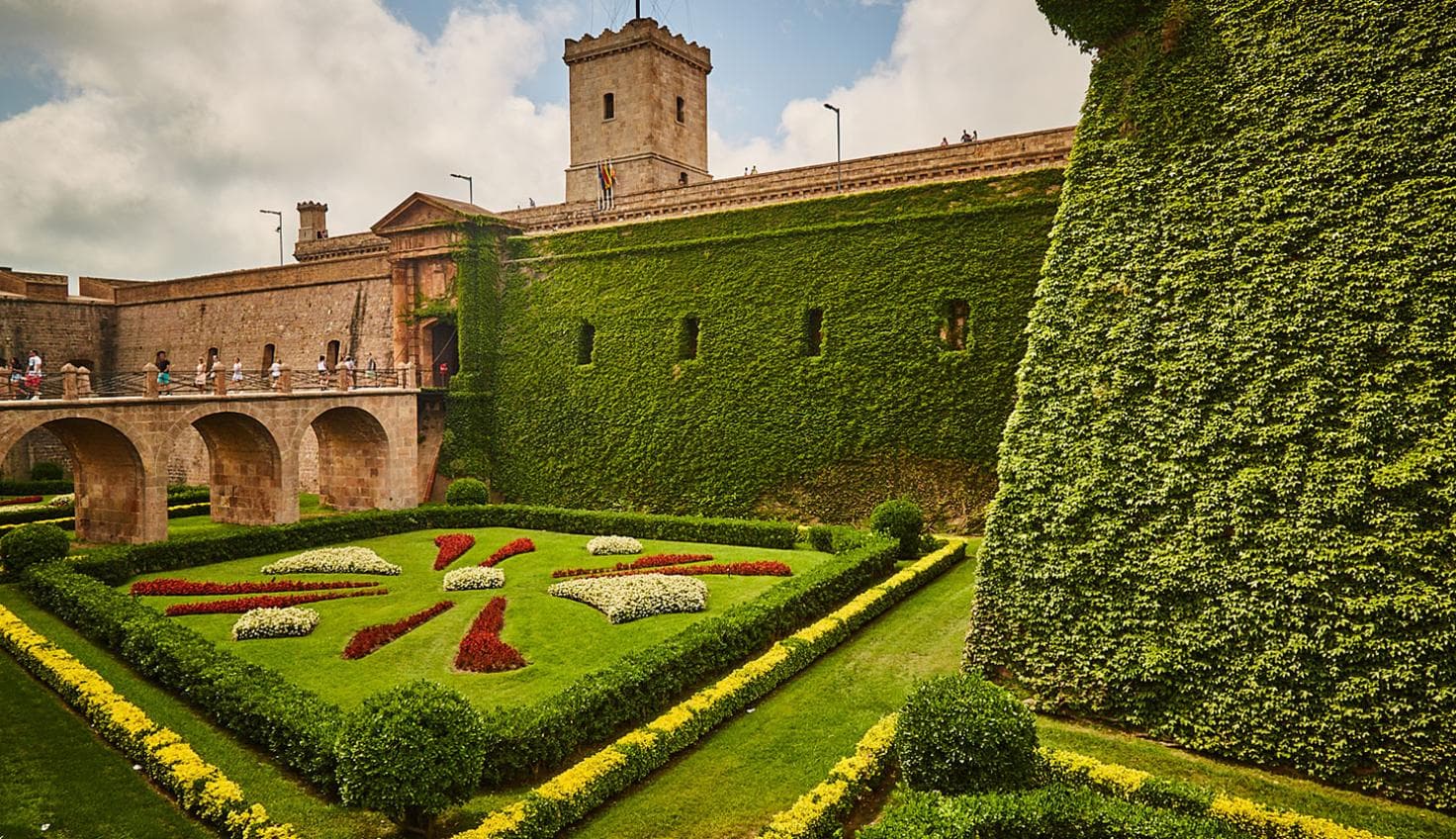
Montjuïc Castle

Magic Fountain of Montjuïc
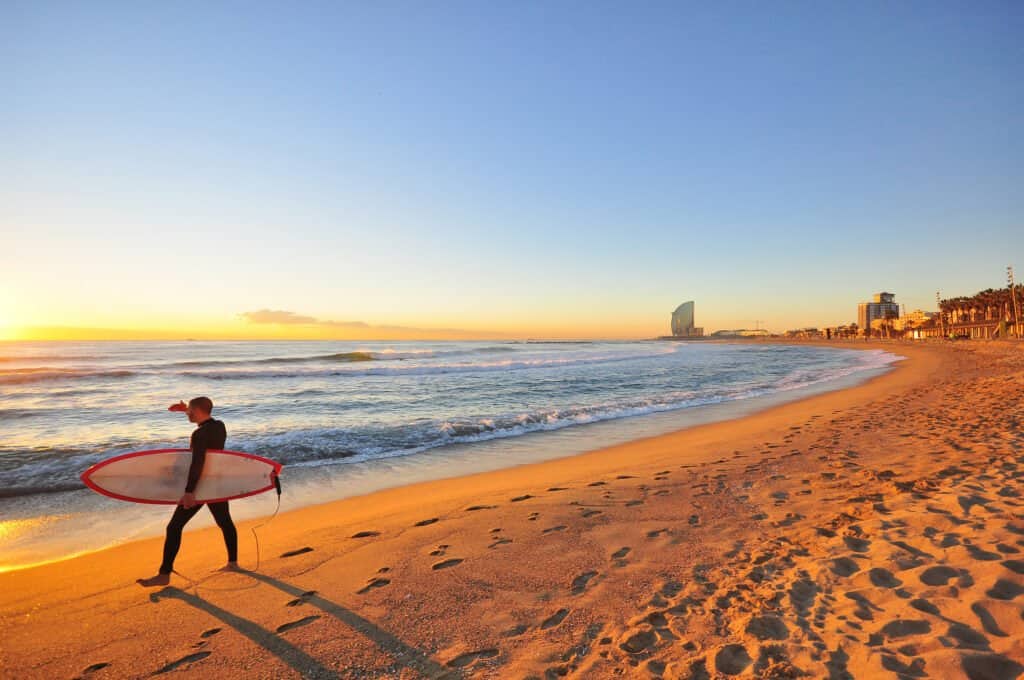
Barceloneta Beach
Places to eat or drink near Sagardi BCN Centre


More places in Barcelona

Orient Express Cocktail Bar

Xurreria Trebol

L’Ostia