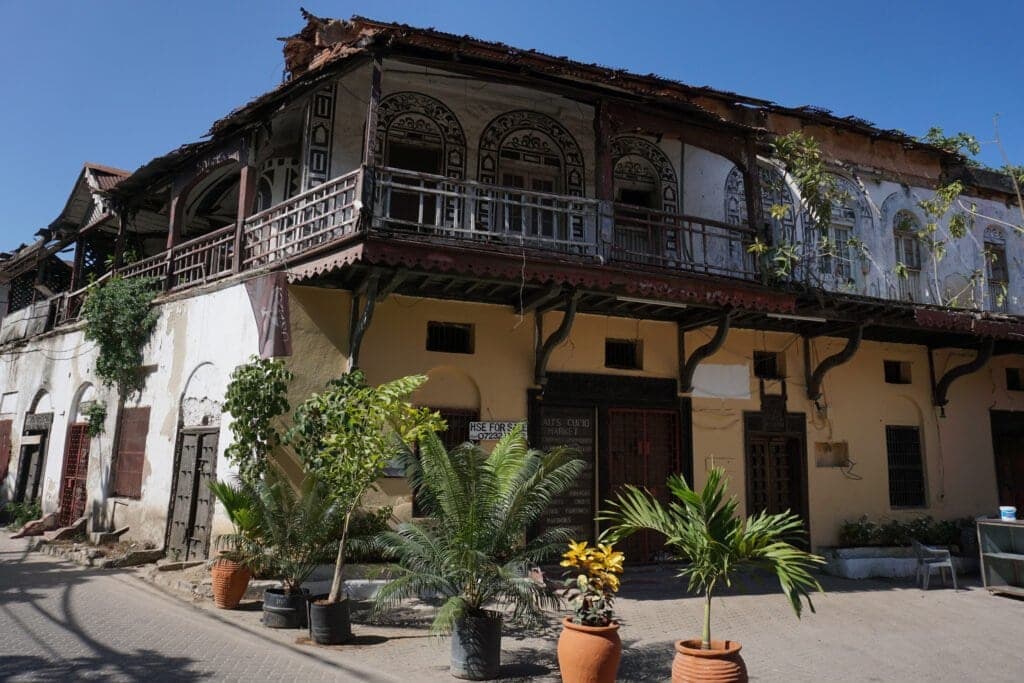
Shree Cutch Satsang Swaminarayan Temple
Closed now
Shree Cutch Satsang Swaminarayan Temple
Haile Selassie Avenue Box 81117, Mombasa 80100 Kenya Posted by bazartravelsAdmin
Mombasa's Shree Cutch Satsang Swaminarayan Temple
On Haile Selassie Avenue in Mombasa, the Shree Cutch Satsang Swaminarayan Temple stands as one of the most visually striking religious buildings on the East African coast. The temple belongs to the Swaminarayan Sampraday, a Hindu tradition that originated in Gujarat, India, and it serves the Kutchi Hindu community that has called Mombasa home for generations. If you are exploring the city's older quarters and want to understand how deeply South Asian culture has woven itself into Kenyan coastal life, this is one of the most rewarding stops you can make.
It is the kind of place that catches you off guard. You might be driving along Haile Selassie Avenue thinking about lunch and then suddenly there it is, painted and carved and quietly magnificent against the coastal sky.
Why This Place Matters
Mombasa has had a significant Indian trading community since at least the 19th century, when merchants from the Kutch region of Gujarat came to the East African coast as part of a broader network of Indian Ocean trade. The Swaminarayan faith traveled with them. This temple is not simply a place of worship. It is a living record of that migration, of how a community rebuilt its spiritual home thousands of kilometers from Gujarat and maintained it across multiple generations.
The Kutchi Hindu community in Mombasa is relatively small today, which makes the temple's continued presence and upkeep all the more meaningful. Walking through it, you are moving through something that took sustained effort to preserve.
Quick Facts
Location: Haile Selassie Avenue, Mombasa 80100, Kenya
Faith tradition: Swaminarayan Sampraday (Hindu), associated with the Kutch region of Gujarat
Entry: Generally open to respectful visitors outside of active prayer times
Dress code: Modest dress required. Cover shoulders and knees. Remove shoes before entering the main hall
Photography: Ask permission before photographing inside. Exterior photography is generally fine
Nearest landmark: The temple sits along one of Mombasa's main central avenues, within a short distance of the Old Town area
Getting There
Haile Selassie Avenue runs through a busy part of central Mombasa, and the temple is accessible by tuk-tuk, matatu, or taxi from most parts of the island. If you are based near the Old Town or Moi Avenue, you are looking at roughly 5 to 10 minutes by road depending on traffic. Parking along Haile Selassie Avenue can be tight during the day, so arriving by tuk-tuk or on foot from a nearby drop-off point tends to be the easier option.
The easiest approach on foot is from the Haile Selassie Avenue side, where the temple facade faces the street directly.
The Layout and Experience
Swaminarayan temples follow a specific architectural vocabulary drawn from the Gujarati tradition, and this one in Mombasa reflects that. The exterior features the kind of detailed decorative work typical of the style, with carved or molded elements and bright paintwork that sets it apart from the surrounding urban streetscape. The interior is organized around a central shrine hall where the deities are enshrined. Depending on when you visit, you may encounter the smell of incense, the sound of devotional singing, or simply the quiet of a space kept for contemplation.
The atmosphere tends to be calm and welcoming toward respectful visitors. Swaminarayan communities across East Africa and the UK have generally maintained an open-door approach to those who come with genuine curiosity rather than just a camera.
History and Background
The Swaminarayan Sampraday was founded in the early 19th century in Gujarat by Sahajanand Swami, who took the name Swaminarayan. The faith spread with Gujarati merchant communities as they moved through trade networks across the Indian Ocean, establishing congregations in East Africa, Fiji, and later the United Kingdom and North America. The Kutch Satsang branch of the tradition, as the temple name suggests, is specifically connected to communities from the Kutch district of Gujarat.
Mombasa's Indian community built several temples and mosques in the city during the late 19th and early 20th centuries, many of which still stand. This temple is part of that broader layer of the city's architectural and religious history. The fact that it occupies a prominent position on a named avenue rather than being tucked away on a side street says something about the community's historical standing in Mombasa's civic life.
Best Time to Visit
Morning visits, particularly in the hour or two after sunrise, tend to offer the quietest and most atmospheric experience. This is when devotional activity is often at its most active, and the light coming into the shrine hall can be genuinely beautiful. Midday can be quieter in terms of community activity, which suits visitors who want to look around without feeling like they are interrupting anything.
Hindu festival periods, particularly around Diwali and Janmashtami, are when the temple is most alive with decoration and activity. If your dates align, visiting during a festival period gives you a completely different experience of the space. Just be aware that the temple will be busier and some areas may be reserved for worshippers.
Photography Tips
The exterior of the temple makes for a strong photograph, especially in the morning when the light hits the facade from the east. The decorative detailing on the upper sections of the building rewards a closer look and a longer lens if you have one. For interior photography, always ask a temple attendant or the person managing the entrance before raising your camera. Many Swaminarayan temples are fine with photography of the architectural elements but prefer that visitors do not photograph the shrines or worshippers without explicit permission.
Combining with Nearby Attractions
The temple sits close enough to Mombasa's Old Town that the two make a natural pairing for a half-day on foot. The Old Town, which spreads out toward the waterfront south of the city center, contains Fort Jesus (a UNESCO World Heritage Site built by the Portuguese in the late 16th century), the old harbor area, and a dense network of streets lined with Swahili, Arab, and South Asian architectural influences. The temple fits logically into a broader walk that takes in Mombasa's layered history as a port city where Indian Ocean trading cultures overlapped for centuries.
The Mombasa Old Town is roughly 10 to 15 minutes on foot from Haile Selassie Avenue, depending on your exact starting point. Fort Jesus is a ticketed site with general admission entry and is well worth the visit as a companion to the temple.
Practical Tips
Remove shoes before entering the main prayer hall. There will usually be a designated area near the entrance
Dress modestly. Loose trousers or a long skirt and a top that covers the shoulders are appropriate. Avoid shorts or sleeveless tops
Speak quietly inside the temple, especially if a puja or prayer session is in progress
Do not touch the shrines or offerings unless invited to by a temple member
If you are offered prasad (a blessed food offering), it is polite to accept with both hands or the right hand
Confirm visiting hours locally or by calling ahead, as schedules can shift around festival periods and community events
The area around Haile Selassie Avenue is generally busy during the day. Keep an eye on your belongings in the surrounding streets
FAQ
Is the temple open to non-Hindu visitors?
Generally yes, provided you dress modestly and visit outside of major prayer times. Swaminarayan communities tend to welcome respectful visitors, but it is always worth confirming at the entrance before proceeding into the main hall.
Is there an entry fee?
Temples of this kind typically do not charge an entry fee for visitors. Donations are welcomed but not required.
How long should I plan to spend here?
Most visitors spend between 20 and 45 minutes at the temple. If you arrive during a prayer session or a festival, you may find yourself staying longer simply because of the atmosphere.
Can I attend a puja or prayer service?
This varies. If a service is in progress when you arrive, observe quietly from a respectful distance and follow the lead of the temple attendants. Some temples welcome visitors to observe; others prefer that non-worshippers wait. Ask before entering the main hall during an active session.
The Shree Cutch Satsang Swaminarayan Temple is not a tourist attraction in the conventional sense. It is a working place of worship that happens to be historically significant, architecturally interesting, and open to curious visitors who approach it with the right kind of care. In a city as layered as Mombasa, that combination is worth seeking out.
Opening hours
Reviews
Sign in and mark this place visited to leave a review.
No reviews yet.
Free Trip Planner
Plan your Kenya trip with our free planner
Build a day-by-day itinerary with AI suggestions, hand-picked places, and friends. Free forever — no credit card.