Sid Richardson Museum
Open now
Sid Richardson Museum
Sid Richardson Museum, 309 Main St, Fort Worth, TX 76102, USA Posted by Brandon B.Admin
Sid Richardson Museum Overview
The Sid Richardson Museum sits on Main Street in the heart of Fort Worth's Cultural District, housing one of the finest collections of American Western art in the country. Built to showcase the personal collection of oil magnate Sid Richardson, the museum focuses on paintings and sculpture from the 19th and early 20th centuries. What sets this place apart is its singular vision: every work here relates to the American West, whether depicting frontier life, Native American subjects, or the landscape itself. You won't find a scattered survey of world art here. Instead, you get a deep dive into how American artists imagined and documented the West.
Why This Place Matters
The collection includes works by Frederic Remington and Charles M. Russell, two of the most celebrated painters of the American frontier. These aren't minor pieces tucked into a corner. Remington's bronze sculptures and Russell's oil paintings form the backbone of the museum's identity. The museum opened in 1959 and has remained dedicated to this specific artistic tradition for over six decades.
For anyone interested in American art history, Western imagery, or the way artists interpreted frontier mythology, this museum offers context you won't find elsewhere in Texas. The collection tells a story about how the West was visualized and mythologized during a crucial period in American culture.
Quick Facts
- Location: 309 Main Street, Fort Worth Cultural District
- Founded: 1959
- Collection focus: American Western art from the 19th and early 20th centuries
- Admission: Free
- Typical visit duration: 1 to 2 hours
- Accessibility: Street-level entrance on Main Street
Getting There
The museum occupies a prominent spot on Main Street in Fort Worth's Cultural District, making it easy to reach whether you're arriving by car or on foot. If you're driving, street parking and nearby lots serve the Cultural District. The location puts you within walking distance of other museums, galleries, and restaurants that cluster around this neighborhood.
The easiest entrance is directly from Main Street. The building's Main Street facade is visible and accessible without navigating through a complex entrance sequence. Most visitors arrive after exploring other nearby cultural institutions, so you can easily combine this stop with the Kimbell Art Museum or Amon Carter Museum, both within a 10-minute walk.
The Layout and Experience
The museum's interior is organized in a way that respects the collection's chronological and thematic flow. Galleries move through different periods and subjects while keeping the focus tight on Western art. The space itself feels intimate rather than overwhelming. You're not walking through massive halls or feeling rushed past hundreds of pieces.
The paintings tend to be displayed at eye level, which sounds simple but makes a real difference. You can stand in front of a Remington or Russell and actually study the brushwork and composition without craning your neck or standing too far back. The lighting is designed to show the paintings clearly without glare, which matters when you're looking at works that are over a century old.
Bronze sculptures are positioned throughout the galleries, often at angles that let you walk around them and see how they're composed from different viewpoints. This matters for sculptural work in a way it doesn't for paintings. You'll find yourself circling pieces to understand their three-dimensionality.
Main Highlights
The Remington sculptures are the first thing most visitors remember. His bronze work captures movement and tension in ways that still feel dynamic today. His horses and riders seem caught mid-action. The scale of some pieces surprises people who've only seen small reproductions in books.
Russell's paintings cover a wider range of scenes: Indian camps, cattle drives, mountain men, hunting expeditions. His color palette is warm and his compositions often include multiple figures telling a story within a single frame. Spend time with individual paintings rather than scanning quickly. The details reward close looking.
Beyond the two major names, the collection includes works by lesser-known but skilled painters who documented similar subjects. These pieces help you understand the broader conversation happening in American art during this era. Artists were competing to capture the West before it changed, even as they were partly inventing what "the West" meant.
History and Background
Sid Richardson was an oilman who accumulated his collection over decades. Rather than leave it in private hands or disperse it at auction, he decided to establish a museum to share it with the public. The museum opened in 1959, three years after his death in 1956. His vision was straightforward: create a space dedicated entirely to American Western art.
The building itself was designed to serve this purpose. It's not a converted mansion or a repurposed industrial space. It was built specifically as an art museum. This focused approach is reflected in everything from the building's layout to the curatorial decisions about what gets displayed and what doesn't.
Tickets and Entry
Admission is free. There are no paid tiers or optional donations built into the entry process, though the museum does accept contributions if you wish to support its operations. This makes it an accessible stop whether you're on a tight budget or just passing through Fort Worth.
The museum doesn't use timed-entry ticketing, so you can arrive whenever you want without worrying about booking a specific time slot. Weekday afternoons tend to be quieter than Saturday mornings, but the museum never feels crowded in the way that major metropolitan museums sometimes do.
Best Time to Visit
Weekday mornings and early afternoons offer the most peaceful viewing experience. If you visit on a weekday before noon, you might have entire galleries to yourself. Saturdays and Sundays bring more visitors, but the museum's size means it still rarely feels packed.
Summer heat in Fort Worth can be intense, so visiting in spring or fall offers more comfortable conditions if you're planning to spend time in the Cultural District beyond just the museum. The museum's climate-controlled interior is a refuge during peak heat, but the outdoor walking between attractions becomes more pleasant in cooler months.
Photography Tips
Check the museum's current photography policy before you visit. Museum policies on personal photography vary and can change. If photography is permitted, bring a camera that performs well in gallery lighting conditions. The museum's interior lighting is generally good, but museum galleries present challenges that smartphone cameras sometimes struggle with.
Tripods and professional equipment typically require permission. If you're interested in serious photography of the collection, contact the museum in advance rather than showing up with gear and discovering restrictions.
Facilities and Preparation
The museum has restrooms on site and a small gift shop with books, postcards, and exhibition catalogs related to the collection. The shop is worth browsing if you want to take home something that extends your visit beyond the museum itself. Books on Remington and Russell are available if you want to deepen your knowledge after your visit.
There's no on-site cafe, so plan your meal before or after your visit. The Cultural District and downtown Fort Worth have numerous restaurants within a short walk. Benches and seating exist within the galleries, so you can rest while viewing if needed.
The museum is accessible to visitors with mobility considerations. The Main Street entrance is at street level, and the galleries are navigable without stairs for the main collection areas. If you have specific accessibility needs, calling ahead to confirm details is worthwhile.
Combining With Nearby Attractions
The Kimbell Art Museum is a 10-minute walk north. It's a larger, encyclopedic collection covering art from many periods and cultures. The contrast between the Kimbell's breadth and the Richardson's focus makes visiting both worthwhile if you have the time. Many visitors do both in a single afternoon.
The Amon Carter Museum of American Art is also within walking distance. Its collection includes photography, prints, and drawings alongside paintings. If Western art is your primary interest, the Richardson is your essential stop, but the Carter offers complementary perspectives on American art more broadly.
Fort Worth's Cultural District has clustered these museums intentionally. You can walk between them, grab lunch in between, and spend a full day in this neighborhood without ever needing to drive. Main Street itself has galleries and shops worth browsing if you want to extend your time in the area.
Sample Visit Plan
Arrive mid-morning on a weekday for the quietest experience. Start with the Remington sculptures and paintings in the main galleries, spending 20 to 30 minutes observing how his work captures movement and drama. Move into the Russell paintings next, allowing 30 to 40 minutes to look at his compositions and color work carefully.
Browse the supporting galleries that show other artists working in similar traditions, spending another 20 to 30 minutes. If you're interested in the history and context, read the wall texts and catalog information. If you prefer to focus on visual experience, you can move through more quickly.
Finish in the gift shop if anything interests you, then step outside for a walk through the Cultural District. The entire museum visit typically takes 1.5 to 2 hours depending on your pace and how much time you spend with individual pieces.
Practical Tips
- Visit on a weekday if you prefer a quieter experience and want time alone with the paintings
- Bring comfortable shoes if you're planning to walk around the Cultural District before or after your visit
- Read the wall text for context on individual pieces, but don't feel obligated to read everything if you prefer to focus on looking
- Allow at least 90 minutes to see the collection without rushing
- The museum's collection is relatively stable, so works on view don't change constantly like in museums with rotating exhibitions
- Combine your visit with nearby museums if you have a full afternoon available
- Street parking on Main Street can be tight during peak hours, so arriving early or using a nearby lot saves time
FAQ
How long does it take to see the museum? Most visitors spend 1.5 to 2 hours. You can move through more quickly if you're selective about which pieces you study in detail, or take longer if you read all the accompanying text and spend significant time with individual paintings.
Is this museum only for Western art enthusiasts? Not necessarily. If you're interested in American art history, 19th-century painting techniques, or how artists depict landscape and movement, you'll find plenty to engage with regardless of your prior knowledge of Western art. The quality of the work speaks for itself.
Can I visit other museums on the same day? Yes. The Kimbell and Amon Carter are both walkable from here, and many visitors combine multiple museums in a single afternoon. Plan for at least 2 to 3 hours per museum if you want to see them properly.
Is there anywhere to eat nearby? Yes. Main Street and the surrounding Cultural District have restaurants, cafes, and casual dining options within a 5 to 10-minute walk. There's no cafe inside the museum itself.
What makes this collection different from other art museums? Its singular focus on American Western art from a specific era. Rather than surveying art history broadly, the Richardson Museum tells a deep story about how one subject was explored by major American artists over several decades.
Opening hours
Reviews
Sign in and mark this place visited to leave a review.
No reviews yet.
Free Trip Planner
Plan your Fort Worth trip with our free planner
Build a day-by-day itinerary with AI suggestions, hand-picked places, and friends. Free forever — no credit card.
Things to see near Sid Richardson Museum


Places to eat or drink near Sid Richardson Museum

The Porch Pour
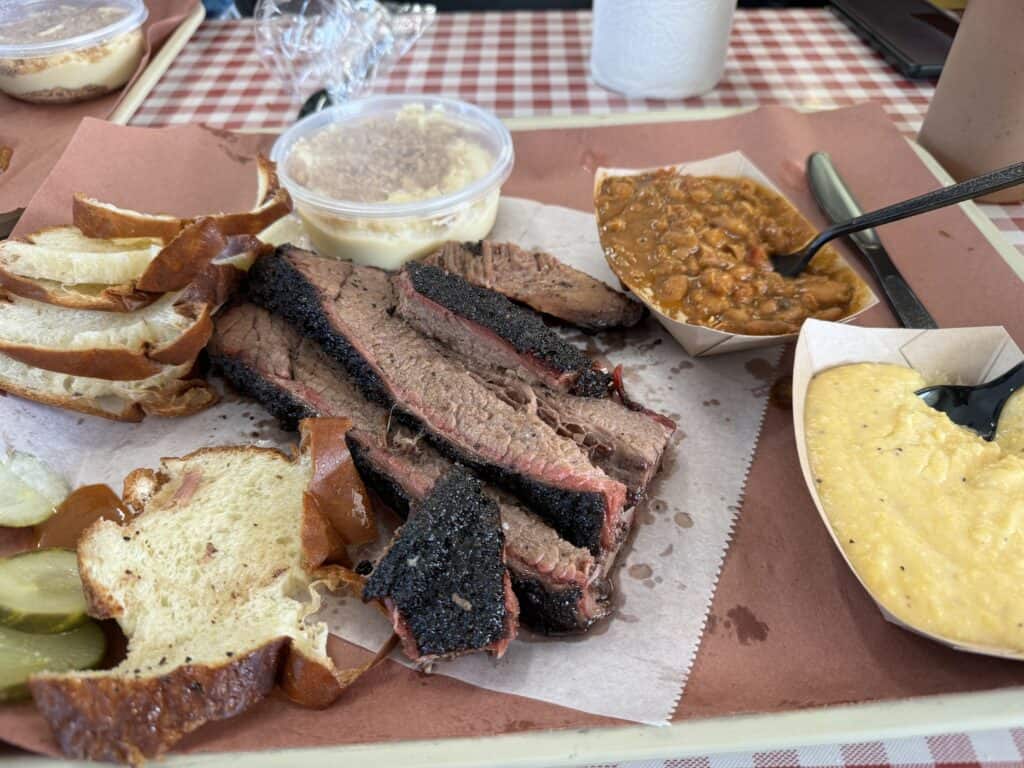
Goldee's Barbecue
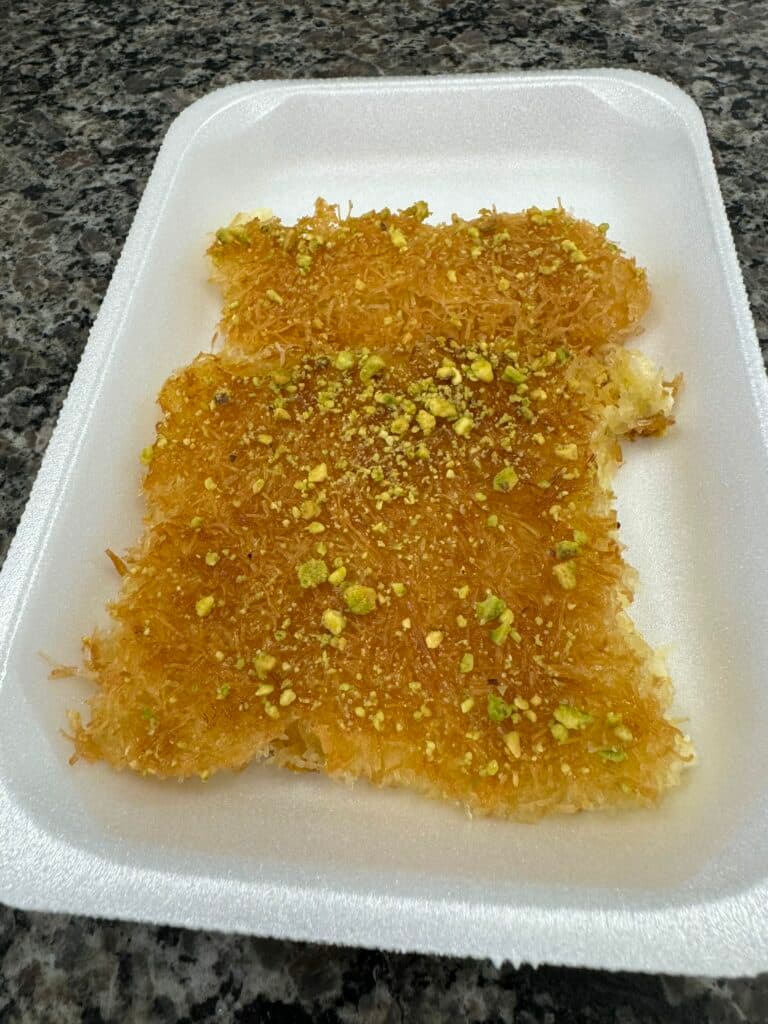
Kunafa Factory

Smoke'N Ash BBQ
More places in Fort Worth

Wild Acre Restaurant & Beer Garden

Guanajuato Bakery

Fort Worth Nature Center & Refuge