St. Stephen’s Cathedral
Stephansplatz 3, Vienna 1010 Austria Posted by Brandon B.Admin
Vienna's Most Recognizable Landmark
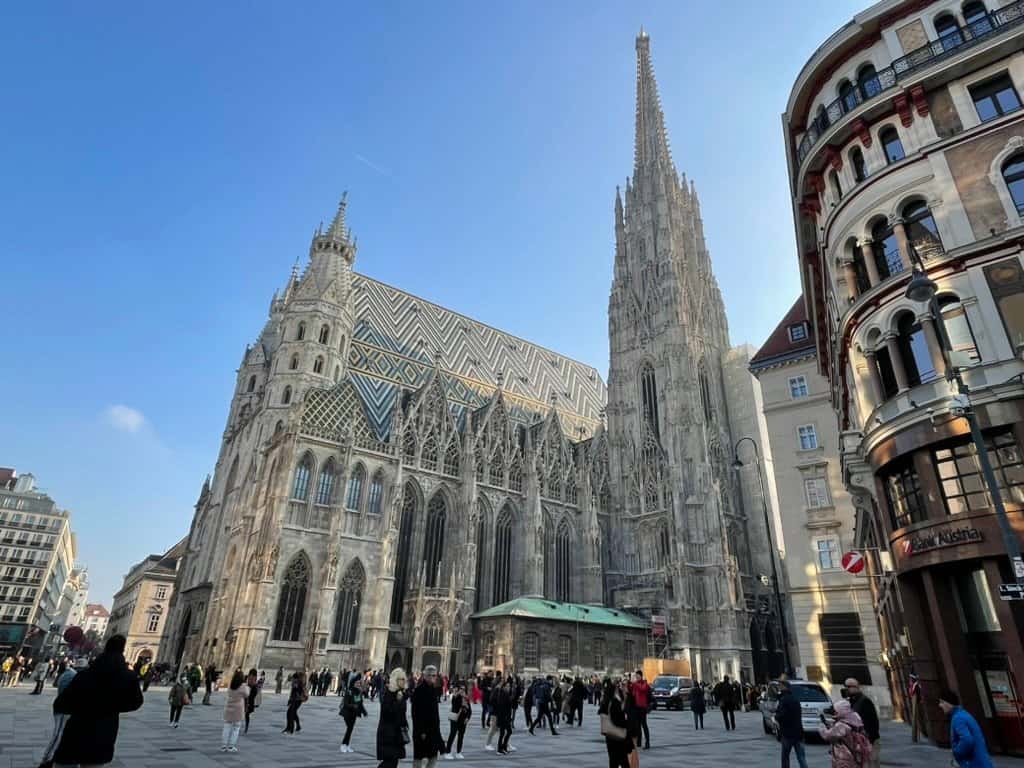
St. Stephen's Cathedral stands at the geographic and spiritual center of Vienna, rising above Stephansplatz in the First District with a presence that has shaped the city's skyline for roughly 800 years. Locals call it the Stephansdom, and if you ask a Viennese person to name one building that defines their city, most will point here without hesitating. The cathedral is not just a church. It is a working place of worship, a burial site for Habsburg royalty, a Gothic engineering achievement, and the most visited monument in Austria.
Whatever your reason for coming to Vienna, you will almost certainly walk past Stephansplatz. The question is whether you go inside, and the answer should be yes.
Why St. Stephen's Cathedral Matters
The south tower, known as the Steffl, reaches 136 meters into the sky and was the tallest building in the world for a stretch of the late medieval period. That alone is worth pausing on. The builders were doing something genuinely unprecedented, and the ambition of it still registers when you stand at the base and look up.
Beyond the architecture, the cathedral has been at the center of Viennese life through plague, siege, fire, and rebuilding. The Turkish Ottoman army used it as an observation point during the Siege of Vienna in 1683. Allied bombing in 1945 caused the original roof to collapse, and the postwar reconstruction effort became a national symbol of Austrian recovery. The herringbone patterned roof tiles you see today, roughly 230,000 of them arranged in chevrons and the double-headed Habsburg eagle, were part of that restoration.
Wolfgang Amadeus Mozart was married here in 1782, and his funeral was held here in 1791. Antonio Vivaldi died in Vienna and was buried in a nearby church, but it is Mozart's connection to the Stephansdom that Viennese guides most often mention. The cathedral's role in the life of the city's most famous composer gives it a weight that goes beyond stone and glass.
Quick Facts
- Address: Stephansplatz 3, Vienna 1010
- Nearest U-Bahn: Stephansplatz (U1 and U3 lines, roughly a one-minute walk)
- Main construction period: 12th to 15th centuries, with major Gothic rebuilding from 1304 onward
- South tower height: 136 meters
- Roof tiles: approximately 230,000 glazed tiles covering the nave
- Open to visitors daily, though hours shift depending on religious services
- Entry to the main nave is free; towers, catacombs, and treasury require a ticket
Getting There
Stephansplatz is the easiest metro stop in Vienna to identify on a map, and the U1 and U3 lines both stop there. From the station exit, the cathedral is immediately in front of you. If you are walking from the Museumsquartier, the route along Mariahilfer Strasse and through the inner city takes roughly 20 minutes on foot. From the Belvedere, plan for about 25 minutes walking or a short tram ride.
The square itself is pedestrianized, so there is no driving up to the entrance. Taxis and rideshares drop you on nearby streets, and the walk from any of them is short.
The Layout and Experience
The cathedral is larger inside than the exterior suggests from street level. The nave stretches back considerably, flanked by side aisles and chapels, each containing altarpieces, sculptures, and tombs accumulated over centuries. Natural light filters through tall windows, but the interior tends toward the dim and atmospheric rather than the bright. Bring patience for your eyes to adjust.
There are several distinct ways to experience the Stephansdom beyond standing in the nave. The south tower climb takes you up a spiral staircase of 343 steps to a viewing platform with a panorama over the rooftops of Vienna's First District. The north tower, never completed to its intended height, is reached by elevator and houses the Pummerin, one of the largest bells in Europe, recast after the 1945 fire from the remains of the original bell. The catacombs beneath the cathedral contain the remains of thousands of Viennese citizens and the internal organs of Habsburg rulers, a detail that surprises most first-time visitors. And the Imperial Crypt, though actually located in the nearby Kapuzinerkirche rather than the cathedral itself, is often visited in combination with a Stephansdom trip.
Tickets and Entry
Walking into the main nave and looking around is free, which makes St. Stephen's Cathedral accessible to every visitor regardless of budget. If you want to go deeper, combination tickets cover the south tower, north tower elevator, catacombs, and treasury in various combinations. Guided tours are available in multiple languages and tend to be worth the time for anyone who wants context rather than just atmosphere. Audio guides are also available for independent visitors.
Catacomb visits are guided only and depart at regular intervals from inside the cathedral. You cannot wander down on your own.
Best Time to Visit
Stephansplatz is busy most of the year, but summer mornings before 10am offer a noticeably calmer experience. The cathedral opens early, and arriving at opening time means you can spend time in the nave without tour groups filling the space. Midday in July and August is the peak of peak, with the square packed and the interior crowded near the entrance.
December brings a Christmas market to Stephansplatz that wraps around the cathedral's base. The market is genuinely atmospheric and worth seeing, though it adds foot traffic and makes the area feel more festive than contemplative. If you want quiet, come in the morning before the market stalls open.
Religious services take place throughout the week, and during those times, tourist access to parts of the interior is restricted. Check the schedule before you go if your visit is time-sensitive.
Photography Tips
The south facade with the Riesentor portal is the classic exterior shot, but the angle most photographers overlook is from the northwest corner of Stephansplatz, where you can capture both the south tower and the tile roof in a single frame without another building cutting into the composition. Early morning light hits the west facade directly and gives the stone a warmth it lacks in flat midday light.
Inside, photography of the nave is generally permitted without flash, though individual chapels and specific artworks may be restricted. The view from the south tower looking down at the tile roof is one of the more striking images you can take in Vienna, especially on a clear day when the pattern of the Habsburg eagle reads clearly from above.
Combining with Nearby Attractions
The Stephansdom sits at the center of a walkable cluster of major Vienna attractions. The Hofburg Imperial Palace is about a 10-minute walk to the west through the pedestrian zone. The Kunsthistorisches Museum is roughly 15 minutes on foot from Stephansplatz. The Vienna State Opera is about an 8-minute walk south along Karntner Strasse.
For a focused half-day, the cathedral pairs naturally with the Imperial Crypt at Kapuzinerkirche, which is just a few minutes' walk away on Tegetthoffstrasse. The two sites together give you a more complete picture of Habsburg Vienna than either does alone.
Practical Tips
- Dress modestly. Shoulders and knees should be covered. The cathedral is an active place of worship, and the dress code is enforced at the entrance.
- The south tower climb is not suitable for anyone with mobility issues or a strong fear of heights. The staircase is narrow and steep.
- Catacomb tours fill up quickly in peak season. Check availability early in the day if this is a priority.
- Audio guides are available at the entrance and are a good option if you prefer to move at your own pace rather than joining a group tour.
- The square can be noisy and crowded. If you want a quiet moment inside, time your visit around the early morning or late afternoon services, when the atmosphere shifts noticeably.
- Free luggage storage is not available inside the cathedral. Leave large bags at your hotel or at a storage facility near the U-Bahn station.
Frequently Asked Questions
Is there an entry fee for St. Stephen's Cathedral?
Entry to the main nave is free. The towers, catacombs, and treasury each require a ticket, sold individually or as part of a combination pass at the entrance.
How long should I plan for a visit?
A quick walk through the nave takes about 20 to 30 minutes. If you add the south tower climb, catacomb tour, and north tower, allow two to three hours total. A guided tour of the interior alone typically runs about an hour.
Can you attend a church service?
Yes. Masses are held regularly throughout the week, and visitors are welcome to attend. During services, tourist movement through the cathedral is limited out of respect for worshippers.
Is the cathedral accessible for visitors with mobility limitations?
The main nave is accessible. The south tower climb involves 343 steps with no elevator option, so it is not accessible. The north tower has an elevator. The catacombs involve stairs and are not fully accessible either.
What is the best way to see the famous tile roof?
The south tower viewing platform gives you the best overhead view of the herringbone tile pattern. From street level, you can see the roof from the eastern end of the cathedral where the surrounding buildings are lower.
Reviews
Sign in and mark this place visited to leave a review.
No reviews yet.
Free Trip Planner
Plan your Austria trip with our free planner
Build a day-by-day itinerary with AI suggestions, hand-picked places, and friends. Free forever — no credit card.