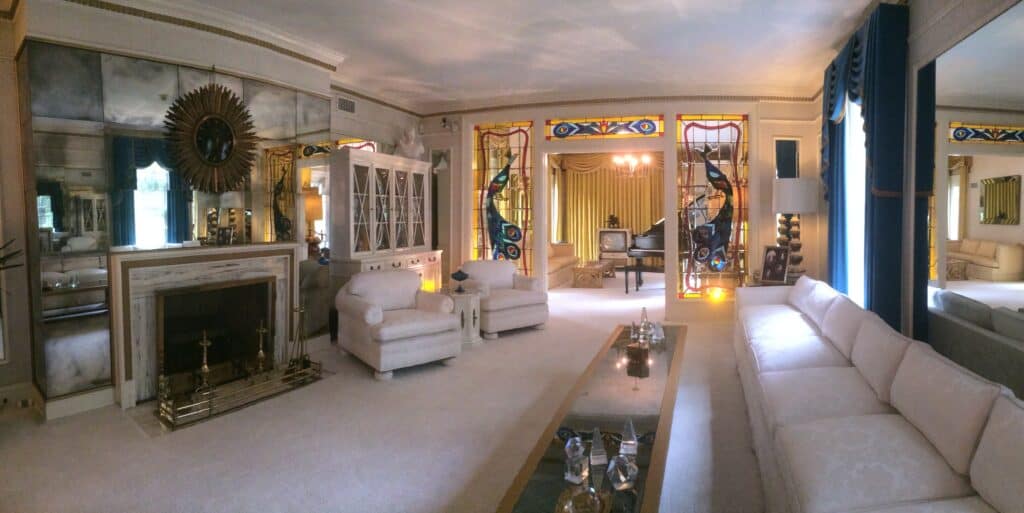
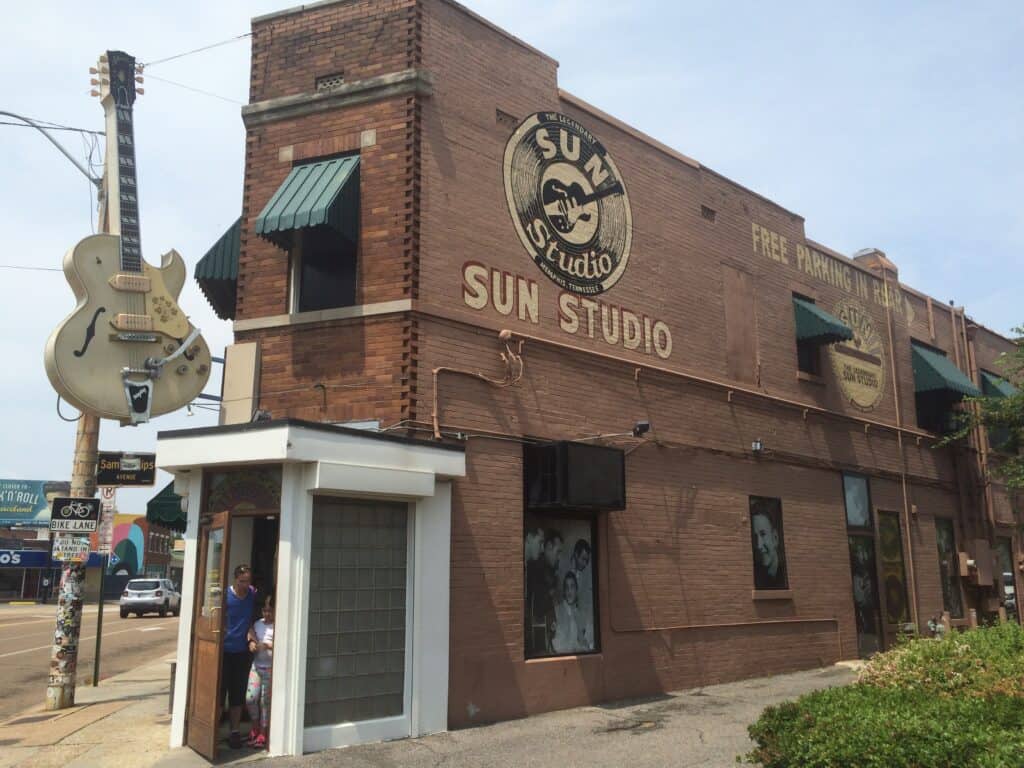
Walk through the front door of Sun Studio and the first thing that hits you is the light. It pours through the tall windows onto the wood floors, the same floors where Elvis, Johnny Cash, and B.B. King stood at the microphone. The studio is small, intimate, almost spare. The equipment looks vintage because it is vintage, the walls are painted a pale cream, and there's a sense of stillness in the room that feels less like a museum and more like a place that's been waiting for someone to come back and plug in an amplifier. This is where rock and roll, country, and blues collided in the 1950s, and the physical space hasn't changed much since those sessions ended.
Why this place matters
Sun Studio holds a particular claim in American music history. Between 1950 and 1955, the studio recorded sessions that would define multiple genres. Elvis recorded his first songs here in 1953. Johnny Cash, Jerry Lee Lewis, Carl Perkins, and Howlin' Wolf all cut tracks in this room. Producer Sam Phillips built something rare: a place where color barriers came down in the name of music, where a young Black blues musician could work in the same studio as a white country picker, and where experimentation meant something.
The studio didn't invent any of these genres, but it documented the moment when they began to influence each other. The resulting recordings shaped what popular music became.
Quick facts
- Located at 706 Union Avenue in downtown Memphis
- Founded in 1950 by Sam Phillips
- Operating as a museum and occasional recording space since 1989
- Guided tours are the primary way to experience the space
- The studio continues to host live performances and recording sessions by invitation
- Walking distance to Graceland mansion (about 15 minutes on foot across the railroad overpass)
Getting there
Sun Studio sits in downtown Memphis, a few blocks north of Beale Street and the Mississippi River. If you're arriving by car, street parking exists nearby, though it can be tight depending on the day. The neighborhood has improved considerably, and the studio anchor sits among restaurants, galleries, and other music venues along Union Avenue.
From Graceland, the walk takes roughly 15 minutes south. You'll cross the railroad overpass and enter the older downtown core. Public transit in Memphis is limited, so most visitors drive or take a rideshare.
The layout and experience
The tour is guided only, and this is by design. A knowledgeable guide walks you through the front office space first, explaining the history of Sam Phillips and the early days of the studio. You see the original console, the microphones, and the physical setup of the control room. Everything is original or period-appropriate because the space was restored to its 1950s condition when it opened to the public in 1989.
The main recording studio is the heart of the visit. This is where the magic happened. The room is modest in size, maybe 30 feet by 20 feet, with a high ceiling and the kind of acoustic character that comes from simple materials and decades of music. Your guide points out where the musicians stood, where the microphones hung, and how the equipment worked. You're not roped off from the space. You walk through it, stand where the singers stood.
The back room houses the original tape machines and storage. It's less dramatic than the studio itself, but it fills in the technical picture of how recordings were made in that era. By the end of the tour, you've got a sense of the space, the people who worked there, and the specific recordings that came out of those sessions.
Main highlights
The recording console is the centerpiece. This is the board that captured the early Elvis sessions, and seeing the actual equipment makes the technical limitations of 1950s recording visceral. Everything was done in real time. No overdubs, no digital editing, no safety net.
The studio floor itself is the second highlight. Standing where Johnny Cash stood, where B.B. King played, where Jerry Lee Lewis sat at the piano, creates a direct physical connection to the music. Your guide will likely mention specific recordings made in that spot, and the details stick because you're in the actual room.
The photographs and memorabilia scattered through the space add context. You see session notes, promotional materials, and candid shots from the early days. These are not museum displays behind glass. They're integrated into the tour narrative, and your guide uses them to tell the stories of individual artists and sessions.
History and background
Sam Phillips founded Sun Records in 1950 with a specific vision. He wanted to record blues music, and he built the studio on Union Avenue to do it. The early years focused on local Memphis blues artists. Phillips was a white man in a segregated city, and his decision to record Black musicians was not trivial. He paid them fairly, credited them properly, and treated the work seriously.
By the early 1950s, Phillips began experimenting with what he called "rockabilly," a fusion of country and blues. This is where Elvis enters the story. In July 1953, a young Elvis Presley walked into Sun Studio and paid to make a recording. He was not famous. He was a truck driver who wanted to hear himself sing. Phillips didn't record that session, but he took note. A few months later, Elvis returned, and Phillips did record him. The result was "That's All Right," a song that would become his first commercial release.
The mid-1950s saw a rapid succession of hits. Johnny Cash's "Cry, Cry, Cry" in 1955. Carl Perkins' "Blue Suede Shoes" in 1956. Jerry Lee Lewis' "Whole Lotta Shakin' Going On" in 1957. Each of these artists brought something different, but they all worked with Phillips in that same small studio, on that same equipment.
By the late 1950s, the golden era had peaked. Elvis moved to RCA Records, and the other artists drifted to larger labels. Phillips continued to record, but the studio never again matched the output of those early years. In 1989, the family decided to preserve the studio as a museum and occasionally open it for tours and special events.
Tickets and entry
Admission is by guided tour only. Tours run multiple times throughout the day, and you should expect a tour to last between 1 and 1.5 hours depending on the guide and the group size. Tickets are purchased at the front desk, and same-day availability is typical, though busy tourist seasons or special events can affect this.
The museum tier ticket includes the standard tour. Private tours and group bookings are available by arrangement. If you're interested in recording a session or attending a live performance, those are handled separately and require advance planning.
Best time to visit
Summer brings the most tourists, which means longer waits for tours and a more crowded experience in the studio itself. If you want a quieter, more intimate visit, weekday mornings in the shoulder seasons (spring or fall) tend to be less busy.
The studio operates year-round, so weather is not a limiting factor. Winter in Memphis is mild, and the tour is entirely indoors, so timing comes down to personal preference and crowds.
Photography tips
Photography is permitted inside the studio, but flash is not allowed. The natural light from the windows is soft and warm, which photographs well. The console, the microphone, and the studio floor are the most compelling subjects. Wide shots of the room itself help convey the intimate scale of the space.
If you're photographing during a tour, be courteous to other visitors and your guide. The space is small, and movement is limited.
Facilities and preparation
The studio is wheelchair accessible. The front office has restrooms. There is no gift shop beyond a small counter with books and recordings. If you want to buy music or memorabilia, you'll find more substantial options on Beale Street or at other Memphis music venues.
Wear comfortable shoes. The tour involves standing for most of the experience, and while the distance covered is short, you'll be moving through different rooms and standing still while your guide talks.
How it compares to similar places
Graceland, Elvis's mansion, is the larger and more elaborate Memphis music attraction. Graceland is a house museum with extensive grounds, gift shops, and a more traditional museum experience. Sun Studio is smaller, more focused, and more directly connected to the actual creative work of the era. If Graceland is about celebrity, Sun Studio is about craft and innovation.
The Stax Museum of American Soul Music, also in Memphis, documents a slightly later era (the 1960s and beyond) and focuses on soul and R&B. Sun Studio predates Stax by more than a decade and covers different artists, though there is some overlap in the broader Memphis music story.
Combining with nearby attractions
Union Avenue itself is worth walking. The area has galleries, vintage shops, and restaurants. Beale Street is a 10-minute walk south, where you'll find live music venues, blues bars, and the commercial heart of Memphis music tourism.
If you're doing a Memphis music itinerary, a morning at Sun Studio, lunch on Beale Street, and an afternoon at Graceland or the Stax Museum fills a full day. The three sites are all within a reasonable distance of each other, though you'll need a car or rideshare to move between them efficiently.
Sample visit plan
Arrive early, before 10 AM if possible, to avoid the worst of the tourist crowds. Spend 1 to 1.5 hours on the guided tour. After the tour, take a walk around the neighborhood and grab lunch at one of the nearby restaurants. If you're interested in deeper Memphis music history, head to either Graceland or the Stax Museum in the afternoon. If you prefer a slower pace, spend the rest of the day exploring Beale Street and catching live music in the evening.
Practical tips
- Arrive 15 minutes early to purchase your ticket and get oriented before your tour begins
- Ask your guide specific questions about artists or recordings you're interested in. They are knowledgeable and enjoy talking about the details
- If you're a serious music history enthusiast, consider a private tour for more in-depth conversation
- Bring a notebook if you want to jot down recording dates and song titles. The information moves quickly during the tour
- Check the website for information about live performances or special events during your visit
- Parking on Union Avenue can be tight. Consider a rideshare or arriving early enough to find street parking
FAQ
Can I record music at Sun Studio? Yes, but it's by invitation and arrangement only. The studio occasionally hosts recording sessions by professional musicians and serious enthusiasts. Contact the studio directly to inquire about availability and terms.
Is the equipment original? The console and most of the recording equipment are original. Some items have been restored or replaced with period-appropriate alternatives to ensure the studio functions and is safe for visitors.
How long does the tour take? Most tours last between 1 and 1.5 hours. The exact length depends on the guide and the size of the group. Ask when you purchase your ticket.
Is there parking? Street parking is available on Union Avenue and nearby side streets. Spaces can be limited during peak tourist season. There is no dedicated parking lot.
Can I visit without a tour? No. The studio is accessible only by guided tour. This keeps the experience focused and allows the guides to tell the story properly.
Reviews
Sign in and mark this place visited to leave a review.
No reviews yet.
Free Trip Planner
Plan your Memphis trip with our free planner
Build a day-by-day itinerary with AI suggestions, hand-picked places, and friends. Free forever — no credit card.