
Overview
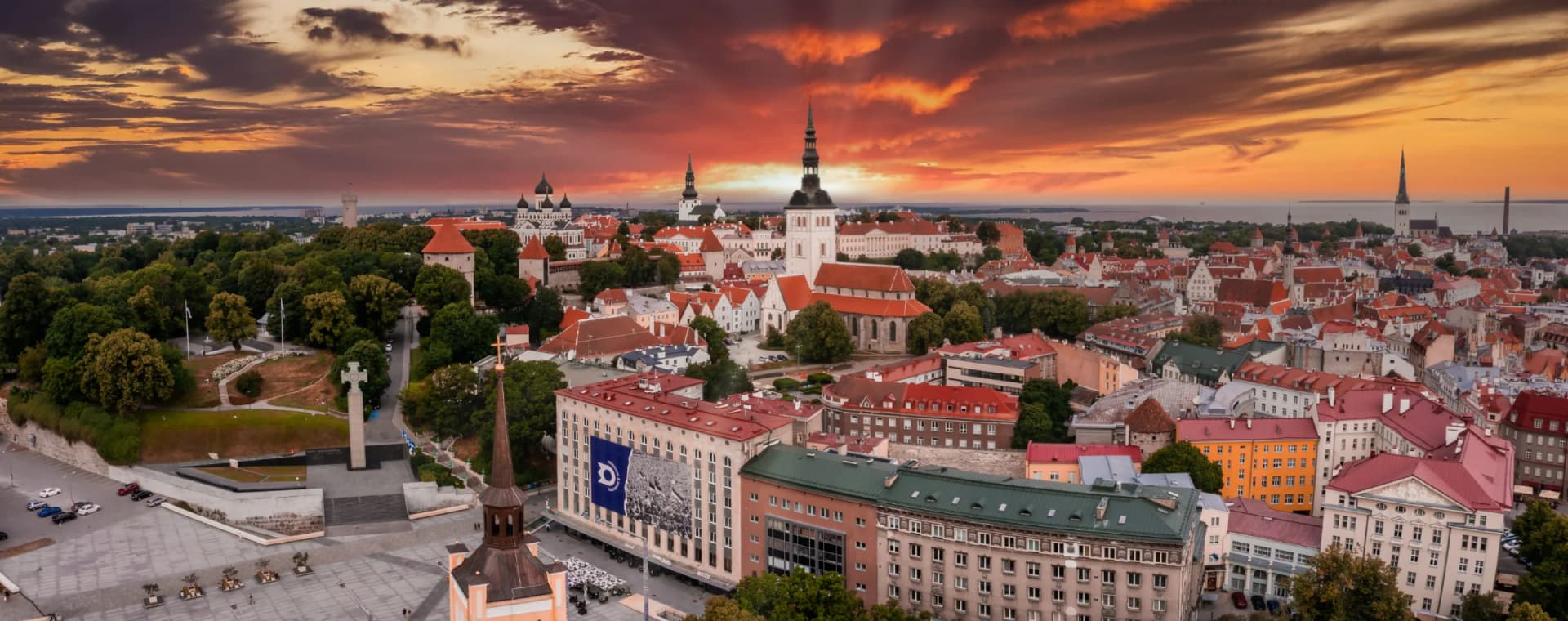
This Tallinn travel guide is for anyone weighing a long weekend in Estonia against the more obvious Baltic stops like Riga or Vilnius. Tallinn tends to win that comparison for a simple reason: its medieval Old Town, a UNESCO World Heritage Site since 1997, survived the twentieth century largely intact, and you can walk the whole thing in under an hour without breaking a sweat. Spires from St. Olaf's Church still poke above the rooftops the way they did when the building briefly held the title of tallest structure in the world, sometime around 1549.
But Tallinn isn't just cobblestones and gift shops selling amber. This is a city of roughly 450,000 people that runs on some of the fastest public wifi in Europe and treats digital government as a point of civic pride, since e-Estonia started here. Ferries from Helsinki dock two hours away, cruise ships stack up in summer, and yet the Kalamaja neighborhood five minutes from the harbor still feels like a quiet fishing quarter with wooden houses painted mustard yellow and rust red.
Expect a mix of eras stacked on top of each other. Soviet-era apartment blocks sit a short tram ride from a fifteenth-century town hall. Former industrial sites like the Noblessner shipyard now hold wine bars and design studios. That contrast, more than any single monument, is what makes the city worth two or three unhurried days.
When to Visit
June through August is high season, and for good reason. Daylight stretches past 10pm, temperatures usually sit in the high teens to low twenties Celsius, and outdoor cafes along Vene and Pikk streets fill up early. Midsummer, or Jaanipäev on June 23rd and 24th, empties the city as locals head to the countryside for bonfires, so don't expect a lively urban scene those two days specifically, even though the rest of June is peak tourist season.
Shoulder season, roughly April to May and September to October, is when the city feels most like itself. Fewer cruise crowds, cooler air, and the Old Town's cafes still open with reasonable hours. December brings the Tallinn Christmas Market to Town Hall Square, one of the oldest such markets in Europe, with the tradition of a public Christmas tree there dating back to 1441 by some local accounts.
Winter, from November through March, is genuinely cold and dark, with sunset sometimes before 4pm in December. Snow on the medieval streets photographs beautifully, but pack real boots. Museums and indoor attractions become the default plan rather than the backup one.
Where to stay
Old Town (Vanalinn): the obvious choice for first-timers. You're steps from Toompea Hill, the Alexander Nevsky Cathedral, and most sights, but rooms in medieval buildings can mean low doorways and thin walls. Prices skew upscale here, especially near Raekoja plats.
Kalamaja: a former working-class fishing district turned creative neighborhood, home to the Telliskivi Creative City complex of converted factory buildings. Wooden Tallinn architecture, good coffee, and a 15 to 20 minute walk to the Old Town.
Kadriorg: leafy and residential, built around the Baroque Kadriorg Palace commissioned by Peter the Great in 1718. Quieter, greener, and better suited to travelers prioritizing parks over nightlife, with a tram connecting back to the center.
Rotermann Quarter: a compact pocket of restored industrial buildings between the Old Town and the port, popular for its restaurants and modern apartment-style hotels. Good base if you're arriving by ferry and want minimal walking with luggage.
How to reach the destination
Lennart Meri Tallinn Airport sits about 4 kilometers from the city center, roughly a 10 to 15 minute taxi or tram ride on line 4, which runs directly into town. It's a small, easy airport to navigate, served by a mix of European budget carriers and a handful of longer-haul connections through hubs like Helsinki, Riga, or Frankfurt.
Ferries are a major entry point too. Boats from Helsinki take about two hours and run frequently throughout the day, making a Helsinki-Tallinn day trip a common itinerary for travelers based in Finland. Ferries from Stockholm run overnight and take considerably longer, closer to 15 to 17 hours, and function almost as a mini-cruise with cabins.
If you're coming overland, buses connect Tallinn to Riga (around 4 to 4.5 hours) and onward to Vilnius, as well as to St. Petersburg, though border and visa requirements for Russia should be checked well in advance since they shift often. Estonia is part of the Schengen Area, so EU and many other passport holders won't need a separate visa for short stays, but always confirm current rules before booking given how frequently these change.
Getting around the destination
Tallinn's Old Town is entirely walkable, and honestly the best way to see it is on foot since many streets are pedestrian-only or too narrow for much else. Outside the old core, the city runs an integrated public transit system of trams, buses, and trolleybuses that's inexpensive and covers most neighborhoods you'd want to reach, including Kalamaja and Kadriorg.
Public transport is free for registered residents of Tallinn, but visitors still pay, usually via a smart card system or mobile ticket. Buying a Tallinn Card, if you plan on hitting several museums, can bundle in free transit and entry fees, though do the math against your actual itinerary since it's not always cheaper.
Taxis and ride-hailing apps like Bolt (which was founded in Estonia) are widely used and generally cheaper than flagging a street cab. A rental car is largely unnecessary within the city and can be a liability in the Old Town's narrow, one-way medieval streets, but it opens up day trips to Lahemaa National Park, about an hour east.
Top destination travel tips
Cobblestones in the Old Town are uneven and can be slick when wet. Skip the heels or slippery-soled shoes.
Estonians tend to be reserved with strangers, not unfriendly, so don't read quiet service as cold service. Small talk with cashiers isn't really the norm here.
Tipping around 10% is appreciated at restaurants but not strictly obligatory the way it is in the US. Check if a service charge is already included first.
Plugs are the standard European two-pin type (Type F), 230V, so North American travelers need an adapter and possibly a converter for high-wattage devices.
English is widely spoken in tourist areas, especially among younger Estonians, but a simple "tere" (hello) or "aitäh" (thank you) goes over well.
Card payments, including contactless, are accepted almost everywhere, down to small kiosks. You genuinely don't need much cash on hand.
Watch the weather shift fast near the coast. Layers work better than a single heavy jacket, even in summer evenings.
Typical costs in the destination
Estonia uses the euro, and Tallinn generally runs cheaper than Helsinki or Stockholm, though it's crept closer to Western European price levels in recent years, especially in the Old Town's more tourist-facing restaurants.
Budget travelers can expect casual lunches or a hostel bed to sit in the lower end of the mid-range European scale, particularly outside peak summer months.
A mid-range sit-down dinner with a drink typically lands in the moderate tier, more in the Old Town, less in neighborhoods like Kalamaja or Pelgulinna.
Museum entry fees are generally modest, often in the budget tier, and several city-run museums offer free admission on certain days of the month.
Public transit tickets are inexpensive and cheaper still if bought in bundles or via the mobile app rather than on board.
Upscale dining, particularly places doing modern Nordic-Estonian tasting menus, pushes into fine-dining price territory, comparable to what you'd pay in Copenhagen or Stockholm.
Must try food and drinks
Verivorst: blood sausage, traditionally served around Christmas but available year-round in many restaurants, usually with lingonberry jam and sauerkraut.
Kama: an old Estonian mix of roasted ground grains, sometimes served blended into a dessert-like drink with kefir or yogurt.
Mulgikapsad: a hearty sauerkraut and pork stew from the Mulgimaa region, common comfort food in colder months.
Kiluvõileib: an open-faced sandwich topped with Baltic sprats, a genuine local staple you'll see on nearly every traditional menu.
Vana Tallinn: a sweet, spiced rum-based liqueur that's practically the city's unofficial souvenir in a bottle, often added to coffee or hot chocolate.
Black bread (leib): dense rye bread that shows up at almost every meal, sometimes fried into garlic-rubbed sticks as a bar snack.
Craft beer: Tallinn's brewing scene has grown noticeably, with taprooms scattered through Telliskivi and the Old Town pouring local IPAs and farmhouse ales alongside the more traditional Estonian lagers.
Wrapping up this Tallinn travel guide, the city rewards travelers who slow down enough to notice the layering, medieval stone next to Soviet concrete next to reclaimed industrial brick, all within a walk of the harbor. Two or three days gives you enough time to feel that contrast rather than just photograph it.
FAQ
Is Tallinn expensive?
Tallinn is cheaper than Helsinki or Stockholm, but it is no longer the bargain it once was. Prices have crept toward Western European levels, especially at tourist-facing restaurants in the Old Town. Kalamaja and Pelgulinna are cheaper for dinner, and museum entry is generally modest. Tasting-menu dining costs about what it does in Copenhagen or Stockholm. Check current prices before budgeting.
Do you need a car in Tallinn?
No, most visitors do not need a car in Tallinn. The Old Town is walkable, and trams, buses and trolleybuses reach neighborhoods like Kalamaja and Kadriorg cheaply. Bolt and other ride-hailing apps fill any gaps. A car can even be a liability on the narrow, one-way medieval streets. It only makes sense for a day trip to Lahemaa National Park, about an hour east.
Is English widely spoken in Tallinn?
Yes, English is widely spoken in tourist areas, particularly among younger Estonians. You can get by comfortably in hotels, restaurants and shops. Learning tere (hello) and aitäh (thank you) still goes over well. Estonians tend to be reserved with strangers, so brief, quiet service is normal rather than unfriendly. Don't expect much small talk with cashiers.
Is Tallinn safe for tourists?
Tallinn is generally regarded as a safe city for visitors, with the usual big-city precautions. Keep an eye on your belongings in crowded areas such as the Old Town in summer, when cruise ships bring large crowds. The more common hazard is the uneven, slippery cobblestones, so wear grippy shoes. Check your government's current travel advice before you go.
Is a day trip from Helsinki to Tallinn worth it?
Yes, a day trip from Helsinki works well, because ferries take about two hours and run frequently through the day. That is enough time to walk the Old Town, which takes under an hour on foot, and add a stop such as Kalamaja. If you want more than the highlights, staying two or three days lets you appreciate how the different eras sit together.
Do you need cash in Tallinn?
No, you barely need cash in Tallinn. Card payments, including contactless, are accepted almost everywhere, down to small kiosks. Public transport can be paid for with a smart card or a mobile ticket. Tipping around 10% is appreciated at restaurants but not obligatory, so check whether a service charge is already included on your bill.
Tallinn on the map
39 places from this guide. Tap a pin to open the listing.
Top Places to Visit in Tallinn
View all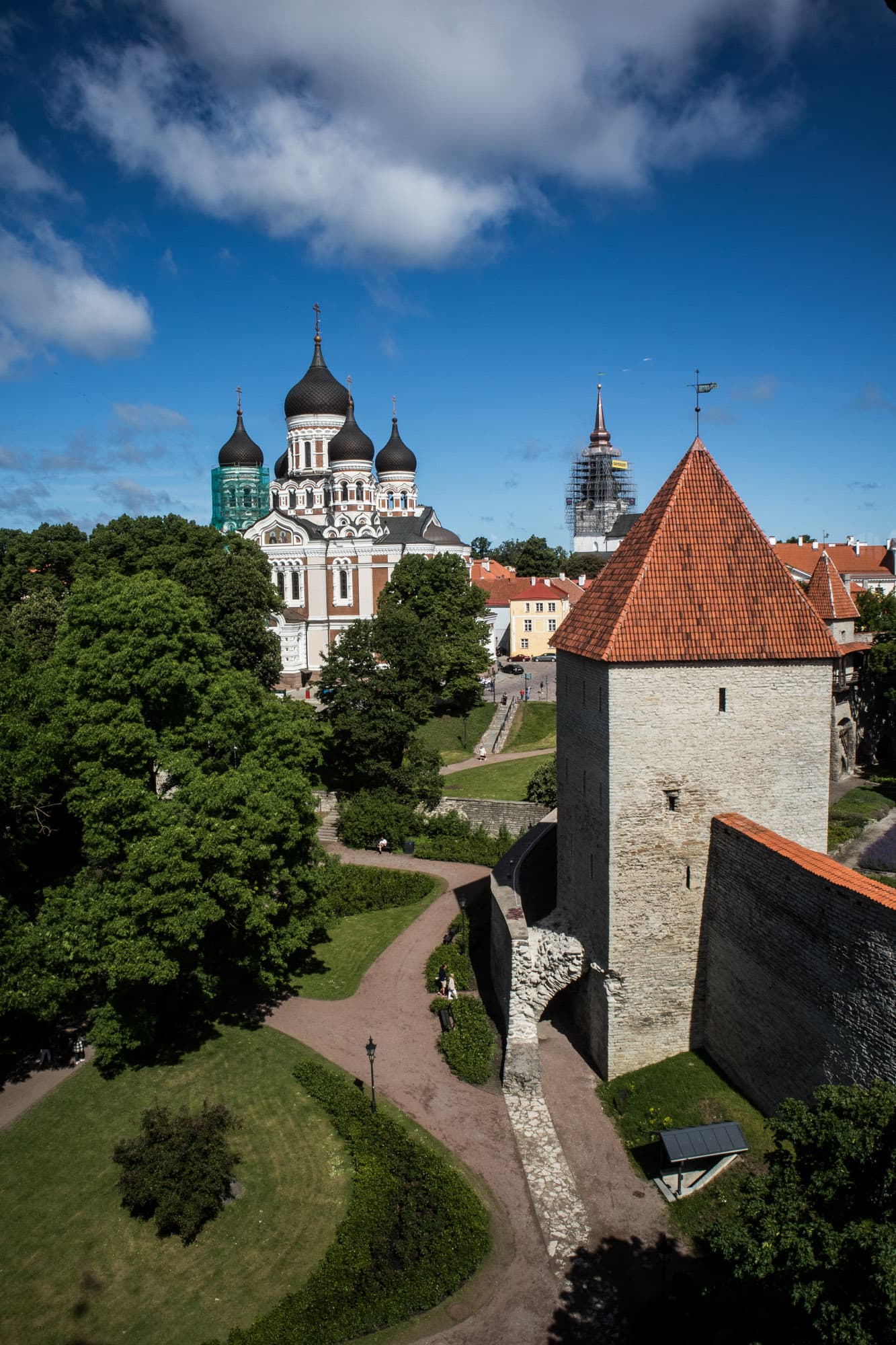 See & Do
 See & Do
 See & Do
Raekoja plats
 See & Do
Viru Gate
 See & Do
Tallinn Town Hall
 See & Do
Seaplane Harbour (Lennusadam)
 See & Do
 See & Do
Top Places to Eat in Tallinn
View all Eat & Drink
Restaurant Rataskaevu 16
 Eat & DrinkExpensive · $$$
 Eat & DrinkModerate · $$
 Eat & DrinkModerate · $$
 Eat & Drink
 Eat & DrinkExpensive · $$$
 Eat & DrinkLuxury · $$$$
 Eat & DrinkLuxury · $$$$