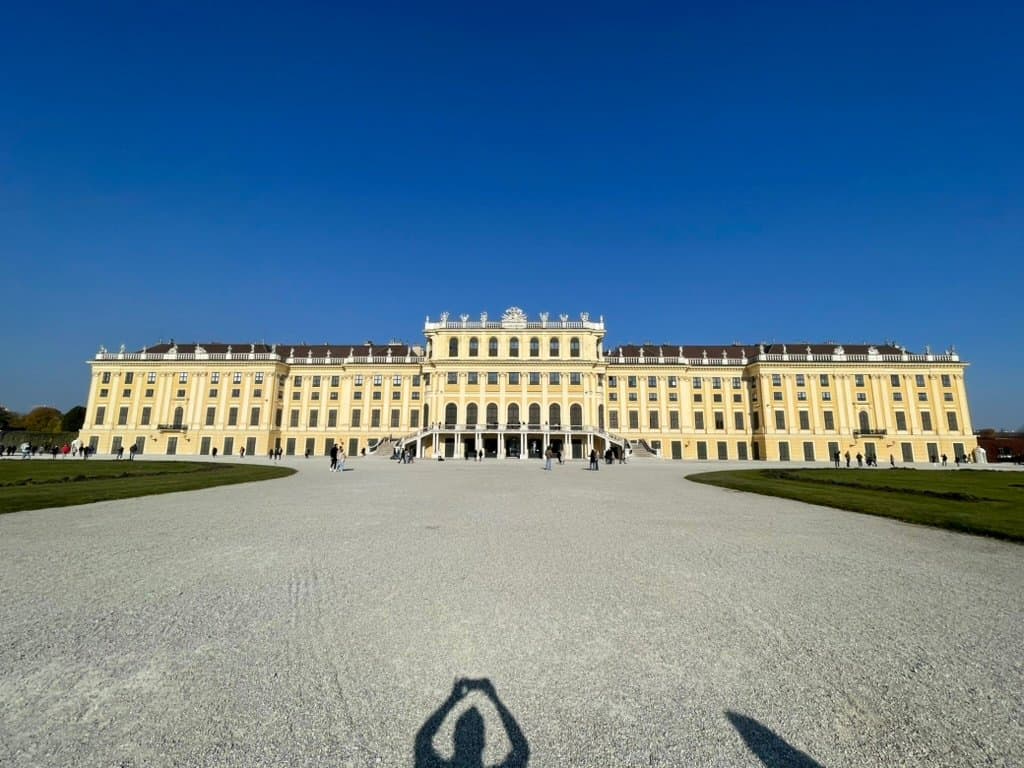
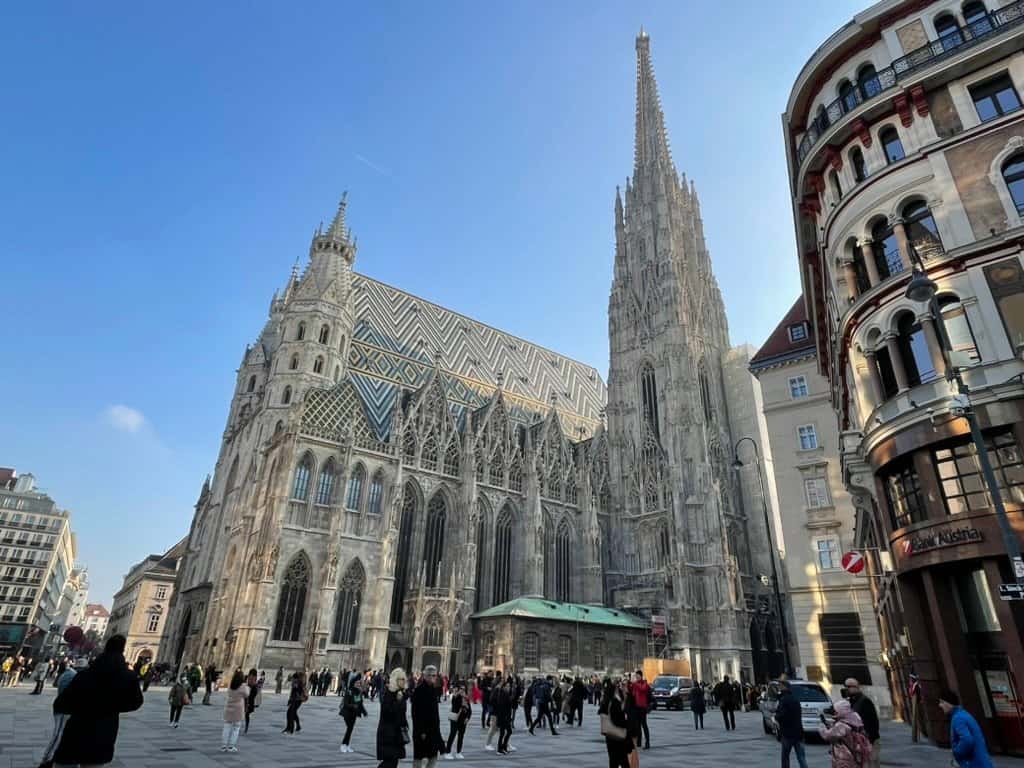
The Hofburg
Michaelerkuppel, Vienna 1010 Austria Posted by Brandon B.Admin
Vienna's Imperial Core: The Hofburg
The Hofburg has been at the center of European power for the better part of seven centuries. Sitting at the edge of Vienna's first district, this sprawling palace complex served as the primary residence of the Habsburg dynasty from the 13th century until the empire's collapse in 1918. Today it functions as the official residence of Austria's federal president, a UNESCO World Heritage site, and one of the most visited places in the entire country. If you only have one day in Vienna, you will almost certainly end up here.
What surprises most visitors is the sheer scale of the place. The Hofburg is not a single building. It is closer to a small city, covering roughly 240,000 square meters and comprising around 18 wings, 19 courtyards, and well over 2,600 rooms. Entire mornings can disappear inside it.
Why the Hofburg Matters
The Habsburgs ruled over the Holy Roman Empire, the Austrian Empire, and eventually the Austro-Hungarian Empire from this address. That run of influence lasted roughly 640 years. During that time, the complex was continuously rebuilt, expanded, and layered with architectural styles ranging from Gothic to Baroque to 19th-century Historicism. The result is a building that reads like a physical timeline of European ambition.
It was also the home of Empress Elisabeth, known as Sisi, whose life and legacy still draw visitors from all over the world. And the Spanish Riding School, which has operated here since the 16th century, is one of the oldest institutions of its kind anywhere.
Quick Facts
- Location: Michaelerplatz and Heldenplatz, Vienna's 1st district (Innere Stadt)
- Complex size: approximately 240,000 square meters
- Construction history: began in the 13th century, with major additions through the early 20th century
- UNESCO World Heritage status: listed as part of Historic Centre of Vienna since 2001
- Current use: official residence of the Austrian federal president, multiple museums, Spanish Riding School
- Nearest U-Bahn stop: Herrengasse (U3) or Museumsquartier (U2), both within about 5 to 10 minutes on foot
- Language: German, though English signage and audio guides are widely available throughout the museums
Getting There
The Hofburg sits at the western edge of the Innere Stadt, roughly a 15-minute walk from Stephansplatz if you come through the Kohlmarkt. The most dramatic approach is through the Michaelertor, the large domed gate on Michaelerplatz, which deposits you directly into the In der Burg courtyard. That entrance gives you an immediate sense of the scale.
If you're arriving by public transport, the U3 line to Herrengasse is your most direct option. Trams 1, 2, and D also stop nearby along the Ringstrasse. Driving into the 1st district is not recommended on any day of the week. Parking is limited, restricted, and expensive.
The Layout and Experience
Orientation takes a few minutes because the Hofburg has multiple distinct sections, each with its own entrance and ticketing. The complex broadly divides into the older Alte Burg section around the In der Burg courtyard, the 19th-century Neue Burg wing facing Heldenplatz, and the Imperial Apartments and treasury areas accessible from Michaelerplatz.
The three most visited attractions are the Imperial Apartments (Kaiserappartements), the Sisi Museum, and the Imperial Silver Collection, which are sold together as a combined ticket. The Imperial Treasury (Kaiserliche Schatzkammer) is a separate admission and sits in the Schweizerhof wing. The Spanish Riding School operates on its own schedule and ticketing entirely.
Heldenplatz, the large open square on the western side, is free to walk through at any time and offers some of the best views of the Neue Burg facade. On most days you will find tour groups, cyclists, and locals crossing it on their way somewhere else. It is also the square where, in March 1938, a crowd gathered for one of the most consequential announcements in Austrian history.
Main Highlights
The Imperial Apartments and Sisi Museum
The Imperial Apartments preserve the private rooms of Emperor Franz Joseph I and Empress Elisabeth as they appeared during their lifetimes. The Sisi Museum, which opened in 2004, adds a more personal layer through personal belongings, portraits, and objects that complicate the romantic image most people arrive with. Elisabeth was a deeply unconventional figure for her era, and the museum does not shy away from that.
The Imperial Treasury
The Kaiserliche Schatzkammer holds what is arguably the most important collection of imperial regalia in Europe. The Habsburg Crown, the Imperial Crown of the Holy Roman Empire (dating to around 962 AD), and the Burgundian Treasure are all here. Allow at least 90 minutes. The rooms are not large, but the objects reward close attention.
The Spanish Riding School
The Lipizzan horses have been trained at the Hofburg since the 1500s. Morning training sessions offer the most affordable way to watch the horses work, and they tend to feel more intimate than full performances. Full performances sell out weeks in advance, especially from spring through autumn, so booking ahead is not optional if you want a seat.
The National Library (Prunksaal)
The Baroque State Hall of the Austrian National Library, completed in 1726, is one of the most beautiful library interiors in the world. Frescoed ceilings, dark wood shelving, and globes from the early 18th century fill a space that feels almost theatrical. Separate admission applies, and it is often less crowded than the rest of the complex.
Tickets and Entry
Most of the Hofburg's museums charge separate admission. The combined ticket covering the Imperial Apartments, Sisi Museum, and Imperial Silver Collection represents the best value if you plan to visit all three. The Imperial Treasury requires a separate ticket. The Spanish Riding School has its own ticketing for both performances and morning training sessions. The Prunksaal of the National Library also charges independently.
Timed entry is not currently standard across most of the museums, though this can change during peak periods. Arriving when the doors open, generally around 9am, significantly reduces wait times in summer.
Best Time to Visit
July and August are the busiest months by a significant margin. If you visit then, go early and move to the Imperial Treasury or National Library in the afternoon when tour groups tend to cluster around the Sisi Museum. Spring and October offer a better balance of good weather and manageable crowds. Winter visits are quieter and the Christmas markets on nearby Rathausplatz and along the Ringstrasse make the surrounding area feel genuinely festive.
The Spanish Riding School has a reduced schedule in summer when the horses are typically on break, so check their calendar before planning your trip around a performance.
Photography Tips
The exterior shot most photographers want is from the center of Michaelerplatz, looking directly through the gate. Early morning, before the tour buses arrive, gives you the cleanest foreground. The Heldenplatz facade of the Neue Burg photographs best in the late afternoon when the light comes from the west.
Inside the museums, photography rules vary by room. The Imperial Treasury permits photography without flash in most areas. The Prunksaal is particularly photogenic from the upper gallery level, looking down the full length of the hall.
Combining with Nearby Attractions
The Hofburg sits within easy walking distance of several other major Vienna landmarks. The Kunsthistorisches Museum is directly across the Ringstrasse, about 10 minutes on foot through the MuseumsQuartier approach. The Albertina museum is a 5-minute walk from the Augustinerstrasse side of the complex. Burggarten, where you will find the famous Mozart statue, is immediately adjacent to the southeast corner.
A full day combining the Hofburg's main museums with the Kunsthistorisches Museum is genuinely feasible, though it makes for a long one. Most people find that two focused visits over two days is more satisfying than trying to see everything at once.
Practical Tips
- Buy combined tickets at the Michaelerplatz entrance to avoid separate queues at each museum
- Audio guides are available in multiple languages and are worth the extra cost in the Imperial Treasury
- The complex has multiple cafes and restaurants; the ones inside tend to be mid-range to upscale in pricing
- Bag check facilities are available near the main entrances, useful if you are carrying luggage between sightseeing stops
- Wear comfortable shoes. The stone floors are uneven in older sections, and the walking distances between wings add up
- If visiting with children, the Sisi Museum tends to engage them more than the Treasury, which requires patience for smaller kids
- The Vienna City Card offers discounts at some Hofburg attractions and covers all public transport
FAQ
Can you walk through the Hofburg courtyards for free?
Yes. The main courtyards, including In der Burg and Heldenplatz, are publicly accessible without any ticket. You can walk through from Michaelerplatz to the Ringstrasse side at no cost.
How long does a visit take?
A focused visit covering the Imperial Apartments, Sisi Museum, and Silver Collection typically takes around 2 to 3 hours. Add the Treasury and you are looking at a full half-day. Trying to cover everything in one visit is possible but tiring.
Is the Hofburg accessible for visitors with limited mobility?
Accessibility varies significantly between wings. The Neue Burg museums and the Imperial Apartments have lift access, but some older sections involve stairs and uneven surfaces. Checking the specific museum's accessibility information before you go is advisable.
Do you need to book Spanish Riding School performances in advance?
For full performances, yes, often well in advance during peak season. Morning training sessions are easier to access and are available more frequently, though they also sell out during busy periods.
Reviews
Sign in and mark this place visited to leave a review.
No reviews yet.
Free Trip Planner
Plan your Austria trip with our free planner
Build a day-by-day itinerary with AI suggestions, hand-picked places, and friends. Free forever — no credit card.