The Witte Museum
3801 Broadway, San Antonio, TX 78209, USAThe Witte Museum sits on Broadway at the edge of Brackenridge Park, where the San Antonio River curves past live oaks and a stretch of parkland that has anchored the city's cultural life for more than a century. It covers Texas natural history and the deeper human history of the region, from fossil beds to the rock shelters of the lower Pecos. If you're choosing one museum in San Antonio to bring kids to, or one that explains what Texas looked like before any of the cities existed, this is probably it.
The museum reopened a river-facing wing in 2017 after a substantial rebuild, and that addition changed how the place feels. Older sections still have the slightly dated, diorama-heavy feel of a mid-century natural history museum. The new wing is lighter, with glass that looks out toward the river, and it's where the museum's best material now lives.
Why the Witte Museum matters
San Antonio has no shortage of history museums built around the Alamo and the missions. The Witte does something different. It's the place that explains the land itself: the fossils under it, the people who lived along its rivers eleven thousand years ago, the ranching and frontier life that came after. The strongest galleries deal with the Pecos River region in far West Texas, where dry rock shelters preserved some of the oldest and most complex rock art in North America. Seeing that material in San Antonio, three hundred miles from where it was painted, is a reminder of how much of Texas history gets compressed into Alamo-era stories when the real timeline runs much longer.
Quick facts
- Address: 3801 Broadway, San Antonio, TX 78209
- Location: Broadway corridor, directly beside Brackenridge Park
- Focus: Texas natural history, archaeology, and South Texas/Pecos rock art
- Major renovation: a river-facing wing added in 2017
- Grounds include a cluster of reconstructed historic houses moved onto the site
- Within about a mile: San Antonio Botanical Garden and the Japanese Tea Garden
Getting there
The museum sits directly on Broadway, a few minutes north of downtown San Antonio by car. Broadway itself is one of the city's main corridors linking downtown to the Alamo Heights and Olmos Park neighborhoods, so if you're staying anywhere along that strip, the Witte is an easy drive or a reasonable taxi ride. There's on-site parking, which matters here since the museum sits inside Brackenridge Park and street parking around the park can fill up on weekends when the golf course, the zoo, and the gardens are all drawing crowds at once. If you're coming without a car, VIA bus routes run along Broadway, though checking current routing before you go is worth the five minutes it takes.
The layout and experience
The museum is organized loosely by theme rather than strict chronology, which means you can wander rather than follow a forced path. The dinosaur hall tends to be the first stop for families, and it's built around real Texas fossil finds rather than generic reconstructions, which gives it a more regional feel than a typical natural history dinosaur gallery. From there, the museum moves into the human story: South Texas archaeology, the rock art of the lower Pecos canyonlands, and exhibits on the ranching and frontier periods that shaped this part of the state.
Outside, the grounds hold a small collection of historic structures relocated to the museum property. Walking among them after the indoor galleries gives a useful sense of scale, how small and improvised actual 19th-century Texas homesteads were compared to the mythology around them. The outdoor areas also put you right along the river, with Brackenridge Park's oak canopy overhead, which makes the grounds pleasant even outside museum hours if you're just walking the park.
Main highlights
The Pecos River rock art galleries are the single best reason to visit if you only have time for one section. The art comes from rock shelters along the Pecos and lower Devils River in far West Texas, painted by hunter-gatherer groups going back thousands of years, with some of the imagery among the oldest pictographic art documented in North America. The museum presents this material with large-scale reproductions and context on how archaeologists date and interpret it, which is more than most visitors expect walking in.
The dinosaur hall is the obvious draw for younger visitors, built around fossil material tied to Texas rather than imported specimens, which gives it a more specific sense of place than a generic dino hall.
The reconstructed historic houses on the grounds round things out. These aren't reproductions built for the museum but actual structures moved here, which is worth mentioning to kids who assume everything in a museum is a model.
History and background
The museum has occupied this Broadway site beside Brackenridge Park for generations, growing through additions and renovations rather than a single build. The most consequential recent change was the 2017 expansion, which added the river-facing wing and reorganized much of the museum's approach to its permanent collections. That renovation is the reason the newer galleries feel considerably more current than the museum's older wings, and it's worth knowing going in that the building itself is a mix of eras, not a single architectural statement.
Tickets and entry
Entry is ticketed, with general admission covering the core galleries. Special or traveling exhibitions sometimes carry a separate ticket tier on top of general admission, so if there's a specific show you want to see, it's worth checking what it requires before you arrive. Memberships are available for repeat visitors, which makes sense given how much ground there is to cover in one visit and how well the museum suits return trips with kids at different ages.
Best time to visit
Weekday mornings are the easiest time to see the galleries without competing for space in front of the dinosaur displays. San Antonio summers get hot enough that the outdoor historic house area is more pleasant in spring or fall, or early in the day during summer before the heat sets in. Weekends draw family crowds, especially when there's a traveling exhibition running, so if quiet matters more to you than company, aim for a weekday.
Combining with nearby attractions
This is one of the easiest museum visits in San Antonio to pair with other stops, because Brackenridge Park puts several attractions within a mile of each other. The San Antonio Botanical Garden and the Japanese Tea Garden both sit close enough to combine with the Witte in a single day without much driving. The San Antonio Zoo is also inside Brackenridge Park, a short distance away, which makes the area a natural full-day plan if you're traveling with kids and want to break up museum time with something outdoors.
Sample visit plan
- Start with the dinosaur hall while energy and attention spans are highest
- Move into the Pecos River rock art galleries, allowing extra time here even if kids want to rush through
- Walk the outdoor historic houses before lunch, while the morning is still cool
- Break for lunch, either at the museum or by driving the short distance to Alamo Heights
- Spend the afternoon at the Botanical Garden or Japanese Tea Garden, both a few minutes away
Practical tips
- Park on-site rather than relying on street parking near the park entrance, especially on weekends
- Check for traveling exhibition tickets separately if there's a specific show you want to catch
- Bring water and sun protection if you plan to walk the outdoor historic house area, particularly in summer
- Budget at least two to three hours if you want to properly see the rock art galleries along with the dinosaur hall
- Combine the visit with the Botanical Garden or Japanese Tea Garden since both sit within about a mile
FAQ
Is the Witte Museum good for young children?
Yes. The dinosaur hall and outdoor historic houses are built around hands-on, visual material that works well for kids, and it's consistently recommended as one of the better family museum stops in San Antonio.
How much time should I plan for a visit?
Two to three hours covers the main galleries comfortably. Add extra time if a traveling exhibition is running or if you want to walk the full grounds.
Is the rock art real or reproduced?
The Pecos River galleries use large-scale reproductions and documentation of the original rock art, which remains in situ at rock shelters in far West Texas. The museum's strength is in how it contextualizes that material rather than housing the originals.
Can I walk to nearby attractions from the museum?
The Botanical Garden and Japanese Tea Garden are close enough to reach on foot if you don't mind a short walk through the park, though most visitors drive the short distance given San Antonio's heat for much of the year.
Whatever else is on your San Antonio itinerary, the Witte Museum is worth the detour off the Alamo-and-Riverwalk track. It's the clearest place in the city to understand Texas before Texas was Texas, and its location inside Brackenridge Park means it's never really a standalone stop. Plan for a half day, pair it with the gardens next door, and you've covered a side of San Antonio that most first-time visitors skip entirely.
Reviews
Sign in and mark this place visited to leave a review.
No reviews yet.
Free Trip Planner
Plan your United States trip with our free planner
Build a day-by-day itinerary with AI suggestions, hand-picked places, and friends. Free forever — no credit card.
Related reading
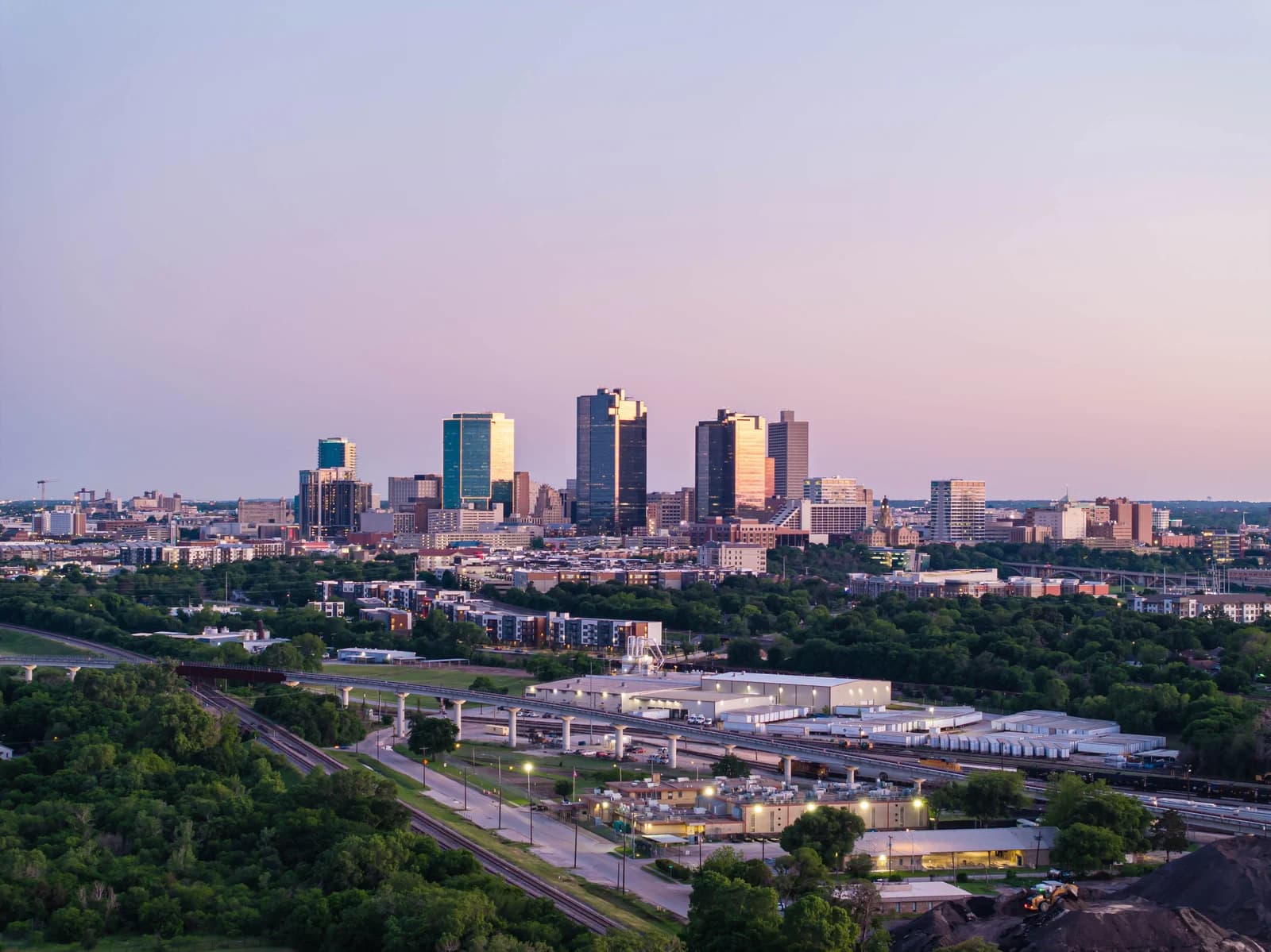
Things to see near The Witte Museum
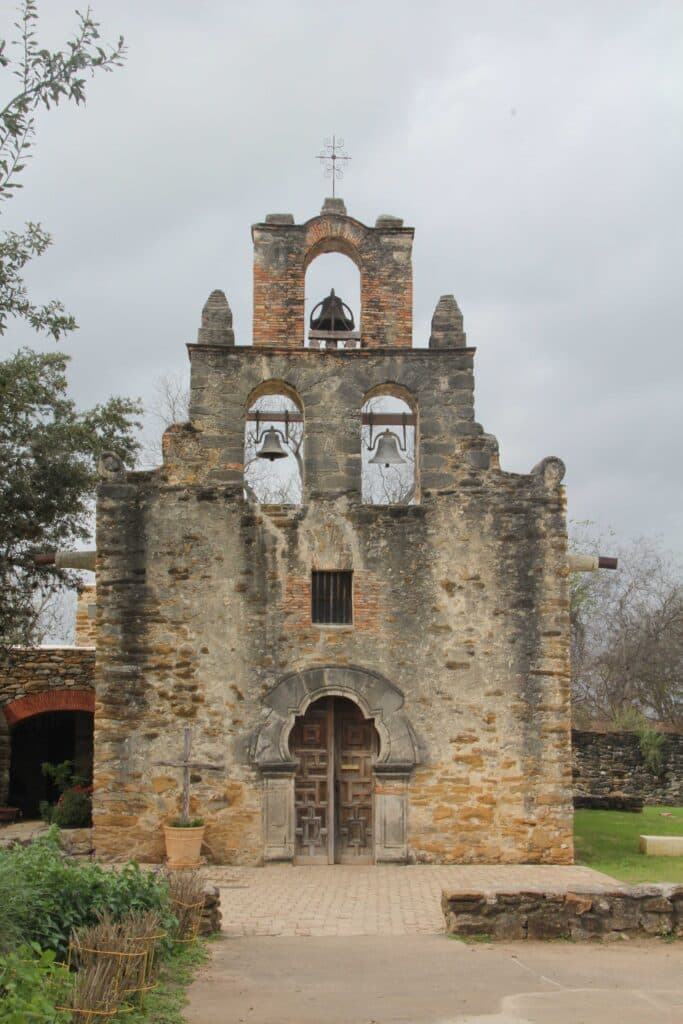
Mission Espada
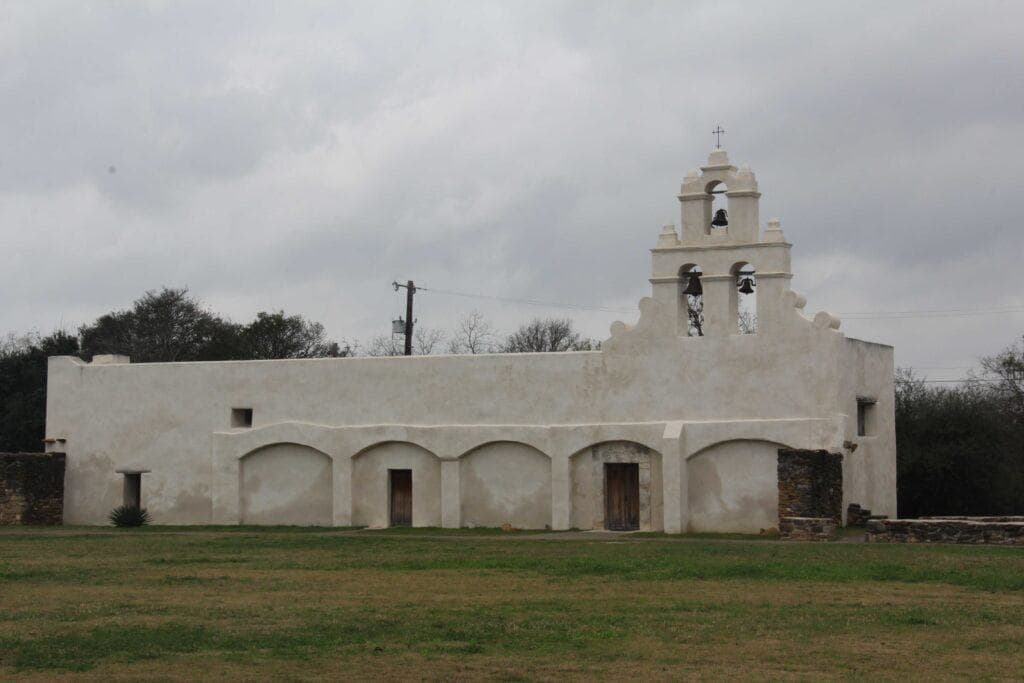
Mission San Juan
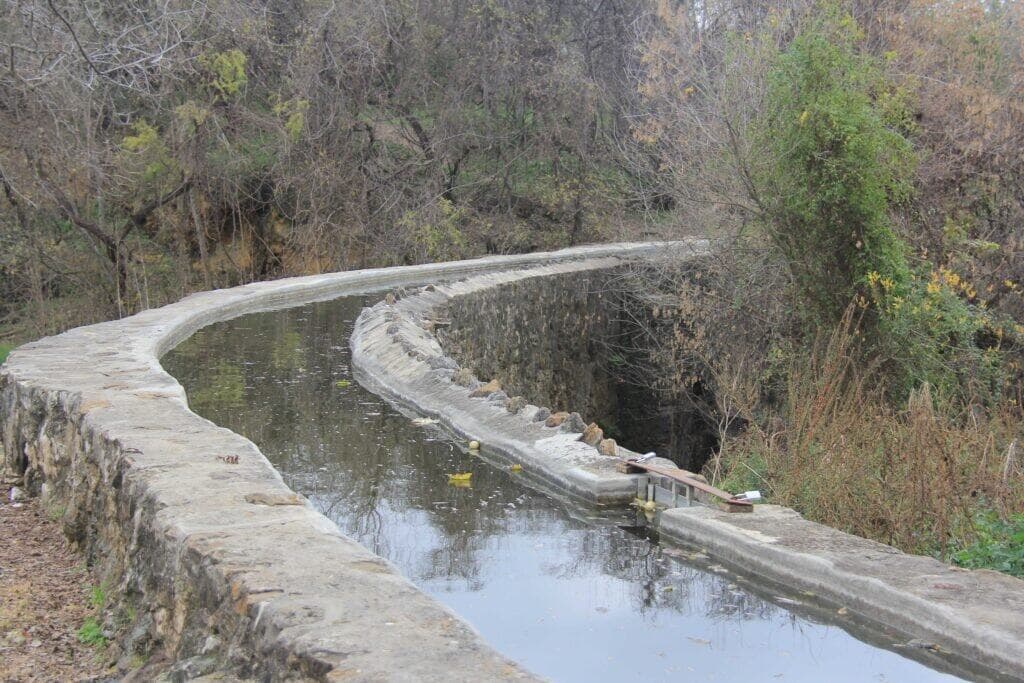
Espada Aqueduct

San Antonio Missions National Historical Park
Places to eat or drink near The Witte Museum

Freetail Brewing Co.

Beethoven Maennerchor
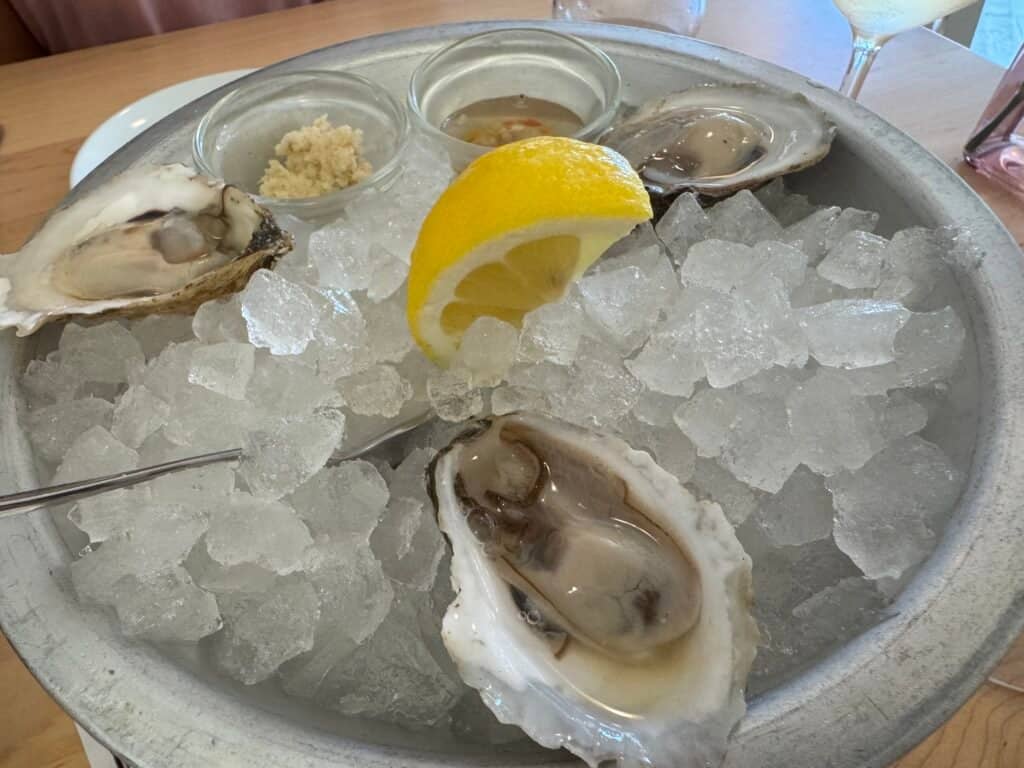
Little Em's Oyster Bar