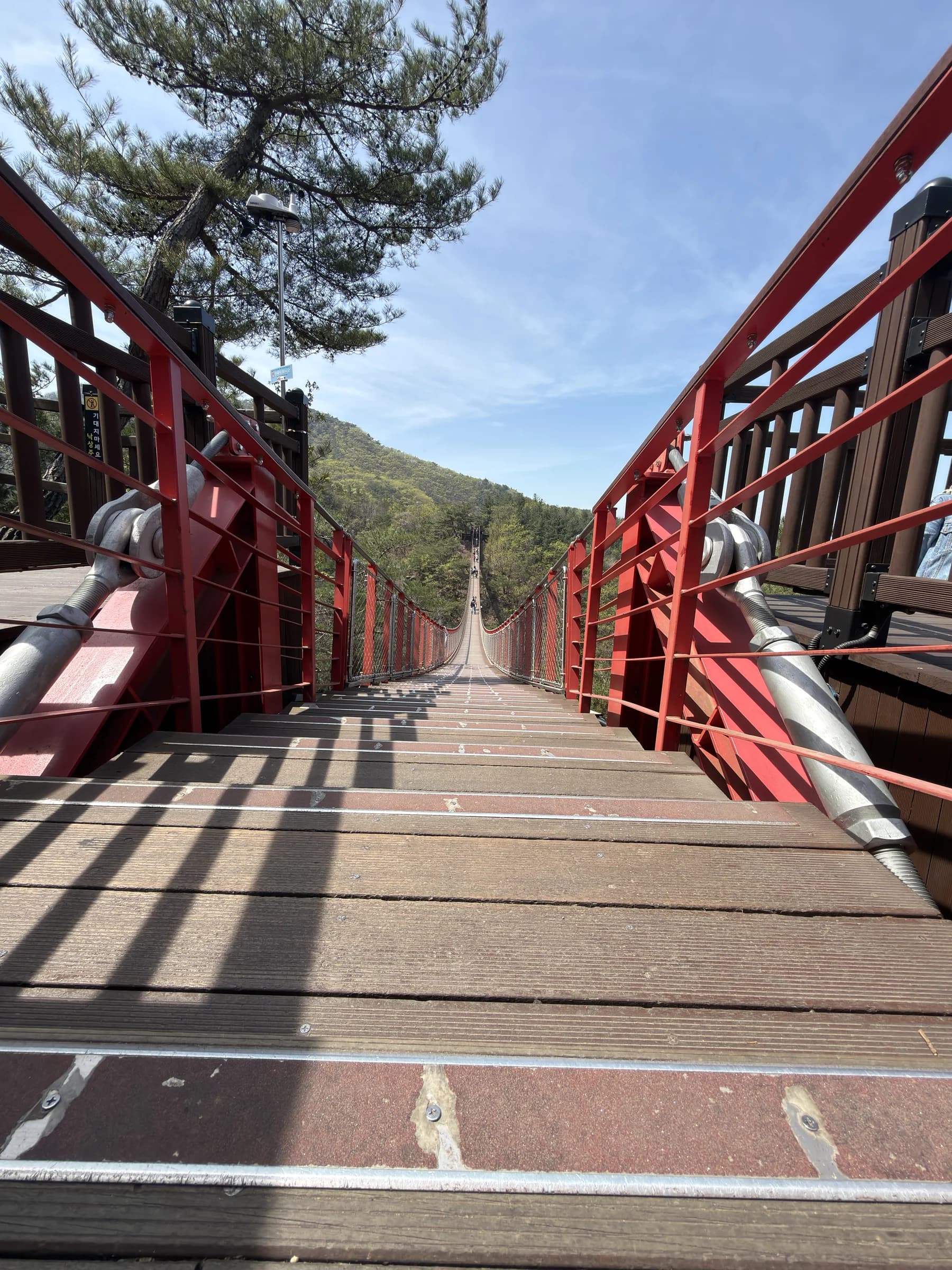
Overview
Walk into Tong-Ilchon and the first thing that hits you is the weight of it. The building stands on the border itself, straddling the line between North and South Korea, and you feel that proximity in the way the light falls through the windows and the way locals speak in careful voices. This is not a museum with polished narratives. It is a real house where a real family lived while watching the border harden around them, and it has been left almost untouched since division locked the door.
Tong-Ilchon sits in Paju, a city in Gyeonggi Province that exists in the shadow of the DMZ. The house itself is a modest traditional Korean structure dating to the colonial period, but its significance lies entirely in its location and what that location meant for the family who owned it. When Korea was divided in 1945, this house ended up on the frontier. The family chose to stay, making it one of the few civilian structures that remained occupied so close to the border for decades.
Why this place matters
Tong-Ilchon is one of the few places in South Korea where you can stand in a private home and actually see the DMZ unfold in front of you. Most visitors to the border experience it through military checkpoints or designated observation points. Here you experience it as the family who lived there did: as neighbors you could no longer reach, as a landscape that belonged to you once and no longer did.
The house became a symbol of the separation itself. Its preservation as a tourist site (rather than as a museum with interpretive panels and gift shops) means you are walking through someone's actual living space, seeing the photographs they left on walls, the furniture they used, the view they woke up to every morning. The emotional weight comes not from official storytelling but from the absence of it.
Quick facts
- Located in Paju, approximately 50 kilometers north of Seoul
- Built during the Japanese colonial period (early 20th century)
- Situated directly on the inter-Korean border
- Operating as a tourist site since the early 2000s
- Accessible by car or public transport from Paju city center
- Includes a small on-site cafe with views toward the border
Getting there
Tong-Ilchon is located in Baegyeon-ri, in the Gunnae-myeon district of Paju. If you are coming from Seoul, the drive takes roughly 60 to 90 minutes depending on traffic and which part of the city you start from. Taking a taxi or rented car is the most straightforward option, as public transport to this specific location is limited.
If you prefer public transit, you can take a train or bus to Paju city center, then arrange a taxi for the final leg to the house. The address in Korean characters and a map image on your phone will help the driver locate it precisely. Most taxi drivers in Paju are familiar with the site, as it has been a tourist destination for years.
The house sits near other DMZ-adjacent attractions in the Paju area, so you could feasibly visit multiple sites in a single day if you have transportation arranged.
The layout and experience
The house itself is small by modern standards. You enter through a modest courtyard and move through the main living spaces. The layout is typical of early 20th-century Korean residential architecture, with rooms arranged around a central area and traditional heating elements visible in the structure.
Staff members are usually present and can provide context, though much of the power of the visit comes from simply walking through and observing. You will see personal effects, photographs, documents, and furniture that belonged to the family. Windows frame specific views toward the border area, and the proximity to the actual demarcation line becomes visceral as you stand in the rooms.
The experience is quiet and contemplative by design. There are no crowds, no audio guides, no manufactured drama. You are essentially visiting someone's home. Shoes come off in certain areas, following Korean custom, and the pace of your visit is entirely your own.
Main highlights
The primary draw is the view itself. Standing at the windows and looking out toward North Korea creates a moment of clarity about what division means in concrete, geographical terms. The border is not abstract here. It is visible, immediate, and the house exists in the space between.
The family photographs and personal documents on display tell individual stories rather than grand historical narratives. These small details often resonate more deeply than official exhibitions because they show how ordinary people lived through extraordinary circumstances.
The on-site cafe offers a place to sit with coffee or tea and process what you have seen. The cafe itself has windows facing the same direction as the house, and many visitors linger here longer than they initially planned.
History and background
The house was built during the Japanese colonial occupation of Korea, which lasted from 1910 to 1945. It represents the architectural style and domestic life of that era, before partition reshaped the peninsula's geography and identity.
When Korea was divided in 1945 following the end of World War II, this house found itself on the new frontier. The family who owned it made the decision to remain, making their home one of the closest civilian residences to the border. For decades they lived in this liminal space, watching the boundary harden into one of the world's most fortified demarcation lines.
The house was eventually opened to visitors in the early 2000s as a way to preserve this perspective and share what life had been like in this particular location. Its status as a private home rather than a state-run museum distinguishes it from other border-related sites in the region.
Best time to visit
Spring and autumn offer the most comfortable weather for a visit. Temperatures are mild and the light at windows is often clear, which matters when you are trying to see across the border landscape.
Summer can be hot and humid, while winter brings cold and occasional snow. Neither season is prohibitive, but spring (April to May) and fall (September to October) tend to feel least restrictive for a contemplative visit.
Weekdays are generally quieter than weekends, if solitude matters to your experience. The house does not draw large tour groups the way major Seoul attractions do, but a weekday visit will feel even more like stepping into someone's private space.
Photography tips
The windows frame specific views that have been photographed many times. Shooting during midday or late afternoon, when light comes through the glass at an angle, tends to produce more interesting images than harsh overhead sun.
Interior photographs benefit from respecting the intimacy of the space. Wide shots of the rooms convey the layout better than close-ups of objects, which can feel intrusive in a home that was someone's actual living space.
The border landscape visible through the windows is your most dramatic subject. Bring a camera with reasonable zoom capability if you want to capture detail in the distance. The view changes depending on which window you are looking through and what time of day you visit.
Facilities and preparation
The site is relatively basic in terms of facilities. There is a small cafe on premises, but it is modest. Bring water if you are visiting on a warm day. Comfortable shoes are important because you will be walking through the house and courtyard, and the ground can be uneven.
If you have mobility concerns, ask staff upon arrival about the layout. Some rooms may be difficult to access depending on your needs. The house is not fully wheelchair accessible due to its age and traditional construction.
There is a small parking area near the entrance. If you are driving, you should have no trouble finding a spot.
Combining with nearby attractions
Paju has several other sites worth visiting if you are making the trip from Seoul. The Third Tunnel of Aggression, a tunnel dug by North Korea toward Seoul, is located nearby and offers a different perspective on the border. The Demilitarized Zone itself has observation areas and museums dedicated to the division.
The Paju Book City, a large publishing and cultural complex, is also in the area and makes for a different kind of day trip. You could feasibly visit Tong-Ilchon in the morning and explore other Paju attractions in the afternoon if you have the time and transportation.
Proximity to the border means these sites are somewhat clustered, so planning a half-day or full-day itinerary around the Paju area makes logistical sense.
Sample visit plan
Arrive in the late morning if possible. This gives you time to drive from Seoul without starting before dawn. Spend 45 minutes to an hour walking through the house and looking out the windows. There is no need to rush, and the experience benefits from a slower pace.
After leaving the main house, sit in the cafe for 20 to 30 minutes with a beverage. This is when many visitors process what they have seen, and the view from the cafe extends your time with the landscape.
If you have arranged other Paju activities, you could leave by early afternoon and visit a second site. If Tong-Ilchon is your primary destination, you could extend your stay by exploring the surrounding area or returning to Seoul in the late afternoon.
Practical tips
- Bring your passport. You are near a heavily secured border and may be asked for identification.
- Call ahead if possible to confirm operating hours and any access restrictions related to border security.
- The house can be cold in winter, even indoors. Dress in layers.
- Photography policies may vary. Ask staff if you are unsure about photographing specific areas or views.
- Expect a quiet, contemplative experience rather than an interactive museum with guided tours and exhibits.
- The view toward North Korea is weather-dependent. Haze or fog can reduce visibility. Clear days offer the best sightlines.
FAQ
How close is Tong-Ilchon to the actual border?
The house is directly on the inter-Korean border line. The proximity is what makes the visit significant, but this also means the site is subject to security regulations and access may be restricted during heightened tensions.
Can I see North Korea from the windows?
Yes. The views from certain windows look directly across the border landscape. On clear days visibility is good. Weather, time of day, and atmospheric conditions affect what you can see.
Is there a guided tour?
The site does not typically offer formal guided tours in English, though staff may provide context and answer questions. The experience is largely self-directed, which contributes to its intimate quality.
How long does a typical visit last?
Most people spend one to two hours total, including time in the cafe. You can move through the house itself in 30 to 45 minutes, but many visitors linger at windows or in the cafe afterward.
Is the site accessible by public transportation?
Public transit to the specific location is limited. A taxi from Paju city center is the most practical option if you do not have a rental car.
Reviews
Sign in and mark this place visited to leave a review.
No reviews yet.
Free Trip Planner
Plan your Paju-si trip with our free planner
Build a day-by-day itinerary with AI suggestions, hand-picked places, and friends. Free forever — no credit card.
Things to see near Tong-Ilchon

Gangnam District

COEX Starfield Library

Lotte World Tower & Seoul Sky

Bongeunsa Temple
Places to eat or drink near Tong-Ilchon
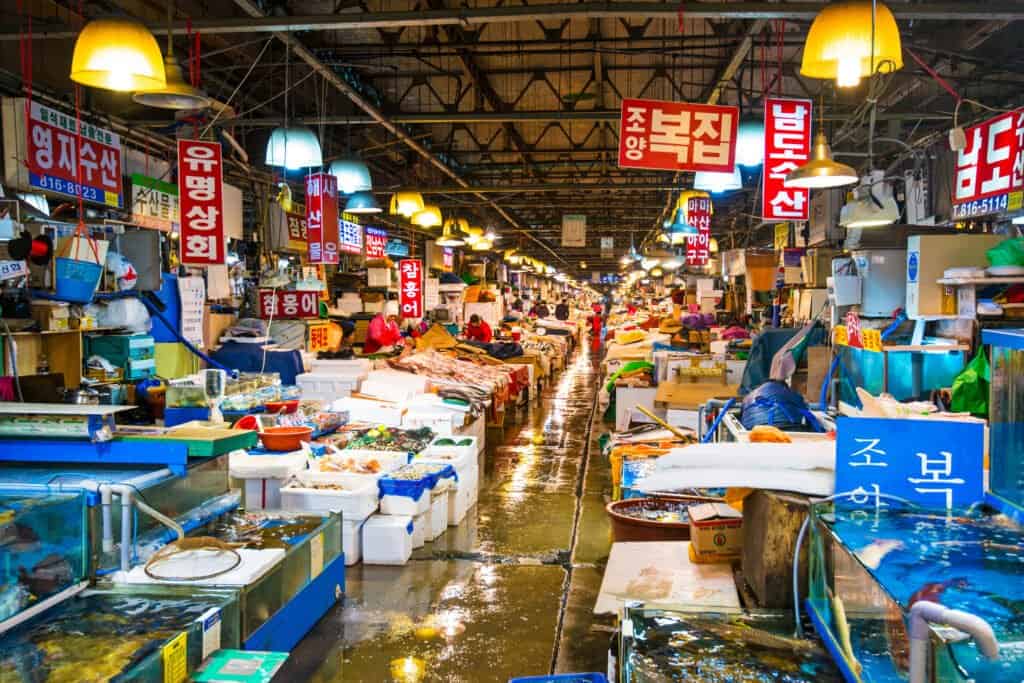
Noryangjin Fisheries Wholesale Market

Gebangsikdang

Gaon

Mingles
More places in Paju-si

The Third Tunnel

Dora Observatory

Paju Imjingak Peace Gondola