
Colombia on the map
59 places from this guide. Tap a pin to open the listing.
Colombia is the second most biodiverse country on earth, which is one reason its landscapes swing so wildly between postcard and genuinely wild. In roughly the size of France and Spain combined, you get snow-capped Andean peaks, Caribbean beach towns, Amazon jungle, and a Pacific coast where humpback whales pass each year. This Colombia travel guide covers where to go, when to go, and how to move between it all without wasting days on logistics.
Three cities anchor most itineraries. Bogotá sits at 2,640 meters in the eastern Andes, cool and grey more often than not, with Plaza de Bolívar at its historic core and Mount Monserrate rising above the city for a cable car or hike up to a church and a view that stretches over the whole savanna. The National Museum of Colombia, a short walk from the Gold Museum, traces the country's history from pre-Columbian cultures through the independence era, and a half-day trip north of the city takes you to the Catedral de Sal de Zipaquira, a cathedral carved into a working salt mine.
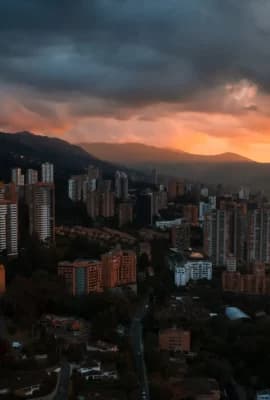
Medellín earned the nickname City of Eternal Spring for a climate that barely shifts across the year, and it has reinvented itself since the 1990s into one of the more livable cities in the country. The Museo Casa de la Memoria deals honestly with that violent past, while the Museum Pablo Escobar Medellin takes a narrower, more polarizing look at the cartel era that still draws curious visitors. For something slower, the Jardin Botanico de Medellin is free to enter and a good place to spend a warm morning among orchids and hummingbirds.
Cartagena, founded in 1533 by Pedro de Heredia, is Colombia's best-preserved colonial city and was named a UNESCO World Heritage Site in 1985. The Walled City of Cartagena is where most visitors spend their time, wandering streets lined with balconies and bougainvillea, while the Castillo de San Felipe de Barajas, a 17th-century fortress built to defend against pirate raids, sits just outside the walls and is worth climbing for the tunnels alone. Cali, the salsa capital and Colombia's third-largest city, trades colonial charm for nightlife and warm weather year-round, with venues like Social Club Los Amigos giving you a feel for the city's dance culture outside the big clubs.
Then there's Guatapé, a two-hour drive from Medellín, where every house in town is decorated with painted relief panels called zócalos, best seen around the Plazoleta de los Zocalos. Climb El Peñón De Guatapé, a 200-meter granite rock with a staircase built into its side, and you'll look down over Laguna de Guatape, a reservoir dotted with islands formed when the valley was flooded in the 1970s. For travelers willing to go further off script, Ciudad Perdida in the Sierra Nevada, San Agustin Archaeological Park with its pre-Columbian stone statues, Cerros de Mavecure in the eastern plains, and Amazon Rainforest Communities near Leticia all reward the extra travel time.
When to Visit
Colombia's straddling of the equator means temperature depends far more on altitude than season, but rainfall still shapes a Colombia travel guide worth following. December through March and June through September tend to be the driest windows across most of the country, which makes them the busiest and priciest for flights and hotels, especially around Christmas and Easter week. The Andes are noticeably drier from December to March, which is also the best stretch for trekking to Ciudad Perdida, since the trail turns to mud in the wetter months.
Medellín's climate barely moves through the year, hovering in a comfortable range most days, so it's a safer bet if your dates are fixed regardless of season. Cartagena and the Caribbean coast get hot and humid year-round, with a rainier stretch roughly from August to November. If you'd rather deal with afternoon showers than crowds, the shoulder months bring thinner lines at sights like the Castillo de San Felipe de Barajas and better rates on accommodation. Cartagena's Hay Festival, a literary event held each January, and Barranquilla's Carnival, usually falling in February or March, are worth building a trip around if the timing lines up, though both push prices up in their host cities.
How to Reach Colombia
Flying in is the most practical option for almost everyone. Colombia has five main international airports: Bogotá (BOG), Medellín (MDE), Cali (CLO), Cartagena (CTG), and Barranquilla (BAQ). From the United States, Avianca, United, and American Airlines run regular routes, while Iberia, Air France, and Avianca connect from Europe with at least one stop. Bogotá's El Dorado is the busiest hub and usually has the widest range of connections if you're routing through.
Overland entry is possible but varies enormously depending on the border. Colombia shares land borders with Panama, Venezuela, Brazil, Peru, and Ecuador, and crossings range from straightforward (Ecuador, via Ipiales) to genuinely difficult or inadvisable depending on current conditions, particularly toward Venezuela. There's no road connection through the Darién Gap between Panama and Colombia, so that particular route means flying or taking a multi-day boat trip through the San Blas islands. Check current entry requirements before you book, since visa rules and border conditions shift.
Getting Around Colombia
For intercity travel, buses remain the default and the network is extensive. Long-distance coaches tend to have reclining seats, onboard bathrooms, and a television blaring whatever the driver chooses, and it's worth packing a layer since the air conditioning runs cold regardless of outside temperature. In the coffee region, the open-sided Willy Jeep is still the local workhorse for reaching farms and smaller towns that buses don't serve well.
If you want to cut travel time, domestic flights are cheap enough on LATAM, Avianca, or Viva that a one-hour flight often beats an eight-hour bus ride between major cities. Within Bogotá, the TransMilenio bus rapid transit system covers most of the city, while Medellín's Metro, paired with the Metrocable gondola lines that climb into the hillside neighborhoods, is one of the more pleasant urban transit systems on the continent. Cartagena's walled core is compact enough to walk end to end in twenty minutes. Ride-hailing apps work in most major cities, though drivers sometimes ask you to sit in the front seat to avoid friction with traditional taxi drivers, who view the apps as unofficial competition.
Top Colombia Travel Tips
- Save on food by eating where locals eat. A set lunch, or "menu del día," at a neighborhood spot costs a fraction of what you'll pay at a restaurant aimed at tourists, and it's usually better food.
- Be careful choosing hostels on the Caribbean coast. Standards vary wildly, and a hotel or well-reviewed Airbnb often works out better value than a cheap, overcrowded hostel bed.
- Avoid areas that function as tourist bubbles, sometimes called "Gringolandia" locally. Prices get inflated and the experience feels disconnected from the city around it.
- Give yourself a day to adjust to Bogotá's altitude. Headaches and shortness of breath are common for the first 24 to 48 hours, so go easy on alcohol and heavy exercise when you arrive.
- Carry small bills and coins. Many smaller vendors and taxi drivers genuinely can't break a large note.
- Pick up a local SIM at the airport from Claro, Movistar, or Tigo. Prepaid data is inexpensive and coverage is solid in cities, patchier in rural and jungle areas.
- Keep valuables out of sight, especially phones on the street in Bogotá and Cali. It's less about danger and more about opportunistic theft, so a cross-body bag and some situational awareness go a long way.
- Learn basic Spanish beyond the tourist zones. English is spoken in hotels and major attractions but thins out fast once you're in local restaurants or smaller towns.
Typical Costs in Colombia
Colombia runs on the Colombian peso (COP), and it remains one of the better-value destinations in South America. Budget travelers can get by on hostel dorms, street food like arepas and empanadas, and public buses for a modest daily spend. Mid-range travelers staying in a comfortable hotel, eating at sit-down restaurants, and taking the occasional taxi or domestic flight will spend noticeably more but still less than equivalent trips in Europe or North America.
Upscale options exist in every major city, from boutique hotels in Cartagena's walled city to tasting-menu restaurants in Bogotá's Zona G or Parque de la 93. A casual lunch is cheap by most standards, a sit-down dinner with drinks moves into mid-range territory, and a night out in Medellín or Cali's clubs can add up quickly once bottle service gets involved. Intercity buses are inexpensive relative to distance covered, while domestic flights, though still reasonable, cost several times more than the bus equivalent.
Must Try Food and Drinks
- Bandeja paisa, a sprawling plate from the Antioquia region with beans, rice, chorizo, chicharrón, fried egg, plantain, and avocado.
- Ajiaco, a thick Bogotá soup made with three types of potato, corn, chicken, and guascas herb, usually served with cream and capers on the side.
- Arepas, in dozens of regional variations, served plain, stuffed with cheese, or topped with eggs depending on where you are.
- Tamales and hot chocolate at La Puerta Falsa Restaurant, a narrow Bogotá spot near Plaza de Bolívar that's been serving the same combination since the early 19th century.
- Ceviche on the coast, with Sevichería Guapi a solid stop if you want it done well away from the beachfront tourist stalls.
- Fine dining takes on traditional Colombian ingredients at restaurants like El Chato, where tasting menus reinterpret dishes you'd otherwise find at a street stall.
- An evening at Andrés Carne de Res Chía, just outside Bogotá, which mixes a sprawling grill menu with live music and dancing that runs well past midnight.
- Exotic fruit at Paloquemao Fruit Market in Bogotá, where lulo, guanábana, pitahaya, and dozens of fruits most visitors have never seen get sold by the kilo.
- Tinto, the small black coffee served everywhere from street carts to office breakrooms, and aguardiente, the anise-flavored spirit that shows up at nearly every celebration.
FAQ
Is Colombia safe to visit?
Most tourist areas in Colombia are safe with normal precautions, and millions of visitors travel through Bogotá, Medellín, Cartagena, and Guatapé without incident each year. Petty theft is the main risk in cities, so stay alert with your phone and avoid walking alone late at night in unfamiliar neighborhoods. Check current advisories for specific regions before traveling off the main tourist circuit.
How many days do you need in Colombia?
Two weeks lets you cover Bogotá, Medellín, Cartagena, and Guatapé without rushing between them. If you want to add a trek to Ciudad Perdida or time in the Amazon near Leticia, budget closer to three weeks so flights and travel days don't eat into your time at each stop.
Is English widely spoken in Colombia?
English is common in hotels, airports, and major tourist sites but far less so once you step outside those settings. Learning basic Spanish phrases makes a noticeable difference, especially for ordering food, taking taxis, or asking directions in smaller towns like Guatapé or San Agustín.
What is the best month to visit Colombia?
December through March generally offers the driest weather across the Andes and is a strong choice for trekking and sightseeing, though it's also the busiest and priciest period. If you prefer lighter crowds and don't mind occasional rain, the shoulder months outside the main dry seasons work well, particularly in Medellín where the climate changes little year-round.
Do you need a car to get around Colombia?
No, and most visitors are better off without one. Intercity buses, domestic flights, and city transit systems like Medellín's Metro and Bogotá's TransMilenio cover the main routes, while driving in Colombian cities involves traffic and road habits that take some getting used to.
Is Cartagena worth visiting if I'm short on time?
Yes, even two or three days gives you enough time to walk the Walled City of Cartagena, climb the Castillo de San Felipe de Barajas, and eat well along the way. It pairs naturally with a flight from Bogotá or Medellín rather than a long bus ride.
Can you drink the tap water in Colombia?
Tap water is generally safe in Bogotá and Medellín, but many travelers stick to bottled water in Cartagena and smaller towns to be cautious. If you're unsure, bottled water is cheap and widely available throughout the country, and this Colombia travel guide recommends erring on the side of caution outside the main cities.
Top Places to Visit in Colombia
View all See & Do
Catedral de Sal de Zipaquira
 See & Do
 See & Do
Jardin Botanico de Medellin
 See & Do
Parque Tematico Replica del Viejo Penol
 See & Do
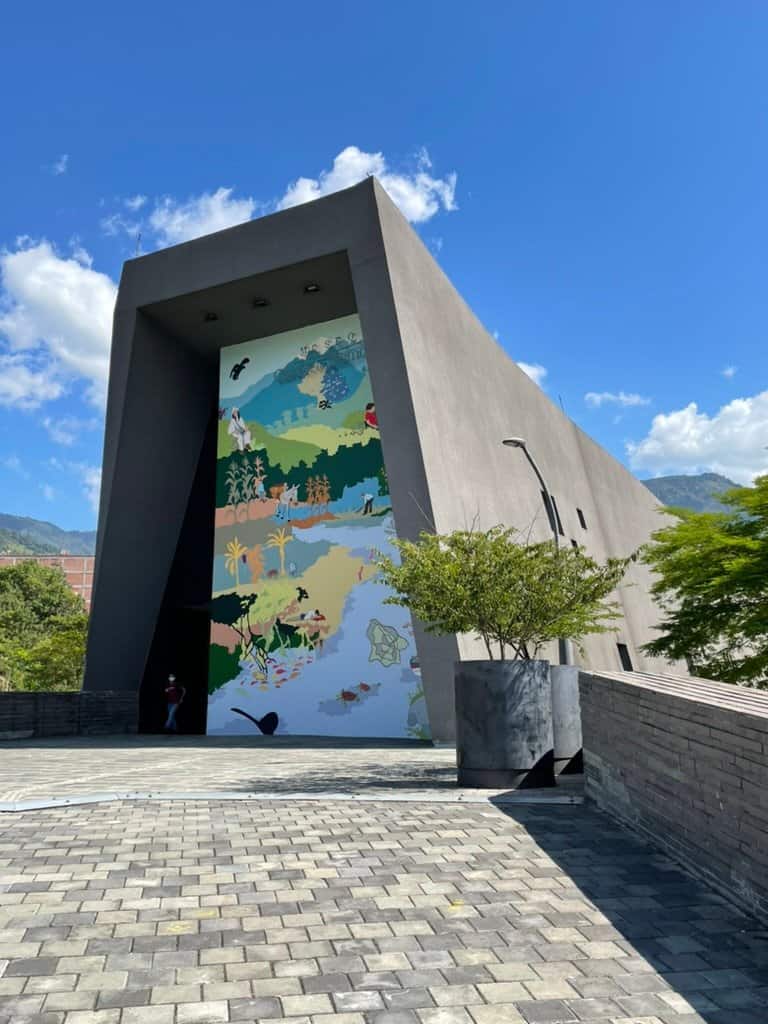
Museo Casa de la Memoria
 See & Do
 See & Do
 See & DoBudget · $
Top Places to Eat in Colombia
View all Eat & DrinkUltra Luxury · $$$$$
 Eat & Drink
 Eat & Drink
Ene Rooftop
 Eat & DrinkBudget · $
Legado Cocina Colombiana
 Eat & Drink
El Cielo – Medellín
The tasting menu that made Medellin a dining destination.
 Eat & Drink
 Eat & Drink
Carmen – Medellín
Modern Colombian cooking in El Poblado, without the spectacle.
 Eat & DrinkBudget · $