Waco Mammoth National Monument
6220 Steinbeck Bend Dr, Waco, TX 76708, USAWaco Mammoth National Monument: America's Nursery Herd
Waco Mammoth National Monument sits along the Bosque River in northwest Waco, Texas, and it holds something genuinely rare: the only recorded discovery of a nursery herd of Columbian mammoths in the United States. These animals died together roughly 65,000 years ago, and most of them are still in the ground where they fell. That last part matters more than it might sound. You're not looking at fossils that were excavated, cleaned, and posed in a gallery. You're standing over an active paleontological site where the bones remain in situ, embedded in the sediment that preserved them for tens of thousands of years.
It became a National Monument in 2015, one of the newer sites in the National Park Service system. Before that designation, the site was managed by the City of Waco and Baylor University, who co-stewarded it for decades after the initial discovery in 1978.
Why Waco Mammoth National Monument Matters
Most mammoth discoveries produce individual animals or small groupings. What makes this site different is the herd dynamic. Researchers have identified at least two separate die-off events here, suggesting animals returned to this location over time. The first event appears to have been a flash flood. The second, somewhat later, caught a different group in a similar fate.
Among the specimens, one male bull mammoth stands out for sheer size. There's also a camel, a juvenile mammoth, and other Ice Age fauna. The site broadens what scientists understand about how these animals moved, grouped, and perished across what is now central Texas.
Quick Facts
- Designated a National Monument in 2015 under the National Park Service
- Initial fossils discovered in 1978 by two local residents walking along the Bosque River
- At least 24 Columbian mammoths identified on site
- Located at 6220 Steinbeck Bend Dr, about 5 miles northwest of downtown Waco
- Managed in partnership between the National Park Service, City of Waco, and Baylor University
- One of the few NPS sites where fossils remain completely in situ beneath a climate-controlled dig shelter
Getting There
The monument is roughly a 10-minute drive from downtown Waco. Take North 19th Street or Highway 84 west toward the Bosque River area, then follow Steinbeck Bend Drive to the entrance. Parking is available on site at no charge. There is no direct bus route that terminates at the monument, so a car, rideshare, or bike are your practical options. The site is not particularly walkable from central Waco given the distance and lack of dedicated pedestrian infrastructure along the approach roads.
The Layout and Experience
The centerpiece is the Dig Shelter, a large climate-controlled building constructed directly over the excavation site. Guided tours take you inside, where you walk along elevated platforms and look down at the fossils embedded in the earth below. Rangers explain the stratigraphy, point out individual specimens, and give context about the die-off events. The bones are brown and dense against the sandy matrix, and the scale of the bull mammoth's tusks becomes apparent quickly.
Outside the shelter, a network of paved and packed-gravel trails winds through the surrounding riparian landscape along the Bosque River. The trails are short, mostly under a mile total, and pass through cottonwood and cedar habitat. It's a pleasant walk even if you're not a paleontology enthusiast.
The visitor center has exhibits, a small gift shop, and staff who can answer questions before or after your tour. Plan on spending about two hours total, including the guided tour and a walk along the river trail.
Main Highlights
The Nursery Herd
The primary excavation area contains the nursery herd, a group of females and juveniles that died together. The arrangement of the skeletons in the sediment gives a clear picture of how the animals were positioned when the flood overtook them. Seeing that spatial relationship, rather than a reconstruction, is something you don't get at most natural history museums.
The Bull Mammoth
A separate male specimen, one of the largest found at the site, is visible from the platform. His tusks have a curve and length that communicate scale in a way photographs rarely do. Rangers often use him as an anchor point for explaining the difference between Columbian mammoths and their woolly cousins, which were smaller and adapted to colder climates further north.
The Camel Fossil
Easily overlooked but worth asking about: a camel fossil also recovered from the site. North American camels are not part of most people's mental image of Ice Age Texas, and this specimen tends to generate genuine surprise on tours.
Tickets and Entry
Entry to the grounds and trails is free. The guided tour of the Dig Shelter requires a separate ticket, which falls in the budget tier. Tours run on a regular schedule and are led by National Park Service rangers or trained volunteers. Timed entry applies to the shelter tours, so arriving early or booking in advance is wise during weekends and summer months when school groups and families fill the available slots. Check the official NPS website for current tour times before your visit, as schedules can shift seasonally.
Best Time to Visit
Central Texas summers are genuinely brutal, with temperatures regularly climbing past 100 degrees Fahrenheit in July and August. The Dig Shelter is climate-controlled, but the walk from the parking area and the outdoor trails are exposed. Spring and fall are the most comfortable seasons, and the riparian vegetation along the Bosque River looks its best in March and April. Weekday mornings tend to be quieter than weekend afternoons, and you'll have more room on the viewing platforms during off-peak times.
Photography Tips
Inside the Dig Shelter, lighting conditions vary depending on the time of day and the position of natural light through the structure. A wide-angle lens helps capture the full excavation floor from the elevated platform. Avoid flash photography, both out of courtesy and because it tends to flatten the texture that makes the fossils legible. The outdoor trails offer good light in the early morning, when low-angle sun catches the river and the cedar canopy.
Combining with Nearby Attractions
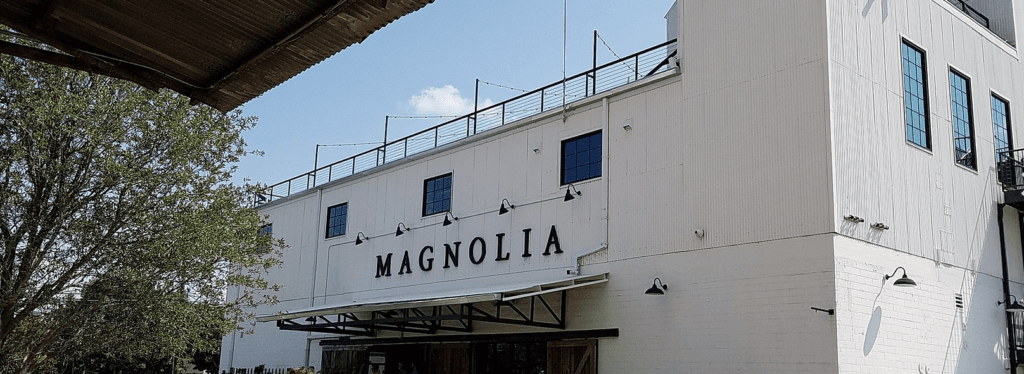
Waco has built a surprising amount of visitor infrastructure over the past decade, largely driven by the popularity of Magnolia Market at the Silos, which sits near downtown about 5 miles southeast of the monument. The two make a natural pairing for a full day: fossils and river trails in the morning, then the Silos and downtown Waco in the afternoon.
Baylor University's campus is also close, and the Mayborn Museum Complex on the Baylor campus has additional natural history and science exhibits that complement what you'll see at the mammoth site. If you're traveling with children, doing both in the same day gives them a lot of hands-on material to work with.
The Dr Pepper Museum, also in downtown Waco, is a quick stop for anyone interested in American food history. It's a different kind of experience entirely, but Waco tends to reward visitors who give it a full day rather than a quick pass-through.
Practical Tips
- Book or confirm tour availability before driving out, especially on weekends and during school year field trip season
- Wear closed-toe shoes if you plan to walk the outdoor trails, which can be uneven near the river
- Bring water in summer; the outdoor portions of the visit have limited shade
- The site is stroller and wheelchair accessible inside the Dig Shelter, though some outdoor trail sections are less even
- Photography is allowed throughout; tripods may be restricted in the shelter, so check with staff on arrival
- Cell service can be inconsistent near the river, so download directions before you leave
FAQ
Do I need to book in advance?
Walk-ins are sometimes possible for the Dig Shelter tours, but availability fills up quickly on weekends and during peak travel months. Checking the NPS website ahead of time saves frustration.
How long does the guided tour take?
Most tours run around 45 minutes to an hour inside the shelter. Add time for the outdoor trails and the visitor center exhibits and you're looking at a solid two-hour visit overall.
Is this appropriate for young children?
Yes, and it tends to go over well with kids. Real bones in the ground are more compelling to most children than reconstructed skeletons behind glass. Rangers are experienced with school groups and adjust their presentations accordingly.
Are the fossils real or casts?
The fossils visible on the excavation floor are real and in situ. Some replicas exist in the visitor center for interpretive purposes, but what you see from the platform during the tour is the actual material recovered from the site.
Waco Mammoth National Monument won't take your entire day, but it earns its place on any Texas itinerary that has room for something genuinely surprising. The fact that these animals are still where they died, still telling the story of a single catastrophic afternoon 65,000 years ago, makes this more than a museum stop. It's a place where the ground itself is the exhibit.
Opening hours
Reviews
Sign in and mark this place visited to leave a review.
No reviews yet.
Free Trip Planner
Plan your Waco trip with our free planner
Build a day-by-day itinerary with AI suggestions, hand-picked places, and friends. Free forever — no credit card.