Waco Suspension Bridge
101 N University Parks Dr, Waco, TX 76701, USAThe Waco Suspension Bridge: Texas's Oldest Surviving Wire Cable Suspension Bridge
The Waco Suspension Bridge spans the Brazos River at the edge of downtown Waco, and it has been doing so since 1870. That makes it the oldest surviving wire cable suspension bridge west of the Mississippi River, a distinction that draws history buffs, architecture enthusiasts, and casual walkers in roughly equal measure. Today the bridge is open to pedestrians and connects the downtown riverfront to Cameron Park, one of the larger urban parks in Texas. It is one of those places where you can cross a genuine piece of 19th-century engineering on foot, for free, any day of the week.
Why the Waco Suspension Bridge Matters
Before this bridge existed, crossing the Brazos at Waco meant a ferry ride or a very long detour. The bridge changed that immediately when it opened, and for a period it was the only wagon bridge crossing the Brazos River in the entire state of Texas. That is not a small thing. Waco sat along what would become one of the primary cattle drive routes heading north, and the bridge funneled enormous numbers of longhorns and cowboys through town during the great trail driving era of the 1870s and 1880s.
The engineering behind it is worth pausing on. John A. Roebling and Sons, the same New York firm that would go on to build the Brooklyn Bridge, supplied the wire cables. The bridge opened four years before construction even began on the Brooklyn Bridge, so Waco was working with genuinely cutting-edge technology for its time. The main span stretches roughly 475 feet across the Brazos.
Quick Facts
- Built: 1870
- Type: Pedestrian suspension bridge (originally built for wagon and foot traffic)
- Main span: approximately 475 feet
- Cable supplier: John A. Roebling and Sons of New York
- Admission: Free, open to pedestrians
- Location: 101 N University Parks Dr, Waco, TX 76701
- Nearest landmark: Indian Spring Park on the downtown side, Cameron Park on the opposite bank
Getting There
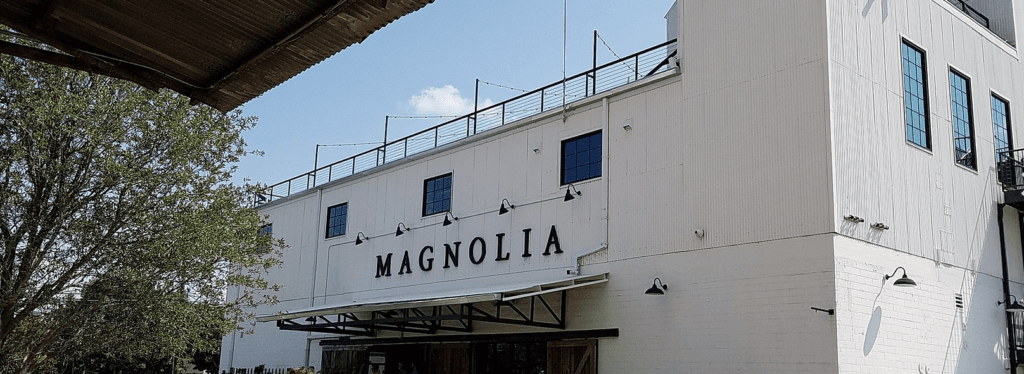
The bridge sits right at the edge of downtown Waco, a short walk from the Magnolia Market at the Silos, which is about a 10 to 15 minute walk south along the riverfront. If you are driving, parking is available near Indian Spring Park on the downtown side, along University Parks Drive. The bridge is also easy to reach on foot from most downtown hotels.
Coming from I-35, exit toward downtown and head west toward the river. University Parks Drive runs parallel to the Brazos and you will see the bridge towers before you reach the parking area. It is hard to miss.
The Layout and Experience
Walking the bridge takes only a few minutes, but most people slow down once they are out over the water. The wooden deck planks, the original stone towers, and the cables overhead give the whole thing a tactile sense of age that photographs do not fully capture. You feel the slight sway when other walkers are on it. That is normal and intentional.
On the downtown side, Indian Spring Park offers benches, green space, and a good view back toward the bridge for photos. On the Cameron Park side, you can connect to miles of trails through one of the most scenic urban parks in central Texas. Many locals use the bridge as a daily commuter link between the two green spaces, so expect foot traffic most mornings and evenings.
The Brazos below the bridge is wide and moves slowly through this stretch. Depending on the season, you might see kayakers, herons wading near the banks, or the occasional fisherman on the rocks below. The view upstream and downstream is genuinely pleasant.
History and Background
The Waco Bridge Company formed in the 1860s specifically to finance and build a permanent crossing. Raising the capital in post-Civil War Texas was not easy, and the project took time to get off the ground. Thomas Griffith, a local engineer, oversaw construction. When it opened in 1870, the bridge charged tolls to cover construction costs, and those tolls were a source of ongoing civic debate for years afterward.
McLennan County eventually purchased the bridge and eliminated the toll, opening it to free public use. It continued carrying vehicle traffic well into the 20th century before being converted to pedestrian use only. The bridge was added to the National Register of Historic Places in 1970, exactly one hundred years after it opened.
The connection to the Brooklyn Bridge often surprises visitors. Roebling's firm was the dominant wire cable manufacturer in the country at the time, and the Waco bridge served as a kind of proof of concept for large-scale suspension bridges in America. Whether the engineers who later worked on the Brooklyn Bridge ever studied the Waco structure directly is debated, but the family resemblance in design approach is clear.
Best Time to Visit
Spring and fall are the most comfortable seasons to linger. Waco summers get genuinely hot, and the bridge offers very little shade, so early morning visits in July and August are a practical choice if you want to avoid the worst of it. The bridge is open year-round and there is no gate or closing time, though the surrounding park areas are more enjoyable during daylight.
Weekday mornings tend to be quieter. Weekends, especially when events are happening at Magnolia Market or in downtown Waco, bring more foot traffic. The bridge is popular with photographers around golden hour, particularly in fall when the light on the Brazos goes warm and the water level tends to be higher.
Photography Tips
The most dramatic shot of the bridge is from the riverbank, positioned so both stone towers frame the span against the sky. The downstream bank on the Cameron Park side gives you a slightly elevated vantage point that works well in the late afternoon. If you want the bridge without crowds in the frame, arrive before 8am on a weekday.
From the bridge deck itself, shooting along the cable lines toward the towers creates a satisfying geometric composition. The wooden planks underfoot also photograph well as a leading line. Wide angle works better here than telephoto.
Combining with Nearby Attractions
The Waco Suspension Bridge is an easy addition to a broader downtown Waco visit. Magnolia Market at the Silos, the flagship retail and garden space from Chip and Joanna Gaines, is about a 10 to 15 minute walk south. The Dr Pepper Museum, which tells the story of one of America's oldest soft drinks, is nearby on Fifth Street. The Waco Mammoth National Monument, a genuine paleontological site with nursery herd fossils in situ, is a short drive north of downtown.
If you cross to the Cameron Park side, you can follow the trail system through the park and up to Lover's Leap, a limestone bluff overlook above the confluence of the Bosque and Brazos rivers. That adds maybe 45 minutes to an hour depending on how far you walk.
Practical Tips
- Wear comfortable shoes. The wooden deck planks have gaps and uneven sections.
- The bridge is free and has no posted closing time, but visit during daylight for the best experience and safety.
- No bikes allowed on the bridge deck. Lock up before crossing.
- The downtown side has restroom facilities in the nearby park area.
- If you plan to continue into Cameron Park for hiking, bring water. The park trails are largely unshaded.
- Cell reception is fine throughout. Parking on University Parks Drive is typically free and easy to find outside of major event weekends.
FAQ
Is the Waco Suspension Bridge safe to walk across?
Yes. The bridge has been maintained for pedestrian use and is structurally sound. The slight sway you feel while walking is a normal characteristic of suspension bridge design, not a cause for concern.
Can you drive a car across the bridge?
No. The bridge was converted to pedestrian-only use and vehicles are not permitted on the deck.
Is there an admission charge?
None. Crossing the bridge is completely free.
How long does a visit take?
The bridge itself takes about five minutes to cross. Most visitors spend 20 to 30 minutes total, walking across, taking photos, and exploring the riverbanks on both sides. If you connect into Cameron Park for hiking, plan for longer.
Is the bridge accessible for wheelchairs or strollers?
The wooden plank deck and the approach ramps may present challenges for some mobility devices. The gaps between planks are worth checking if accessibility is a concern before making the trip specifically for the bridge.
Reviews
Sign in and mark this place visited to leave a review.
No reviews yet.
Free Trip Planner
Plan your Waco trip with our free planner
Build a day-by-day itinerary with AI suggestions, hand-picked places, and friends. Free forever — no credit card.