
Travel Now or Invest It? What a Big Trip Really Costs You
By
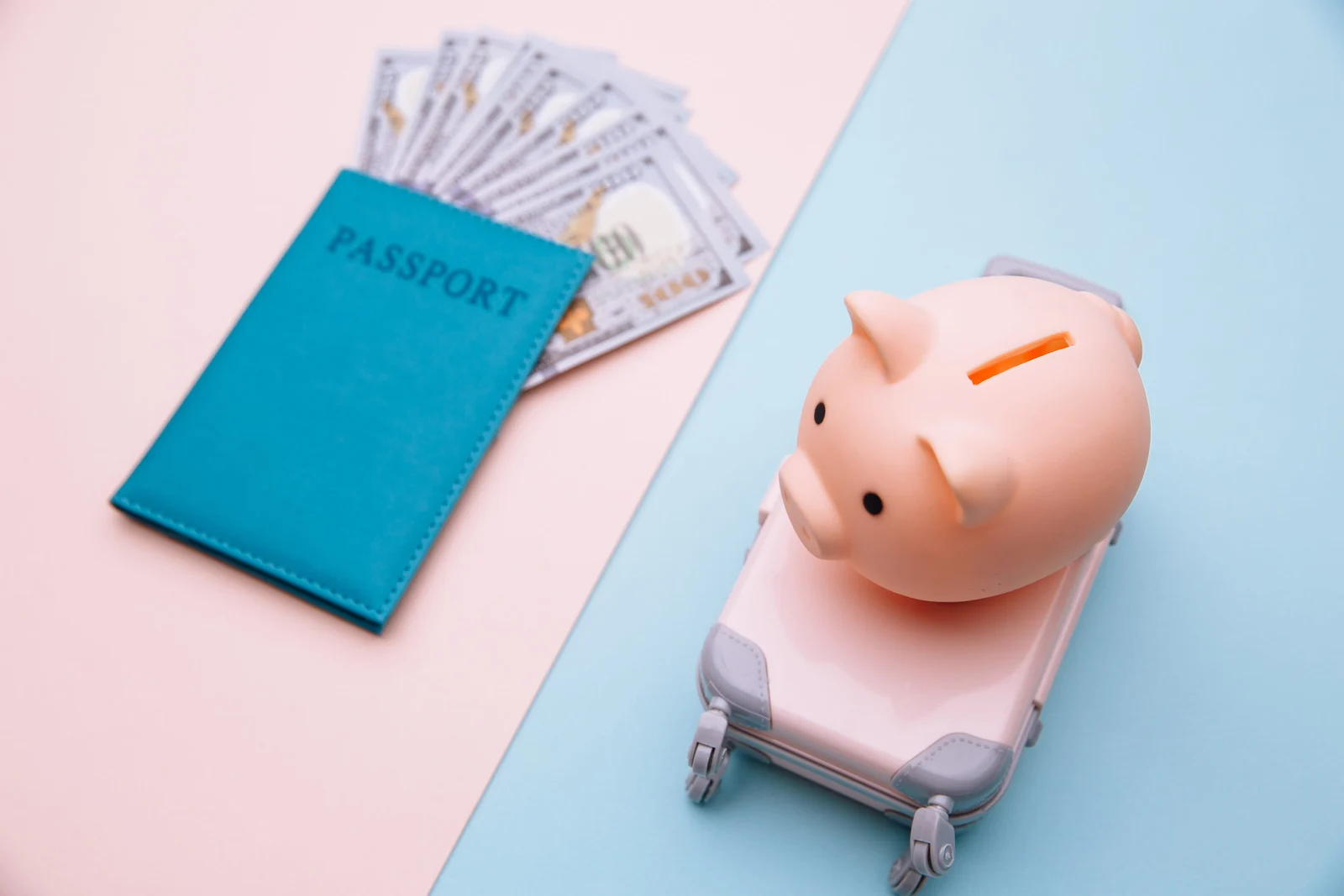
Every so often, a big trip starts to feel less like a daydream and more like a real possibility. The savings account has grown, the calendar has an opening, and the idea won’t go away. That’s usually when the second-guessing begins. Should this money go toward an experience you’ll remember for decades, or should it stay put and keep working toward a more secure future?
There’s no universal right answer, but there is a better way to think about the question. Most people judge a trip by its upfront price and whether that price feels manageable. That approach misses a lot. A major trip has costs that show up before you leave, while you’re away, after you return, and years down the road in money that never had the chance to grow. Once you can see all of those costs together, the decision gets easier to make and easier to live with.
Every Trip Has Two Bills
The first step is getting an accurate number. Not the price from the travel site, but the full amount the trip will actually pull from your finances.
The Bill You Expect
Flights, hotels and meals make up the core of any travel budget, and most people estimate them reasonably well. The smaller items are where budgets slip. Travel insurance, visa fees, airport parking, rides to and from the hotel, baggage charges and entry tickets can quietly add 15% to 25% to the total. It helps to build that cushion in from the start so the final figure doesn’t come as a surprise.
The Bill That Follows You Home
Some costs don’t appear until later. You might pay someone to watch your dog or water your plants. You might take unpaid time off if your vacation days run out. There’s often gear to buy before you go and a few days of convenience spending once you’re back and too tired to cook.
Then there’s the way you pay. Putting the trip on a credit card and carrying the balance changes the math completely. With many cards charging more than 20% interest, a balance that lingers for a year can add hundreds of dollars to the cost without giving you anything extra in return. If you can’t pay the trip off quickly, that’s a sign it may need to be smaller or later.
Following the Money Forward
Knowing what the trip costs today is only half the comparison. The other half is figuring out what that money could become if you left it invested.
What $10,000 Can Do When Left Alone
Imagine you’ve set aside $10,000 for a trip. Invested at an average return of 7% a year, it would grow to about $19,700 in 10 years, about $38,700 in 20 years, and roughly $76,000 in 30 years. Real markets rise and fall, so these figures are estimates, not guarantees. They still show how much growth can build up over time, especially when you start early. If you’d like to try your own numbers, the SEC offers a compound interest calculator on Investor.gov that makes it simple.
This is the part of the decision people tend to overlook. A trip that costs $10,000 at 30 could mean giving up tens of thousands of dollars at retirement. That doesn’t make the trip a bad idea. It does make the trade clearer.
Why the Future Number Is Smaller Than It Looks
There’s an important catch. Money in the future buys less than money today, so $76,000 three decades from now won’t stretch nearly as far as it would now. You can see how much prices have climbed over past decades with the Bureau of Labor Statistics CPI inflation calculator. Inflation also affects the trip itself. If you wait ten years to take the same vacation, you’ll almost certainly pay more for it. So while investing still comes out ahead on paper, the gap is narrower than the raw numbers suggest.
The Part No Calculator Captures
If the decision were purely about math, investing would usually win. But a trip offers things that are hard to measure and sometimes impossible to get back.
Timing Has Value of Its Own
Some experiences depend on where you are in life. A demanding trek is far more enjoyable when your knees are young. A trip with your parents may only be possible while they’re healthy enough to travel. A summer abroad with your kids works best before they’re teenagers with their own plans. You can always save more money later. You can’t always get the same moment back.
The Return You Don’t See on a Statement
A meaningful trip tends to keep giving long after you’re home. You look forward to it for months, enjoy it while it’s happening, and come back to the memories for years afterward. Studies on well-being have consistently found that people often get more lasting happiness from experiences than from material purchases. That kind of return won’t show up in your account balance, but it’s still part of the equation. The real question is whether a particular trip is worth what it costs you in future growth.
Getting Help With the Decision
Balancing future security against present experiences is hard to do on your own. Most people already lean one way before they start thinking it through, and it’s easy to find reasons to support whatever you wanted from the beginning.
What a Good Advisor Actually Does
A trusted advisor won’t simply tell you yes or no. They’ll look at the trip alongside everything else going on in your finances. Is your emergency fund in good shape? Are you getting the full employer match on your retirement account? Do you have debt with a high interest rate that should come first? The same trip can be a smart choice for one person and a stretch for another, and good advice helps you understand where you fall. It can also work in the other direction. Some people save so carefully that they never enjoy their money, and a good advisor will point that out too.
Where AI Fits In
For a long time, personal financial advice was out of reach for many people because of cost or account minimums. AI is making it much easier to get. You can now ask an AI financial planner whether a trip fits into your budget, how it might affect your savings goals, and what adjustments could make it work. These tools can quickly compare different options, like pushing the trip back a few months or spending a bit less, and show you how each one changes your long-term outlook. They’re a great place to start. If your situation is more complicated, combining AI tools with a human advisor can give you both quick answers and experienced judgment.
Turning the Trade-Off Into a Plan
With a clear sense of the costs, the benefits and where to get advice, you can stop treating every trip as a tug-of-war and start treating it as part of a plan.
Secure the Basics First
Before you book anything expensive, make sure your foundation is solid. That means an emergency fund covering three to six months of expenses, no high-interest debt, and retirement contributions that at least earn your full employer match. With those in place, travel becomes something you can afford rather than something you’re hoping works out.
Save for Travel Ahead of Time
Instead of deciding each trip from scratch, set aside a fixed amount for travel every month in a separate account. When there’s enough in it, you book the trip. This way, travel never competes with your investments, and you won’t feel guilty spending money that was always meant for this purpose.
Trim the Trip Instead of Canceling It
If the numbers don’t quite work, you don’t have to give up the trip entirely. Going in the off-season, using credit card points, staying in a rental instead of a hotel or shortening the trip by a few days can cut the cost significantly while keeping what matters most. Whatever you save stays invested and keeps growing.
Conclusion
Deciding between a big trip and your investment goals isn’t a matter of picking the responsible option over the fun one. A trip costs more than its price tag, both now and in the growth that money could have earned over time. Yet some experiences are worth more than any balance in an account. When you understand the full cost, get good advice and make the choice on purpose, you can feel confident in the decision either way.