
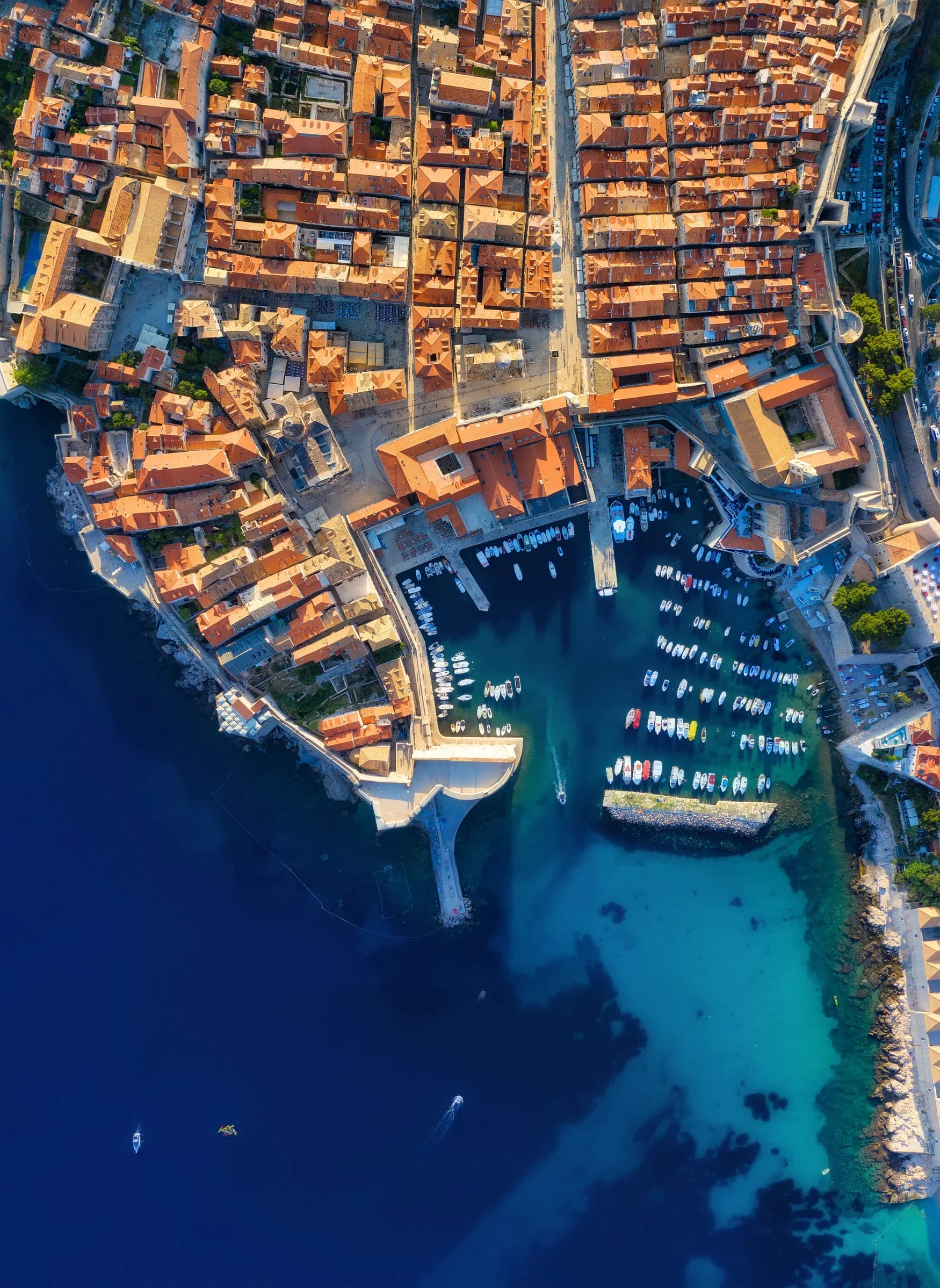
Dubrovnik on the map
40 places from this guide. Tap a pin to open the listing.
Dubrovnik sits at the southern tip of Croatia's Dalmatian coast, where limestone walls drop straight into the Adriatic and the old town still runs on the street grid laid out after the 1667 earthquake. This Dubrovnik travel guide pulls together what matters most for a first visit or a return trip: where the crowds thin out, which walk actually earns the ticket price, and how to eat well without stumbling into a tourist menu. The city is compact enough to cover on foot but layered enough that most visitors miss half of what's worth seeing.
Game of Thrones put Dubrovnik on a lot of bucket lists, and the city has leaned into it, but the place was a serious maritime republic for centuries before any film crew arrived. The Republic of Ragusa ran its own fleet, its own laws, and a diplomatic network that punched well above its size, and that history is still legible in the stonework if you know where to look.
When to Visit
May and June are the sweet spot. The sea is warm enough to swim, the light is good for photos on the walls, and the cruise ship crowds haven't fully peaked yet. July and August are hot, often past 30°C, and the old town gets genuinely crowded by mid-morning when multiple ships dock at once. If you can only come in high summer, aim to walk the city walls at opening time or in the last two hours before closing.
September into early October is arguably the best window: sea temperatures stay pleasant, the Dubrovnik Summer Festival has wrapped, and hotel rates ease off. Winter is quiet, with many restaurants and beach bars closed, but the walls stay open and the town has a stripped-back, almost medieval stillness that's worth experiencing at least once. Shoulder months like April and late October can bring rain off the Adriatic, so pack layers either way.
Where to stay
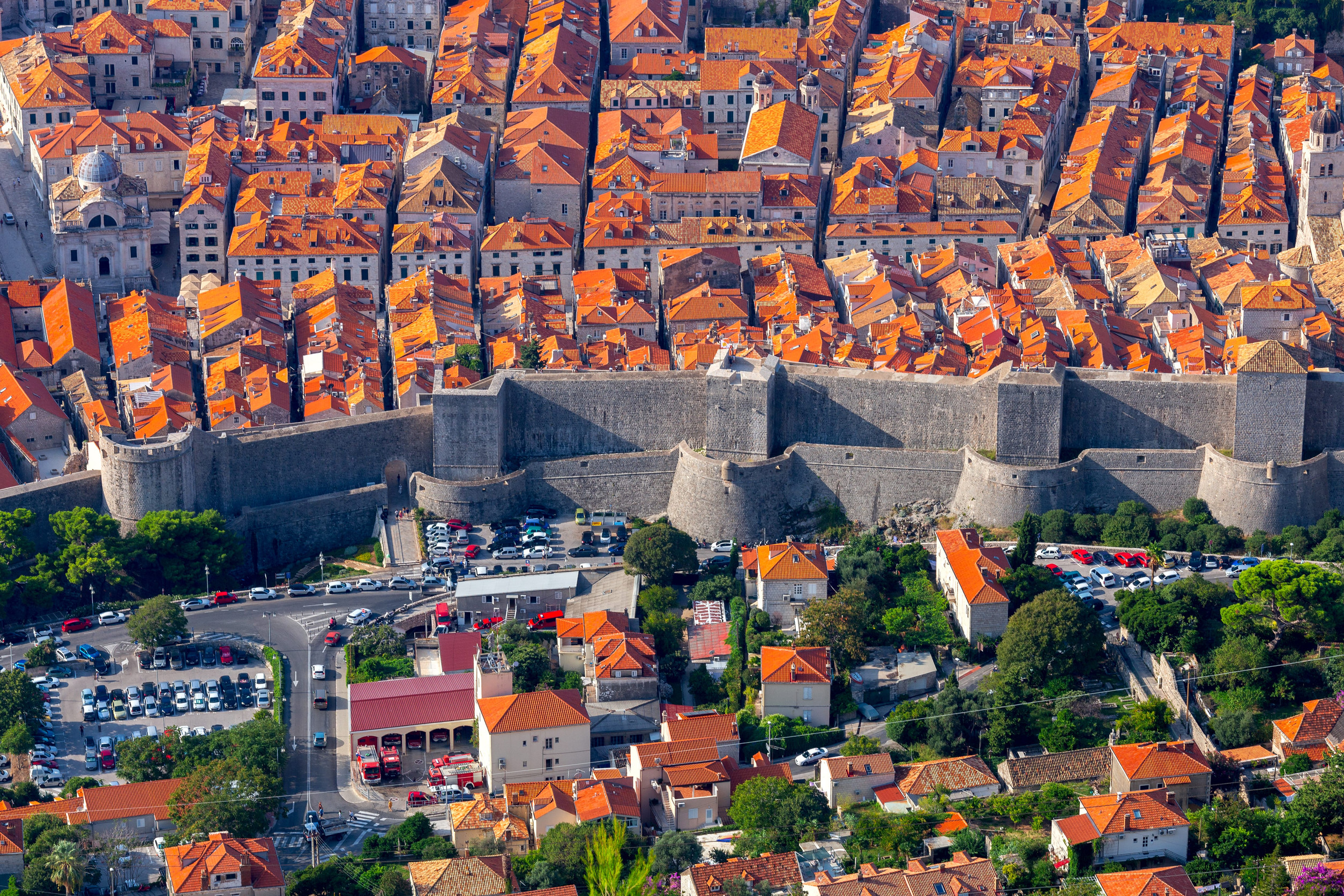
- Old Town: you're inside the walls, steps from Stradun Dubrovnik and the Church of St Blaise, but rooms are limited, often up steep stairs, and prices run upscale. Best if you want to wake up before the day-trippers arrive.
- Pile: just outside Pile Gate, this area gives you old town access on foot in a few minutes while staying in slightly more modern buildings, often with better value than inside the walls.
- Ploče: east of the old town, quieter, with some of the better hotel terraces looking back at the walls and Fort Lovrijenac. A short walk or cheap cab ride gets you into the center.
- Lapad: the beach neighborhood, built around Uvala Lapad Beach, with a promenade of restaurants and a more local, residential feel. A 15 to 20 minute bus ride from the old town, good for families or longer stays.
- Babin Kuk: further out on the Lapad peninsula, mostly resort hotels, quieter and better for travelers prioritizing pool and sea over nightlife.
How to reach the destination
Dubrovnik Airport (DBV) sits about 20 kilometers southeast of the city near Čilipi and handles seasonal direct flights from a long list of European cities, with service thinning out considerably in winter. Airport buses time their departures around flight arrivals and drop you near Pile Gate, and the ride takes roughly 30 to 40 minutes depending on traffic.
Overland, buses connect Dubrovnik to Split (around 3 to 4.5 hours depending on the route and border stops), and to Mostar and Sarajevo in Bosnia and Herzegovina. There's no train service to Dubrovnik at all, a quirk of the region's geography and history, so road and air are your only real options. Cruise ships dock at Dubrovnik West Harbour (Gruž), a short bus or taxi ride from the old town, and on heavy cruise days this is where you'll feel the crowd surge hit the Stradun hardest.
Getting around the destination
The old town itself is pedestrian only, and that's really the point of the place. Outside the walls, Dubrovnik's local bus network (Libertas) covers Lapad, Babin Kuk, Ploče, and the airport route reasonably well, with tickets cheaper when bought in advance from a kiosk rather than from the driver.
Taxis and ride-hailing apps work but can be pricier than you'd expect for a small city, especially during peak season surge. Walking is realistically how most people get between the major sights, since nothing in the historic core is more than 15 minutes apart. If you're staying in Lapad or heading to Trsteno Arboretum or further up the coast, renting a car for a day or two makes sense, though parking inside or near the old town is limited and best avoided entirely.
Top destination travel tips
- Buy city wall tickets online and go either right at opening or within the last two hours before closing to avoid the midday crush and the heat.
- A multi-day Dubrovnik Card can cover the walls, several museums, and bus transport, worth running the math on if you're staying three days or more.
- Tipping isn't obligatory but rounding up or leaving 10% at restaurants is appreciated and increasingly expected in tourist-heavy spots.
- Croatia uses the euro, and most places take cards, but small konobas and beach kiosks sometimes prefer cash.
- Wear real shoes for the walls and for Mala Buža style cliff spots. The limestone gets polished smooth and is genuinely slippery, wet or dry.
- Plugs are the standard European two-round-pin type (Type C/F), same as most of continental Europe.
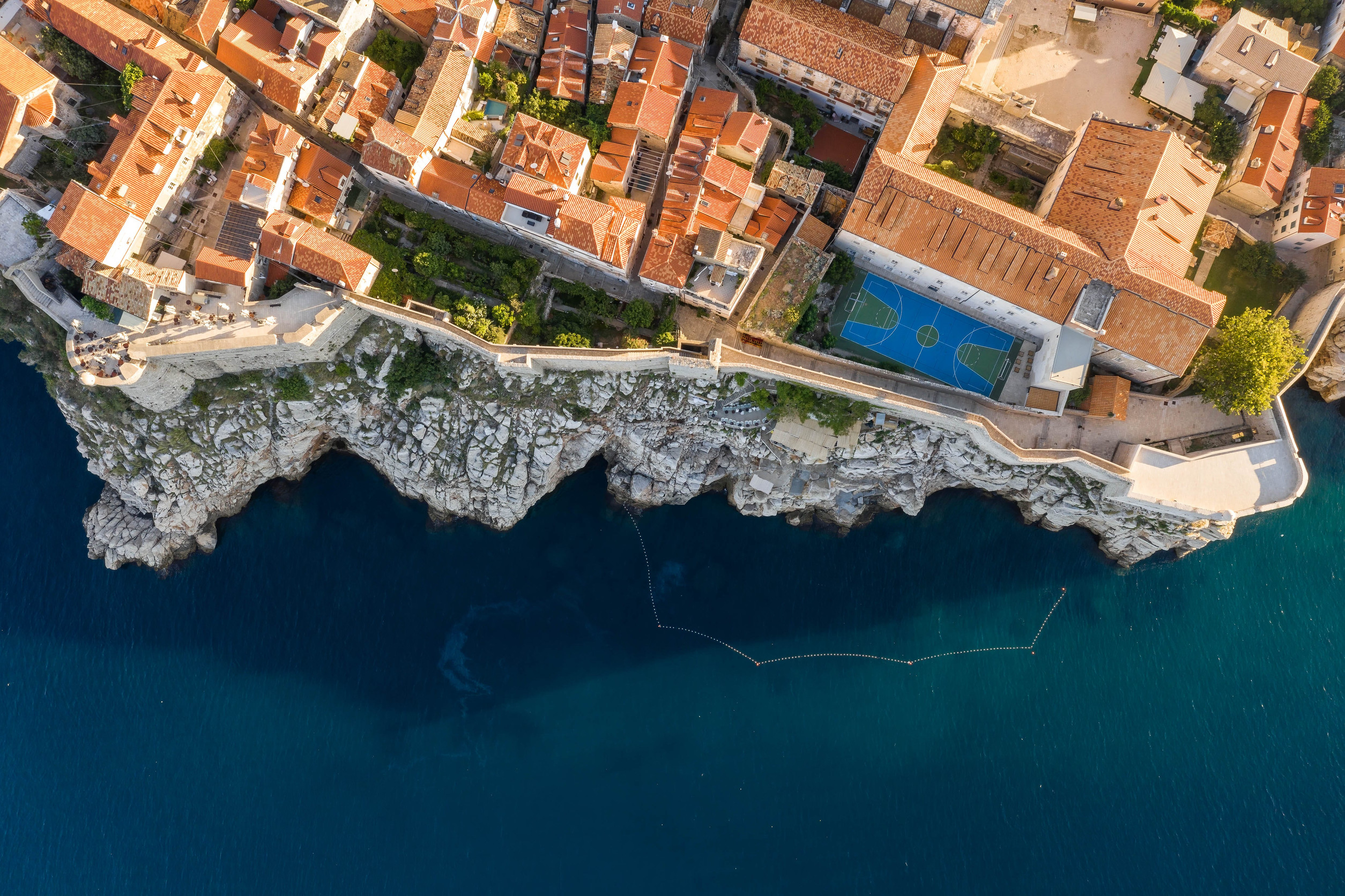
- If you want a clifftop drink without the full crowd, Buža Bar and the nearby Bard (Mala Buža) are both built into the rocks outside the walls facing the open sea, and they fill up fast at sunset.
- English is widely spoken in anything tourist-facing, though a few words of Croatian go a long way with older locals.
Typical costs in the destination
Croatia uses the euro, and Dubrovnik runs noticeably more expensive than inland Croatian cities, closer to Western European coastal prices in peak season. A casual sit-down lunch away from the Stradun tends to land in the budget to mid-range bracket, while a proper seafood dinner with wine at a sit-down restaurant pushes into upscale territory, especially at places with a view.
Accommodation swings hard by season: a mid-range room in July can cost double what the same room goes for in late October. City wall tickets, museum entries, and boat trips to Lokrum each carry their own separate fee, and these add up fast if you're trying to see everything in a short stay, so budget a specific line item for "sights" rather than assuming it's folded into accommodation costs.

Must try food and drinks
- Black risotto (crni rižot): squid ink risotto, a Dalmatian coastal staple, usually rich and briny rather than fishy.
- Grilled fresh fish, often priced by weight, served simply with olive oil, chard, and potatoes (blitva i krumpir).
- Dalmatian pršut and cheese, usually from the islands or the Pelješac peninsula, a good starter almost anywhere.
- Peka, meat or octopus slow-cooked under a metal dome with vegetables, usually needs ordering a few hours ahead.
- Rožata, a local custard dessert similar to crème caramel, often flavored with rose liqueur.
- Local gelato is worth seeking out away from the main strip; aROMA Gelato Boutique Dubrovnik is a solid stop if you want something better than the generic tourist-row scoop shops.
- Pošip and Grk, two Dalmatian white wines worth asking for by name, pair well with the grilled fish and seafood risottos on most menus.
- If you want a sit-down meal with a view to match the food, Restaurant Panorama earns its name honestly and is worth booking ahead for sunset.
FAQ
How many days do you need in Dubrovnik?
Two full days cover the essentials: a walk of the city walls, the old town sights, and a beach or boat trip. Three to four days lets you add Lokrum Island, a day trip up the coast to Trsteno Arboretum, and time to actually relax rather than sightsee non-stop.
Is Dubrovnik expensive?
Yes, relative to the rest of Croatia, Dubrovnik runs on the pricier end, particularly for accommodation and dining in peak summer months. Costs ease noticeably in shoulder season, and you can still eat well on a moderate budget if you walk a few streets back from the Stradun.
Is Dubrovnik walkable?
Very much so inside the walls, where cars aren't allowed and everything sits within a 15 minute walk. Outside the old town, neighborhoods like Lapad are more spread out and benefit from the local bus network or a short taxi ride.
Do you need a car in Dubrovnik?
Not for the old town or nearby beaches, and parking is genuinely difficult in the historic center. A car becomes useful if you want to explore the Pelješac peninsula or coastal villages further afield at your own pace.
What is the best month to visit Dubrovnik?
Late May, June, or September tend to offer the best balance of warm weather, swimmable sea, and manageable crowds. July and August are busiest and hottest, while winter months see many businesses closed.
Is Dubrovnik worth it with the crowds?
Yes, but timing matters more than in most cities. Early mornings, evenings, and shoulder season visits make a real difference, and spots like Gradac Park or the walk up the Jesuit Stairs offer quieter angles on the same views everyone else is fighting for mid-day.
Can you swim in Dubrovnik?
Yes, though the city has more rock and pebble shoreline than sand. Komarda rock beach and Bellevue Beach are both solid options close to the center, and Lokrum Island, reachable by a short boat ride, adds a saltwater lake locally nicknamed the Dead Sea.
Top Places to Visit in Dubrovnik
View all See & Do
Dead Sea – Lokrum Island
 See & Do
Plaža Sveti Jakov
 See & Do
 See & Do
Upper Corner Tower Foundry Museum
 See & Do
Uvala Lapad Beach
 See & Do
 See & Do
Benedictine Monastery of St. Mary
 See & Do
Dubrovnik Cable Car
Top Places to Eat in Dubrovnik
View all Eat & DrinkModerate · $$
 Eat & DrinkModerate · $$
 Eat & DrinkExpensive · $$$
Restaurant Panorama
 Eat & DrinkModerate · $$
 Eat & DrinkModerate · $$
Segreto Pasta & Grill
 Eat & DrinkModerate · $$