
Germany Travel Guide: Overview
Located in western-central Europe and spread across approximately 221,843 square miles, Germany includes a total of 16 states. It has the highest population in the European Union with inhabitants ranging up to 81 million.
While traveling around Germany, you will experience an eclectic mix of old world charm and modernity. From multi-ethnic cities like Berlin, Munich and Frankfurt to the oldest cities offering historic flavor like Cologne and Heidelberg. Germany is a beautiful blend of old and new. To experience both the old and new world at one place, Dusseldorf features futuristic architecture, the longest bar in the world, numerous museums and conventional breweries. It is also one of the richest cities of Germany.
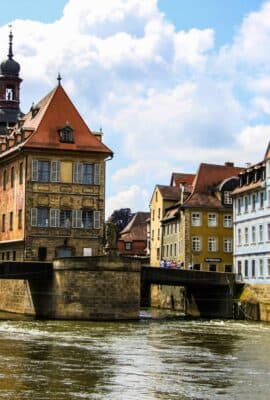
The most popular cities to visit in Germany are Berlin, Hamburg, and Dusseldorf, but the country gets even more charming and enthralling when the picturesque towns like Wurzburg and Bamberg are added to your itinerary. We hope this Germany travel guide can help you plan your trip, learn about the must-see places in the Germany, give you travel tips and ensure you make the most out of your trip to the Germany.
Germany Travel Guide: When to Visit
If beer, longer days, and sunshine interest you, then the best time to visit Germany is between May to October, where the temperatures hover between 60-80 degrees. During this time of the year you will also get a chance to attend many of its festivals as during the start of summer. Munich sees a lot of excitement when the Oktoberfest takes place, starting from the late September and ending in early October.
During the fall and winter, most of the travelers have gone back home and you have the advantage to see and experience Germany without too many tourists. Winter is easy on the pocket and also gives you enough opportunities to ski around, mainly on the Bavarian Alps. If you choose to go during the winter be sure to bring plenty of warm clothing as the temperatures can be very cold.
Germany Travel Guide: Popular Destinations
Wurzburg, in the northwest of Bavaria, located on the banks of the Main River and surrounded by beautiful hills. Drink wine. If you are a wine lover, you will love its vineyards and wine tasting tours. Don’t miss the wine fairs that take place with Wuzburger Weindorf, the biggest festival of all, on market square. Experience history. Visit the Residence Palace, a UNESCO World Heritage Site and see the Marienberg Fortress which is known for its architecture.
Munich is worth a visit for its beautiful churches, royal buildings and excellent museums. Christmas markets in Munich are a time when the city streets are filled with cinnamon fragrant treats, gleaming lights, singing choirs and wooden chalets. This is the biggest Christmas market in Europe and so don’t miss it! There is also month long beer party conducted in Munich that you may have heard of called Oktoberfest.
Berlin is known for its greenery as at least one third of the city is covered with forests, lakes, rivers, gardens and parks. The city has gone through the worst seen division in history after the World War II when Germany was divided into East Germany and West Germany and consequently Berlin was divided into East Berlin and West Berlin till its unification in 1990. The city houses more number of museums than the 175 rainy days in the city. The city flows with art, culture and history as well as a rich political past. Apart from this, it is also a city with legendary underground fashion houses and nightclubs. If you are an electronic music fan you are sure to catch some of the best DJs in the world playing shows in Berlin. Go around Kastanianallee to find a variety of vintage boutiques and street art. Street artists such as Banksy and other notable artists have created street are pieces here in Berlin.
Hamburg is the second-largest city of Germany. The city known for its huge ports, next only to London and New York, it has some amazing things to offer travelers. The harbor of the city is over 100 years old and you can enjoy it in many ways like taking a boat tour, a stroll, or by having dinner with views of the port.
Cologne: Visit the many diversified museums of Cologne or hop on a boat tour on the Rhine. Cologne provides you with many places of interest, including gothic cathedrals and city hall. If architecture and history fascinate you, make sure to visit Cologne during your Germany vacation. Also do not forget to taste the Kolsch Beer!
Heidelberg is a gem, housing the oldest and most popular university in Germany. It has a lively feel of students, historic buildings, and a scenic river called Neckar. The statues and fountains in the gardens are a must-see. Other popular attractions that include the Bonsai Museum, the Old Bridge, and Heidelberg Palace.
Germany Travel Guide: Travel Tips
Visit Wurzburg, in the northwest of Bavaria, located on the banks of the Main River and surrounded by beautiful hills. Drink wine. If you are a wine lover, you will love its vineyards and wine tasting tours. Don’t miss the wine fairs that take place with Wuzburger Weindorf, the biggest festival of all, on market square. Experience history. Visit the Residence Palace, a UNESCO World Heritage Site and see the Marienberg Fortress which is known for its architecture.
Walk Bremen. This walkable, long and narrow city is lined with numerous cafes, pubs, museums, and beautiful architecture. Make sure to check out the Focke Art Museum, City Hall, Town Square, and Schnoorviertel which houses the oldest district art galleries and Eat and Drinks.
Enjoy the scenic Black Forest route by going through the Black forests, located along the southwest border near Austria. You can take one of the most beautiful rail journeys between the Konstanz and Offenburg.
Drink the Beer! Germany has so many breweries and many of them of local to their region. Looking for an unusual beer? Try a smoked beer, it’s like drinking liquid bacon.
Go to Schwerin, which is the smallest city in Germany. It is located amid a whole host of lakes with the Scholss (Castle) as its center of attraction. This small city is overflowing with unique attractions, cafes and pubs. Schwerin is a sure-shot delight if you are a hardcore history buff or foodie.
Keep an eye out for possible dangers in areas around train stations and streets close to red light areas.
Don’t just visit the popular Neuschwanstein Castle, there are a plenty of other castles to awe over. Visit the Hohenzollern Castle that boasts the treasures and the crown of Prussian Kings. You can also visit Schwerin Castle which sits on an island in the Schwerin lake. This castle was once a home to grand dukes of Mecklenburg for many centuries but is now a museum and a college for kindergarten teachers.
Germany Travel Guide: Typical Costs
Hotels and Eat and Drinks
- You will pay for water at Eat and Drinks or café’s just like any other beverage. You will be asked for still or carbonated water (with gas), but if you ask for tap water, it is considered being cheap unlike other countries like France, where tap water is available at Eat and Drinks, free of charge.
- The service for a multiple course meal is slower than other countries like the U.S.
- Most of the time bread, butter, rolls, and table settings will be added as a separate charge.
- Round up the bill to nearest Euro or leave extra 5% or 10%. It is considered rude to leave it at the table, instead, give it to the wait staff when you pay the bill.Money
Cash is the popular way to pay. Carry cash when you are out for shopping, at Eat and Drinks, and traveling via taxi or public transport. This does not mean you cannot transact through the credit card, you can still pay your hotel bill, train tickets, and flight tickets with your credit card.- ATMs provide you with the official exchange rates along with the convenience of 24 hour accessibility. Check with your bank to make sure there are no additional international fees will be added.
Germany Travel Guide: Getting Around
It is quite easy to travel around in Germany with the German Railway and Domestic air travel via German Wings, Air Berlin and Ryanair. When traveling between bigger cities, air travel is cheaper than the train. With the well-maintained highway systems (auto-bahn), traveling via your own car is the best bet that allows you to explore the country at your own pace.
Photographs
Where to Go in Germany
Most of these places are in Berlin, so a few days there can cover Museum Island, the Reichstag, and the stranger corners of the city's history. The rest are spread out: Nuremberg's courthouse, a vast bunker near Bremen, and a destination restaurant in the Bavarian Alps. Each of those needs its own stop, so build them into whichever base you choose.
Museum Island is a strip of the Spree holding five major museums within a few minutes' walk of each other, and it is UNESCO listed. Give it a full day, since it is the easiest way to see why Berlin is said to have so many museums.
Reichstag Building stands on the western edge of Tiergarten, a short walk from the Brandenburg Gate, and has housed the German parliament since 1999. Pair it with the gate in one easy walk through central Berlin.
Tempelhofer Feld is a former airport turned into one of the world's largest inner-city parks. Come for the wide open space and the sense of how Berliners use their city, and save it for a slower afternoon.
Schwerbelastungskorper Bunker is an odd concrete cylinder at General-Pape-Straße 34A in Tempelhof that looks like a brutalist water tower. It is a quick, unsettling stop for anyone curious about Berlin's stranger relics.
Justizpalast Nürnberg on Fürther Straße is the 1916 courthouse where the Nuremberg Trials were held in 1945 and 1946. It is worth a dedicated stop if you are heading through Bavaria and want the history behind the headlines.
Valentin Submarine Shipyard sits on the Weser in Bremen-Blumenthal, about 15 kilometers north of the city center, and is one of Germany's largest surviving Nazi bunkers. It pairs well with a walk through Bremen, though you should plan for the trip out.
Rutz on Chausseestraße 8 in Berlin-Mitte is one of the city's most talked-about restaurants and runs two distinct concepts under one roof. Book ahead and make it a special dinner after a day of sightseeing.
Restaurant Überfahrt Christian Jürgens is a serious dining destination on Lake Tegernsee in Rottach-Egern. It suits a trip into the Bavarian Alps, where the meal itself can be the reason for going.
FAQ
How many days do you need in Germany?
Plan on at least one to two weeks to see Germany's highlights, though a long weekend is enough for a single city such as Berlin or Munich. The country has 16 states and spread-out sights, from Hamburg's harbor to the Bavarian Alps. Choose two or three bases, then add small towns like Heidelberg or Bamberg if time allows.
Is Germany expensive to visit?
Germany is moderately priced by Western European standards, and costs vary by season and city. Winter is usually easier on the budget, and flying between big cities can be cheaper than the train. Expect extras such as bread or bottled water to be charged separately in restaurants. Check current hotel and transport prices before booking.
Is Germany safe for tourists?
Yes, Germany is generally considered a safe country for tourists, and most visits are trouble-free. Use ordinary big-city care, especially around train stations and streets close to red light areas, where the guide advises staying alert. Keep valuables secured in crowds, such as at Oktoberfest or Christmas markets, and check your government's current travel advice before you go.
Do people speak English in Germany?
Yes, English is widely spoken in Germany's major cities and tourist areas, especially among younger people and hotel staff. Smaller towns and rural areas may have less English, so learning a few German phrases helps. Cash is still the popular way to pay, so keep some on hand for small purchases.
What are the best small towns to visit in Germany?
Wurzburg, Bamberg, Heidelberg, Bremen and Schwerin are the best small cities to add beyond the big names. Wurzburg offers vineyards and a UNESCO-listed Residence Palace, Heidelberg has its famous university and palace, Bremen is walkable, and Schwerin, the smallest city in Germany, sits among lakes with a castle on an island.
Is Germany worth visiting in winter?
Yes, winter is a good time to visit Germany if you can handle the cold. Crowds are thinner, prices are lower, and the Bavarian Alps offer skiing. Munich's Christmas markets are a major draw, with lights, choirs and wooden chalets. Pack plenty of warm clothing, because temperatures can get very cold.
Germany on the map
47 places from this guide. Tap a pin to open the listing.
Top Places to Visit in Germany
View all See & Do
 See & Do
Friedrichstadt-Palast
 See & Do
 See & Do
 See & Do
 See & Do
 See & Do
 See & Do
Reichstag Building
Top Places to Eat in Germany
View all Eat & Drink
House of Small Wonder
 Eat & Drink
 Eat & Drink
 Eat & Drink
 Eat & Drink
 Eat & Drink
 Eat & Drink
 Eat & Drink
Bookable experiences
Top experiences in Germany

Neuschwanstein & Linderhof Castle Luxury Private Tour from Munich

Bodyflying & Indoor Skydiving at FlyStation Munich

5hours: Guide, Chauffeur & Photographer in Berlin private Tour

Alsace wine tour and medieval villages. Small group guided tour

2 hours Segway Elbe Mini Tour

Third Reich Walking Tour Munich - Nazi Origins - Max.16 per group
Bookings made via these links may earn Bazar Travels a small commission, at no extra cost to you. Tours are provided by Viator, a Tripadvisor company.