
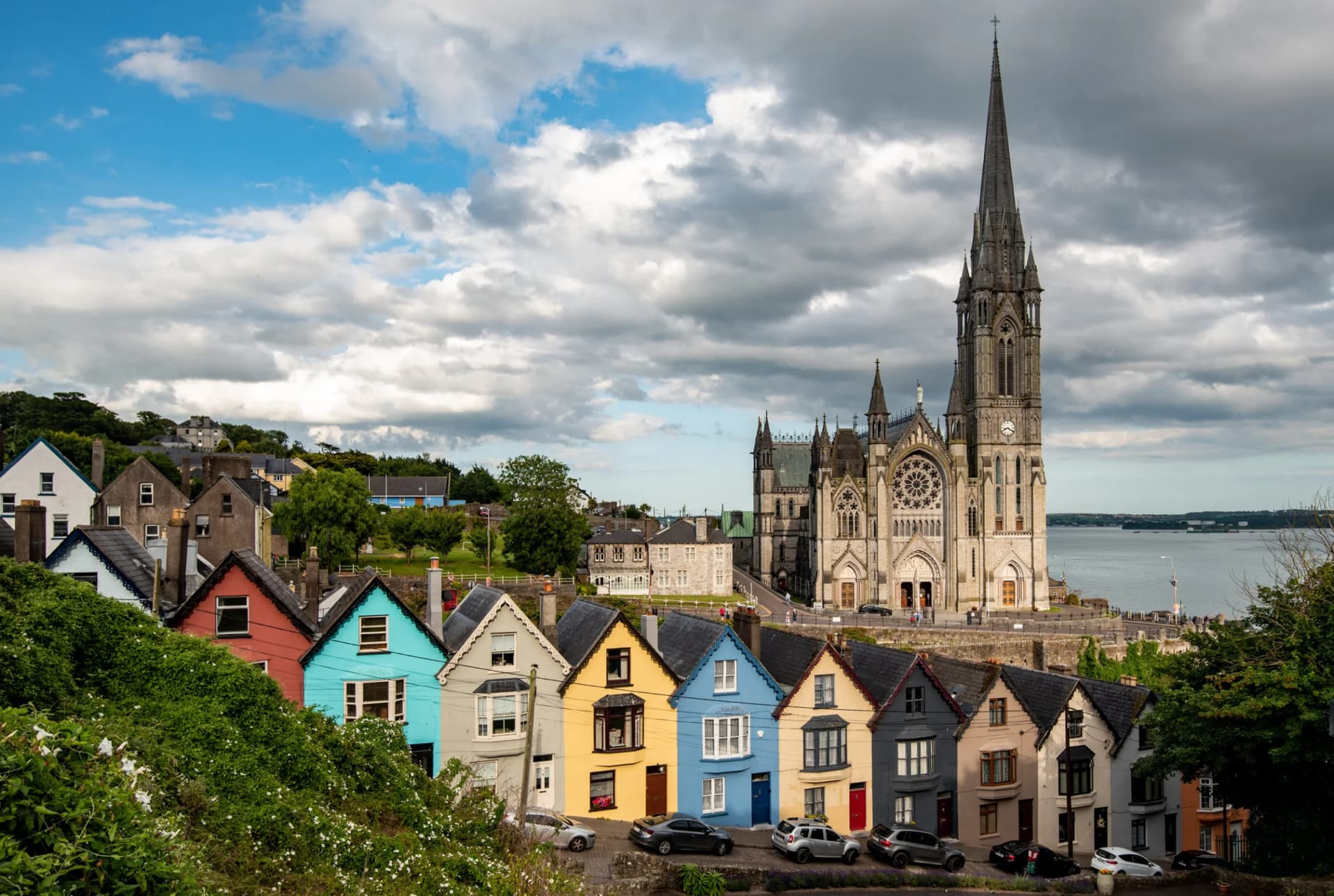
Complete Ireland Travel Guide
Ireland on the map
80 places from this guide. Tap a pin to open the listing.
Your Ultimate Ireland Travel Guide
Welcome to our Ireland travel guide, your tool to planning an itinerary to Ireland, the enchanting Emerald Isle. Ireland is one of our favorite countries because the people are so nice, the air is fresh and it a whole lot of fun! It’s also a great intro country to international travel because it’s safe and they speak English. Whether you’re enticed by amazing landscapes, adventure, historic castles, or the warm hospitality of the Irish people, this Ireland travel guide has all the insider tips you need for an unforgettable trip. Wondering when to visit for the best weather or cultural events? Curious about the finest accommodations, from cozy B&Bs to luxurious hotels? Look no further—our comprehensive guide covers it all. Don’t forget to use our free online travel planner tool as well!
From the bustling streets of Dublin to the serene cliffs of Moher, our Ireland travel guide will help you identify both the must-see destinations and hidden gems. Discover top attractions, delicious local cuisine, and cultural experiences that capture the essence of Ireland. Read on with this Ireland Travel Guide to plan your dream journey to this captivating country.
Best Times to Visit Ireland
When planning your trip to the Ireland, timing can significantly enhance your experience. With distinct seasons offering unique charms, Ireland is a year-round destination. Here’s an Ireland travel guide for choosing the best time to visit:
Spring (March to May)
Spring is a delightful time for exploring Ireland. The countryside is blanketed in vibrant blossoms, and the weather is mild, making it perfect for outdoor activities and sightseeing. Plus, it’s before the peak tourist season, so you’ll enjoy fewer crowds.
Summer (June to August)
For those who relish warm weather and lively festivals, summer is the prime time to visit. This season boasts the longest days, allowing for extended exploration. Key events like the Galway International Arts Festival provide a cultural feast. However, make sure to book in advance, as it’s the busiest tourist period.
Autumn (September to November)
Autumn in Ireland is draped in golden foliage, offering picturesque landscapes and fewer tourists. The weather remains pleasant, and destinations like the Wild Atlantic Way and Giant’s Causeway are at their scenic best. It’s also an ideal time to include whisky distillery tours in your vacation itinerary ideas.
Winter (December to February)
Winter offers a tranquil escape with fewer visitors and a cozy atmosphere. Snow-capped mountains and festive celebrations add a touch of magic. While some attractions might close, cities like Dublin and Belfast remain vibrant, offering robust cultural experiences.
Your Ireland travel itinerary should reflect your interests and preferences, with each season providing distinct opportunities to tailor to your vacation itinerary ideas, whether you seek bustling festivals or tranquil countryside retreats.
How to Reach Ireland
When planning a trip to Ireland there are several easy ways to reach this stunning island, as it is well connected. Depending on your location and preferences. Whether you prefer to fly, sail, or go by land, here’s everything you need to know.
By Air
Flying is the quickest and most convenient way to arrive in Ireland. The country has multiple international airports, each well-connected to various parts of the world. Luckily Ireland is home of RyanAir so it’s super simple to get here from anywhere in Europe really.
Popular Airports
- Dublin Airport (DUB)
- Cork Airport (ORK)
- Shannon Airport (SNN)
- Belfast International Airport (BFS)
- George Best Belfast City Airport (BHD)
Major Airline Carriers
By Sea
If you prefer a scenic route, consider traveling by ferry. Several companies provide ferry services to Ireland from the United Kingdom and continental Europe.
Ferry Companies
By Land and Sea
Another option is to combine train and ferry travel. This can be a relaxing and cost-effective way to reach Ireland, especially from the UK.
Train and Ferry Packages
Getting Around Ireland
Exploring Ireland is a delightful experience, thanks to its well-connected transportation network. Whether you’re arriving from abroad or planning domestic travel, Ireland offers various modes of transportation to suit every traveler’s needs. This Ireland travel guide will assist you in choosing the best way to get around the Emerald Isle.
Air Travel
Getting to Ireland by air is the fastest and often the most convenient option, especially if you’re coming from overseas. There are several international airports where you can land, and they also serve as hubs for domestic flights.
Popular Domestic Airports
- Dublin Airport (DUB)
- Cork Airport (ORK)
- Shannon Airport (SNN)
- Belfast International Airport (BFS)
- Ireland West Airport Knock (NOC)
Domestic Airlines
Pros and Cons of Air Travel
Pros:
- Fastest way to reach different parts of Ireland
- Convenient for long distances
- Frequent flights available
Cons:
- Generally more expensive compared to other modes
- Security checks can add time to your journey
- Limited destinations compared to ground transportation
Rail Travel
Ireland’s rail system is extensive and offers a scenic way to travel between major cities and towns. Irish Rail (Iarnród Éireann) is the primary provider for rail services.
Rail Services Provider
Pros and Cons of Rail Travel
Pros:
- Scenic views and comfortable journey
- Eco-friendly mode of travel
- Good for regional travel
Cons:
- Limited routes compared to buses
- Slower than air travel for long distances
- Occasional delays
Bus Travel
Bus travel is one of the most economical ways to get around Ireland. Buses cover almost all parts of the country and are operated by multiple providers.
Bus Services Providers
Pros and Cons of Bus Travel
Pros:
- Cost-effective and widely available
- Extensive network reaching remote areas
- Flexible timings
Cons:
- Longer travel times compared to trains and flights
- Can be uncomfortable for long journeys
- Possible traffic delays
Car Rental
Renting a car gives you the freedom to explore Ireland at your own pace. Multiple rental companies offer services at airports and within city centers.
Car Rental Companies
Pros and Cons of Car Rental
Pros:
- Complete travel flexibility
- Ideal for remote and rural exploration
- Comfortable, private mode of travel
Cons:
- Can be expensive (fuel, insurance, rental fees)
- Driving on the left can be challenging for some
- Parking can be difficult in cities
Bicycle Rentals
For the eco-conscious traveler or the adventure seeker, renting a bicycle can be a unique way to explore Ireland, particularly its scenic countryside and charming towns.
Bicycle Rental Companies
Pros and Cons of Bicycle Rentals
Pros:
- Eco-friendly and healthy
- Great for short distances and sightseeing
- Inexpensive
Cons:
- Not ideal for long distances or bad weather
- Limited to areas with bike lanes
- Physically demanding
By assessing the pros and cons of each transportation mode, you can choose the best way to navigate through Ireland based on your preferences. This comprehensive Ireland travel guide aims to make your journey across Ireland seamless and enjoyable.
Must-Try Foods and Drinks in Ireland
In this part of the Ireland Travel Guide, where we highlight the essential foods and drinks you should try when visiting the Emerald Isle. From hearty stews to creamy pints, Ireland offers a culinary experience that you won’t soon forget.

Foods
- Irish Stew: A traditional dish made with lamb or beef, potatoes, carrots, and onions. This hearty meal is the epitome of comfort food.
- Boxty: These versatile potato pancakes can be enjoyed at any meal. They are made from mashed or grated potatoes and often served with a variety of fillings.
- Colcannon: A popular side dish made with mashed potatoes mixed with cabbage or kale, and flavored with spring onions, butter, and cream.
- Soda Bread: This quick bread is made without yeast and is a staple in Irish homes. It’s often enjoyed with a thick layer of butter and a bowl of soup.
- Full Irish Breakfast: A hearty morning feast that includes bacon, sausages, fried eggs, black and white pudding, baked beans, grilled tomatoes, and toasted bread.
Drinks

- Guinness: No visit to Ireland is complete without sampling a pint of this world-famous stout. Its dark, creamy texture and rich flavor are iconic. Also, you have to split the G with your mates. It’s where you chug until you think you’ve gotten the level down between the hard and the Ns in Guinness.See the photo above as an example!
- Irish Whiskey: Known for its smooth taste, Irish whiskey can be enjoyed on its own or as part of classic cocktails like the Irish Coffee.
- Baileys Irish Cream: This creamy liqueur made from Irish whiskey and cream is perfect for sipping or adding to coffee for a decadent treat.
- Irish Coffee: A delightful blend of hot coffee, Irish whiskey, sugar, and a topping of thick cream. It’s the perfect warm-up drink on a chilly day.
- Smithwick’s Red Ale: An Irish classic, this reddish-brown ale has a balanced flavor with a slight hint of caramel. It’s a must-try for beer enthusiasts.
From these delicious dishes to exquisite drinks, our Ireland Travel Guide ensures you won’t miss out on the true flavors of Ireland.
Essential Ireland Travel Tips
If you’re planning a trip to the Emerald Isle, our Ireland Travel Guide is here to ensure you have a memorable and smooth experience. From practical advice to local customs, these Ireland Travel Tips will help you make the most of your visit.
- Drive on the Left: In Ireland, driving is on the left side of the road. Make sure you’re comfortable with this if you plan to rent a car.
- Currency: The currency in Ireland is the Euro (€). Northern Ireland uses the British Pound (£).
- Safety First: Ireland is generally safe, but be cautious in crowded places and mind your belongings to avoid pickpocketing.
- Language: English is widely spoken, but you may encounter Irish (Gaelic) in rural areas and on signage. Familiarize yourself with some basic phrases.
- Budget Accommodations: Consider staying in hostels, B&Bs, or using Airbnb for more affordable options. Some of the best experiences of places where I’ve have stayed were a cute B&B in Ireland.
- Public Transport: Dublin has excellent public transport, but rural areas are best explored by car. Check Transport for Ireland for details.
- Try the Local Fare: Don’t miss traditional Irish foods like Irish stew, soda bread, and seafood chowder. Visit local pubs for authentic meals.
- Free Attractions: Many of Ireland’s attractions like national parks and museums offer free entry. Check ahead to plan your visits.
- Weather Preparedness: The weather can be quite unpredictable. Pack layers and waterproof clothing.
- Respect Customs: Tipping is appreciated but not mandatory. A 10% tip is standard at restaurants.
- Festivals: Try to attend popular festivals such as the St. Patrick’s Festival in March or the Galway Arts Festival in July.
- Historic Sites: Visit landmarks like the Cliffs of Moher, Giant’s Causeway, and Dublin’s historic castles.
- Local Laws: Smoking is banned in all indoor public places, including pubs and restaurants. Take note to avoid fines.
- Travel Insurance: Always travel with comprehensive insurance that covers health and belongings. Check your provider’s coverage in Ireland.
- Phone and Internet: Ireland has excellent mobile coverage. Consider getting a local SIM card or an international plan for internet access.
Typical Travel Costs in Ireland
Accommodations
Budget
If you’re traveling on a budget, hostels are an excellent choice. Prices can range from $20 to $40 per night for a dorm bed. Budget hotels and guesthouses typically cost between $50 and $80 per night for a private room. Airbnb options can also be found in this range if you book well in advance.
Mid-Range
For a more comfortable stay, mid-range hotels and bed and breakfasts are widely available. Expect to pay between $80 and $150 per night. These accommodations usually offer better amenities and a more personalized experience. Booking.com and other travel sites often feature competitive rates for these options.
Luxury
If you’re looking for luxury, Ireland boasts numerous high-end hotels and castles that offer exceptional services and amenities. Prices range from $200 to $500 per night or more, depending on the season and location. These places often provide unique experiences that can make your trip unforgettable.
Food
Budget
Eating on a budget is possible, with many cafes, fast food options, and takeaways that offer meals for under $10. A hearty Irish breakfast can cost between $7 and $12. Grocery shopping and cooking your meals is also a viable option for those staying in hostels or Airbnb accommodations.
Mid-Range
Mid-range dining will generally set you back about $15 to $30 per meal. Pubs serve hearty meals like fish and chips, bangers and mash, and Irish stew in this price range. Restaurants offering international cuisine also fit within this budget.
Luxury
For a high-end dining experience, expect to pay $50 to $100 per person at top-tier restaurants. Michelin-starred establishments and exclusive dining experiences can be pricier, often exceeding this range. These venues provide exquisite cuisine and top-notch service.
Transportation
Traveling around Ireland offers multiple options depending on your needs and budget. Public transportation, such as buses and trains, is both reliable and affordable. A one-way bus ticket within a city costs around $2 to $3, while intercity bus fares range from $10 to $30. Train travel is slightly more expensive, with fares usually between $30 to $70 for intercity journeys.
Renting a car provides more flexibility and can cost about $30 to $70 per day, excluding fuel. Fuel prices average about $1.60 per liter, or approximately $6 per gallon. Keep in mind that driving is on the left side of the road.
Taxi and rideshare services like Uber are available in larger cities. Typical taxi fares start at $4 with an additional $1.60 per kilometer. For short rides, you might pay around $10 to $20.
Attractions
Ireland is rich in cultural and historical attractions, many of which are free or low-cost. Museums in Dublin, such as the National Museum of Ireland, often provide free entry. Visiting historic sites like the Cliffs of Moher or the Giant’s Causeway has entrance fees ranging from $5 to $15.
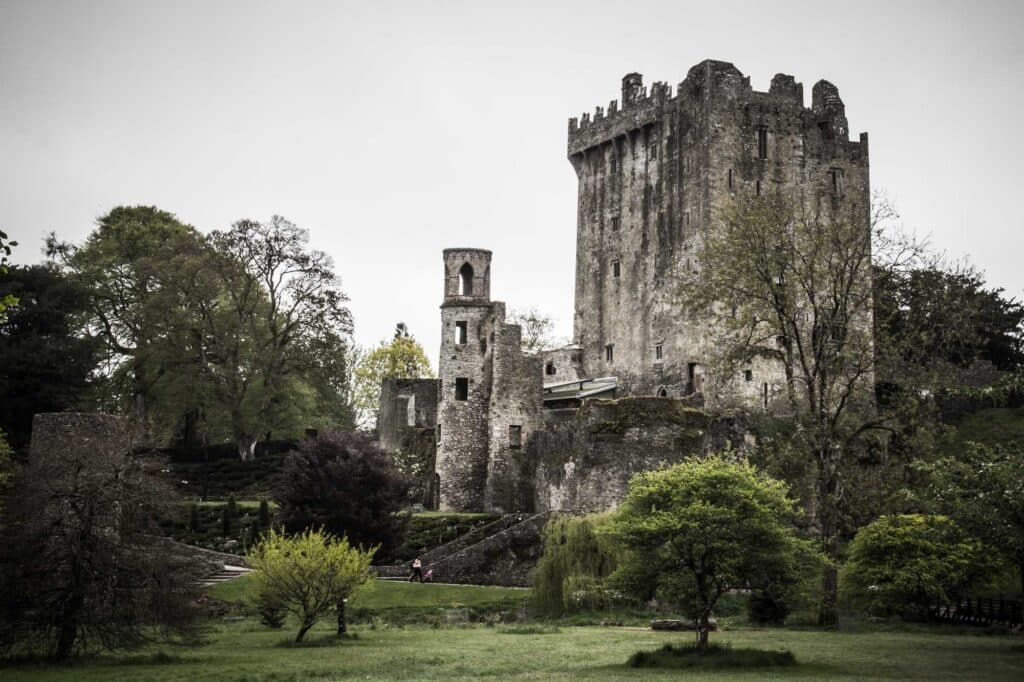
Guided tours and experiences, such as visiting Blarney Castle or taking a distillery tour, generally cost between $15 and $30. Multi-day tours exploring various parts of the country can range from $200 to $600, depending on the duration and inclusions.
Purchasing a Heritage Card from Heritage Ireland, costing around $45, grants you unlimited access to a wide range of heritage sites across the country. This can be a cost-effective option if you plan to visit multiple attractions.
Ireland Photographs
Scotland Tours & Experiences
FAQ
How many days do you need in Ireland?
Plan at least a week to see Ireland properly, and ten days or more if you want to add the west coast. A week covers Dublin plus one or two regions, such as Galway and County Clare, while the Wild Atlantic Way and Northern Ireland reward extra time. Rural driving is slower than distances suggest, so leave buffer days.
Do you need a car in Ireland?
You only need a car if you plan to leave the cities and explore rural areas. Dublin has excellent public transport, and buses and trains link major towns, but remote areas are best reached by car. Remember that driving is on the left, parking in cities can be difficult, and rental, fuel and insurance costs add up.
Is Ireland expensive to visit?
Ireland is not a cheap destination, but costs flex widely with how you travel. Lodging is the biggest swing, from hostels and B&Bs to castle hotels. You can save by eating at pubs, using buses, and visiting free attractions such as Dublin's National Museum. Prices change often, so check current rates before booking.
When is the best time to visit Ireland for fewer crowds?
Spring and autumn are the best times for fewer crowds. Spring brings mild weather and blossoms before peak season, while autumn offers golden foliage and pleasant weather. Summer has the longest days and festivals but is the busiest, so book ahead. Winter is quietest, though some attractions may close.
Is Ireland a good first international trip?
Yes, Ireland is a great first international trip because it is safe and English is widely spoken. Standard precautions apply, such as watching your belongings in crowded places. Mobile coverage is excellent, the island is well connected by air, and the weather is unpredictable, so pack layers and waterproofs.
Do you need different money in Northern Ireland?
Yes, Northern Ireland uses the British pound, while the Republic of Ireland uses the euro. If your itinerary crosses the border, such as a trip from Dublin to Belfast or the Giant's Causeway, plan for both currencies. Cards are widely accepted in cities, but confirm foreign fees with your bank and carry a little cash for rural areas.
Top Places to Visit in Ireland
View all See & Do
 See & Do
 See & Do
 See & Do
 See & Do
Kilmainham Gaol
 See & Do
National Museum of Ireland – Archaeology
 See & Do
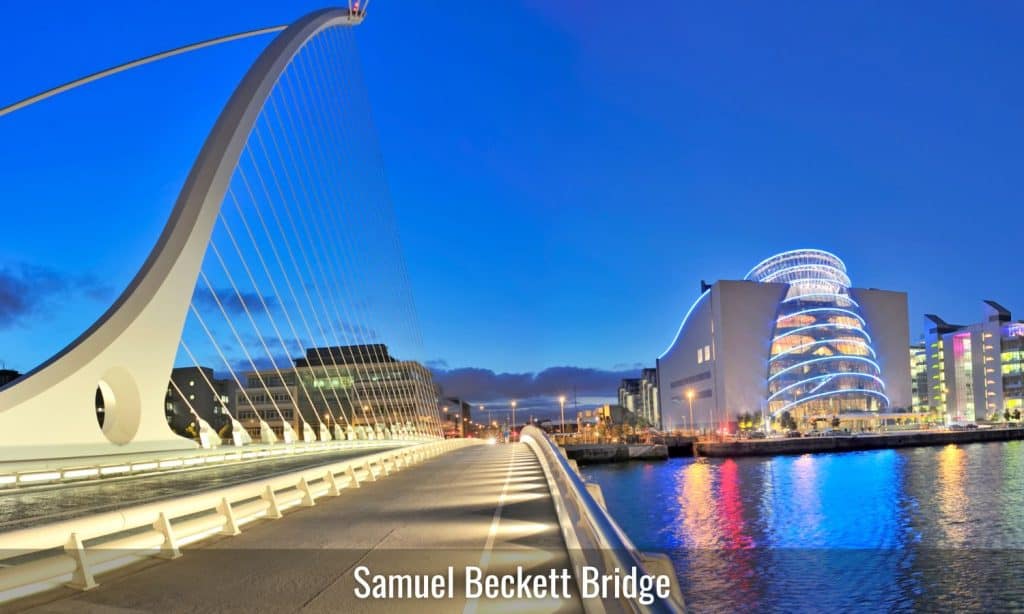
Samuel Beckett Bridge
 See & Do
Top Places to Eat in Ireland
View all Eat & DrinkBudget · $
EPIC The Irish Emigration Museum
 Eat & DrinkModerate · $$
Brother Hubbard (North)
 Eat & DrinkBudget · $
 Eat & DrinkModerate · $$
 Eat & DrinkBudget · $
 Eat & DrinkModerate · $$
 Eat & DrinkBudget · $
 Eat & DrinkModerate · $$