
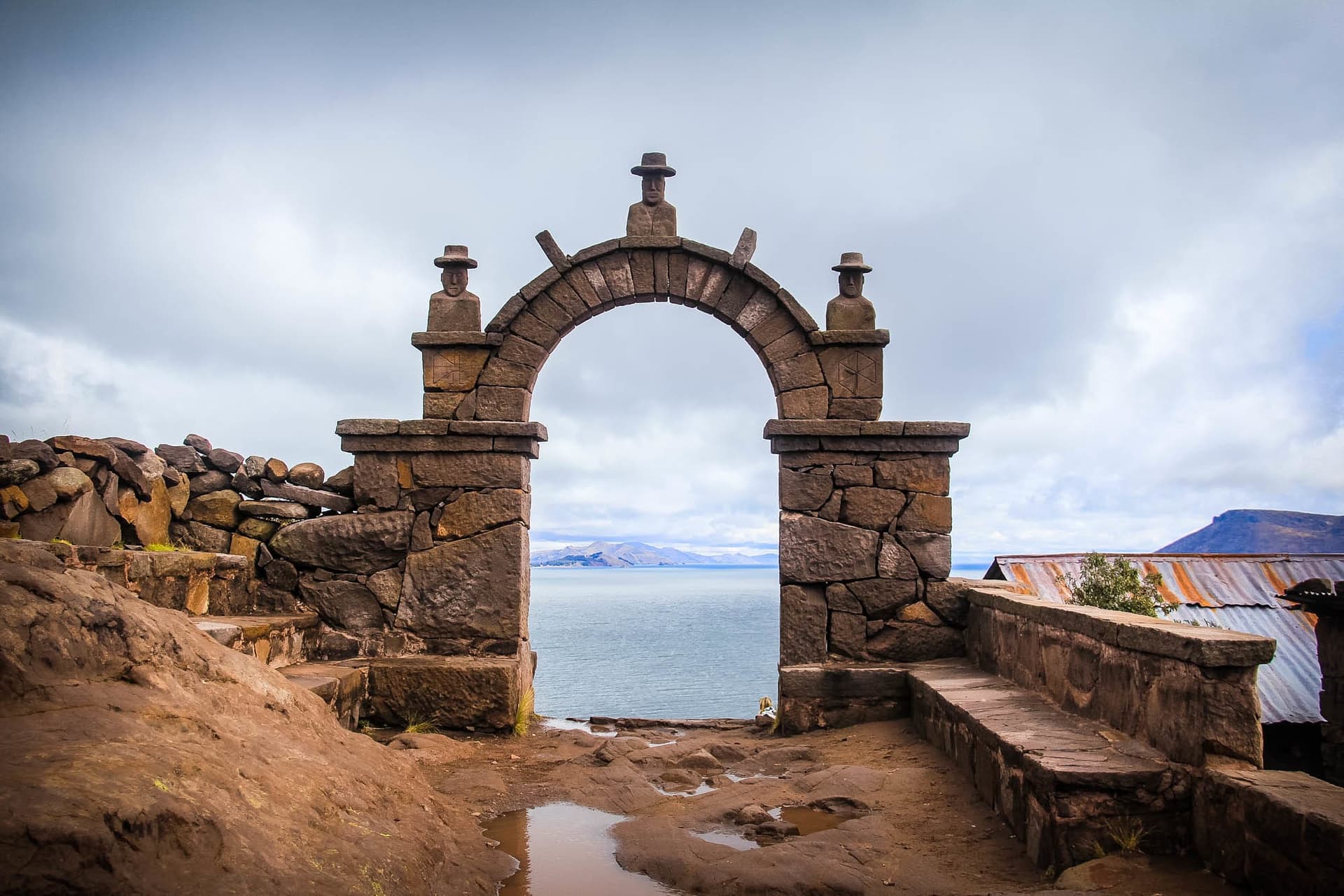
Lake Titicaca Peru Travel Guide
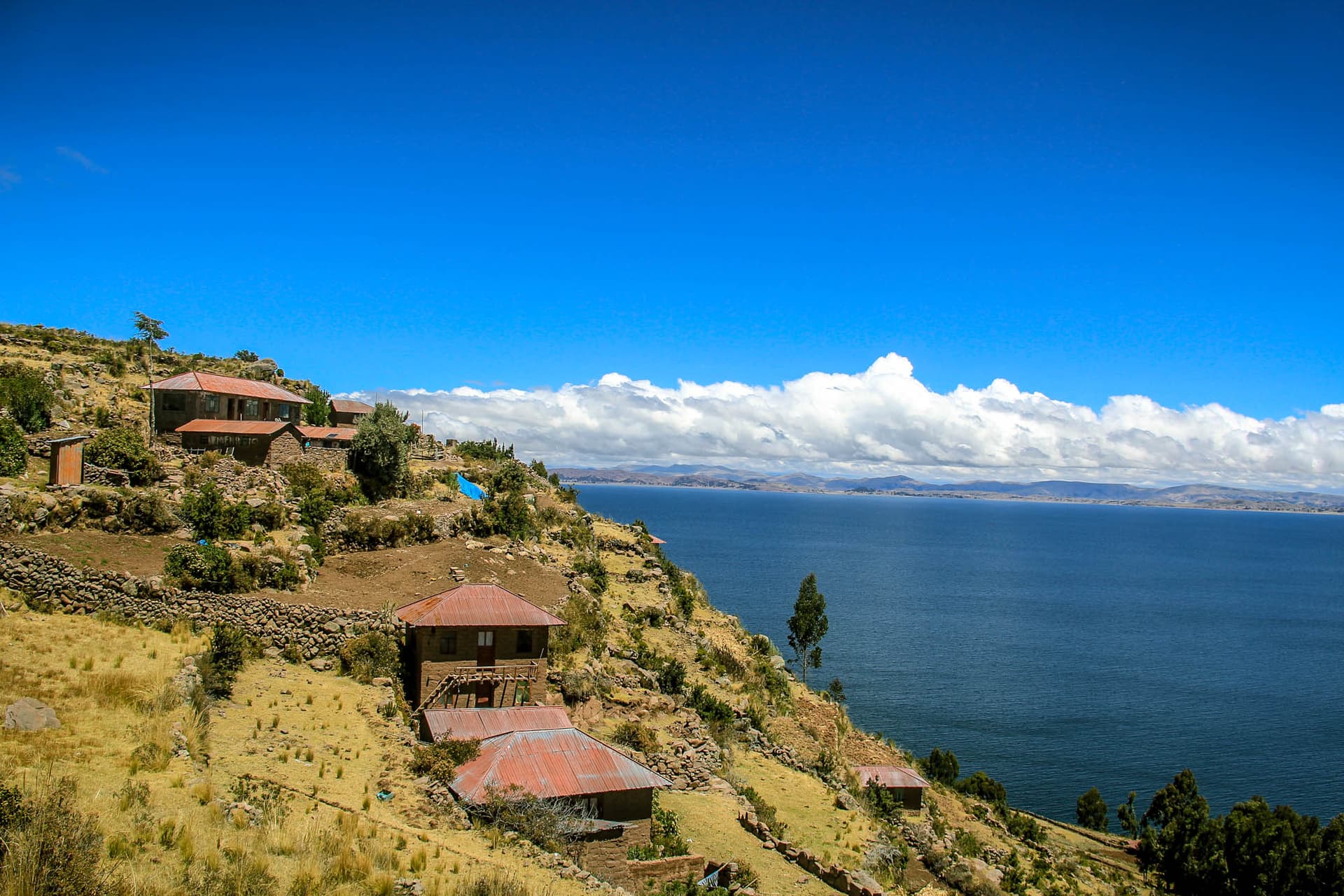
Found on the borders of Bolivia and Peru, Lake Titicaca is considered as the largest lake in South America. Nestled in the Andes Mountains, the lake is surrounded by many islands, and offers visitors the one of a kind opportunity to experience its natural sites and scenery as well as interact with the local families.
Popular Destinations at Lake Titicaca
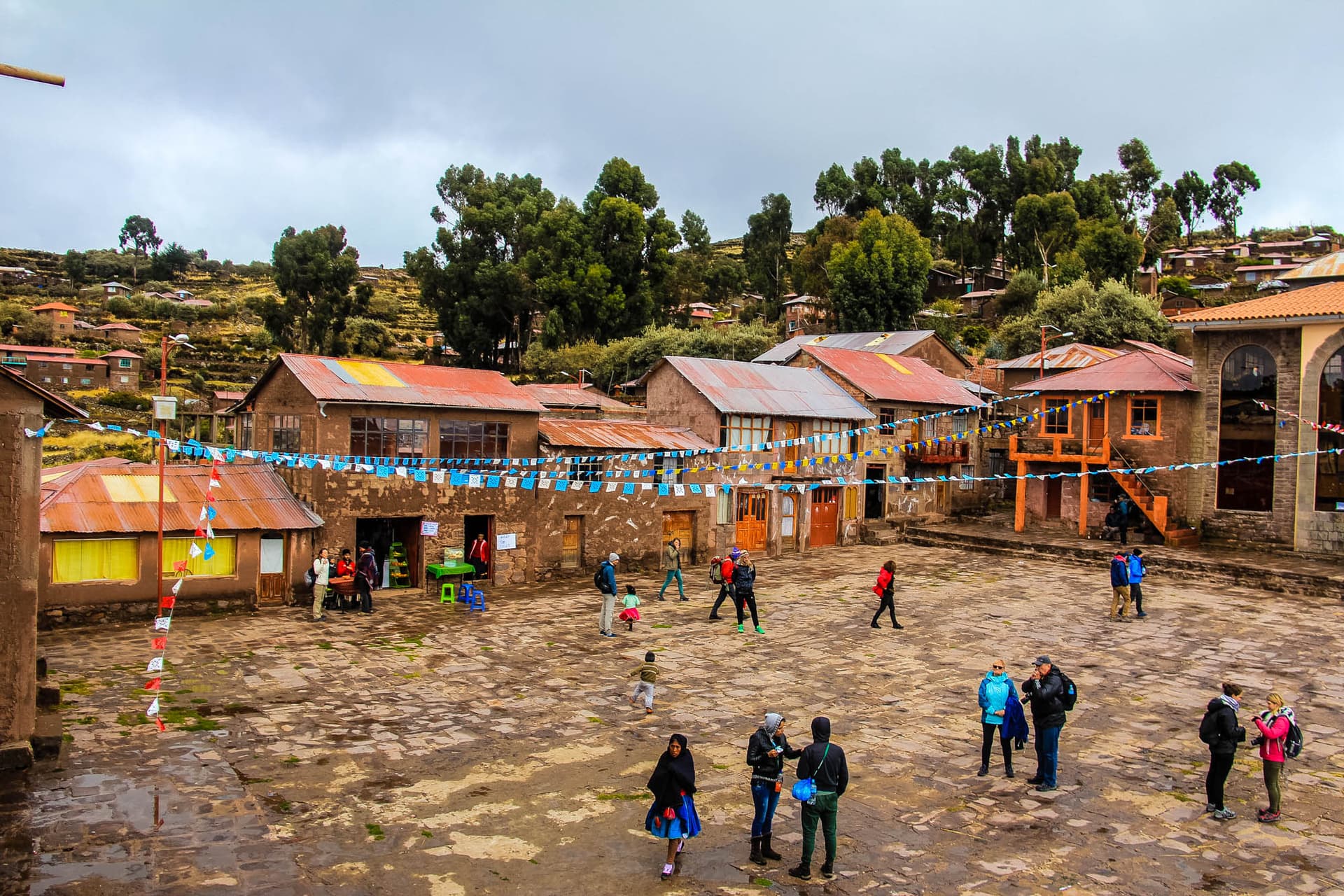
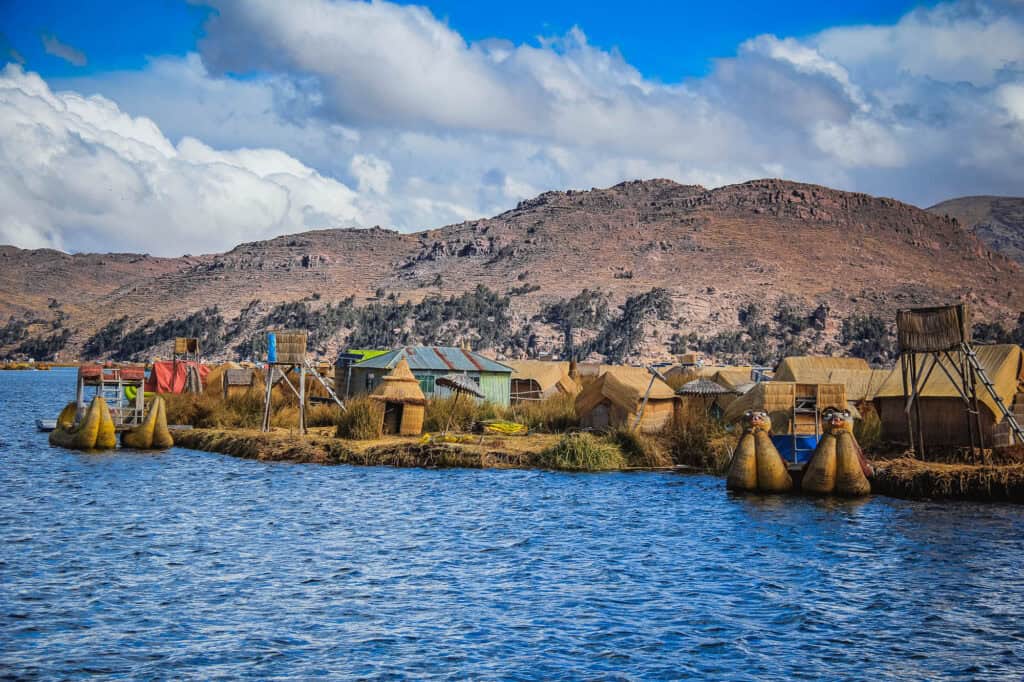
While Lake Titicaca itself is a sight to behold, the places surrounding it also keep their own, signature charm. There are many islands around Lake Titicaca, and island-hopping is a definite must for any visitor. Island tours can be availed for the experience, but visitors can also opt to plan their own trip to the islands. The most popular islands are the Uros Islands, Taquile Island, and Amantani.
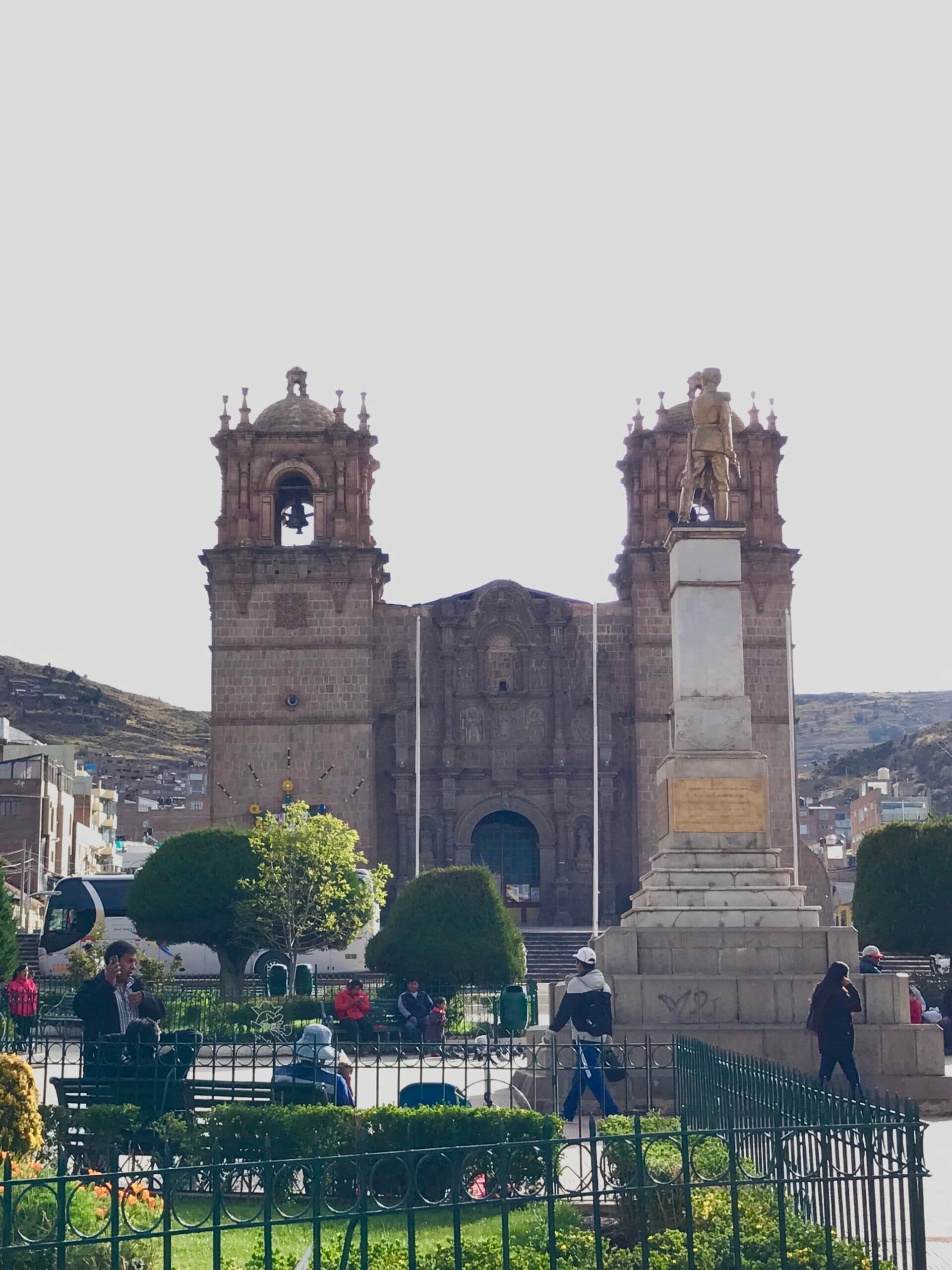
Visitors can also drop by the capital of the region, Puno City, for a stroll along rustic plazas and streets. Beyond Puno and Lake Titicaca are two major archeological sites: the remote Cutimbo and Sillustani, where massive ancient funerary towers called chullpas can be found.
When to Visit Lake Titicaca
Lake Titicaca and its surroundings generally have cool temperatures throughout the year, with rainfall being heavier in late spring to the early summer. Be sure to check the weather forecast before planning a trip, especially since inclement weather may affect boat riding plans. Puno City and the surrounding islands also conduct annual traditional celebrations, and itineraries can be scheduled to coincide with these festivities.
How to Reach Lake Titicaca
There are two ways to reach Lake Titicaca and one way is by bus. There are are many luxury buses that will leave out of Cusco and drive overnight to Puno. The other option is to fly into Juliaca then take a taxi, transfer or bus to Puno. Puno is basically the starting place for most Lake Titicaca tours.
Getting Around Lake Titicaca
To best experience the beauty of Lake Titicaca, it is recommended for visitors to take boat rides to explore the lake. There are many tours available to take a boat and even do a homestay on one of the islands. In Puno, the closest city to the lake, visitors can get around using three-wheeled motorcycles that go in and around the city. The islands surrounding the lake have limited to no transportation, so visitors planning to visit these islands should be prepared to travel on foot.
Lake Titicaca Travel Tips
Do a homestay with a local family in one of the islands of Lake Titicaca.
Don’t forget to brush up on some Quechua words and phrases. The Quechuan languages are spoken by the locals in the region.
Do take a reed boat ride around the lake. Reed boat (called balsa) rides are one of the main tourist attractions in Lake Titicaca.
Don’t forget to try local cuisine. There are many kinds of local fare to choose from and specialties can vary from island to island.
Do take time to appreciate both the natural landscape of the Andes and the Lake, as well as visit the historical and archeological sites found in the surrounding islands.
The toilet situation can be tricky so be prepared to flush the toilet with buckets of water.
Typical Costs Around Lake Titicaca
Price Range for Hotels
Most hotels and inns can be found in Puno City, with rooms ranging from $40 (3-star hotels) to $595 (5-star hotels). For a more unforgettable experience, homestays with local families are available for around $110-120 for two nights.
Price Range for Meals
As with the hotels, most of the dining establishments can be found in Puno City. Main courses can range from $20-$40. Meals with local families during homestays can vary depending on the details of the arranged tour or homestay. Typically with a homestay the meals are included.
Photographs
FAQ
How many days do you need at Lake Titicaca?
Two to three days is enough for most visitors to see the main highlights of Lake Titicaca. That allows a day for Puno and the chullpas at Sillustani, plus an island trip, ideally with a night on Amantani or Taquile. Add time at the start to adjust to the altitude.
Does altitude sickness affect visitors to Lake Titicaca?
Yes, altitude sickness is a real possibility because the lake sits at roughly 3,800 meters above sea level. Headaches, breathlessness and poor sleep are common in the first days. Take it easy on arrival, drink water, and ask your doctor about prevention before you travel, especially if you are coming straight from the coast.
Is Lake Titicaca expensive?
Lake Titicaca can be budget-friendly or expensive depending on how you stay. The guide lists Puno hotel rooms from about $40 for 3-star to about $595 for 5-star, while a two-night family homestay runs around $110-120 with meals typically included. Main courses in Puno are listed at $20-$40. Confirm current prices before booking.
Do people speak English at Lake Titicaca?
English is spoken in some tour offices and hotels in Puno, but not widely elsewhere. Spanish is the most useful backup, and on the islands locals often speak Quechua or Aymara, so a few basic phrases go a long way. Tour guides can help translate if you do not speak Spanish.
Do you need a car at Lake Titicaca?
No, you do not need a car at Lake Titicaca. Boats are the main way to reach the islands, and three-wheeled motorcycle taxis cover Puno. Most visitors arrive by bus or through Juliaca airport. The islands have little to no transport, so pack light and bring comfortable shoes for walking.
Is Lake Titicaca safe for tourists?
Lake Titicaca is generally considered safe for tourists, though the bigger practical issues are altitude, cold nights and weather that can disrupt boat trips. As in any town, keep an eye on your belongings in busy parts of Puno. Check your government's current travel advice and book boat tours with reputable operators.
Puno on the map
9 places from this guide. Tap a pin to open the listing.
Top Places to Visit in Puno
View all See & Do
 See & Do
 See & Do
 See & Do
Uros Floating Islands
 See & Do
 See & Do
Parque Nacional Bahuaja Sonene
 See & Do
 See & Do