Titicaca National Reserve
Titicaca National Reserve, Pasaje 2 de Febrero N° 154, Peru Posted by Brandon B.Admin
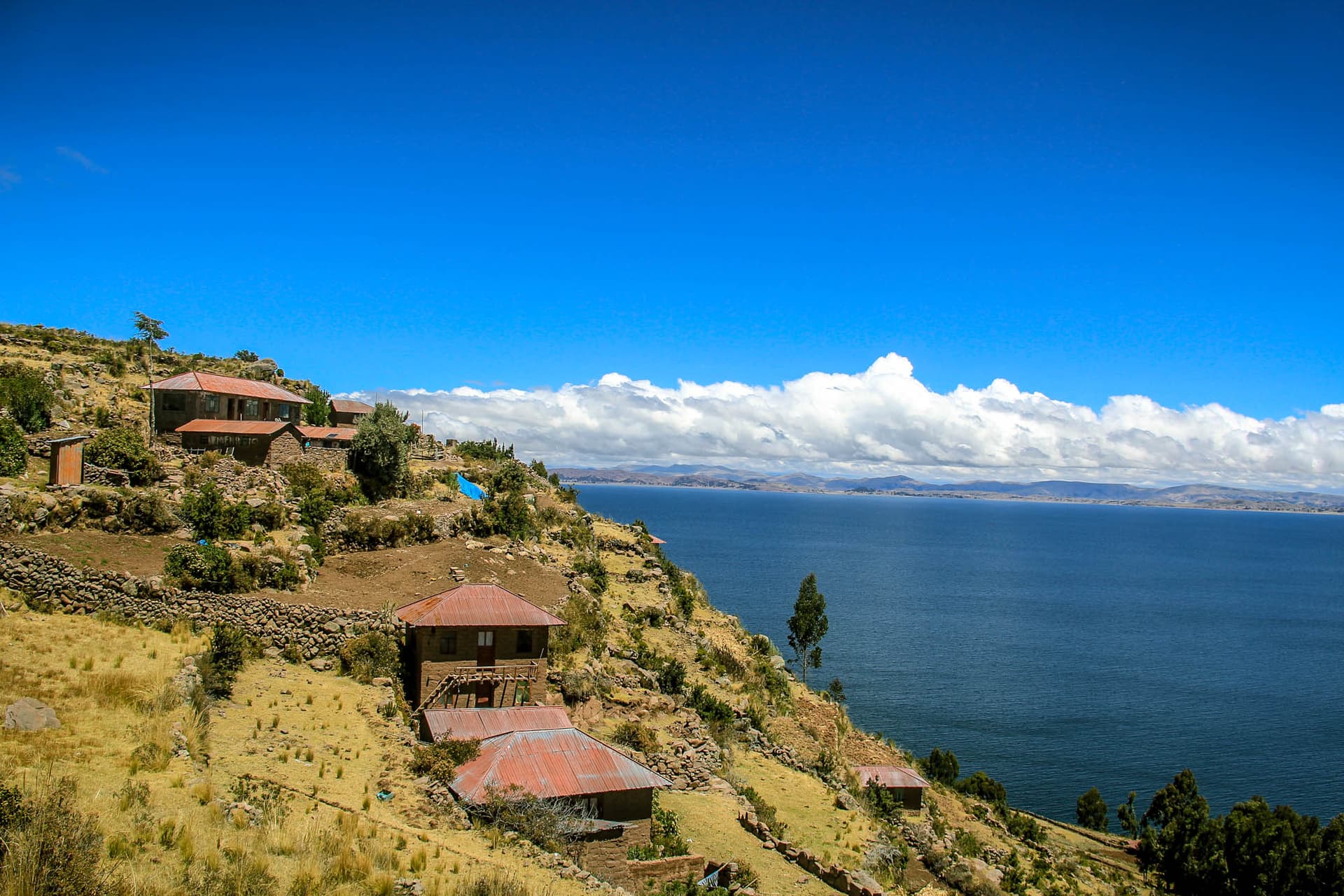
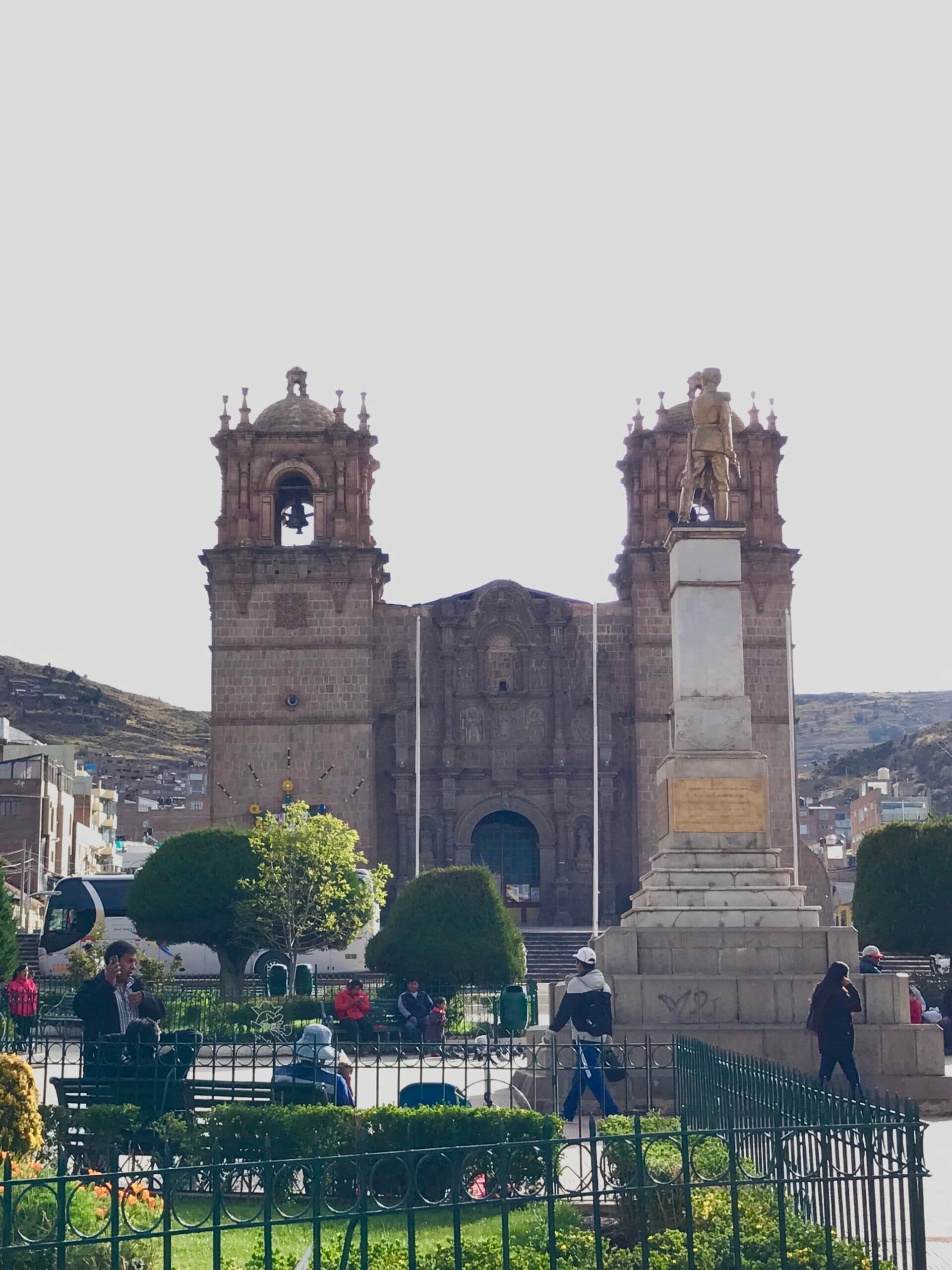
Titicaca National Reserve, situated in the Puno region of southern Peru, is a stunning travel destination that combines natural splendor with rich cultural heritage. As the highest navigable lake globally, Titicaca is essential for travelers eager to delve into the Andean region’s history and traditions.
Historical Significance
Lake Titicaca has held sacred status for centuries, with its history tracing back to pre-Inca civilizations. According to Inca mythology, it is regarded as the birthplace of the sun. The lake spans approximately 3,200 square miles (8,300 km²) and was formed by a significant earthquake that split the Andes, creating a vast basin that filled with glacial meltwater.
Getting There
The nearest airport to Titicaca National Reserve is Juliaca Airport (JUL), located about an hour’s drive from Puno. Daily flights connect Juliaca with Lima and Cusco. Alternatively, travelers can enjoy a scenic journey on the PeruRail Titicaca Train from Cusco to Puno, which takes around 10.5 hours. From Puno, access to the reserve is convenient via bus or private boat.
Attractions
- Uros Islands: These remarkable floating reed islands showcase the traditional lifestyle of the Uros people.
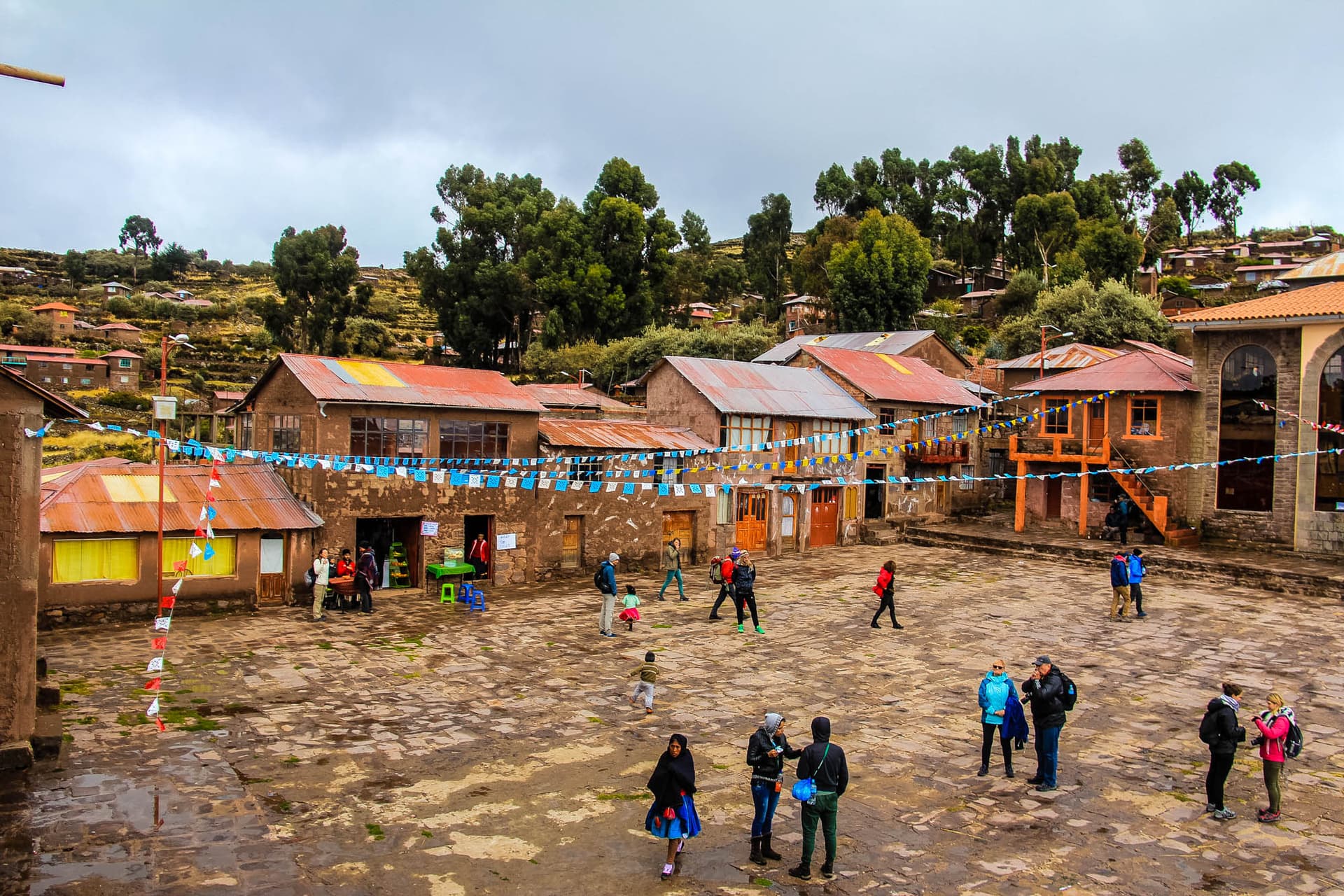
- Taquile Island: Renowned for its charming stone port, Taquile Island is a hub for artisans and fishermen.
- Isla del Sol (Sun Island): This island, rich in Inca mythology, features numerous sacred sites and is located in the lake’s southern region.
- Chincana (The Labyrinth): A notable ruin believed to have served as an Inca palace, Chincana consists of a maze of walls surrounding a small well thought to contain holy water.
- Sillustani: This site is home to pre-Inca funerary towers, providing insight into the ancient civilizations that thrived around the lake.
Admission Details
While there is no specific entrance fee for the Titicaca National Reserve, visitors may need to pay for boat tours or entry fees to certain islands. It is advisable to book these tours in advance to secure your spot.
Visiting Tips
- Optimal Visiting Period: The dry season from June to August is the peak tourist season, characterized by warm days and minimal rainfall. However, April and May can be a great alternative for those seeking fewer crowds.
- Cultural Engagement: Participating in homestays and community visits is vital for an enriching experience. Allocate time for relaxed days with local families to immerse yourself in authentic culture.
- Eco-Friendly Practices: Respect local customs and the environment. Avoid littering and support local communities by opting for eco-conscious tour operators.
- Health Considerations: Due to the high altitude, altitude sickness may occur. Stay hydrated and consider altitude sickness medication if needed.
- Language Tips: While many locals speak Spanish, Aymara and Quechua are also commonly heard. Learning a few basic phrases in these languages can enhance your travel experience.
By adhering to these recommendations and exploring the various attractions within Titicaca National Reserve, visitors can fully appreciate the area’s natural beauty and cultural importance.
Reviews
Sign in and mark this place visited to leave a review.
No reviews yet.
Free Trip Planner
Plan your Peru trip with our free planner
Build a day-by-day itinerary with AI suggestions, hand-picked places, and friends. Free forever — no credit card.