Larnaca – Cyprus
Overview
Larnaca is a coastal city on the southern shore of Cyprus, known for its stunning beaches, ancient ruins, vibrant promenade, and rich cultural heritage. As one of the island’s oldest continuously inhabited cities, Larnaca blends layers of history with a laid-back Mediterranean lifestyle. From the famous palm-lined Finikoudes Beach to the remarkable Church of Saint Lazarus, Larnaca offers travelers a mix of seaside relaxation, historical exploration, and authentic Cypriot charm. The city is also home to Cyprus’ busiest international airport, making it a natural starting point for exploring the island.
Why Visit
- Relax on beautiful beaches like Finikoudes and Mackenzie
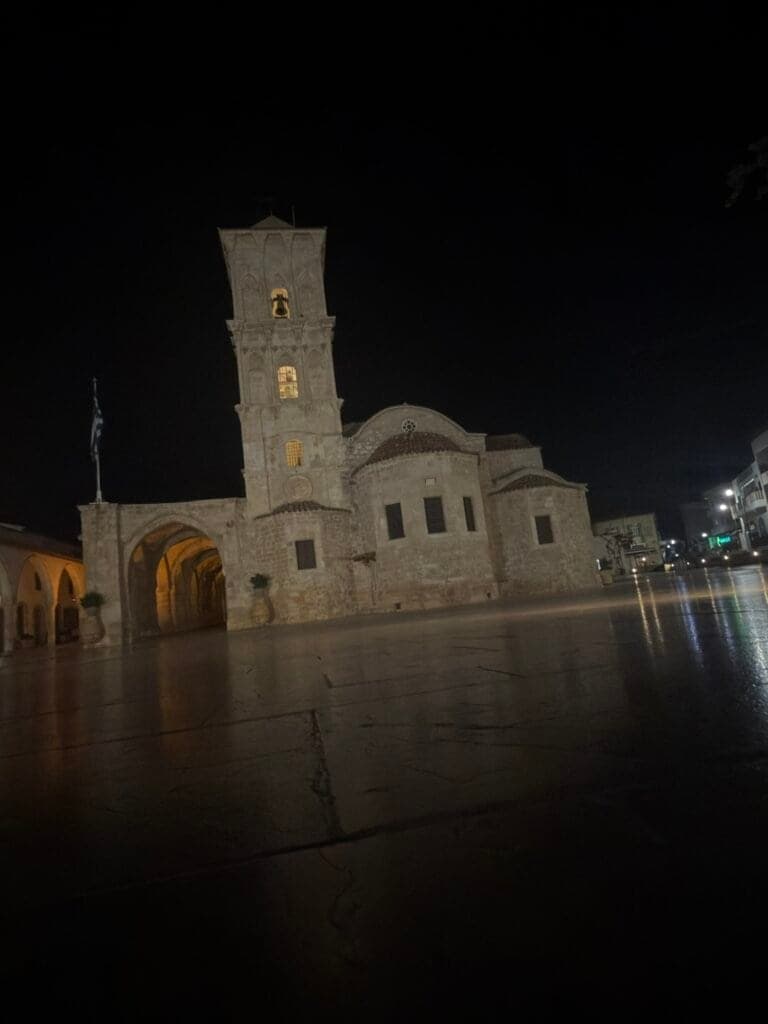
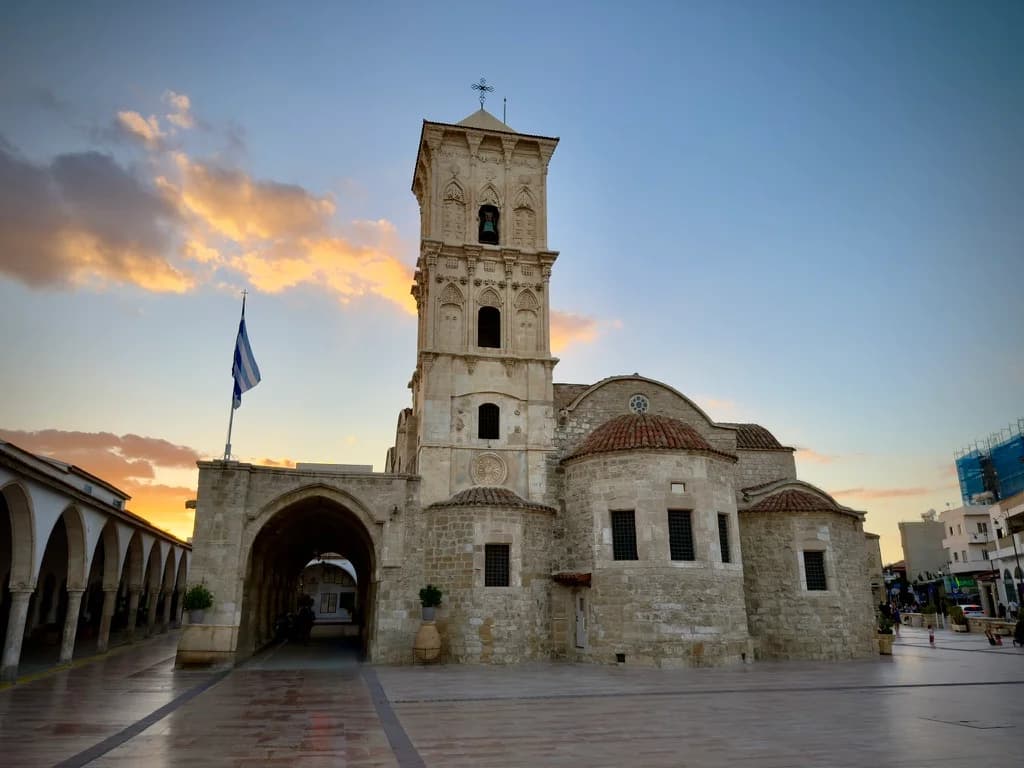
- Visit the iconic Church of Saint Lazarus, dating back to the 9th century
- Explore ancient sites such as the Kition ruins and Larnaca Salt Lake
- Enjoy fresh seafood and traditional Cypriot cuisine along the promenade
- Experience a city that balances modern amenities with authentic island culture
Highlights
- Finikoudes Beach: A lively, palm-lined beach at the heart of the city
- Church of Saint Lazarus: A Byzantine church housing the tomb of the biblical Lazarus
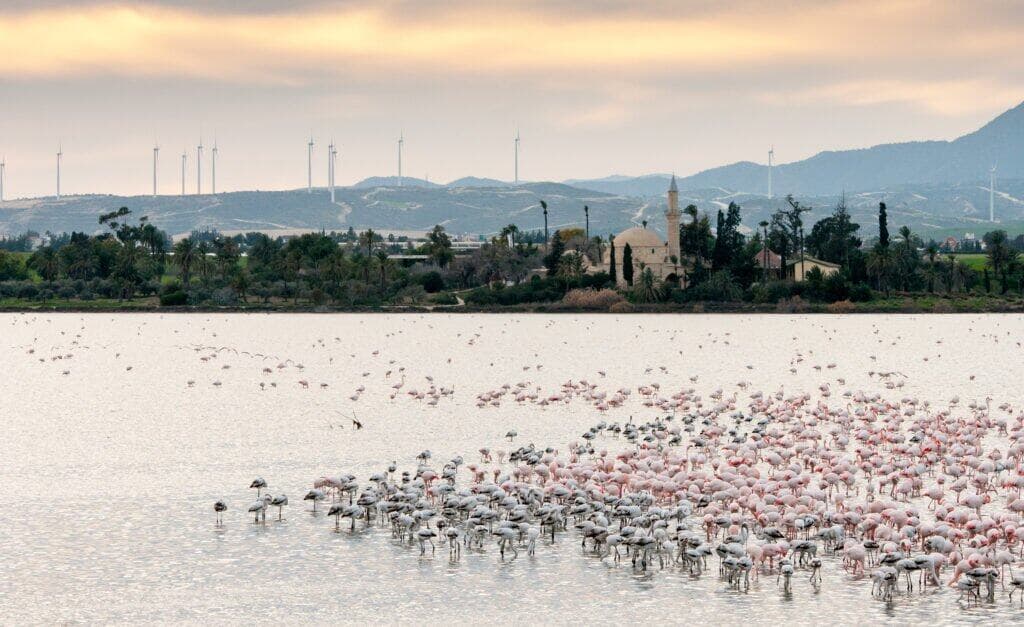
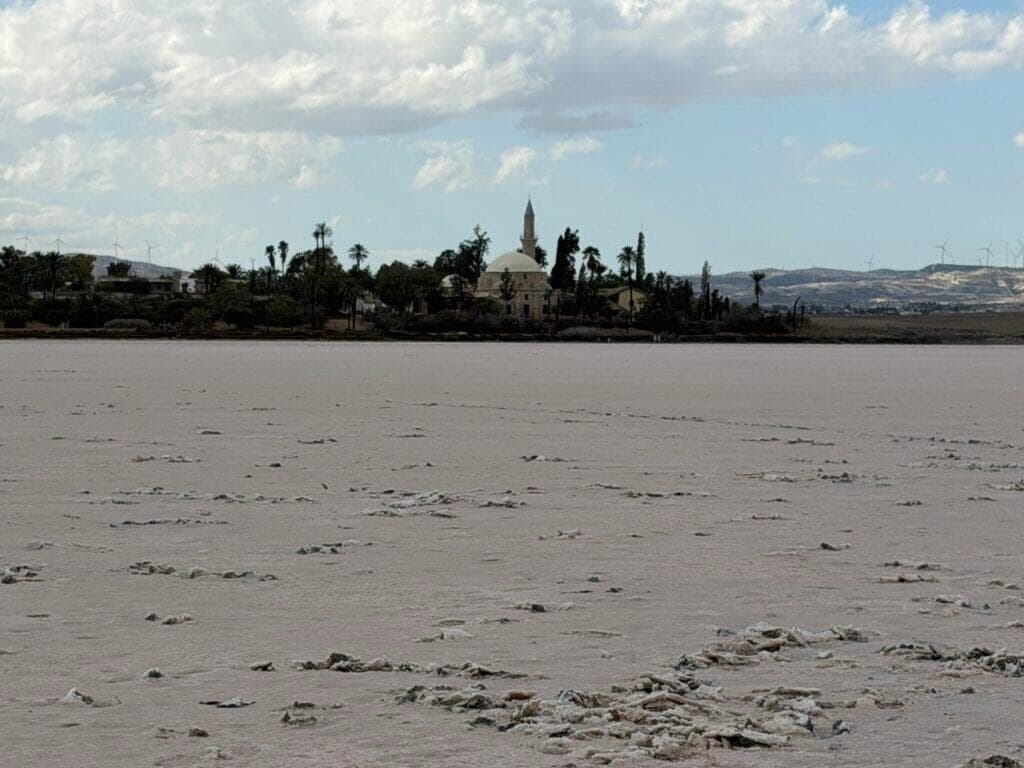
- Larnaca Salt Lake: A major bird sanctuary, famous for pink flamingos in winter
- Kition Ruins: Remnants of an ancient city-state dating back to the 13th century BCE
- Mackenzie Beach: A favorite for swimming, dining, and nightlife
History & Cultural Significance
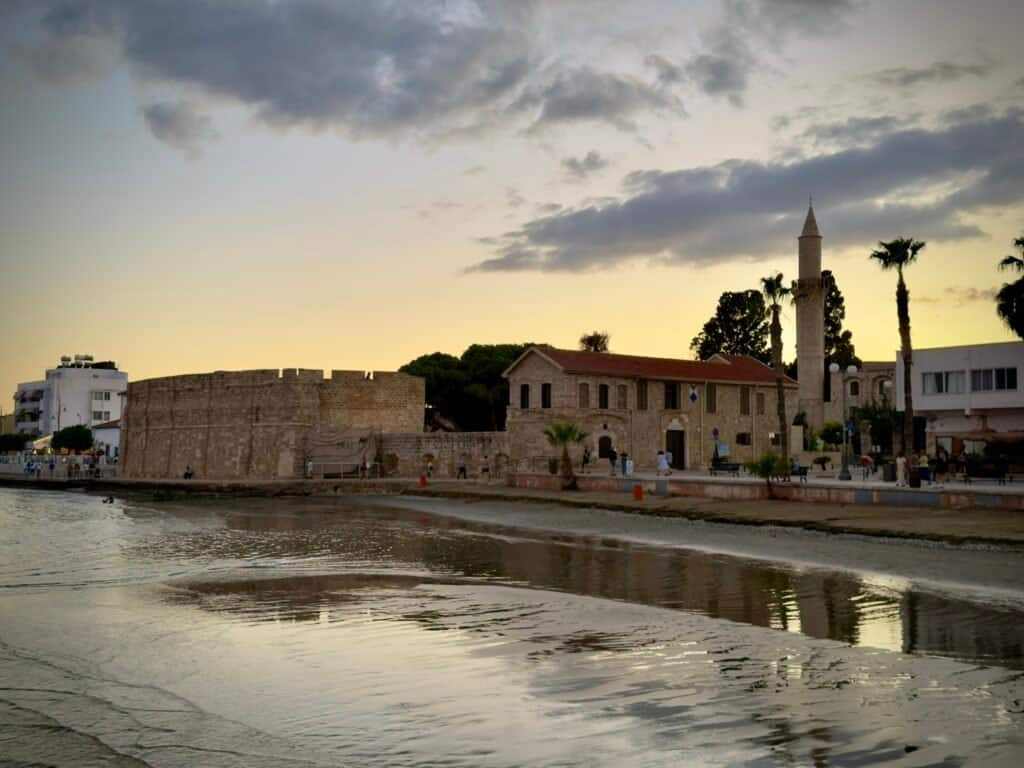
Larnaca is one of Cyprus’ oldest cities, with human settlement dating back over 6,000 years. Known in antiquity as Kition, it was a prominent Phoenician city-state and later part of the Hellenistic and Roman worlds. The city gained Christian significance as the home of Saint Lazarus, who, according to tradition, lived in Larnaca after his resurrection. Over centuries, Byzantine, Venetian, Ottoman, and British influences shaped its architecture and culture. Today, Larnaca is both a modern resort town and a living museum of Mediterranean history, making it a fascinating destination for curious travelers.
Typical Costs & Tickets
Larnaca is relatively affordable compared to other European seaside destinations. Many attractions, such as the Church of Saint Lazarus and Larnaca Salt Lake, are free to visit. Entry to archaeological sites like the Kition ruins costs about €2–€5. Dining ranges from budget-friendly tavernas where meals cost €10–€15 per person to upscale restaurants on the promenade where prices average €25–€40 per person. Hotel rooms start around €50 per night for mid-range options, while luxury resorts along the coast can exceed €150 per night.
Best Time to Visit
The best time to visit Larnaca is spring (April–June) and autumn (September–October), when temperatures are warm but not scorching, and the city is less crowded. Summer (July–August) is peak tourist season, with hot weather, lively nightlife, and bustling beaches. Winter (November–March) is mild and quieter, ideal for cultural and historical sightseeing, though beach life slows down. Birdwatchers particularly enjoy winter, when flamingos flock to the Larnaca Salt Lake.
Nearby Experiences
Larnaca’s central location makes it a great base for exploring Cyprus. Day trips include the Lefkara village, famous for lace and silverwork, and the Troodos Mountains for hiking and monasteries. The lively resort town of Ayia Napa is just 45 minutes away, offering vibrant nightlife and spectacular beaches. History lovers can visit Khirokitia, a UNESCO World Heritage Site with Neolithic remains, located about 30 minutes from Larnaca.
Travel Tips
- Use Larnaca as your entry point—its international airport has the most connections in Cyprus
- Renting a car is the best way to explore the wider island, though the city itself is walkable
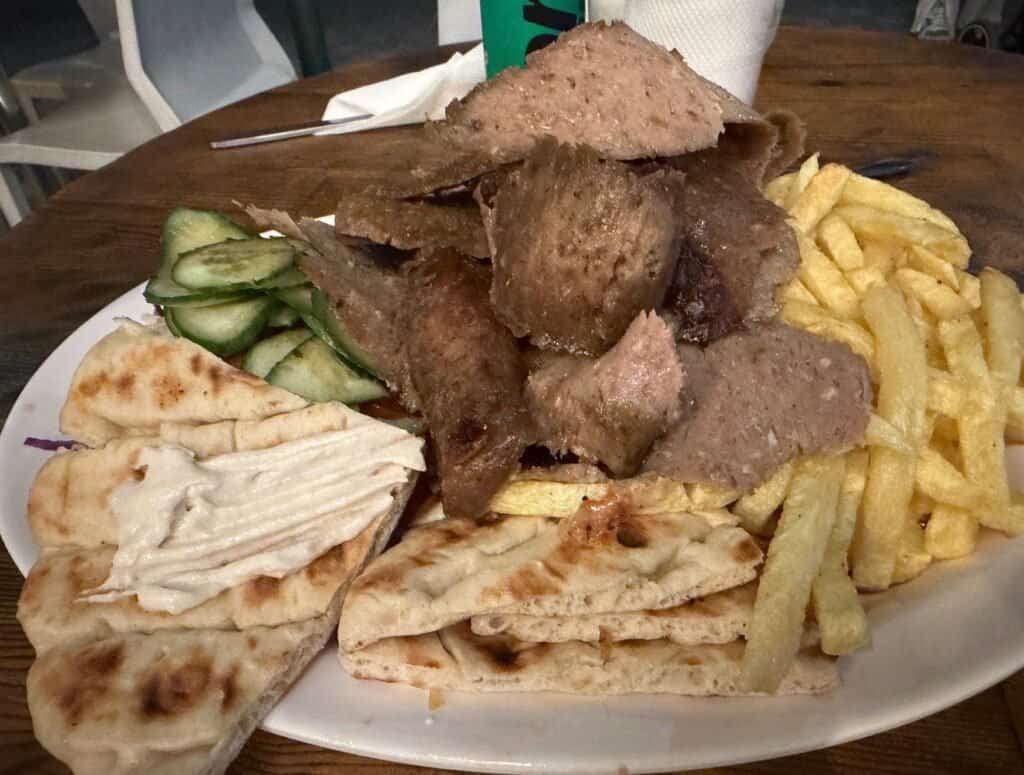
- Try local delicacies like halloumi, kleftiko (slow-cooked lamb), and fresh seafood along the promenade
- Pack sunscreen and a hat—Cyprus enjoys more than 300 sunny days a year
- Visit during the Kataklysmos (Festival of the Flood) in June for unique cultural festivities
Fun Facts & Local Legends
- The name Larnaca comes from the Greek word for “coffer” or “sarcophagus,” due to the many ancient tombs found here
- Saint Lazarus, after being resurrected by Jesus, is said to have lived in Larnaca for 30 years
- The Larnaca Salt Lake turns pink during winter when flamingos arrive
- Finikoudes Beach gets its name from the palm trees (finikoudes) planted along its promenade in the 1920s
FAQ
How many days do you need in Larnaca?
Two to three days is enough to see Larnaca itself, including Finikoudes Beach, the Church of Saint Lazarus, the Kition ruins and the salt lake. Add more days if you want to use the city as a base for day trips to Lefkara, Khirokitia, the Troodos Mountains or Ayia Napa, all within reach of Larnaca.
Is Larnaca good for a beach holiday?
Yes, Larnaca suits a beach holiday, with Finikoudes Beach in the city center and Mackenzie Beach popular for swimming, dining and nightlife. Beach season is strongest in summer, while in winter beach life slows down. If you want bigger resort nightlife, Ayia Napa is about 45 minutes away.
Is Larnaca safe for tourists?
Larnaca is generally regarded as a safe destination for tourists. Normal city precautions apply: keep an eye on belongings on busy beaches and the promenade, protect yourself from the strong summer sun, and check your government's current travel advice before you go.
Is Larnaca airport close to the city?
Yes, Larnaca's international airport is close to the city, which makes it an easy place to start or end a trip. It is also the Cyprus airport with the most connections. Check current taxi, bus and transfer options and journey times before you travel, as services change.
Is Larnaca or Ayia Napa better for a trip?
Larnaca suits travelers who want history, a walkable city and a relaxed pace, while Ayia Napa is known for vibrant nightlife and beaches. Larnaca has the Kition ruins, the Church of Saint Lazarus and the salt lake. Ayia Napa is about 45 minutes away, so you can stay in Larnaca and visit for a day.
Do people speak English in Larnaca?
Yes, English is widely spoken in Larnaca, especially in hotels, restaurants and shops, a legacy of British influence on Cyprus. Greek is the main local language, so a few words like efharisto (thank you) go down well. Menus and signs are often bilingual, but smaller family-run places may have less English.
Larnaca on the map
13 places from this guide. Tap a pin to open the listing.