
Peru on the map
80 places from this guide. Tap a pin to open the listing.
Overview
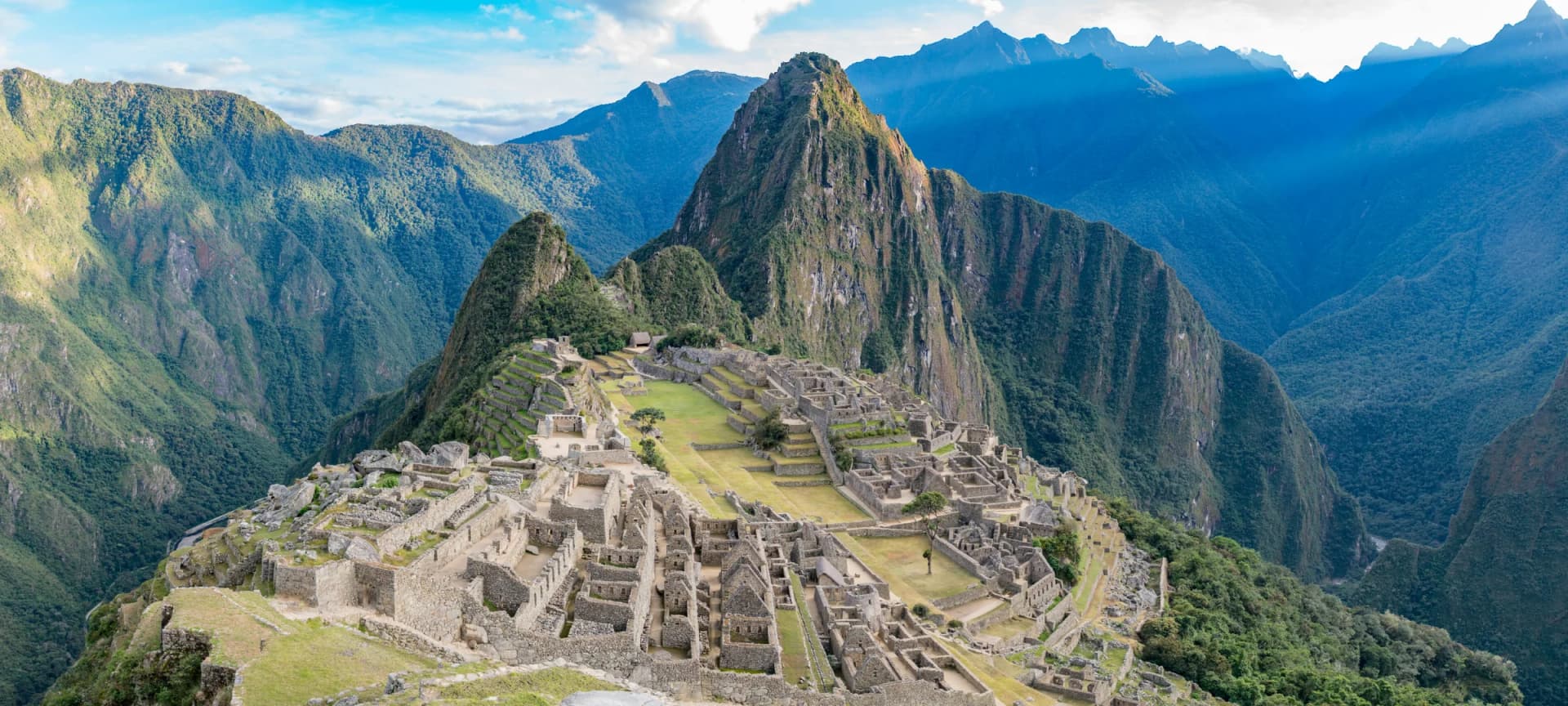
This Peru travel guide exists because the country refuses to fit into one postcard. The Andes mountain range splits Peru into bands of desert coast, high sierra, and Amazon basin, often within a single day's drive. You can wake up in foggy, grey Lima, fly an hour to Cusco at over 3,300 meters, and be standing in cloud forest by nightfall. Few countries pack that much elevation change and ecological range into one itinerary.
Lima, the capital, sprawls along the Pacific in the valleys of the Chillón, Rímac, and Lurín rivers. Its colonial core and clifftop neighborhoods like Miraflores and Barranco give a sense of how layered Peruvian history is, from pre-Inca cultures through Spanish rule to a modern food scene that's earned global attention. Cusco, the former Inca capital, is the usual next stop, its cobblestone streets and Quechua-speaking communities still visibly connected to Inca and colonial-era architecture.
Further south, Puno sits on the edge of Lake Titicaca, where woven reed islands and villages like those on Taquile Island keep textile traditions alive that predate the Spanish by centuries. In the southeast, Puerto Maldonado works as the jumping-off point for the Amazon, with Parque Nacional del Manu and the more remote Parque Nacional Bahuaja Sonene offering two of the best wildlife-watching stretches of rainforest in South America. Arequipa, in the south, anchors trips into Colca Canyon, one of the deepest canyons on earth and a reliable spot for condor sightings.
The north of Peru gets a fraction of the visitors that Cusco does, which is exactly its appeal. Chachapoyas and the surrounding cloud forest hide archaeological sites like Kuntur Wasi and fortress ruins that rival anything in the south, plus Catarata Gocta, one of the taller waterfalls in South America.
When to Visit
Peru's weather doesn't move in lockstep across the country, so the right season depends heavily on where you're headed. Broadly, the dry season from May to September is considered the best stretch for mountain and highland travel, with clearer skies and firmer trails. It's also the busiest and most expensive window, particularly around Machu Picchu, where permits can sell out weeks in advance during July and August.
The rainy season, November through March, thins out the crowds and drops prices on accommodation, but it brings real tradeoffs. Highland treks get muddy, some roads wash out, and visibility on viewpoints like Humantay Lake or Vinicunca Rainbow Mountain can disappear behind cloud for hours.
Coastal Peru runs on an inverted calendar. Lima, Paracas, and Trujillo see warm, sunny weather from December to March, which is their summer and beach season. From June through October the coast turns grey and damp with a persistent fog locals call "garúa," though it rarely actually rains. If you're planning time at Huacachina Oasis for sandboarding or a boat trip through Paracas National Reserve to see sea lions and Humboldt penguins, the southern-hemisphere summer months tend to be the most pleasant.
The Amazon is workable year-round, though the dry season from May to September has less rainfall and easier hiking. The wet season, October to April, raises river levels and actually opens up more of the forest to boat access, which matters if you're heading deep into Manu or Bahuaja Sonene.
How to reach the destination
Most international travelers land at Jorge Chávez International Airport (LIM) in Callao, just outside Lima, which functions as Peru's main air hub. Major carriers including LATAM, American Airlines, Delta, and Air France run direct flights from North America, Europe, and other Latin American cities. From Lima, domestic airlines such as LATAM and Sky Airline Peru connect onward to Cusco, Arequipa, Puerto Maldonado, and other regional airports, including Alejandro Velasco Astete International Airport (CUZ) in Cusco and FAP Captain Guillermo Concha Iberico International Airport (PIU) in Piura in the north.
Overland entry is straightforward from Ecuador, Colombia, Brazil, Bolivia, and Chile. Long-distance bus companies like Cruz del Sur and Ormeño run international routes with reclining seats and onboard meals, and they're a reasonable option if you're already traveling overland through the region and not in a hurry.
A smaller number of travelers arrive by sea. Cruise lines including Holland America Line and Princess Cruises include the port of Callao on South American itineraries, usually as a stop en route to or from other Pacific coast destinations.
Visa rules change periodically depending on nationality, so confirm current requirements with Peru's immigration authority or your nearest consulate before booking.
Getting around the destination
Inside Peruvian cities, taxis and buses cover most needs, though "taxi" is a loose term here. It can mean a car, but also a bicycle, a motor rickshaw, or a motorbike for hire, so agree on a fare before getting in. "Micros," small minivans known locally as combis or custers, run fixed routes without formal stops. You flag them down and shout out when you want off.
Between cities, long-distance buses are the standard and most affordable option, usually departing from a central terminal. Buying your ticket a day ahead is a good habit, especially on popular routes or around holidays.
Peru's road network is uneven. The coastal highway is well paved, but mountain and jungle roads can be rough dirt tracks, and landslides during the rainy season occasionally cut off major routes entirely. For that reason, most travelers fly between Lima and Cusco, or between Lima/Cusco and the Amazon, rather than attempting the drive. It saves a full day or more and avoids some genuinely hazardous stretches of road.
Within a region, hiring a local driver or joining an organized tour is often the easiest way to reach sites that public transport doesn't serve well, like the Reserva Nacional de Salinas y Aguada Blanca near Arequipa or the trailhead for Wilcacocha outside Huaraz.
Top destination travel tips
- Take altitude seriously. Cusco and Puno both sit above 3,300 meters, and altitude sickness can hit fit, healthy travelers with no warning. Spend your first day or two taking it easy, drink plenty of water, and go easy on alcohol until you've acclimatized.
- Drink coca tea, or "mate de coca." It's legal in Peru and widely used by locals and visitors alike to ease altitude symptoms or settle a heavy meal.
- Carry cash in smaller denominations, especially outside Lima and Cusco. Card acceptance drops off fast in smaller towns and rural areas, and change for large bills can be hard to come by.
- Learn a handful of basic Spanish phrases. Locals notice the effort, and it goes a long way in markets, taxis, and smaller restaurants where English isn't common.
- Guard your belongings in crowded areas, particularly bus terminals and busy markets in Lima and Cusco, where pickpocketing is the main petty crime risk for tourists.
- Book Machu Picchu permits and popular treks like the Lares Trek well ahead if you're traveling in the June to August window, since daily visitor numbers are capped.
- Pack layers regardless of season. Highland weather swings hard between sun and cold within a single day, especially at sites like Colca Canyon or along the Río Cotahuasi.
Typical costs in the destination
Peru uses the sol (PEN). It remains one of the better-value countries in South America for travelers, though prices in Cusco and around Machu Picchu run noticeably higher than the national average.
- Budget travelers can get by on hostel dorms, street food, and public buses, keeping daily costs low outside peak season.
- Mid-range travelers staying in comfortable hotels, eating at sit-down restaurants, and booking a mix of private and shared tours should expect a moderate daily spend that rises in Cusco during high season.
- Upscale and fine-dining experiences, including tasting menus at destination restaurants like Central Restaurante in Lima, sit at the top end of what the country offers and should be booked well in advance.
- Entrance fees to major sites like Machu Picchu, Colca Canyon, or the Paracas National Reserve add up over a multi-week trip, so factor them into your budget separately from accommodation and food.
- Domestic flights are often worth the extra cost compared to the time and discomfort of long bus journeys over mountain roads.
Must try food and drinks
Peruvian food is one of the real reasons to build extra days into any Peru travel guide itinerary, and Lima in particular has become a serious culinary destination in its own right.
- Ceviche: raw fish cured in citrus with onion and chili, Peru's signature dish and best eaten fresh along the coast.
- Anticuchos: grilled skewers of marinated beef heart, sold from street carts and perfected at spots like Anticuchería Doña Pochita.
- Cuy: roasted or fried guinea pig, considered a delicacy in Andean communities even though it can be a hard sell for first-time visitors.
- Alpaca: lean, mild red meat common in highland restaurants around Cusco and Arequipa, usually grilled or stewed.
- Lomo saltado: a stir-fry of beef, onions, tomatoes, and fries, a legacy of Peru's Chinese immigrant community and a good entry point if you're easing into local food.
- Nikkei cuisine: the Peruvian-Japanese fusion born from the same immigration history, worth trying at a restaurant like Shizen Restaurante Nikkei or Chef Wong.
- Churros: fried dough piped into hot oil, sold from street carts and dedicated shops in nearly every city.
- Pisco sour: Peru's national cocktail, made with pisco brandy, lime, egg white, and bitters.
- Coca tea: brewed from coca leaves, legal and commonly offered in highland hotels to help with altitude adjustment.
FAQ
How many days do you need in Peru?
Two weeks gives you enough time to cover Lima, Cusco, Machu Picchu, and one secondary region like Arequipa or the Sacred Valley without rushing. If you want to add the Amazon or the northern circuit around Chachapoyas, plan for three weeks or more given how much time domestic flights and travel days eat into the schedule.
Is Peru expensive to visit?
Peru is generally affordable compared to Western Europe or North America, with budget and mid-range travel both realistic. Costs rise sharply in Cusco and around Machu Picchu during the June to August high season, so booking accommodation and permits early helps control the bill.
Is Peru safe for travelers?
Most tourist areas in Peru are safe with normal precautions, and violent crime against travelers is uncommon. Petty theft in crowded bus terminals and markets is the more realistic risk, so keep bags zipped and valuables out of sight, and check current travel advisories for any specific regions before you go.
Do you need to speak Spanish in Peru?
English is spoken in hotels, major tour agencies, and higher-end restaurants, but it thins out quickly outside the main tourist circuit. Learning basic Spanish phrases makes day-to-day travel smoother, especially for buses, markets, and smaller towns.
What is the best month to visit Peru?
May and September tend to offer the best balance, sitting just inside the dry season without the peak crowds of July and August. If you're mainly interested in the coast, December through March is warmer and sunnier in Lima and Paracas.
Do you need a lot of altitude experience for Cusco and Machu Picchu?
No prior experience is needed, but you should plan for an adjustment period. Spend a day or two in Cusco or the Sacred Valley before attempting strenuous hikes, drink plenty of water, and talk to a doctor beforehand if you have heart or lung conditions.
Is Peru worth visiting beyond Machu Picchu?
Yes, and increasingly that's the whole point of a well-planned Peru travel guide itinerary. Sites like Colca Canyon, the cloud forest around Chachapoyas, Lake Titicaca's Taquile Island, and the Amazon basin around Manu offer experiences just as distinctive as the Inca citadel, usually with far fewer visitors.
Top Places to Visit in Peru
View all See & Do
 See & DoBudget · $
 See & Do
La Huaca del Sol
 See & Do
Museo Larco
 See & Do
Candelabro de Paracas (Candelabra of Paracas)
 See & Do
Paisaje Arqueológico de Waqrapukara
 See & Do
 See & Do
Top Places to Eat in Peru
View all Eat & DrinkUltra Luxury · $$$$$
Maido Lima – The World’s Best Restaurant 2026 — Traveler’s Guide
 Eat & Drink
Central Restaurante
 Eat & DrinkModerate · $$
Shizen Restaurante Nikkei
 Eat & Drink
 Eat & DrinkExpensive · $$$
FAN – neo nikkei restaurant
 Eat & DrinkBudget · $
Churros San Francisco S.A.C.
 Eat & Drink
 Eat & DrinkModerate · $$