
Uganda Travel Guide After The 2026 Ebola Outbreak
By
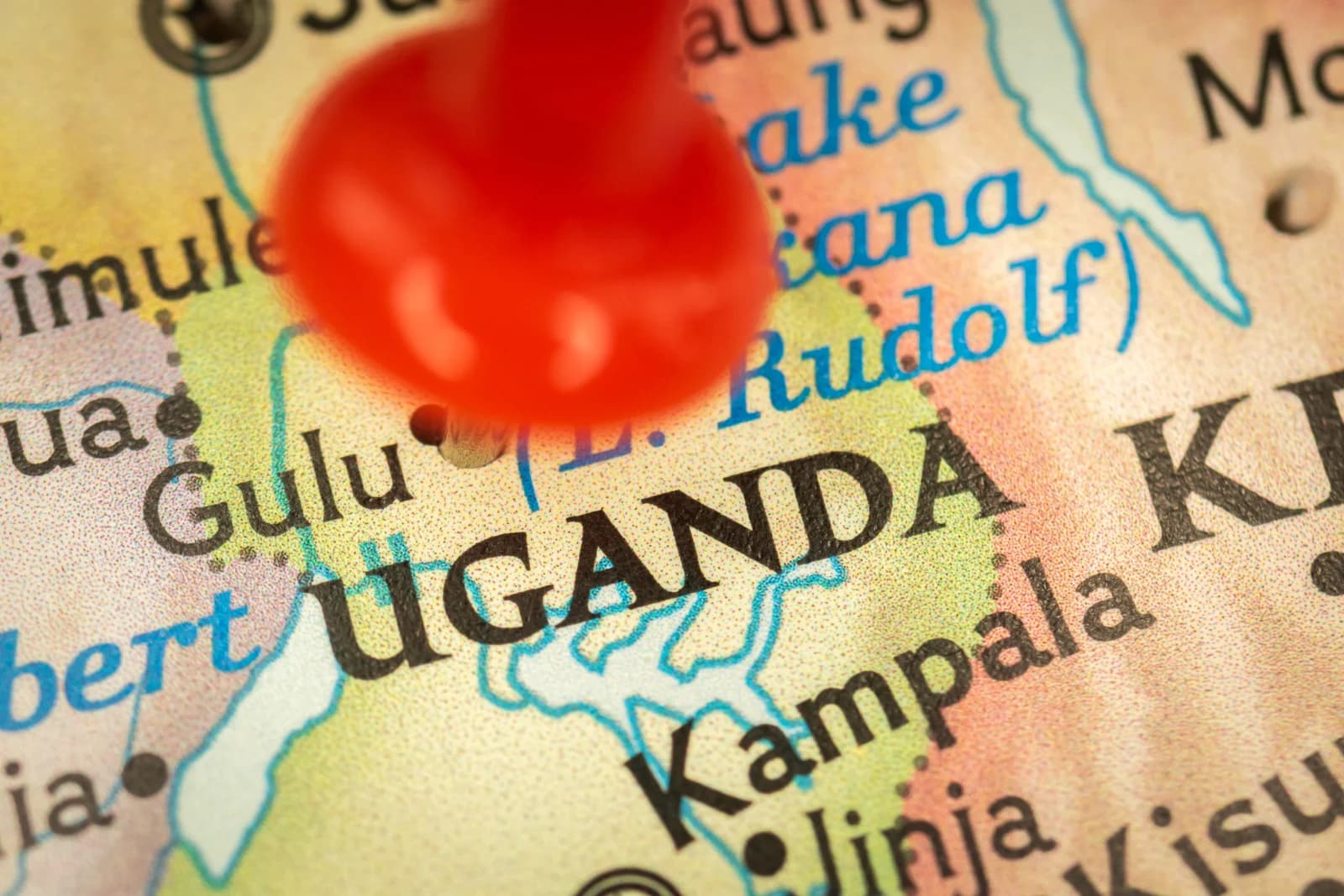
Uganda Travel Guide After The 2026 Ebola Outbreak
Uganda’s 2026 Ebola outbreak has ended, but planning a visit still requires attention to health updates, border rules, and the requirements for travellers entering the country afterwards. On 27 August 2026, the World Health Organization and Africa CDC welcomed the end of the outbreak after the completion of a 42-day monitoring period. For visitors considering a Uganda tour, this provides a confirmed public health milestone on which to base their planning.
The declaration applies to that outbreak in Uganda. It does not mean that Ebola has disappeared from the region or that every travel restriction has been removed. The outbreak in neighbouring Democratic Republic of the Congo continues, and Uganda maintains precautions along the border. Travellers should distinguish between Uganda’s outbreak status and the separate rules imposed by airlines, transit countries and their home governments.
What happened during the outbreak
The outbreak, declared on 15 May 2026, involved Bundibugyo virus. Uganda recorded 20 confirmed cases, including 15 imported cases and five locally acquired infections linked to imported cases. Eighteen people recovered, and two died. WHO reported that more than 800 contacts were identified and monitored during the response. These figures help explain why continued surveillance remains part of travel planning after transmission has stopped.
Some reports refer to Uganda’s announcement on 28 July, when the country marked 42 days without a new locally acquired case. The later international confirmation followed further monitoring after the last imported patient was discharged on 16 July. Using the August declaration avoids confusing two announcements that measured different stages of the response.
Check travel advice and insurance before booking
Before paying for a holiday, read the current Uganda advice issued by your own government. Look beyond the Ebola section: security advice, regional warnings and insurance conditions also matter. Ask your insurer whether the proposed itinerary is covered, including any areas subject to official warnings. A booking agent’s reassurance cannot replace the terms of an insurance policy or an immigration decision.
Returning home and travelling through other countries
Return travel deserves particular attention. CDC guidance updated on 11 September 2026 states that eligible travellers arriving in the United States after recent presence in Uganda face designated-airport routing and health screening. Restrictions also apply to certain traveller categories, including some permanent residents. U.S. citizens and nationals travelling from Uganda are treated differently from people who have recently been in DRC. Check the rules for your citizenship and status before booking.
Anyone considering a side trip into DRC should examine the consequences carefully. CDC guidance includes a 21-day restriction on boarding commercial flights bound for the United States after presence in DRC, including qualifying airport transit. A short excursion can therefore affect the entire return journey. Other countries may apply different requirements, so check each destination and transit point separately.
Documents needed for entry into Uganda
For entry into Uganda, confirm the visa requirements that apply to your passport through the official immigration system. British government guidance currently specifies at least six months of passport validity on arrival and proof of yellow fever vaccination. Travellers of other nationalities should confirm their own requirements with Uganda’s immigration authorities. Keep printed copies of approval documents and carry the original vaccination certificate where required.
Ebola precautions and symptoms
Understanding Ebola helps travellers take sensible precautions. WHO explains that infection spreads through direct contact with the blood or body fluids of someone who is ill or has died from Ebola, or through contaminated objects. Contact with infected animals can also transmit the virus. People do not transmit Ebola before symptoms begin. These transmission routes should guide precautions rather than assumptions based solely on a country’s name.
Avoid contact with blood, vomit, or other body fluids, and do not handle sick or dead wildlife. Leave animal carcasses to park staff and report them to a ranger. Visitors should follow any screening instructions and cooperate with health officials if questioned about recent travel or illness. Handwashing is useful everyday hygiene, but it does not replace avoiding exposure or following specific public health directions.
Ebola symptoms can appear between two and 21 days after infection. Early illness may include fever, fatigue, muscle pain, headache and sore throat, followed by vomiting or diarrhoea. Bleeding is less common than many people assume and may occur later. A traveller should not wait for bleeding before seeking help, nor assume that every fever is Ebola. Medical assessment is necessary.
If illness develops after a possible exposure, separate yourself from others and contact health officials or a healthcare provider before arriving at a clinic. Explain your symptoms, recent movements and any known contact with an ill person. Follow instructions about assessment and transport. Do not continue a tour or board a flight while awaiting advice about suspected Ebola. Calling ahead allows the receiving facility to prepare.
Preparing for other travel health risks
Travel health preparation still matters. Arrange a consultation before departure to discuss malaria prevention, routine vaccinations and personal medical needs. Carry prescribed medicines in their original packaging, together with relevant prescriptions. Pack mosquito repellent and clothing suitable for covering exposed skin in the evening. The CDC’s Uganda destination guidance should be checked alongside outbreak notices, because a safari involves health considerations beyond Ebola.
Medical care can be limited outside Kampala, including around popular tourist attractions. Choose insurance that covers the activities planned and provides suitable medical evacuation benefits. Save emergency assistance contacts offline and ask lodges how they arrange urgent transport. Travellers with existing conditions should discuss the distance from medical facilities with their clinician before choosing remote accommodation. Use safe drinking water and pay attention to food hygiene throughout the trip.
Planning your Uganda safari
Build the safari around current access information and personal interests. Uganda Wildlife Authority manages destinations including Bwindi, Mgahinga, Kibale, Murchison Falls, Queen Elizabeth and Lake Mburo. Gorilla trekking, forest visits and savannah wildlife trips can form different itineraries; there is no need to fit every park into one holiday. Confirm park access and activity availability directly before making non-refundable arrangements.
A proposed two-week circuit could begin with a night in Entebbe, continue to Murchison Falls, and then move through Kibale and Queen Elizabeth towards Bwindi. Lake Bunyonyi can provide a rest stop before returning through Lake Mburo. Treat this as an itinerary proposal rather than confirmation that every road and activity is operating normally. Ask the operator to check conditions close to departure.
Reserve the main activity before arranging surrounding accommodation. For a gorilla visit, ask which trekking sector the booking covers and choose a lodge with practical access to that briefing point. Obtain written confirmation of dates, inclusions and cancellation conditions. If illness prevents participation, discuss the applicable policy with the operator and park authority; do not assume that a refund or date change is automatic.
Choosing transport and driving safely
Road travel needs room for delays. A map’s estimated journey time may not account for stops, roadworks, rain or slow approaches to a lodge. Avoid scheduling a long transfer immediately before a fixed activity. British travel guidance advises against travelling outside main towns after dark, apart from the Kampala–Entebbe airport road, and recommends using a vehicle in good condition.
When comparing transport providers, consider a company such as Car Rental Uganda Entebbe and assess its reputation through recent independent reviews, written rental terms and clear answers about roadside support. Ask about vehicle condition, insurance excess, permitted routes and replacement arrangements before paying a deposit. Good communication during booking is useful, but the agreed responsibilities should also appear in the contract.
A driver-guide may suit visitors who prefer help with navigation and daily logistics. Self-drive travellers should check their licence requirements and the rental company’s route restrictions. Inspect tyres, lights, seat belts and the spare wheel at handover. Ask how to report a breakdown and what assistance is available outside business hours. Share the planned route with the provider before departure.
Travel near the DRC border
Take extra care when planning travel near the DRC border. British advice identifies security risks in western border areas and warns that crossing points can close at short notice. Ebola precautions and security restrictions are separate issues, both of which can affect an itinerary. Do not add an informal border crossing simply because it appears convenient on a map.
Weather and what to pack
Weather also affects travel choices. June to September and December to February generally offer drier conditions, while March to May and October to November bring wetter periods. Rain remains possible in forests during the drier months. Carry waterproof clothing and footwear with good grip, and ask about access roads when booking a remote lodge during the rains.
Keeping bookings flexible and checking updates
Keep bookings organised in one accessible place: accommodation contacts, activity confirmations, transport details and emergency numbers. Carry copies offline in case mobile coverage is unavailable. Request a clear cost breakdown rather than relying on a single package total. Confirm who pays for changes caused by a missed connection, a border restriction or a health-related interruption.
Before departure, repeat the checks that can change: outbreak updates, government advice, airline requirements and entry rules for the journey home. Keep some flexibility in the itinerary and enough money for an unexpected delay. Uganda’s confirmed end to the outbreak is useful information for travellers, but the most dependable plan combines that update with current guidance for the exact route and travel dates.