
6 Adventures That Take You to the Ends of the Earth
By
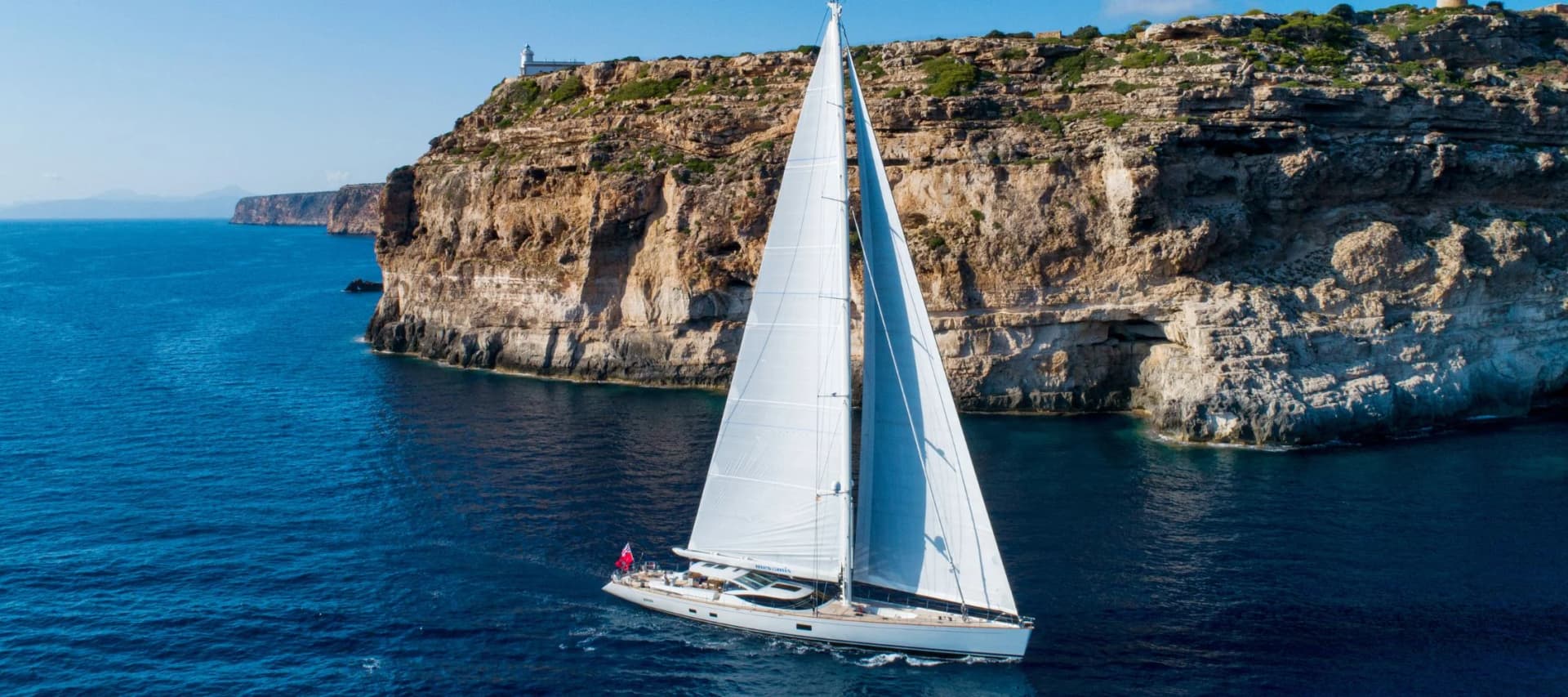
From polar wildernesses to ancient deserts, the world's most remote regions offer experiences that reward travellers prepared to go further.
For those drawn to ultra-luxury adventure travel, the appeal lies in combining extraordinary exploration with expert guidance, thoughtful accommodation and the freedom to experience each destination at its own pace.
1. Antarctica: A World of Ice and Wildlife
Antarctica remains one of the planet's most extraordinary frontiers. Enormous glaciers, sculpted icebergs and vast penguin colonies create a landscape that feels almost entirely removed from the modern world.
Expedition voyages offer opportunities to explore the Antarctic Peninsula by Zodiac, observe seals resting on ice floes and watch whales moving through icy waters. Specialist guides provide insight into the continent's wildlife, geology and changing environment.
Conditions can alter plans at short notice, making flexibility essential. Yet this unpredictability is part of the attraction: every landing and wildlife encounter feels connected to the natural rhythms of the continent.
2. Svalbard: Into the High Arctic
Situated between mainland Norway and the North Pole, Svalbard offers a compelling combination of dramatic scenery and Arctic wildlife.
Glaciers descend towards deep fjords, while reindeer, walruses and Arctic foxes inhabit the surrounding wilderness. Travelling by expedition vessel allows visitors to explore remote coastlines, with experienced guides interpreting the environment and helping identify wildlife from a respectful distance.
Beyond the wildlife, the region's changing light is remarkable. In summer, the midnight sun illuminates the landscape for hours, while colder months bring opportunities to experience the Arctic's extraordinary winter atmosphere.
3. Patagonia: Among the Mountains of South America
Stretching across southern Chile and Argentina, Patagonia is a destination defined by scale. Granite peaks rise above turquoise lakes, glaciers carve through valleys and windswept plains extend towards the horizon.
Hiking is one of the most rewarding ways to explore the region, whether following trails beneath the towers of Torres del Paine or walking through remote valleys with knowledgeable local guides. Horse riding and kayaking offer alternative perspectives for those wanting to experience the landscape differently.
The region also rewards slower travel. Spending several nights in one area allows time to adapt plans to the weather and appreciate the subtle changes in the scenery.
4. Mongolia: Discovering Life on the Steppe
Mongolia offers a different kind of remoteness. Here, vast grasslands, rugged mountains and open horizons provide the setting for a culture shaped by centuries of nomadic traditions.
Travellers can ride across the steppe, stay in traditional gers and learn how local communities adapt to seasonal changes. In northern Mongolia, carefully arranged visits may introduce travellers to the Tsaatan people and their reindeer-herding heritage.
The most meaningful encounters are those led by local hosts, allowing visitors to learn about daily life and traditions rather than simply observe them.
5. Botswana: Exploring the Okavango Delta
Botswana's Okavango Delta offers an extraordinary wilderness experience, where seasonal floodwaters transform grasslands into a network of channels and islands.
Exploring by mokoro canoe reveals the quieter details of this ecosystem, from waterbirds among the reeds to elephants crossing shallow waterways. Guided game drives provide opportunities to observe lions, wild dogs and other wildlife across the wider delta.
Remote camps offer a comfortable base between excursions, while knowledgeable guides explain the relationships between wildlife, seasonal flooding and conservation.
6. The Atacama Desert: An Otherworldly Landscape
In northern Chile, the Atacama Desert presents a striking contrast to the icy landscapes of the polar regions. Salt flats, volcanic formations and vast stretches of arid terrain create an environment that feels almost extraterrestrial.
Days can be spent exploring desert valleys, high-altitude lagoons and geothermal fields. After sunset, exceptionally clear skies reveal remarkable opportunities for stargazing, with specialist guides helping visitors understand the constellations and distant galaxies above them.
The Atacama demonstrates that adventure does not always require physical endurance; sometimes, the most memorable experience is simply taking time to appreciate an unfamiliar environment.
The Journey Is Part of the Reward
Each of these destinations offers a different reason to travel further, whether the draw is wildlife, cultural discovery or the challenge of exploring remote terrain. What unites them is the opportunity to experience the world beyond its familiar highlights.
With careful preparation, knowledgeable guides and a willingness to embrace changing conditions, journeys to the ends of the Earth can offer something more meaningful than a collection of destinations: a deeper understanding of the landscapes, wildlife and communities that make our planet extraordinary.