
Adventure Travel Bucket List: 7 Incredible Destinations to Explore in Your Lifetime
By
Introduction: Seven Adventures Worth Traveling Across the World For
Adventure doesn't have to mean bungee cords and adrenaline. Sometimes it's a slow walk through a mountain village where the tea comes with a view, or a long drive across open plains with nobody else in sight. Those are the trips people still talk about years later.
The trouble is choosing. There are so many incredible places out there, and nobody has the time or the budget to see them all. So which ones really earn a spot on an adventure travel bucket list?
This guide narrows it down to seven, spread right across the map: the Annapurna Circuit Trek in the Himalayas, Patagonia's wind-scoured peaks, Tanzania's safari plains, Iceland's volcanic landscapes, Peru's Andean trails, New Zealand's fiords, and Australia's tropical coast. For each one you'll find what makes it special, what you can actually do there, the local culture worth slowing down for, when to go, and the practical stuff that tends to trip people up. A side-by-side comparison near the end should help you decide.
1. Annapurna Circuit Trek, Nepal: Himalayan Mountains and Traditional Villages
Why the Annapurna Region Deserves a Place on Your List
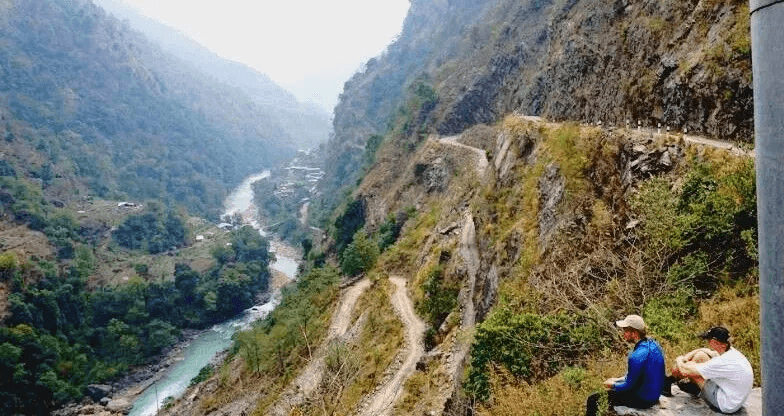
Few places pack as much variety into one walk as Nepal's Annapurna region. You start in warm valleys and terraced farmland, move through pine forest, and end up in cold, dry, high-altitude country with the Annapurna and Dhaulagiri ranges towering overhead. The Marsyangdi and Kali Gandaki river valleys carve out the route. Altitude changes almost everything here, from the crops to the clothes people wear, so the trek feels like several journeys stitched together. And it isn't only about viewpoints. You spend your days passing through working Himalayan communities, which is the real draw.
The Annapurna Circuit Trek: Villages, Culture, and a High Pass
The Annapurna Circuit Trek is one of the region's best-established long-distance routes. Traditionally it follows the Marsyangdi Valley upstream, crosses Thorong La at roughly 5,416 meters, then drops into the Kali Gandaki Valley. Roads have crept into parts of the route over the years, so the itinerary you pick matters if you'd rather spend more days on foot and fewer beside traffic.
Along the way you'll pass through Chame, Pisang, Manang and, after the pass, Muktinath. Tibetan Buddhist influence grows stronger in the upper valleys, and Muktinath is a pilgrimage site with deep religious meaning. Don't rush the altitude. Build in acclimatization days, keep your schedule flexible, and leave spare time for the Thorong La crossing. When you're comparing itineraries and guide arrangements, looking at locally organized options such as Nepal Eco Adventure is a sensible place to start.
Best Time, Local Experiences, and Practical Advice
Seasons and Weather
Spring (March to May) and autumn (September to November) are the usual choices. Nights get properly cold up high, and snow can affect the pass, so check conditions before you commit.
On the Trail
Teahouses are the backbone of the trek. Expect dal bhat, the odd village bakery, monasteries along the way, and trails shared with locals and pack animals. Pack broken-in boots and warm layers, and let altitude set your pace.
Before You Go
Permit and guide requirements change, so confirm the current rules before departure. Most people plan the trip from Kathmandu or Pokhara.
2. Patagonia, Chile and Argentina: Glaciers, Mountain Trails, and Wild Landscapes
Hiking Torres del Paine and Los Glaciares National Parks
Patagonia is shared between Chile and Argentina, and it's all rugged peaks, glaciers, lakes and weather that changes by the hour. In Chile's Torres del Paine National Park, the W Trek is the headline route, with views of those granite towers. Over in Argentina, trails from El Chaltén lead toward Mount Fitz Roy, and Perito Moreno Glacier in Los Glaciares National Park is the easy win for glacier viewing.
Short on time? Day hikes from Puerto Natales or El Chaltén give you a good taste, while the multi-day routes need real planning. Both towns are small, with local cafés and a proper mountain-town feel. Book lodging and park access ahead, bring waterproofs, and expect wind. November through March is the main season, though the weather never promises anything.
3. Tanzania: African Wildlife Safari and the Slopes of Kilimanjaro
Wildlife Encounters, Mountain Climbing, and East African Culture
Tanzania pairs big wildlife with Africa's most recognizable mountain. Serengeti National Park offers open plains, plenty of predators, and the seasonal movements of wildebeest and zebra. Where the herds actually are depends on rainfall and the time of year, so don't count on one particular spectacle. The Ngorongoro Conservation Area adds a volcanic crater full of wildlife.
Kilimanjaro is a different animal altogether. It's a multi-day, high-altitude climb that demands careful acclimatization, while a vehicle-based safari is far gentler on the body. Away from the parks, local markets and Swahili food are worth your time. Use licensed guides, follow park rules, keep a respectful distance from animals, and treat the people you meet as hosts rather than scenery.
4. Iceland: Volcanoes, Glaciers, Waterfalls, and Geothermal Landscapes

Exploring an Island Still Being Shaped
Iceland is volcanic, glacial and geothermal all at once, with North Atlantic weather layered on top. The Golden Circle is the classic starter: Þingvellir National Park, the Geysir geothermal area and Gullfoss waterfall. Along the South Coast you'll find Skógafoss, Reynisfjara and the Jökulsárlón glacier lagoon.
Glacier walks and ice-cave visits are possible, but go with qualified operators and only when conditions allow. Soaking in geothermal pools is part of everyday life here, and fishing communities and local food round out the picture. Summer brings long daylight, while winter gives you a chance at the northern lights. Roads can be rough, winds strong, and some areas are restricted for good reason. At Reynisfjara's black-sand beach, stay well back from the water, because the waves can be dangerous.
5. Peru: Ancient Andean Trails and the Culture of the Sacred Valley
Machu Picchu, Mountain Routes, and Living Andean Traditions
Peru blends high-altitude hiking with serious archaeology. Many travelers aim for Machu Picchu on the classic Inca Trail, though other trekking routes lead there too. Cusco is the usual starting point for the Sacred Valley, where Inca history sits alongside agricultural terraces, stone-built settlements and Quechua communities that still keep weaving traditions alive.
Spend a few days acclimatizing before any strenuous hike. Inca Trail permits are limited, so book early, and remember that a trekking permit and a Machu Picchu entry ticket are two separate things. The drier months run from May to September, with rain possible outside that window. Hire local guides, ask before photographing people, and behave respectfully at archaeological sites.
6. New Zealand: Alpine Trails, Fiords, and Outdoor Adventures
From Fiordland's Walking Tracks to Queenstown's Adventure Scene
The South Island packs alpine mountains, deep fiords and lakes into a fairly compact space. In Fiordland National Park, boat trips on Milford Sound (Piopiotahi) show off the steep coastal scenery, and the Milford and Routeburn tracks are well-established multi-day walks. Queenstown covers the rest: hiking, kayaking, mountain biking and plenty of commercial adventure sports.
Māori place names and heritage tie people to this landscape, so it's worth learning a little before you go. Great Walks accommodation fills up in popular seasons, so book early. Alpine weather turns fast, tracks vary in difficulty, and transport takes some planning. Look after the environment you're walking through. December to February is the main summer period, though some activities run in other seasons.
7. Australia: The Great Barrier Reef and Queensland's Tropical Coast
Reef Adventures, Rainforest Walks, and Coastal Culture
Queensland mixes tropical sea, rainforest and relaxed coastal towns. Snorkeling and diving on the Great Barrier Reef put you among coral and marine life, with Cairns and Port Douglas the usual departure points. Back on land, the Wet Tropics rainforest and the Daintree area offer a completely different environment on the same trip.
First Nations heritage runs deep here, and Indigenous-led experiences are a good way to learn from people who know the country best. Water visibility, marine stingers and weather all shape what you can do, so stay flexible. Don't touch the coral, and choose responsible tour operators. Summer is tropical and wet, while winter tends to be drier.
Destination Comparison Framework: Which Adventure Fits You?
Still undecided? Four things usually settle it: how much effort you want to put in, when you can travel, how far ahead you need to book, and what kind of experience you're after.
Destination | Main Adventure | Physical Effort | Best Months | Book Ahead? |
|---|---|---|---|---|
Annapurna, Nepal | Multi-day teahouse trek | High (altitude) | Mar–May, Sep–Nov | Check current permit and guide rules |
Patagonia | Hiking and glaciers | Moderate to high | Nov–Mar | Yes, park access and lodging |
Tanzania | Safari or Kilimanjaro climb | Low (safari), high (climb) | Varies by park and goal | Yes, guides and parks |
Iceland | Volcanic and glacier sights | Low to moderate | Summer for daylight, winter for northern lights | Tours for glaciers and ice caves |
Peru | Inca trails and Sacred Valley | Moderate to high | May–Sep | Yes, Inca Trail permits |
New Zealand | Great Walks and fiord trips | Moderate | Dec–Feb | Yes, Great Walks lodging |
Australia | Reef snorkeling and diving | Low | Drier winter months | Reef tours |
A simple rule of thumb: choose by effort first. Fitness and altitude limit your options more than anything else does.
How to Plan an Adventure Travel Bucket List That Fits Your Experience and Budget
Match the Destination to Your Fitness, Travel Season, and Interests
Start with honest questions about fitness, altitude, climate, trip length and what you actually enjoy. A multi-day trek like Annapurna asks far more of your body than a safari, a reef trip or a scenic day hike, and neither kind is better than the other. Check seasons, entry requirements, permits, local transport, and whether your travel insurance covers the activities you have in mind. Budget for qualified guides and safety equipment where they're needed. And leave room for culture. The best moments often happen when you're not rushing to the next big attraction.
Conclusion: Choose Adventures That Stay With You Beyond the Journey
The best adventure travel mixes exploring, a bit of personal challenge, and real curiosity about unfamiliar places. These seven cover a lot of ground, from Nepal's Himalayan villages and Patagonia's mountain trails to Tanzania's wildlife and Australia's reefs. The most rewarding pick isn't always the hardest or the most remote. Choose what matches your curiosity, prepare properly, and treat local communities with respect. The rest tends to take care of itself.