
What to See Around Fort Benning, Georgia
By
Fort Benning, now officially known as Fort Moore, sits along the Georgia-Alabama border near Columbus, and it draws a steady stream of military families, history buffs, and relatives of soldiers heading off to Basic Training or Ranger School. The post itself covers more than 182,000 acres, but the surrounding region holds just as much to explore. Whether you're on post for a graduation ceremony or passing through for a few days, there's enough nearby to fill a long weekend without ever feeling like you're stuck on base.
National Infantry Museum
This is the centerpiece for most visitors, and for good reason. The museum traces the history of the American soldier from the Revolutionary War through modern conflicts, using full-scale dioramas, recovered vehicles, and personal artifacts donated by veterans. The Last 100 Yards exhibit walks you through major battles on a sloped ramp designed to make you feel the physical strain soldiers faced. Admission is free, though the separate motion-simulator rides and the parachute drop tower carry a small fee, and plan on at least two to three hours to do the galleries justice.
Downtown Columbus and the Riverwalk
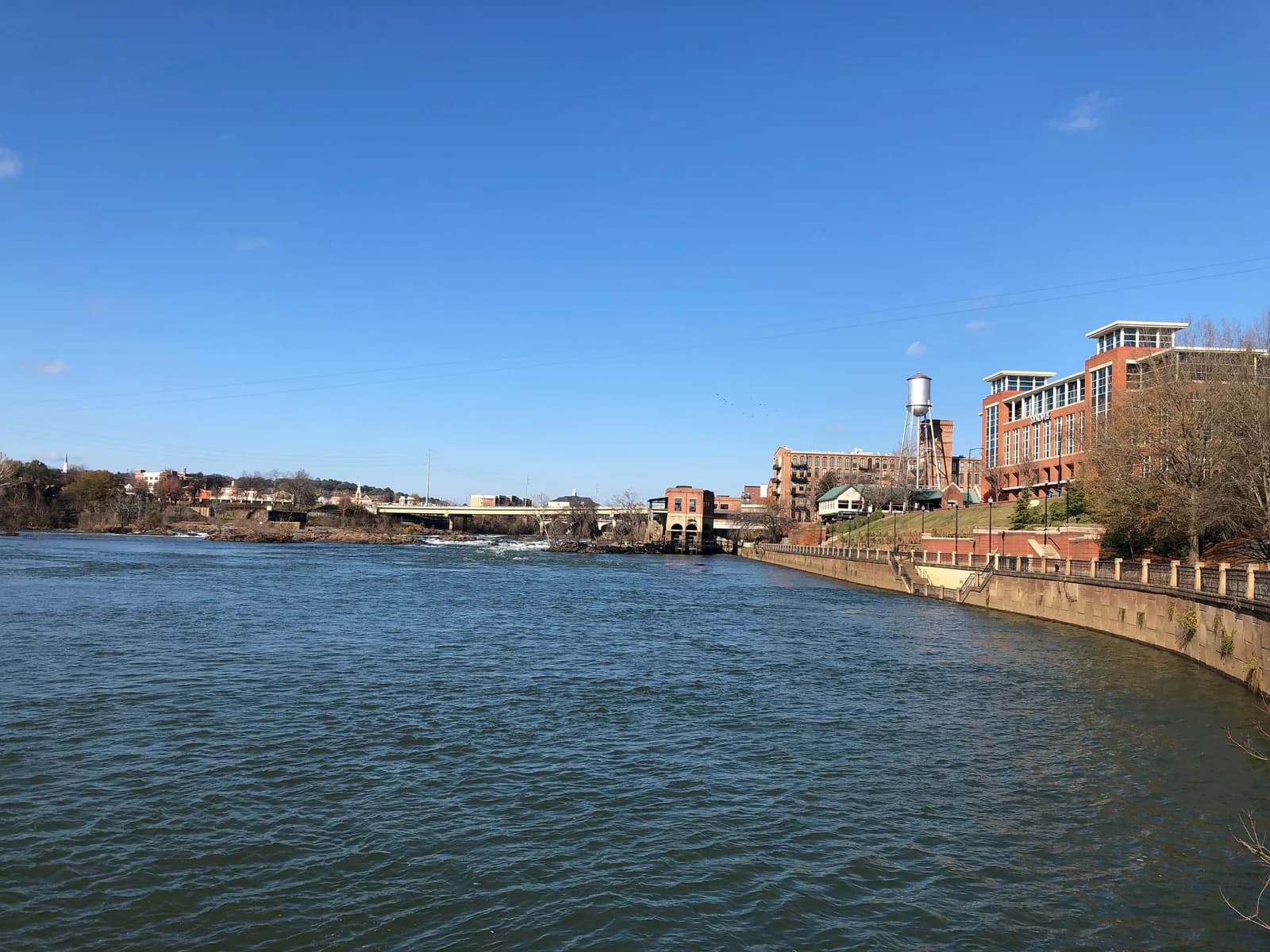
Columbus sits just a few miles from the post and makes an easy base for visiting Fort Benning, Georgia, especially if you want restaurants, hotels, and evening activities within reach. The Chattahoochee RiverWalk stretches about 15 miles along the river, connecting historic districts, parks, and public art installations. Whitewater rafting outfitters run the Chattahoochee's class II-IV rapids right through downtown, which is a rare thing to find in a mid-sized Southern city. The Historic District around Broadway has brick storefronts, antique shops, and a handful of breweries worth a stop after a day of sightseeing.
National Civil War Naval Museum
Also in Columbus, this museum focuses on a narrower slice of history than most Civil War sites, concentrating on naval warfare and shipbuilding. The centerpiece is the partially reconstructed hull of the CSS Jackson, a Confederate ironclad that never saw combat, alongside the remains of the CSS Chattahoochee. Model ships, period uniforms, and exhibits on blockade running round out the collection. It's a smaller museum, usually an hour or so, but it offers a different angle on the war than the infantry-focused exhibits found elsewhere in the area.
Westville Historic Village
About 40 minutes south in Lumpkin, Westville recreates a working 19th-century Georgia village with relocated and reconstructed buildings from the 1850s. Costumed interpreters demonstrate blacksmithing, weaving, and candle-making using period tools and techniques. The pace is slow and hands-on, which makes it a good counterpoint to the more intense, modern-war content at the Infantry Museum. Check the schedule before driving out, since Westville operates on a seasonal calendar and hosts special events like heritage festivals in the fall.
Providence Canyon State Park
Nicknamed Georgia's "Little Grand Canyon," this park about an hour southwest of Fort Benning formed from 19th-century farming practices that led to severe soil erosion. The result is a series of canyons up to 150 feet deep, with walls striped in red, orange, and purple from exposed mineral layers. A 3-mile loop trail takes you around the canyon rim and down into the formations themselves, and the backcountry trail offers a longer, more rugged option for those wanting solitude. Go in late afternoon when the light angles into the canyon walls and brings out the color most dramatically.
Fort Mitchell Historic Site
Just across the Alabama state line, Fort Mitchell preserves the site of a 19th-century military outpost and Indian agency that played a role in the Creek Indian removals. A reconstructed fort, cemetery, and small museum give context to a period of regional history that often gets overshadowed by Civil War and World War II sites. It's a quieter stop, usually under an hour, but worthwhile for anyone interested in the area's history before it became a military training ground. The site also connects to the Trail of Tears National Historic Trail, with markers explaining the forced relocations that passed through the region.
Callaway Gardens
For something outside the military and history circuit entirely, Callaway Gardens sits about 45 minutes northeast near Pine Mountain. The 2,500-acre property includes a butterfly conservatory, azalea gardens, a sandy-beach lake, and miles of hiking and biking trails. Seasonal events range from spring wildflower walks to an elaborate holiday lights display each winter. It's a good option for families looking to balance a few days of museums and historical sites with something more relaxed and outdoors-oriented.
Making the Most of Your Visit
Spreading these stops across three or four days works better than trying to cram them into one trip, especially with the drive times between Columbus, Lumpkin, and Pine Mountain. Weekday mornings tend to be quieter at the Infantry Museum, while weekends draw larger crowds tied to graduation ceremonies on post. Pack layers if visiting Providence Canyon in cooler months, since temperatures in the canyon itself can run noticeably lower than on the open trail above. With some planning around drive times and seasonal hours, the area around Fort Benning offers a lot more than a single afternoon's worth of sightseeing.