
From Fjords to Arctic Towns: How to Plan an Unforgettable Nordic Trip
By
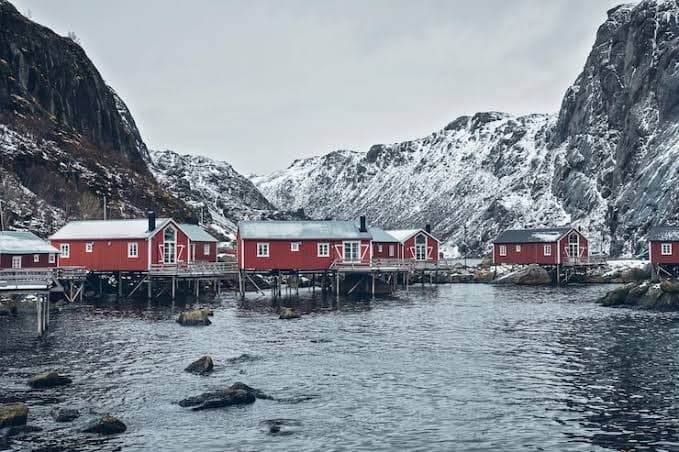
From Fjords to Arctic Towns: Plan an Unforgettable Nordic Trip
Discover how to plan an unforgettable Nordic trip combining dramatic fjords, Arctic towns, scenic routes and local experiences while keeping your itinerary practical and flexible.
A Nordic journey can combine dramatic fjords, remote islands, colourful coastal towns and Arctic landscapes within a single itinerary. The challenge is fitting these very different experiences into one trip without spending most of the holiday changing hotels, catching connections or rushing between attractions. A well-planned route should balance famous sights with slower days, allowing enough time to experience the character of each destination rather than simply collecting photographs.
Build the Route Around Geography
The first practical step is to look at the map before choosing individual attractions. Nordic countries cover enormous distances, and a seemingly short route can involve ferries, mountain roads, regional flights and limited public transport. Planning around geographical clusters reduces unnecessary transfers and leaves more time for exploring.
A route can begin among Norway's western fjords before continuing north towards smaller coastal communities and Arctic settlements. Another option is to combine southern Scandinavian cities with a northern extension, using domestic flights for the longest distances. It is useful to check seasonal transport schedules early, particularly for ferries and smaller regional routes.
Travellers comparing destinations can also use specialist itinerary resources such as Nordic trip planning services to understand how different regions can be connected into a practical journey rather than treating every destination as a separate stop.
When mapping the itinerary, consider:
Travel time between overnight stops, not just the distance on a map;
Seasonal road, ferry and flight schedules;
The number of nights needed to experience each location;
Weather conditions that could affect outdoor activities.
Give Fjords More Than a Photo Stop
Norway's fjords are often treated as viewpoints to tick off during a road trip, but the landscape becomes much more interesting when travellers slow down. A few nights in a fjord region can allow time for hiking, kayaking, scenic drives and visits to smaller communities away from the busiest viewpoints.
The choice of accommodation also changes the experience. Staying in a village or small coastal settlement can make early-morning walks and evening excursions easier, while a city base may offer more restaurants and transport connections. There is no single ideal arrangement: the right balance depends on whether the priority is outdoor activity, photography, local culture or simple relaxation.
Weather should also influence the daily schedule. Instead of putting the most important outdoor activity on the final day, leave some flexibility for poor visibility or heavy rain. This is particularly useful in mountainous areas, where conditions can change quickly.
Add an Arctic Chapter
Travelling further north introduces a different rhythm. Arctic towns can feel very different from the fjord regions, with longer distances, smaller populations and landscapes shaped by extreme seasonal changes. The appeal is often found in the combination of nature and everyday life rather than in a long list of conventional attractions.
Before heading north, research daylight conditions for the exact travel dates. Summer can bring exceptionally long days, while winter offers opportunities for northern lights and other seasonal experiences. Each period requires a different approach to packing, activities and daily planning.
An Arctic section might include:
A coastal town as a base for regional excursions;
A guided wildlife or nature experience;
Time for local museums, food and cultural attractions;
One or two unscheduled days for weather-dependent activities.
Keep the Itinerary Flexible
The most memorable Nordic journeys rarely depend on fitting ten destinations into ten days. A more sustainable itinerary leaves room for spontaneous stops, changing weather and simply enjoying a place without constantly watching the clock.
It is also worth considering how much travel the trip can realistically contain. Moving accommodation every night may maximise the number of locations on paper but can make the holiday feel like a logistics exercise. Two or three nights in selected bases usually provide more opportunities to explore beyond the main tourist route.
A strong itinerary therefore has a clear structure but does not need every hour planned. Start with the regions that matter most, connect them according to realistic transport times, and leave enough breathing room for the unexpected. From the first fjord viewpoint to a quiet Arctic harbour, that balance is what turns a collection of destinations into a genuinely memorable Nordic journey.