
How to Bring Home Art From Your Travels: A Practical Souvenir Guide
By
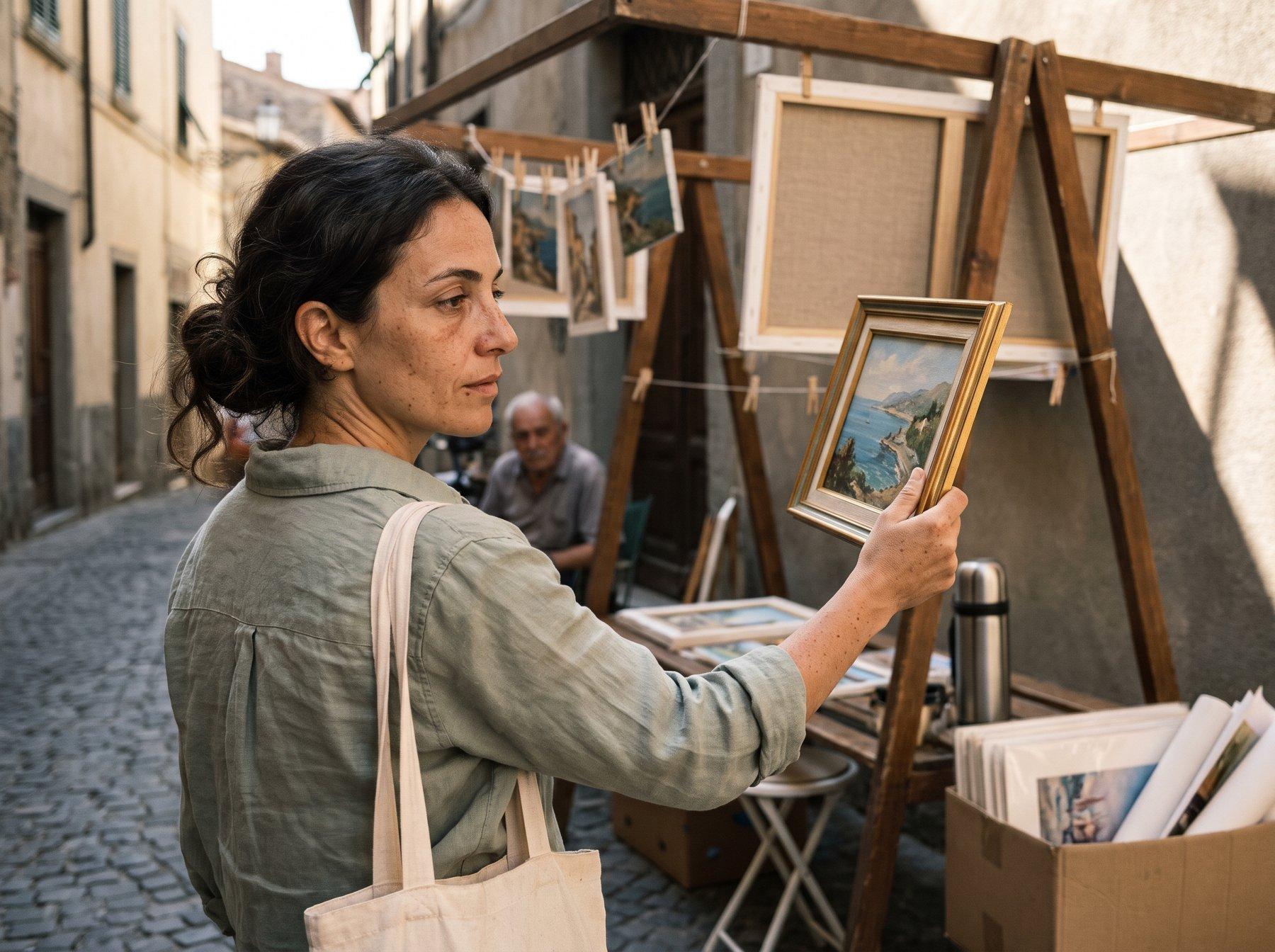
Most souvenirs end up in a drawer within a year. The fridge magnet from a layover, the keychain from a gift shop, the T-shirt that never fit: they mark a place, but they don’t say much about it.
A piece of original art does. It carries the maker’s hand, the light of a particular place and the memory of the conversation where you bought it. The catch is logistics. A canvas can’t be stuffed into a backpack like a scarf, and customs forms are nobody’s idea of vacation fun. This guide covers how to choose, pack, ship, declare and display art so it arrives home in the same shape it left the market.
Why Art Makes a Better Souvenir Than Most Trinkets

The best travel souvenirs aren't necessarily the ones with a destination's name printed on them. They're the pieces that remind you of a particular moment, place or feeling. A painting might capture the colors of a coastal town, while a handmade ceramic bowl reflects a region's traditional craftsmanship. Unlike typical gift-shop purchases, these objects become part of your home, carrying memories of the trip into everyday life.
That personal connection is also why art doesn't always have to depict a recognizable landmark to make a meaningful souvenir. Sometimes it's the colors, textures or atmosphere that bring a destination to mind. A vibrant abstract piece might remind you of a bustling city, while oil painting artwork on canvas can evoke the landscapes, architecture or quiet scenes that made a trip memorable. What matters is finding something that feels connected to your experience, rather than simply buying an object to prove you were there.
That matters because mass-produced souvenirs dominate for a simple reason: volume. International tourism reached a record 1.52 billion arrivals in 2025, up 4% on 2024, according to the UN Tourism World Tourism Barometer, and shops near major sights are stocked accordingly. Original work stands out because it can’t be duplicated by the thousand.
The tradeoff is time and care. A souvenir magnet costs a few dollars and takes ten seconds to pick. A painting asks you to ask questions, confirm it’s dry and plan the trip home before you pay.
Where to Find Art Worth Bringing Home
Buy from the person who made it whenever you can. Open-air art markets, artist studios, small galleries and community art centers all put you within talking distance of the maker, and that conversation is half the value. Ask what materials they used, how long the piece took and whether they have other work in a similar size.
Cultural centers are worth seeking out, especially for regional crafts and Indigenous art, because sales there typically support the artists directly. Ghana’s Accra Arts Centre is a good example: a large crafts market where carvers, painters and bead makers work close to where they sell.
Skip pieces sold in bulk near tourist bottlenecks. If twelve stalls sell the same sunset in the same size, someone ordered it from a factory.
How to Tell Original Work From Mass-Produced Copies

You don’t need to be an expert, just observant.
Look at the surface. Oil paint has texture; brushstrokes and ridges of thick paint catch the light. A flat, uniform surface with a canvas pattern printed on it is a reproduction.
Check for a signature and date, usually on the front corner or the back.
Ask for the artist’s full name, and ask whether the piece is an original, a limited print or a reproduction.
Get a written receipt that says the same thing. This matters later, since customs agencies treat originals and reproductions differently.
If a seller gets vague or defensive about any of this, walk away.
How to Pack and Carry a Painting

Dryness decides everything. Thick oil paint can stay soft underneath a dry-feeling skin for months, and rolling a wet or thick canvas cracks it. Roll only thin, fully dry, modern work. Anything heavily built up, antique or fragile should travel flat or be shipped.
Rolling always carries some risk, so roll only what you’re certain can take it. If you do, place acid-free paper over the paint, roll with the paint side out around a tube wider than a paper towel core, and slide the whole thing into a rigid outer tube. The Conservation Center’s guide to transporting art walks through wrapping and protection in more detail.
For flat carrying, sandwich the canvas between two sheets of foam board, wrap the package in bubble wrap and tape the edges. Check your airline’s carry-on dimensions before you buy, because a tube or board that doesn’t fit the overhead bin may end up in the hold. Our advice on leaving room in your luggage for what you buy helps you plan space before the shopping starts.
Shipping Instead of Carrying
Carrying isn’t always the right call. Large canvases, framed pieces, valuable work and anything you can’t confirm is dry belong with a professional shipper. Many galleries and framing shops abroad will arrange this, and fine-art forwarders handle the crating.
Get a written quote before you commit, since costs vary widely by size, distance and insurance. Insist that the package be labeled as original artwork, declare its real value and keep the tracking number with your receipt. Shipping also moves the customs question from your hands to a broker’s, so ask who handles import paperwork on the other end.
Bringing It Home: Customs and Paperwork

Customs rules depend on where you live, so check your own country’s before you travel. For U.S. travelers, U.S. Customs and Border Protection explains in its guidance on works of art that original paintings executed entirely by hand are generally duty-free, but they still have to be declared. Hand-painted manufactured items, such as decorated boxes, are a different category and pay duty at their own rate.
The practical steps are simple. Declare the painting on the CBP declaration form (Form 6059B), keep the receipt and artist details together, and don’t assume art counts toward your duty-free allowance. CBP’s page on shopping abroad explains how exemptions work for everything else in your bag.
Export rules matter too. Some countries restrict taking out antiques or cultural property, and a few require permits for certain artworks. If a piece looks old, ask the seller whether an export permit is needed before you hand over any money.
Displaying Your Souvenir

Wait to frame until you’re home. Local framers know your wall, your light and your budget; a rushed frame bought at the airport rarely does. Keep the painting out of direct sun and away from damp walls or heating vents, which are hard on oil paint over time.
One strong piece often does more than a crowded gallery wall. If you want to build a story around it, pair it with a few of your own trip photos; our guide to turning travel photos into wall art shows how to group them without fighting the painting for attention.
Buy One Piece, Plan the Carry First
Pick one meaningful work per trip rather than a suitcase of small ones. Decide how it will get home before you decide to buy it, and keep every piece of paper that proves what it is. A souvenir with a signature, a receipt and a story will still mean something on your wall years from now, long after the magnets are gone.