
How to Measure Your Cabin Bag Before You Leave for the Airport
By
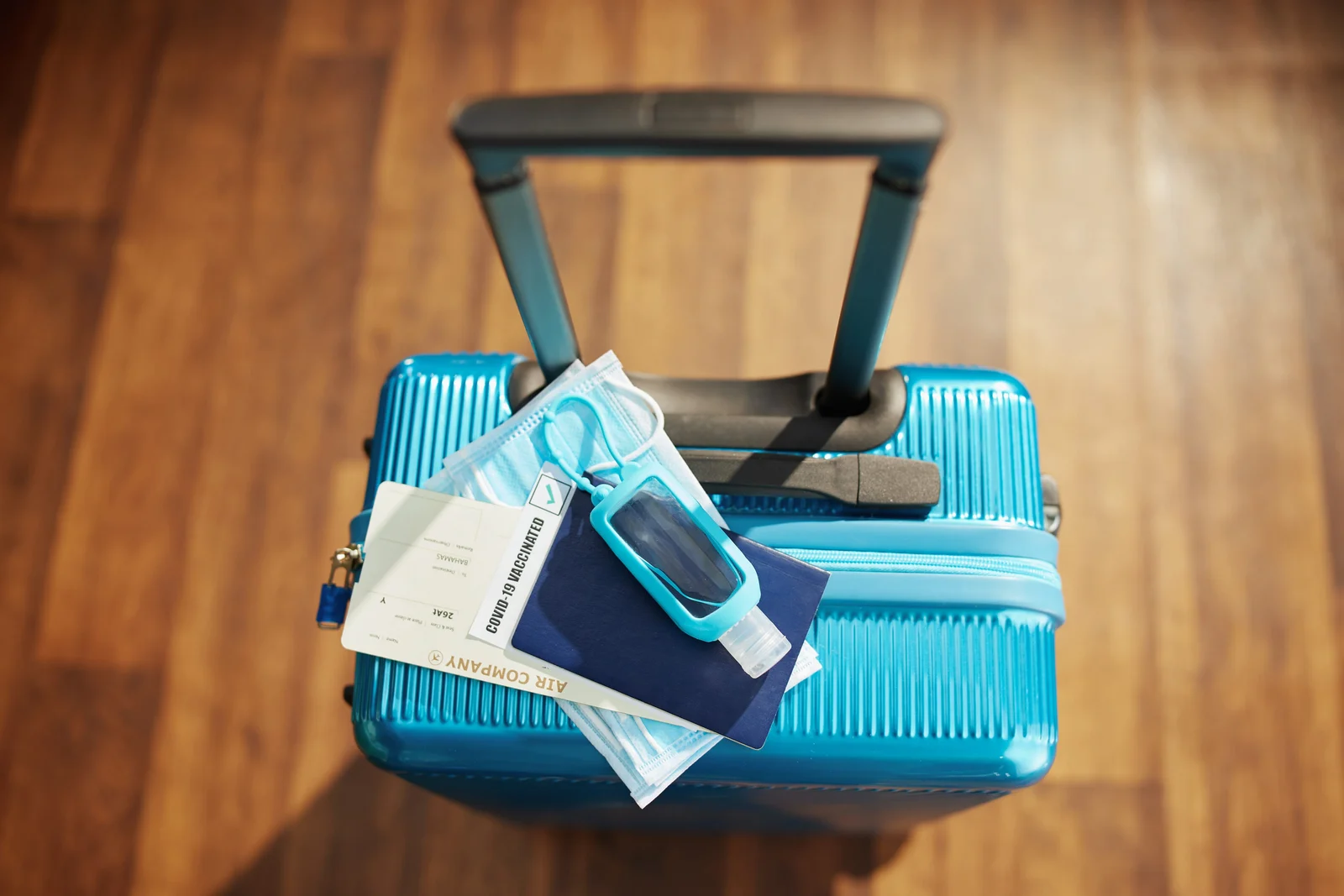
The easiest time to discover that a cabin bag is too large is before the taxi arrives. At home, you can swap the suitcase, remove a bulky item or change your baggage booking. At the airport, the same discovery can interrupt check-in or leave you reorganising your belongings beside a queue.
A useful bag check takes more than reading the size printed on a product page. You need the outside measurements of the bag you will actually carry, with its pockets filled and its zip closed.
First, identify the allowance you are measuring against
Open your booking confirmation and find the baggage included in your fare. Check whether it covers an underseat bag, a larger cabin bag, or both. Then open the operating airline's current baggage policy and note the relevant dimensions and weight conditions.
Do not assume that a backpack is automatically a personal item or that a small wheeled suitcase is included in every ticket. The name of the bag matters less than its size and the allowance attached to your booking.
Write the permitted measurements in the same units you intend to use. If the policy lists a total of length, width and depth, record that too. A total measurement and a limit on each individual side are different tests; follow the method the airline specifies.
Measure the bag after packing it
Pack as you would for departure. Put the toiletries, charging cables and other last-minute additions inside, close every compartment and leave the bag standing naturally. An empty soft bag can be noticeably slimmer than the same bag filled for a week away.
Use a tape measure and a flat surface. For a wheeled suitcase, stand it upright and measure from the floor to its highest fixed point, with the telescopic handle retracted. Include wheels, fixed handles and projecting parts wherever the airline requires the full outside size.
Measure the width at the widest point. For depth, check both the main body and any filled front pocket. A book or a wash bag in an exterior compartment can create the largest measurement on the whole case.
For a soft backpack or duffel, measure it in its normal packed shape. Do not press down on it simply to produce a smaller number. If the bag expands as soon as you let go, the compressed figure tells you little about how it will fit into a baggage sizer.
Check the awkward dimension
Consider a hypothetical packed bag measuring 54 by 36 by 21 centimetres. If a particular airline sets individual limits of 55 by 40 by 20 centimetres, the bag exceeds the depth limit. Being below the other two numbers does not offset that extra centimetre. These are example figures, not a policy for a named airline.
It is easy to overlook this when a suitcase looks small overall. Instead of asking whether it seems compact, compare each measurement with the relevant rule. Make sure you have not accidentally compared the height of one item with the depth listed for another.
A bag-size checker can help organise the comparison using your measurements and selected airline. CarrySizer shows how the entered size compares with the published allowance. Confirm any unclear result against the airline's own policy rather than treating a tool as boarding approval.
Weigh the complete arrangement
Weigh the packed bag with anything attached to it. Repeat the check after adding a laptop or camera if those travel in the same allowance. Read whether your airline applies a separate limit to a particular piece or a combined limit across cabin bags.
If your luggage scale is unfamiliar, take two readings. Keep the bag clear of the floor while weighing it and allow the display to settle. Avoid packing exactly to a stated maximum when a small addition or a different scale reading could create a problem.
The same bag may be suitable for one flight and unsuitable for another. An overview of published airline carry-on limits can help you compare the flights you are considering, but your exact fare and any route-specific conditions still need checking.
Leave a little room for the return journey
Expansion zips are convenient when unpacking at a hotel. Opening one can also change a case's outside depth enough to exceed the allowance you checked before departure. If you intend to use that extra space, measure the expanded case separately.
Decide where souvenirs will go before buying them. A spare tote is useful for carrying groceries during a trip, but it does not automatically become an extra permitted cabin bag on the flight home.
Keep a short note with the packed dimensions, weight and baggage option you booked. Recheck the policy before flying, especially if the itinerary changes. The purpose of measuring is to make an ordinary journey less uncertain, not to find an optimistic number that happens to fit on paper.