
The Real Math of Going Carry-On Only
By
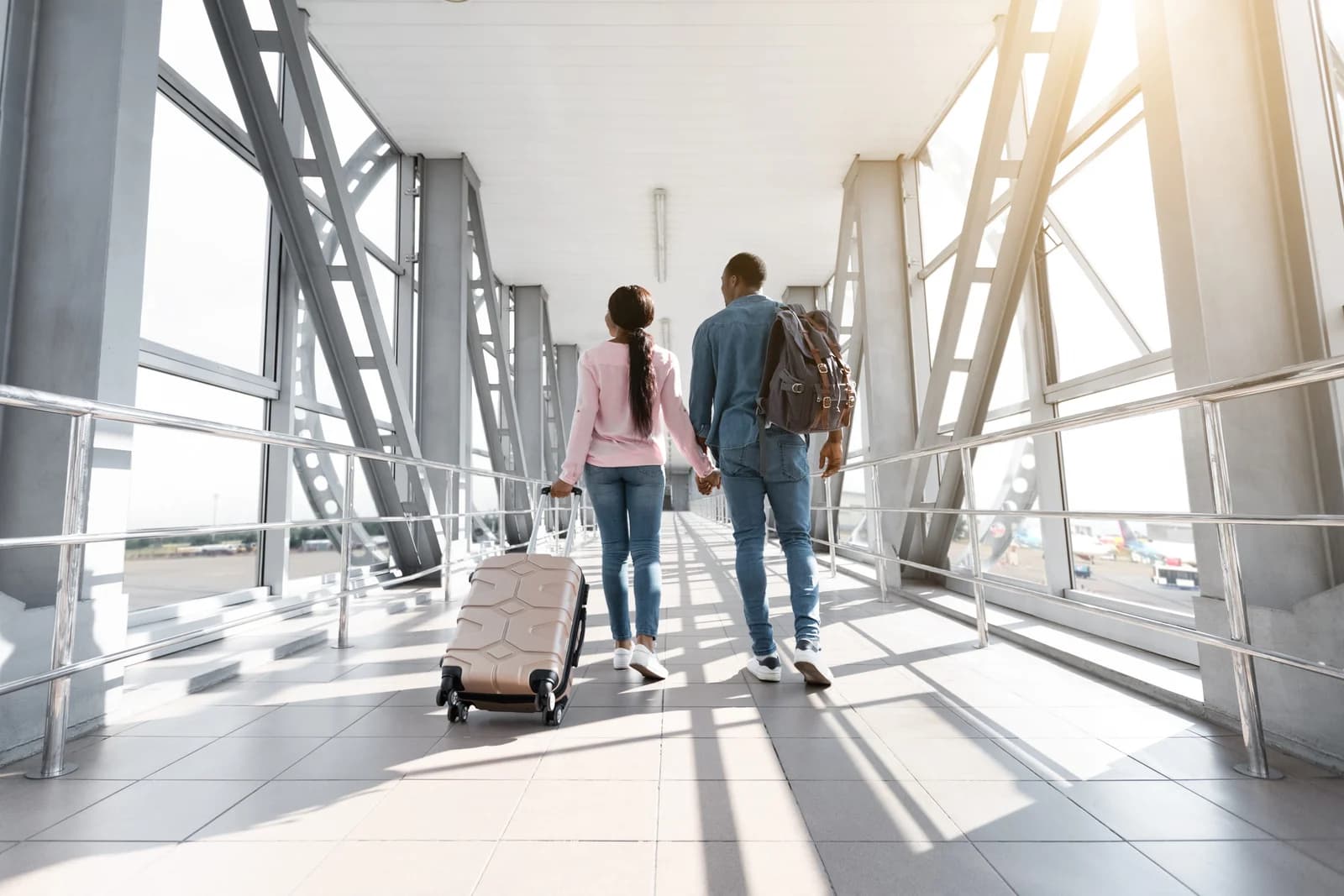
Checked bag fees used to feel like a small annoyance, the kind of charge most travelers paid at the kiosk and forgot about by the time they landed. Over the past two years, though, the major US airlines have raised those fees again and again, and Southwest, the last big carrier that let passengers check bags for free, now charges like everyone else. That's pushed a lot of travelers toward carry-on-only trips, sometimes without running the numbers first. Going light can save real money, but it also comes with its own costs, rules, and limits.
The honest answer to whether a checked bag is worth it depends on the trip, the airline, and how many people are traveling. A long weekend in a warm city is an easy call. A two-week trip with a ski day, a wedding, and a return flight full of gifts is a much harder one. What follows covers what checking a bag actually costs right now, what it costs in ways that never show up on a receipt, and how to pack one bag well enough that the savings are worth the effort.
What a Checked Bag Costs in 2026
Bag fees are a bigger business than most travelers realize. The Bureau of Transportation Statistics reports that US scheduled passenger airlines collected $7.4 billion in baggage fees across all of 2025, about 2.9% of their total operating revenue. Domestic flights accounted for $6.0 billion of that total. All of that money comes from individual travelers paying for one bag at a time, and the per-bag price keeps climbing.
The U.S. PIRG Education Fund's tracking of airline fees, last updated in May 2026, shows how steep those prices have gotten on domestic economy fares. United and American charge $50 for a first checked bag at the airport or $45 if it's prepaid; Delta and Alaska charge $45, and JetBlue charges $49 to $59 depending on when the bag is added. Southwest, which started charging for bags on reservations made on or after May 28, 2025, sits at $35 for the first bag and $45 for the second. Those are one-way prices, so a round trip doubles each of them.
Run those numbers across a typical trip, and the totals climb fast. A solo traveler checking one bag on United pays $90 to $100 round trip. A family of four, each checking one bag on the same airline, pays $360 to $400, and that's before anyone adds a second bag at $55 to $60 each way. On ultra-low-cost carriers, the math gets sharper still, since PIRG found Frontier charging $69 for a carry-on on top of $69 for a checked bag on a sample Cleveland-to-Orlando booking.
The Costs That Don't Show Up on the Receipt
The fee is the easy part to count, but checked luggage also carries risk, and the federal government tracks it closely. The DOT's Air Travel Consumer Report counted 1,052,493 mishandled bags on US airlines between January and June 2026, a rate of 0.49 per 100 bags enplaned. That rate varied widely by carrier, from 0.12 at Allegiant to 0.73 at American. A delayed bag on the first night of a trip means buying clothes and toiletries at destination prices and losing hours to a claims desk instead of exploring.
Time is the other hidden cost. Checking a bag means getting to the airport early enough to beat the airline's bag-drop cutoff, then standing at the carousel after landing while the first suitcases trickle out. On a late arrival, that wait can decide whether a traveler catches the last train into the city or pays for a car instead. Cars bring their own surprises, like the flat airport rideshare fee that major US airports now add to Uber and Lyft trips, which runs from $2 per pickup in Miami to $7 in Orlando. A traveler with one rolling bag can usually take the train and skip that charge entirely.
When Checking a Bag Still Makes Sense
Carry-on only isn't the right call for every trip, and forcing it leads to miserable packing. Trips that need bulky gear, like ski layers, hiking boots, or a suit and dress shoes for a wedding, often won't fit into a 22 x 14 x 9 inch bag, which is the standard carry-on limit PIRG's survey found at United, American, Delta, and Alaska. Liquids are another constraint, since the TSA's 3-1-1 rule caps each container at 3.4 ounces and requires all of them to fit in one quart-size bag per passenger. Anyone who needs full-size sunscreen, contact lens solution, or a multi-step skincare routine for two weeks will feel that limit fast.
Some travelers don't pay bag fees at all. Southwest still gives two free checked bags to active military members, Business Select customers, and A-List Preferred members, plus one free bag to A-List members and its credit cardholders, based on PIRG's fee summary. Other airlines offer similar perks through elite status and co-branded credit cards. For those travelers, the savings argument disappears, and the choice comes down to convenience and the odds of a lost bag.
The return trip matters, too. Travelers who plan to shop, buy wine, or bring home gifts can fly carry-on only on the way out and pay for one checked bag on the way home, which cuts the fee in half. Packing a foldable duffel in the bottom of the carry-on makes that switch easy. It's a sensible middle path that keeps the outbound trip light and still leaves room for souvenirs.
How to Make One Bag Actually Work
Fitting a week of clothes into a carry-on is mostly a technique problem. The trick is matching the method to the fabric, and rolling, bundling, and compression packing methods each solve a different problem: rolling suits t-shirts and activewear, bundle wrapping keeps dress shirts and slacks from creasing, and compression cubes squeeze bulky layers down to a fraction of their size. The 5-4-3-2-1 formula is a handy starting point for a week away, with five pairs of socks and underwear, four tops, three bottoms, two pairs of shoes, and one hat or accessory. Most efficient packers end up using a mix of all of these in a single bag.
Shoes are the biggest space thief in any small bag. Wearing the bulkiest pair on the plane and packing only one lighter pair frees up more room than almost any other single change. Socks and charging cables can ride inside packed shoes, while flat items like documents and tablets slide into the lid pocket. The free personal item that most major carriers allow alongside a carry-on effectively adds a second small bag for electronics, medication, and anything needed during the flight.
Liquids deserve their own plan. Solid toiletries like shampoo bars, stick sunscreen, and toothpaste tablets aren't liquids under the TSA's 3-1-1 rule, so they free up room in the quart bag for the things that only come in liquid form. On longer stays, picking up full-size basics at a pharmacy after arrival is still far cheaper than a round-trip bag fee. Laundry is the other release valve, since a trip with one laundromat stop or a quick sink wash can be packed for half its actual length.
Plan the Bag Around the Itinerary
The fastest way to overpack is to pack for a trip that isn't happening. A bag built on vague what-ifs fills up with outfits for dinners that never get booked and hikes that get rained out. Mapping the trip day by day first, with the forecast, the activities, and any dress-code nights, shows exactly which clothes are needed and which pieces can be worn twice. A free planner with shared packing lists makes that easier, because it ties a per-trip list to the itinerary and lets companions mark which items they're bringing for the whole group. When two people aren't each packing a hair dryer, a travel adapter, and a first aid kit, both bags shrink.
Running the Numbers for Your Own Trip
The decision gets much easier once it's written down. Take the airline's one-way bag fee, double it for the round trip, and multiply by the number of people who'd check a bag. Then subtract whatever carry-on only would add, like a laundromat stop, a few replacement toiletries, or a single checked bag for the flight home. If the gap is small, convenience can win, but if it runs into hundreds of dollars, an evening of practice packing pays for itself.
For most short trips in mild weather, carry-on only comes out ahead on both cost and convenience. For long trips, cold destinations, and anything involving specialty gear, a checked bag often earns its fee. The travelers who save the most tend to decide trip by trip instead of following a blanket rule. A few minutes with the fee schedule and a calculator usually settles the question.