
AKC MetelkovaMesto
Closed now
AKC MetelkovaMesto
AKC MetelkovaMesto, Metelkova ulica 10, 1000 Ljubljana, Slovenia Posted by Brandon B.Admin
AKC Metelkova Mesto: Ljubljana's Autonomous Cultural Hub
AKC Metelkova Mesto occupies a converted military barracks in central Ljubljana, transformed since 1993 into one of Central Europe's most distinctive autonomous cultural spaces. The site sprawls across Metelkova ulica 10, just a ten-minute walk from the Old Town, and functions as a working creative community rather than a polished museum. Artists, musicians, and activists share studios, performance venues, and exhibition spaces within its weathered walls. What makes this place unusual is that it operates as a genuine alternative culture center, not a packaged tourist attraction, so your experience depends entirely on what's happening during your visit.
Why This Place Matters
Metelkova Mesto represents something rare in European cities: a self-governed cultural space that has survived and thrived for over thirty years without corporate sponsorship or top-down management. When the Yugoslav People's Army abandoned the barracks in the early 1990s, squatters and artists reclaimed it. Instead of demolition or redevelopment, the Slovenian government eventually recognized the community's right to occupy and use the space. Today it functions as a living experiment in autonomous cultural production, hosting underground music venues, independent galleries, artist residencies, and activist collectives under one sprawling roof.
The site matters because it shows how a city can accommodate nonconformist culture without erasing it. You'll find no corporate logos, no entry gates, no ticket booths controlling access to the grounds themselves. The aesthetic is deliberately rough: graffiti covers most exterior walls, paint peels from buildings, and the layout feels organic rather than designed.
Quick Facts
- Location: Metelkova ulica 10, Ljubljana center, walking distance from the Old Town
- Founded: 1993, following occupation of a former Yugoslav People's Army barracks
- Entry to grounds: Free and open to the public most days
- Size: Approximately 20,000 square meters of interconnected buildings and courtyards
- Price tier: Inexpensive to free (ground access is free; individual venues charge modest fees for events and performances)
- What's here: Artist studios, live music venues, galleries, cafes, theater spaces, and activist collectives
Getting There
The easiest approach is from the Ljubljana Old Town. Head east from Prešeren Square along Slovenska cesta for about eight minutes on foot. Turn left onto Metelkova ulica and you'll see the distinctive graffitied entrance gates. If you're using public transport, several bus lines serve the area. The site sits within walking distance of Ljubljana's central train station as well.
There's no formal parking lot, but street parking exists in the surrounding neighborhood. Arriving on foot or by bike is more practical and fits the character of the place better than driving.
The Layout and Experience
The grounds feel like a village unto themselves. Multiple interconnected buildings surround courtyards where you'll find outdoor seating, performance stages, and art installations. The layout isn't signposted in any traditional sense, so you navigate by wandering and discovering. This can feel either liberating or slightly disorienting depending on your temperament.
Artist studios occupy the upper floors of many buildings, and some artists open their doors to visitors during certain hours or events. The ground level hosts cafes, small galleries, and performance spaces. A few venues have permanent fixtures, while others are more ephemeral, popping up and changing with the seasons.
Unlike conventional cultural centers, Metelkova doesn't have a reception desk or information booth. The experience is intentionally unmediated. You show up, explore, chat with people you encounter, and find what interests you.
Main Highlights
The visual spectacle of the space itself is the primary draw. Street art covers nearly every surface, ranging from crude tags to elaborate murals. The aesthetic is intentionally anti-commercial, and the lack of maintenance creates a layered, palimpsestic quality where older art is gradually buried under newer work.
The courtyards function as informal gathering spaces. On warm evenings, you'll find people sitting outside, drinking beer, and socializing. These aren't designed amenities but rather organic results of community use. The atmosphere tends to be welcoming rather than exclusive, despite the space's countercultural identity.
Performance venues operate on an irregular schedule. The main concert hall hosts electronic music, punk, indie rock, and experimental performances. Theater spaces host avant-garde productions, film screenings, and spoken word events. Check the schedule before you visit, because the quality and frequency of programming varies significantly by season.
Gallery spaces display contemporary art with a strong emphasis on political and social themes. Exhibitions change regularly and align with the interests of the artist-residents rather than commercial gallery logic.
History and Background
The buildings date to the late 1800s when they served military purposes under the Austro-Hungarian Empire. After World War II, the Yugoslav People's Army maintained a presence there. When Slovenia became independent in 1991 and the army withdrew, the barracks stood empty and slated for demolition.
In 1993, artists and activists squatted the site. Rather than eviction, a remarkable negotiation unfolded between the occupiers and the city government. Metelkova's residents proposed autonomous self-management, and Ljubljana's authorities, influenced by the city's liberal political culture, accepted the arrangement. This decision set the space apart from similar squatter movements across Europe that typically faced police clearance.
Over three decades, Metelkova Mesto developed its own governance structure based on consensus and direct democracy. No single person or organization owns it. The community makes decisions collectively about use, programming, and upkeep. This arrangement remains controversial in some circles and precarious from a legal standpoint, but it has endured.
Tickets and Entry
Entering the grounds is free. No tickets are required to walk around the courtyards, view street art, or explore the exterior spaces. Individual venues charge admission for specific events. Concert tickets, gallery entry fees, or workshop participation each have their own pricing, typically in the budget to mid-range category. Check the websites or social media of specific venues for current event schedules and pricing.
The openness of the space means there's no formal "visiting hours," but the area is most active and welcoming during evening hours and weekends when events are more likely to be happening.
Best Time to Visit
Summer and early autumn bring the most consistent activity. The outdoor courtyards are pleasant to spend time in, and the frequency of performances and events increases. Spring weather is also good for exploring the grounds on foot.
Winter is quieter. Some venues reduce their schedules, and cold weather makes lingering outdoors less appealing. However, if you're interested in the visual and architectural aspects of the space rather than attending events, weather matters less.
Weekends tend to be busier and more social. If you want to experience Metelkova's community atmosphere, Friday or Saturday evening is your best bet. Weekday daytime visits offer a quieter, more introspective experience.
Photography Tips
The street art is visually compelling, and the weathered surfaces photograph well in natural light. Early morning or late afternoon light flatters the graffiti and creates interesting shadows across the buildings. Avoid harsh midday sun if you're aiming for atmospheric shots.
The courtyards offer good opportunities for environmental portraits if people are present. Ask permission before photographing individuals. Many residents are comfortable with photography, but some prefer not to be documented, especially during quieter moments or private gatherings.
Wide shots capturing the scale and density of the space work better than close-ups of individual artworks. The overall aesthetic of controlled chaos is what makes Metelkova visually distinctive.
Facilities and Preparation
A few cafes operate within the grounds, serving coffee, beer, and simple food. Don't expect fine dining or extensive menus. The facilities are basic and intentionally unpretentious.
Bathrooms are available but basic. Come prepared with cash for small purchases, as some venues may not accept cards. The space is not wheelchair accessible in all areas due to the age of the buildings and the lack of formal infrastructure.
Bring comfortable walking shoes. The grounds are large and involve navigating uneven surfaces, stairs, and outdoor areas. In winter, the courtyards can be muddy or icy.
How It Compares to Similar Places
Unlike conventional art museums or cultural centers, Metelkova prioritizes lived experience and community autonomy over curation and polish. If you're expecting a professionally designed visitor experience, you'll be disappointed. If you're interested in how alternative culture actually functions in practice, you'll find it genuinely unusual.
Compared to other European squatter spaces and autonomous zones, Metelkova is relatively established and stable. It has survived longer than most and maintains stronger institutional recognition while preserving its countercultural character. This balance is rare and worth experiencing.
Combining With Nearby Attractions
The Old Town is a ten-minute walk away, centered around the Ljubljana Cathedral and the Three Bridges. The National Museum of Slovenia and the Museum of Modern Art are within walking distance. You can easily combine a visit to Metelkova with a morning or afternoon exploring more conventional cultural sites.
The Metelkova neighborhood itself is becoming more developed, with restaurants and galleries opening nearby. The contrast between the autonomous zone and the gentrifying surroundings is itself worth noting.
Ljubljana's riverside promenades and parks are close by if you want to spend time outdoors between cultural activities.
Sample Visit Plan
Arrive in late afternoon on a Friday or Saturday. Spend an hour wandering the grounds and courtyards, observing the street art and layout. Grab coffee or beer at one of the cafes and sit in a courtyard to absorb the atmosphere. If an event is happening that evening, check the schedule and consider staying for a performance. If not, explore the galleries and artist studios that are open, then return to the Old Town for dinner.
If you're visiting on a quieter day, allow 45 minutes to an hour for a thorough walk-through of the accessible areas. Combine it with a visit to nearby museums or a walk along the Ljubljana River.
Practical Tips
- Check online event schedules and social media before you visit to see what's happening during your time in Ljubljana
- Come during evening or weekend hours when the space is most active and welcoming
- Bring cash for small purchases at cafes and venues
- Respect the community by asking before photographing people
- Wear comfortable shoes and dress for weather, especially if visiting in winter or rainy seasons
- Don't expect conventional amenities or signage; part of the experience is self-directed exploration
- The space is genuinely autonomous, so rules and norms are community-enforced rather than formally posted
FAQ
Is Metelkova Mesto safe to visit? Yes. Despite its countercultural image, the space is generally welcoming to visitors. It's an active community with long-term residents invested in the space's wellbeing. Standard urban awareness applies, but it's no more or less safe than any other neighborhood in Ljubljana's center.
What should I expect the first time I visit? Expect to feel slightly disoriented because there's no formal information or clear wayfinding. This is intentional. You navigate by walking, observing, and talking to people. Some find this refreshing; others find it frustrating. Both reactions are valid.
Are events and performances happening every night? No. Programming is irregular and varies by season. Summer and autumn see more consistent activity. Check ahead to know what's scheduled during your visit, or arrive flexible and see what's available.
Can I visit the artist studios? Some studios are open to visitors, especially during events or if the artist is present and willing. Don't assume you can enter any space; ask first. Respect privacy and posted boundaries.
How long should I plan to spend here? That depends on what's happening and your interest level. A quick walk-through takes 45 minutes. If you're attending an event or exploring galleries thoroughly, plan two to three hours or more.
Opening hours
Reviews
Sign in and mark this place visited to leave a review.
No reviews yet.
Free Trip Planner
Plan your Ljubljana trip with our free planner
Build a day-by-day itinerary with AI suggestions, hand-picked places, and friends. Free forever — no credit card.
Things to see near AKC MetelkovaMesto
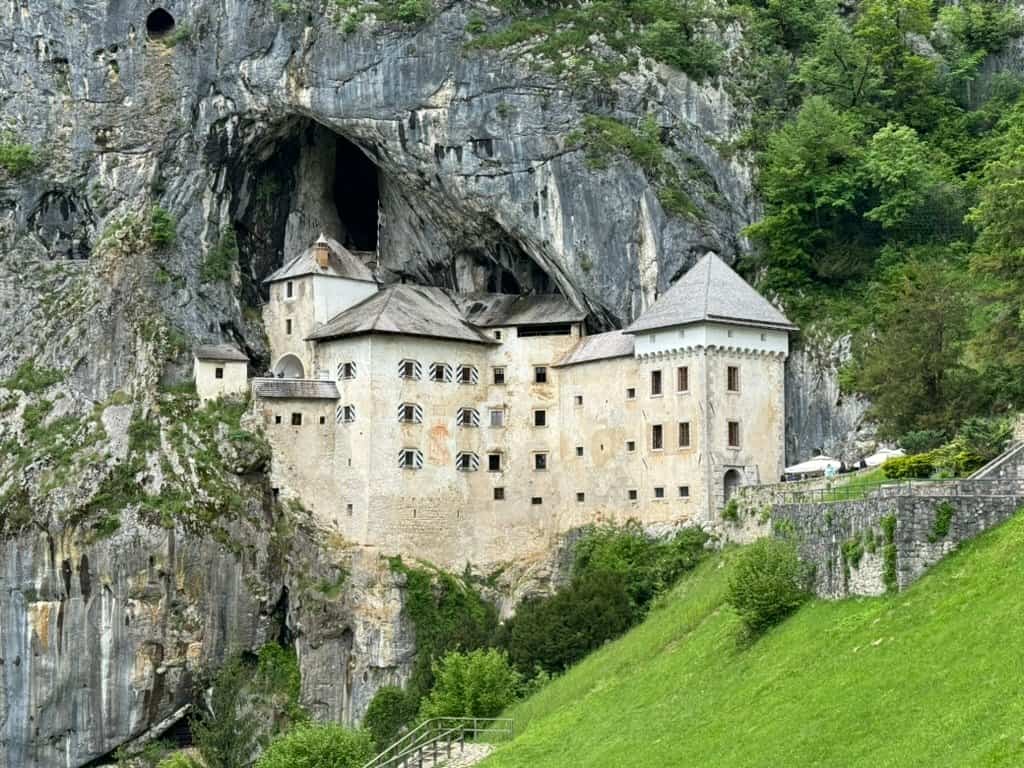
Predjama Castle

Plečnik House
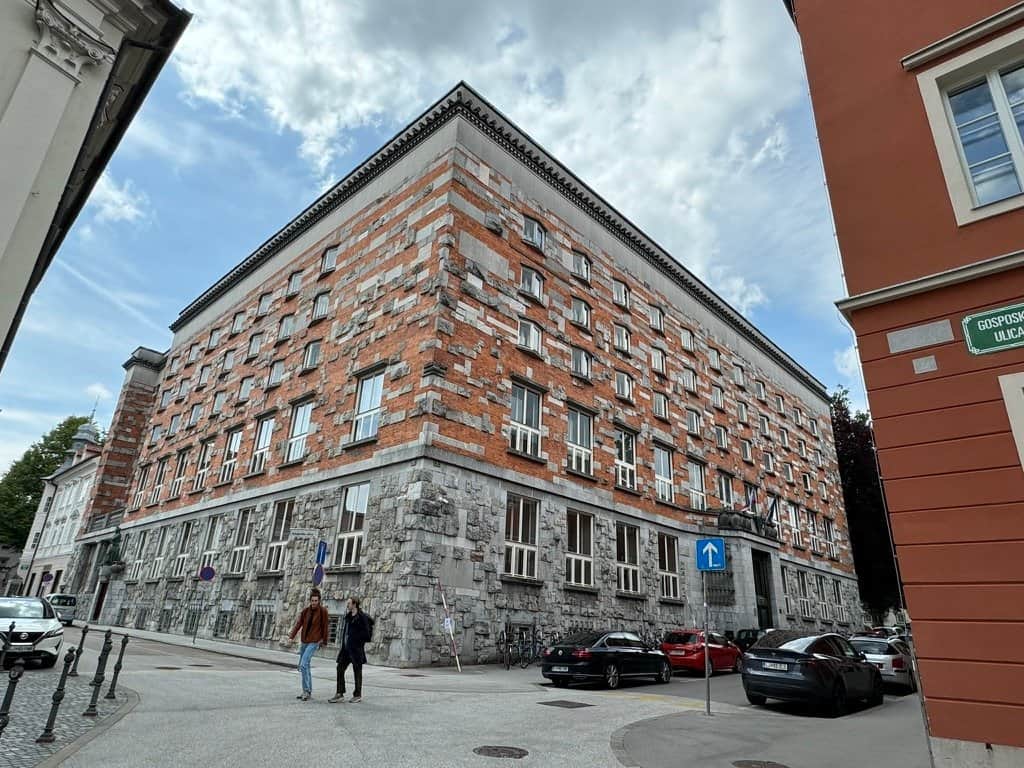
National and University Library
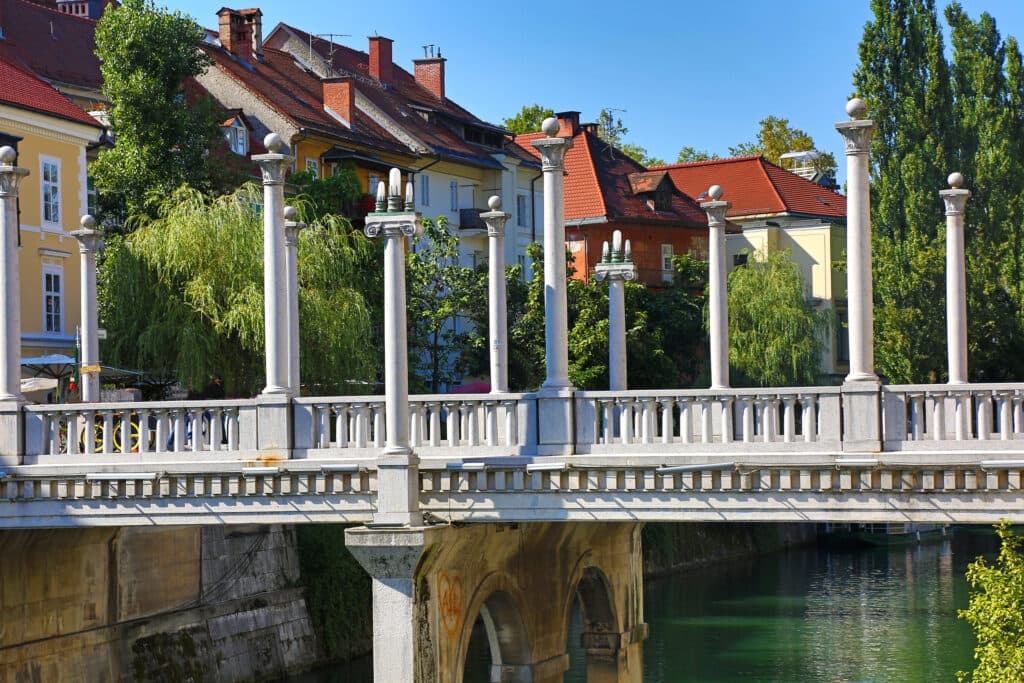
Cobblers' Bridge
Places to eat or drink near AKC MetelkovaMesto


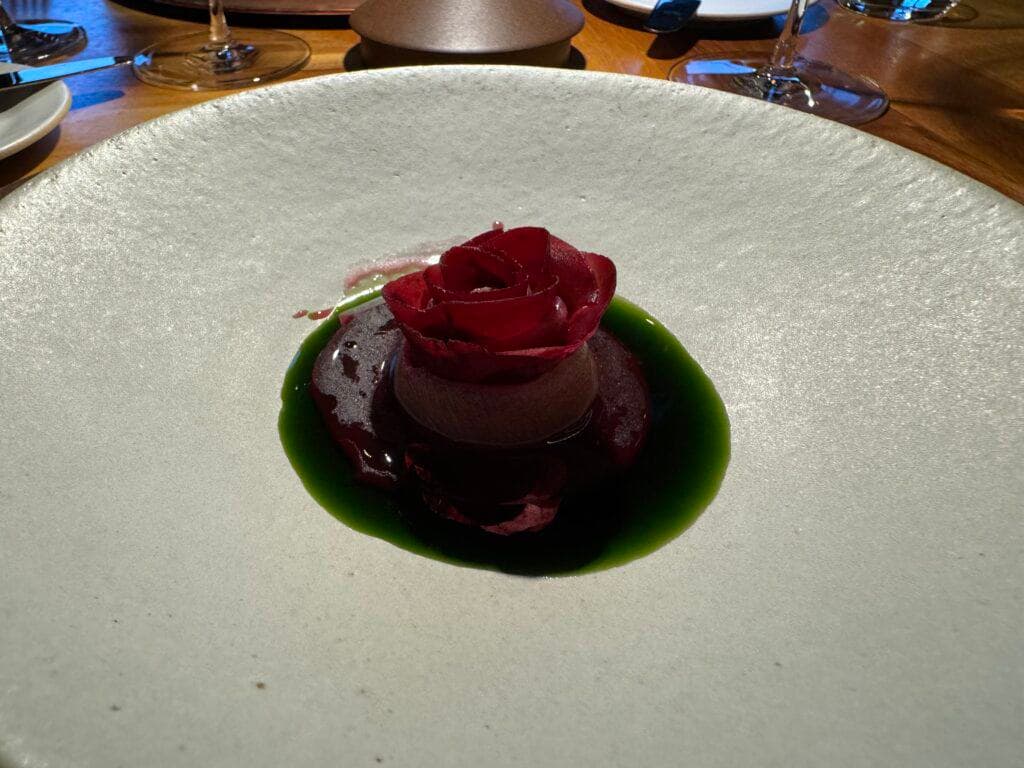
More places in Ljubljana

Tri Marije Coffee Trailer
Tivoli Park
Triple Bridge
