Al-Azhar Mosque
Mohammed Abdou El-Darb El-Ahmar, Cairo 11511 Egypt Posted by Brandon B.Admin
Al-Azhar Mosque in Cairo
Al-Azhar Mosque stands in the heart of Islamic Cairo, a sprawling complex that has shaped religious and intellectual life in Egypt for nearly a thousand years. Located in the El-Darb El-Ahmar neighborhood, this working mosque remains one of the most important Islamic institutions in the world. Unlike some monuments frozen in time, Al-Azhar pulses with daily prayer, teaching, and scholarship. When you visit, you're stepping into a living center of faith and learning, not simply a historical artifact.
Why this place matters
Founded in 970 CE during the Fatimid Dynasty, Al-Azhar established itself as both a mosque and a university. For centuries, scholars from across the Islamic world have come here to study theology, law, and philosophy. The institution continues that tradition today, training religious leaders and maintaining one of Islam's most respected scholarly traditions.
The mosque's architecture reflects layers of Islamic history. Different dynasties added their own sections, so you can trace stylistic evolution across centuries. The main prayer hall, courtyards, and minarets show the craftsmanship of medieval Cairo at its height.
Quick facts
- Founded in 970 CE during the Fatimid Dynasty
- Covers approximately 12,000 square meters
- Contains five minarets built across different periods
- One of the oldest universities in continuous operation
- Actively used for daily prayers and teaching
- Located in Islamic Cairo, a UNESCO World Heritage Site
Getting there
Al-Azhar Mosque sits in the dense medieval quarter of Cairo, accessible by metro or taxi. If you're using the Cairo Metro, the closest station is around 10 to 15 minutes walk from the mosque. The neighborhood streets are narrow and winding, typical of Islamic Cairo's layout. Landmarks like Khan el-Khalili bazaar and other historic mosques are within walking distance, so you might combine your visit with exploring the surrounding area.
Arriving on foot from Khan el-Khalili gives you a sense of how the mosque connects to the neighborhood's fabric. You'll pass through streets lined with small shops, workshops, and homes before reaching the main entrance on Mohammed Abdou street.
The layout and experience
Al-Azhar's layout reflects centuries of expansion and renovation. The complex includes the main prayer hall, multiple courtyards, administrative buildings, and educational facilities. When you enter, you'll be directed to specific areas open to visitors, depending on prayer times and current use.
The main courtyard (sahn) is expansive and open to the sky. Arcades run along its edges, providing shade and shelter. The prayer hall extends from one side, featuring rows of columns supporting a coffered ceiling. Light filters through windows and openings, creating patterns on the floor. The mihrab, indicating the direction of prayer, is ornately decorated with geometric patterns and calligraphy.
The minarets rise at different corners, each with its own character and era of construction. Some are slender and elegant, others more robust. Climbing any of them is typically not permitted for visitors, but their silhouettes against the Cairo skyline are striking from ground level.
During prayer times, you'll see worshippers moving through the space with practiced rhythm. Non-Muslims can often observe from designated areas, though access may be restricted during the five daily prayers, especially Friday prayer, which draws large crowds.
Main highlights
The Fatimid arch in the prayer hall represents some of the oldest architectural work on the site. Its proportions and carved details show the sophistication of 10th-century Islamic design. The columns throughout the mosque vary in material and origin, some reused from earlier structures, others quarried specifically for later additions.
The mihrab and minbar (pulpit) are focal points of visual interest. The mihrab's niche is decorated with intricate tilework and calligraphic inscriptions. The minbar, a carved wooden structure, shows the craftsmanship of medieval Cairo's woodworkers.
The courtyards offer respite and demonstrate how Islamic architecture manages space and light. The interplay of covered arcades and open sky creates comfortable zones for prayer, study, and circulation. If you visit on a quieter day, you can sit and observe the way light changes throughout the afternoon.
History and background
Al-Azhar was commissioned by the Fatimid caliph Al-Muizz li-Din Allah and completed in 972 CE. It served as the principal mosque of the new capital, Cairo, and quickly became a center for Islamic learning. Over the following centuries, the Mamluk dynasty expanded and renovated the complex extensively, adding new courts, gates, and educational facilities.
The Ottoman period saw further modifications, including the addition of new minarets and decorative elements. By the time Egypt modernized in the 19th and 20th centuries, Al-Azhar had already established itself as an institution of international standing. Today, the university operates across multiple campuses, though the original mosque remains its symbolic and spiritual heart.
The complex has survived fires, earthquakes, and the city's constant evolution around it. Restoration work has been ongoing for decades, with projects focused on stabilizing structures and preserving original materials and details.
Tickets and entry
Al-Azhar Mosque is a functioning religious site, not a ticketed museum. Entry is typically free for visitors who follow dress codes and behavioral expectations. You may be asked to remove your shoes or cover certain areas of your body depending on where you're entering and current access policies.
Hours vary because the mosque's primary function is serving the Muslim community for prayer. Visiting outside of prayer times gives you more freedom to explore. Early morning or mid-afternoon tends to be quieter than midday or evening. Friday prayers draw the largest crowds, and visitor access may be severely limited or unavailable during this time.
Some guided tours operate in the area and may include Al-Azhar as part of an Islamic Cairo experience. These tend to be led by knowledgeable locals who can provide historical context and navigate the complexities of visiting an active mosque.
Best time to visit
Weekday mornings between 8 AM and noon offer good access with fewer crowds. Avoid Friday afternoons and early evenings, when prayer attendance peaks. The cooler months from October through April make spending time in the open courtyards more comfortable than summer heat.
If you want to observe prayer in progress, arriving before the call to prayer (adhan) gives you time to position yourself in a viewing area. The sight of hundreds of worshippers moving in unison is powerful, though respect for the space and the worshippers is essential.
Photography tips
The interplay of light through the colonnade creates strong geometric shadows, especially in the late morning and early afternoon. The courtyards offer opportunities for wide shots that capture the scale and proportion of the complex. The minarets silhouetted against the sky are particularly striking during golden hour.
Be respectful when photographing worshippers or prayer spaces. Some areas may have restrictions on photography, so ask before shooting. Details like carved woodwork, tilework, and calligraphic inscriptions reward close-up photography and show the craftsmanship that often goes unnoticed from a distance.
Facilities and preparation
Al-Azhar is a mosque first, so facilities are minimal. There are restrooms on site, though they're primarily for worshippers. Water fountains for ritual ablution are available. The complex has limited seating outside of the prayer hall, so bring comfortable walking shoes and be prepared to stand or sit on the floor.
Dress modestly. Women should cover their arms, legs, and hair. Men should wear long pants and avoid sleeveless shirts. Bring a scarf or headcover if you don't have one, though some entrances provide them. Remove your shoes when entering prayer areas, so wear socks or be comfortable going barefoot.
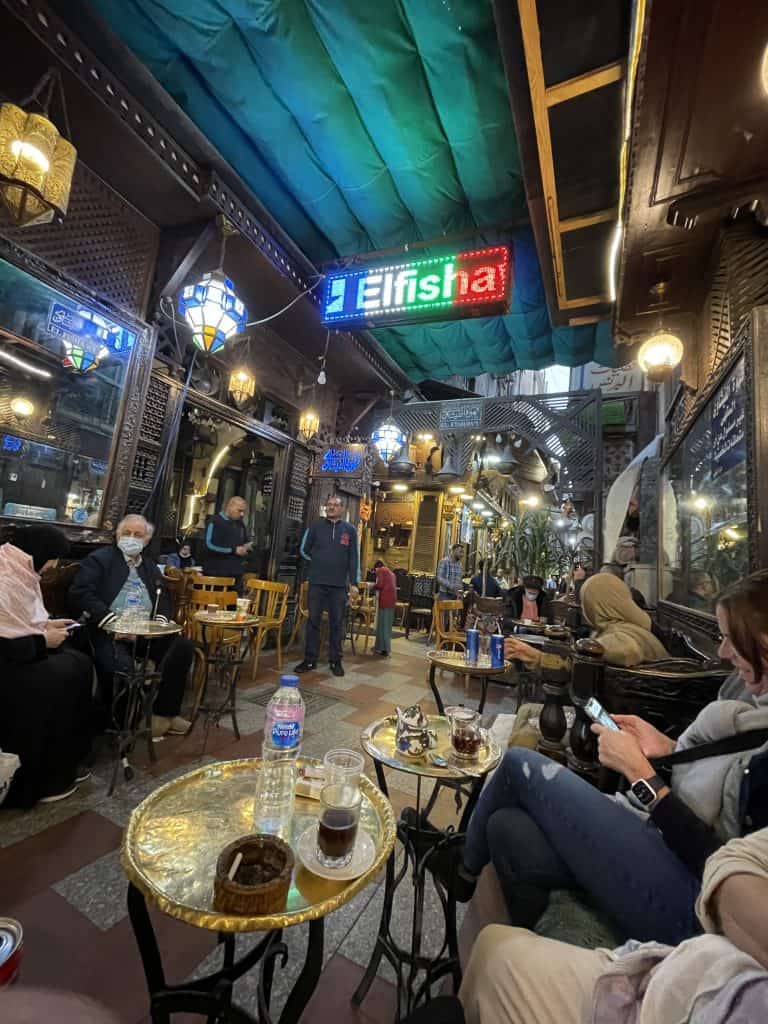
There's no food service inside, so eat before or after your visit. The surrounding neighborhood has small cafes and restaurants if you want to take a break between exploring the mosque and other nearby sites.
Combining with nearby attractions
Al-Azhar sits within walking distance of several major sites in Islamic Cairo. Khan el-Khalili bazaar, the famous medieval market, is just a few minutes away. The Mosque of al-Hakim, another important Fatimid structure, is accessible on foot. The narrow streets between these landmarks are worth exploring in their own right, lined with historic buildings, workshops, and smaller mosques.
The Egyptian Museum of Islamic Art is a short taxi or metro ride away and houses objects from mosques throughout Egypt, including pieces from Al-Azhar's own collection. Spending a morning at Al-Azhar and an afternoon at the museum gives you complementary perspectives on Islamic Cairo's artistic heritage.
If you're interested in medieval Cairo's architecture, you can spend days moving between the major monuments. Al-Azhar is typically the starting point because of its historical significance and central location.
Sample visit plan
Arrive around 9 AM on a weekday. Enter through the main gate on Mohammed Abdou street and spend 20 to 30 minutes observing the main courtyard and prayer hall. If the interior is open, walk through the colonnade and view the mihrab. Climb to an upper balcony or viewing area if available to see the full layout of the courtyards.
Spend time sitting in the courtyard, observing the architecture and the way light moves through the space. Take photographs of details that interest you. If you're with a guide, this is when they'll explain the different periods of construction and architectural styles.
Exit and walk through the neighboring streets for 15 to 20 minutes, exploring the small shops and workshops that surround the mosque. Stop at a nearby cafe for tea or coffee. If you have time, visit Khan el-Khalili or the Museum of Islamic Art to extend your morning into a full day of Islamic Cairo exploration.
Practical tips
- Call ahead or check with your hotel about current visiting hours and any access restrictions
- Hire a local guide if you want detailed historical and architectural context
- Visit on a weekday morning for the best balance of access and fewer crowds
- Bring cash for tips if you hire a guide; card payments are uncommon in this area
- Avoid carrying large bags; security may restrict entry or require inspection
- Be prepared for uneven floors and tight spaces in some corridors
- Use the metro or arrange a taxi in advance rather than trying to navigate the narrow streets with luggage
FAQ
Can non-Muslims visit Al-Azhar Mosque? Yes, non-Muslims are generally welcome outside of prayer times, provided they follow dress codes and show respect for the space. Access may be restricted during Friday prayers and the five daily prayers.
What should I wear when visiting? Dress modestly with covered arms, legs, and shoulders. Women should cover their hair. You'll need to remove your shoes in prayer areas, so wear easy-to-remove footwear or socks.
How long should I plan to spend there? One to two hours is typical for a self-guided visit. A guided tour may take two to three hours if it includes detailed historical explanation and time to observe the architectural details.
Is photography allowed? Photography is generally permitted in courtyards and non-prayer areas, but ask before photographing worshippers. Some sections may have restrictions, so check with staff upon arrival.
When is the best time to visit? Weekday mornings from 8 AM to noon offer good access with fewer crowds and more comfortable temperatures, especially in cooler months.
Reviews
Sign in and mark this place visited to leave a review.
No reviews yet.
Free Trip Planner
Plan your Cairo trip with our free planner
Build a day-by-day itinerary with AI suggestions, hand-picked places, and friends. Free forever — no credit card.